Plan and listen to Church Of Saint Menas Of Samatya with Audiala.
Audio guide in your pocket, itinerary in your browser. Built for the way you actually visit.
Introduction
The Church of Saint Menas of Samatya (Greek: Ἄγιος Μηνάς, Turkish: Ayios Minas Kilisesi) stands as a living testament to Istanbul’s layered Christian heritage and multicultural history. Located in the heart of the historic Samatya neighborhood of the Fatih district, this Greek Orthodox church traces its roots to early Byzantine times and offers visitors a unique intersection of spirituality, history, and architecture. Whether you are an architecture enthusiast, a lover of history, or a traveler seeking authentic cultural experiences, the Church of Saint Menas provides a meaningful glimpse into the enduring Christian presence within Istanbul’s vibrant urban tapestry.
For further context and travel advice, consult resources such as Everything Explained Today, istanbeautiful.com, and nomadicniko.com.
Early Christian Foundations
The history of the Church of Saint Menas of Samatya stretches back to the 4th or 5th century CE, when the area—then known as Psamatheia—became home to some of Constantinople’s earliest Christian institutions. Archaeological findings and historical records indicate that a martyrion (shrine to Christian martyrs) existed at this site, reflecting the rapid spread of Christianity after the Edict of Milan in 313 CE. The discovery of ancient tombs beneath the church in the late 19th century further attests to its longstanding significance in Christian worship and memory (Everything Explained Today; AroundUs).
Byzantine and Ottoman Transformations
During the Byzantine era, Samatya developed into a lively suburb with a prominent Greek Orthodox presence. The original church, dedicated to Saint Polycarp, was a focal point for local Christians until its destruction by fire in 1782. Under Ottoman rule, the community maintained its place of worship through the millet system, exemplifying Istanbul’s tradition of religious pluralism (Everything Explained Today). The neighborhood also became home to Armenian and Karamanlides communities, further enriching its multicultural landscape.
19th-Century Reconstruction
The current structure was erected in 1833 by architect Konstantis Yolasığmazis with the permission of Sultan Mahmud II. Built over the ruins of the previous church and adjacent to a sacred spring (Ayazma), it encapsulates both Byzantine and 19th-century Greek Orthodox architectural traditions. The church remains a vital center for the Orthodox community, celebrated especially during the annual feast of Saint Menas on November 11 (Webot).
Religious Heritage and Community Life
Saint Menas is the patron of the church, and his feast day draws local worshippers and diaspora Orthodox Christians alike. The church’s Ayazma spring is believed to possess healing powers and is central to ritual practices. Despite challenges, including damage suffered during the 1955 Istanbul Pogrom, the church continues to serve as a hub of spiritual life and a symbol of resilience for Istanbul’s Greek Orthodox community (AroundUs; VisitTurkey.in).
Architectural Significance
Exterior and Interior Features
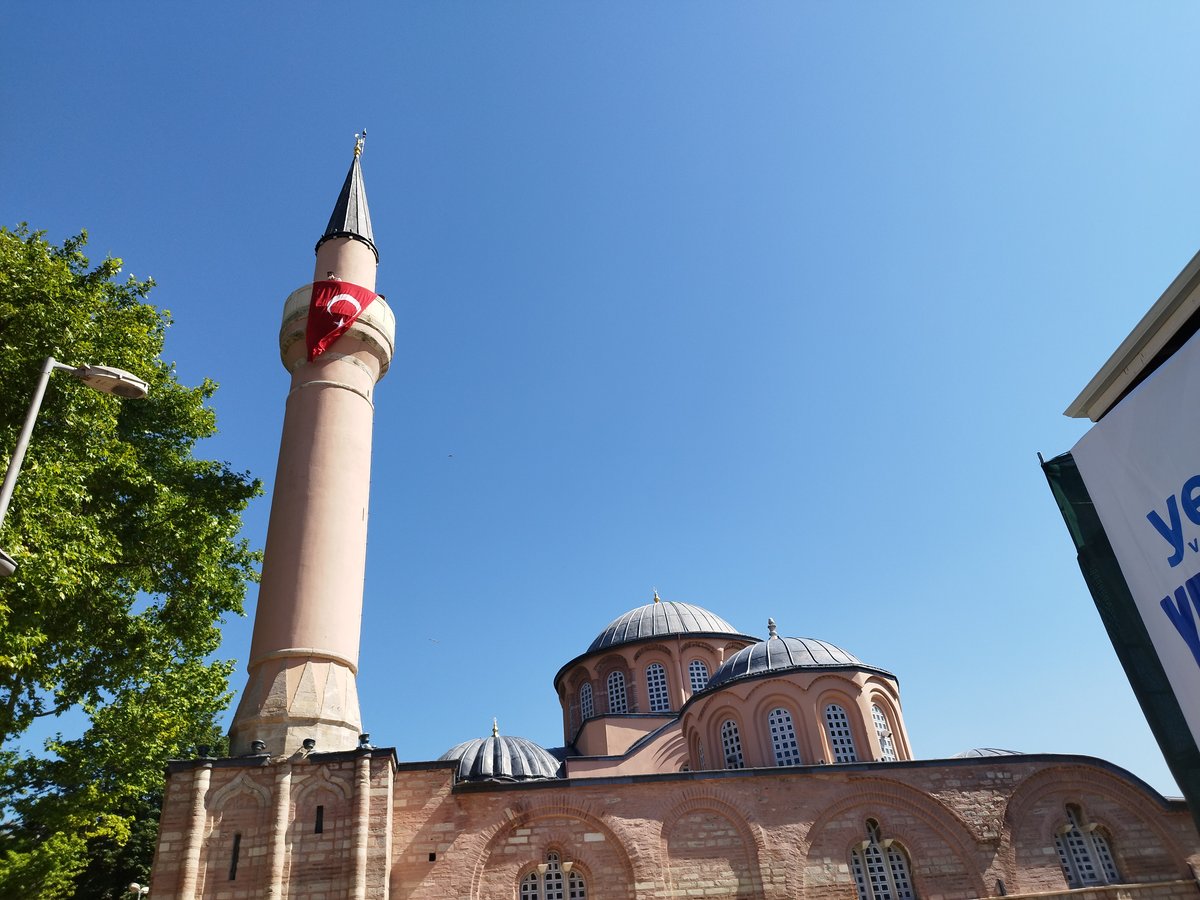
The Church of Saint Menas occupies a sheltered courtyard, accessible through an arched gateway adorned with Greek inscriptions. The church’s rectangular plan and gabled roof are characteristic of Greek Orthodox design, while stone and brick masonry recall Byzantine construction techniques. A modest bell tower rises above the entrance, and arched windows with stained glass or decorative grilles allow natural light into the nave (Wikimedia Commons).
Inside, the church features a single nave flanked by side aisles, leading to a sanctuary marked by a richly decorated iconostasis. Frescoes and hand-painted icons from the 18th and 19th centuries adorn the walls, while the central dome, supported by pendentives or squinches, symbolizes the heavens. Marble and stone flooring, intricate woodwork, and liturgical furnishings contribute to a contemplative ambiance (Greek Orthodox Church Architecture).
Artistic Highlights and Preservation
Noteworthy are the church’s hand-painted icons, particularly the iconostasis, which showcases biblical scenes and ornate carvings. Liturgical objects, such as silver candlesticks and embroidered vestments, are displayed during major feast days. The church has undergone several restorations to address damage from fire, earthquakes, and neglect, ensuring the preservation of its unique blend of Byzantine and Ottoman influences (Wikimedia Commons; Byzantine Architecture in Istanbul).
Visitor Information
Visiting Hours and Entry
- Hours: Generally open from 9:00 AM to 5:00 PM, Monday to Saturday. Hours may vary during religious holidays or special services. It is advisable to confirm in advance, especially if you wish to attend a service or special event.
- Entry Fee: No tickets are required; entry is free. Donations are appreciated for ongoing maintenance.
Accessibility
The church is located in a historic area with narrow, sometimes uneven streets. While the main entrance is at street level, some interior areas and the courtyard feature steps or uneven paving. Visitors with mobility concerns should plan accordingly and may contact the parish for assistance.
Dress Code and Etiquette
- Dress modestly: shoulders and knees should be covered for both men and women.
- Behavior should be respectful and quiet, especially during services.
- Non-Orthodox visitors are welcome to observe but should not participate in sacraments unless invited.
Getting There
- By Train: Take the suburban line from Sirkeci to Kocamustafapaşa station, then walk to the church.
- By Bus: Bus lines such as Yedikule–Eminönü, Yedikule–Beyazıt, and Atatürk Airport–Taksim serve the area (istanbeautiful.com).
- By Car: Accessible via the Eminönü-Bakırköy coastal road; parking is limited.
- On Foot: Walk from Yedikule or Langa districts for a scenic route.
Photography and Guided Tours
Photography is typically permitted in the courtyard and exterior, but ask permission before photographing inside, especially during services. Guided tours are seldom organized by the church itself, but local tour operators often include it in their itineraries. Informal guidance may be available from parishioners or caretakers upon request.
Nearby Attractions and Local Experiences
- Surp Kevork Armenian Church: One of Istanbul’s oldest Armenian churches.
- Aya Nikola Greek Orthodox Church: Renowned for its mosaics.
- Samatya Fish Market: Offers fresh seafood and local color.
- Fish Museum: Displays over 300 fish species; open daily from 10:00–17:00 (istanbeautiful.com).
- Dining: Samatya is famous for its taverns and seafood restaurants, an ideal spot to relax after your visit.
Frequently Asked Questions (FAQ)
Q: What are the Church of Saint Menas visiting hours?
A: Typically open Monday–Saturday, 9:00 AM–5:00 PM. Check ahead for holiday or event closures.
Q: Is there an entry fee or ticket required?
A: No, entry is free; donations are welcomed.
Q: Are guided tours available?
A: Not regularly, but local tour operators may include the church in their routes.
Q: Is the church accessible to visitors with mobility issues?
A: Accessibility is limited due to uneven streets and steps; contact the parish for assistance.
Q: Can I take photographs inside the church?
A: With permission; always ask before photographing the interior, especially during services.
Summary
The Church of Saint Menas of Samatya is a remarkable example of Istanbul’s enduring religious diversity and cultural depth. With its origins in early Christian martyr worship, its survival through Byzantine and Ottoman epochs, and its vibrant role in today’s Greek Orthodox community, the church provides both a spiritual sanctuary and a window into the city’s past. Free to visit and easy to access, it invites all who are interested in history, architecture, and the living traditions of Istanbul’s Greek Orthodox heritage. For the most fulfilling experience, verify visiting hours in advance and explore the rich surroundings of Samatya for a comprehensive journey through Istanbul’s historical tapestry.
To enhance your visit, download the Audiala app for the latest updates, guided tours, and cultural insights on Istanbul’s historical sites.
Audiala2024
Listen to the full story in the app
The whole Church Of Saint Menas Of Samatya,
told well.
Audio guides for 1,100+ cities across 96 countries. History, stories, and local insight — offline ready.

Verified, and shown.
Researched and written by the Audiala editorial team from historical records, architectural archives, and local expertise.
Researched from Wikidata, Wikipedia & official sources · fact-checked · How we make our guides →