Plan and listen to Chora Church with Audiala.
Audio guide in your pocket, itinerary in your browser. Built for the way you actually visit.
Introduction
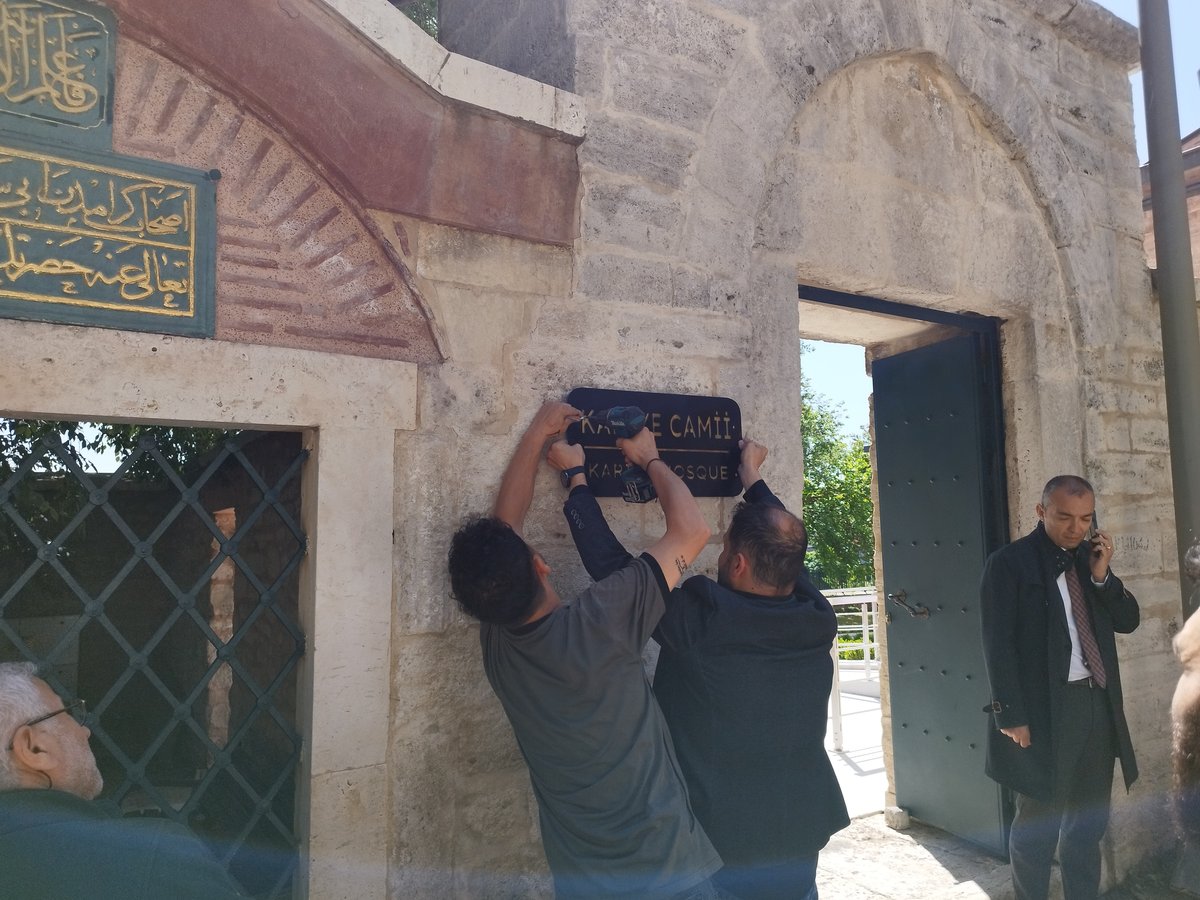
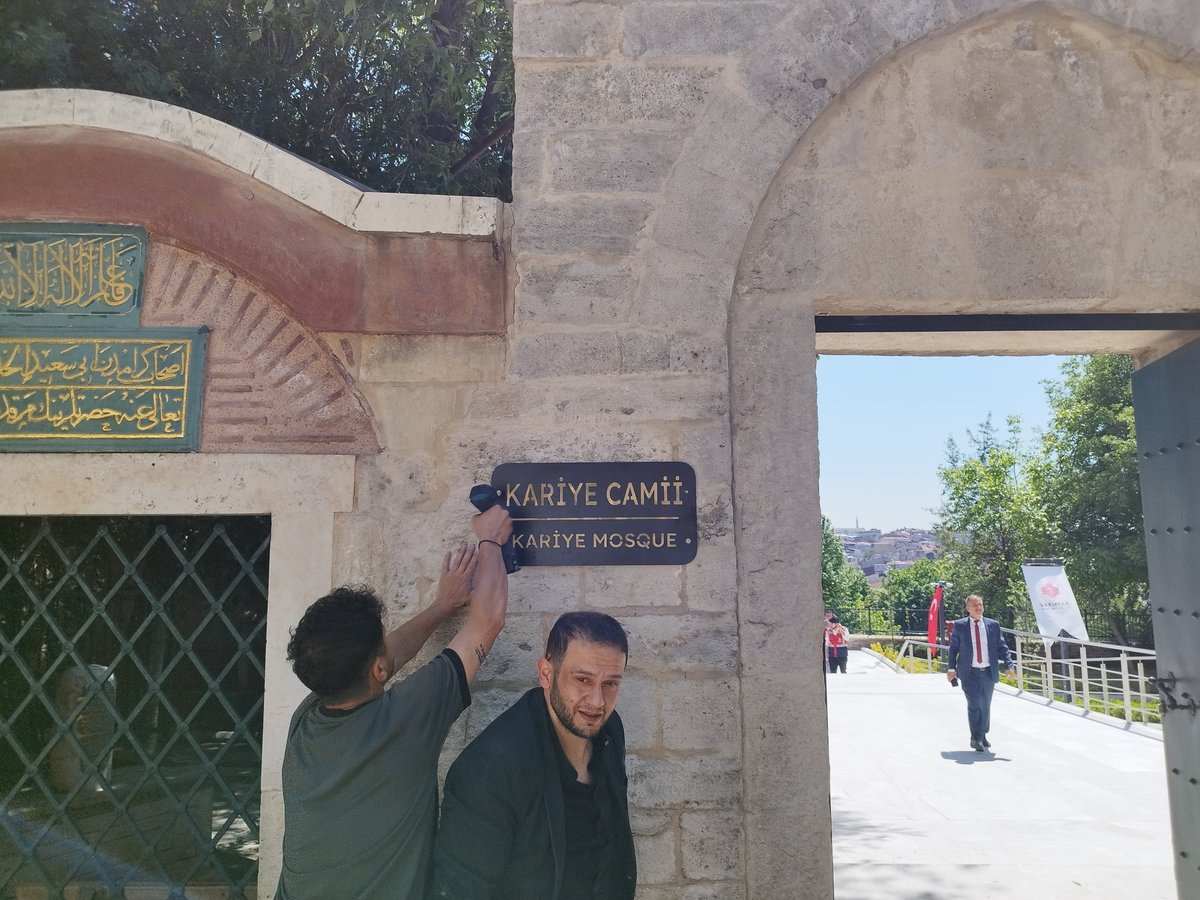
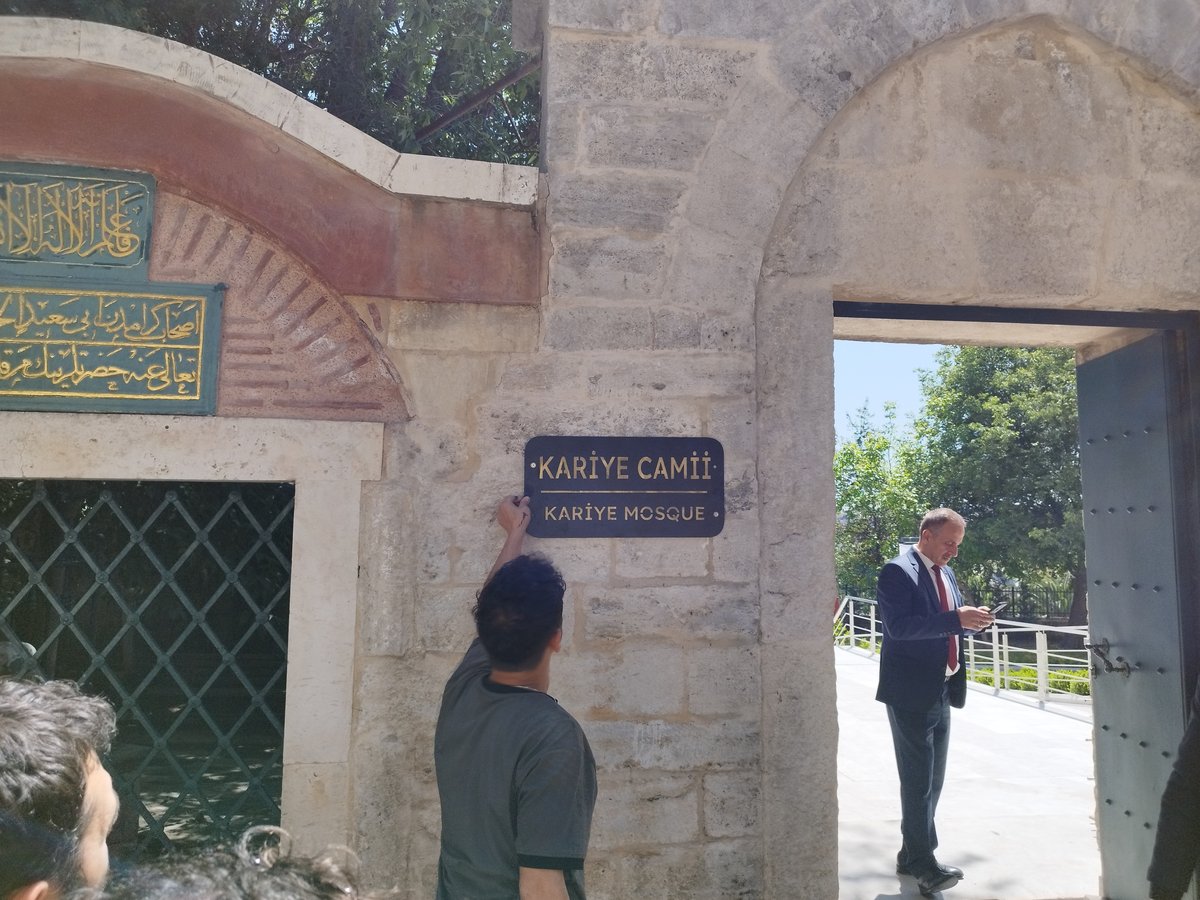
Nestled in Istanbul’s historic Edirnekapı neighborhood, the Chora Church (Kariye Mosque) is a magnificent testament to the city’s rich Byzantine and Ottoman past. Famed for its breathtaking mosaics and frescoes, the site offers visitors an immersive view into the artistic and spiritual life of medieval Constantinople. Over the centuries, the Chora Church has served as a monastery, mosque, museum, and, most recently, as an active mosque that maintains public access to its celebrated Christian artworks. This guide provides detailed information on the Chora Church’s history, visiting hours, ticketing, accessibility, and tips for travelers.
For more detailed background and visitor information, reference trusted sources such as the Chora Museum, Istanbul Tourist Pass, and Middle East Eye.

Early Christian Foundations
The origins of the Chora Church date back to the early 4th century, when it was established as part of a monastic complex outside the ancient city walls of Constantinople. The name “Chora,” meaning “in the countryside” in Greek, reflects its original rural setting (Chora Museum; Wikiwand). When the Theodosian Walls were built in the early 5th century, the church became part of the burgeoning city (The Other Tour).
Byzantine Flourishing and Artistic Renaissance
The church underwent several reconstructions: significant rebuilding occurred in the 11th century under the Komnenian dynasty and again in the early 14th century, when statesman Theodore Metochites commissioned the spectacular mosaics and frescoes that define the site’s artistic legacy today (Chora Museum; Wikiwand). The Chora Church became a major center for Byzantine monasticism, spiritual life, and intellectual activity (Smarthistory).
Ottoman Conversion and Modern Era
Following the Ottoman conquest of Constantinople in 1453, the church was converted into a mosque (Kariye Camii) in 1511. Islamic features such as a mihrab and minaret were added, and Christian images were covered with plaster (Cab Istanbul). In 1945, it was secularized and restored as a museum, revealing its hidden Byzantine masterpieces (Middle East Eye). In 2020, it was reconverted into a mosque, but the mosaics and frescoes remain accessible to visitors outside of prayer times (Muze.gen.tr).
Architectural and Artistic Features
Layout and Structure
The Chora Church’s architecture reflects centuries of Byzantine innovation (turkiyeworld.com):
- Naos (Sanctuary): The central space, surmounted by a dome with the Christ Pantocrator mosaic.
- Narthexes: The exonarthex (outer) and esonarthex (inner) are richly decorated transitional spaces.
- Parecclesion: A side chapel featuring the celebrated fresco of the Anastasis (Resurrection).
Mosaics and Frescoes
The mosaics and frescoes, dating from the Paleologan Renaissance (early 14th century), are among the finest in the world (Chora Museum; My Beautiful Istanbul):
- Virgin Mary Cycle: Eighteen panels in the inner narthex depict her life.
- Christological Cycle: Scenes from Christ’s birth, miracles, and Passion.
- Anastasis Fresco: In the parecclesion, showing Christ’s descent into Hades—a masterpiece of Byzantine visual theology.
The mosaics use tesserae of glass, stone, and gold, creating luminous, intricate images. The frescoes are noted for vivid colors, expressive figures, and dramatic compositions, offering a visual narrative akin to a medieval “comic book” (Smarthistory).
Religious and Cultural Significance
Chora Church’s layered history reflects Istanbul’s complex religious and cultural identity. It served as a monastery, mosque, and museum, and today functions as both a place of worship and a cultural heritage site. The coexistence of Byzantine Christian and Ottoman Islamic elements makes it a powerful symbol of interfaith dialogue and the city’s historical crossroads (Istanbul Tourist Pass; Middle East Eye).
Visiting Chora Church: Practical Information
Visiting Hours
- Open: Saturday through Thursday, 09:00–18:00
- Closed: Fridays (for congregational prayers)
- Prayer Time Restrictions: Closed to tourists during Muslim prayers (times vary seasonally—check local schedules).
Tickets and Admission
- Entrance Fee: €20 for foreign tourists (as of August 2024). Turkish citizens and Muslim visitors entering for worship are free.
- Museum Pass Istanbul: Not accepted.
- Where to Buy: On-site ticket booth or online in advance (recommended to avoid queues).
Location and Accessibility
- Address: Edirnekapı, Fatih district
- Getting There: Taxi (15–20 minutes from Sultanahmet) or public transport (T1 tram to Eminönü, then bus 31E/36KE/38E to Edirnekapı)
- Accessibility: Limited wheelchair access due to historic design and sloped terrain. Contact ahead for assistance.
Dress Code and Visitor Conduct
- Dress Modestly: Shoulders and knees covered; women should bring a headscarf.
- Shoes: Remove before entering the prayer area.
- Photography: Allowed without flash; be respectful during prayer times.
Facilities
- Ticketing: Single booth; online purchase is advisable.
- Guided Tours: Available through agencies; QR codes inside provide digital guides.
- Amenities: Limited on-site, but cafes and shops are nearby.
Conservation and Restoration
The mosaics and frescoes were preserved under plaster during the Ottoman period and carefully restored in the 20th century. Today, ongoing conservation efforts aim to balance religious usage with the preservation of these priceless works of art (Chora Museum).
Nearby Attractions
- Walls of Constantinople: Explore the ancient city walls adjacent to the church.
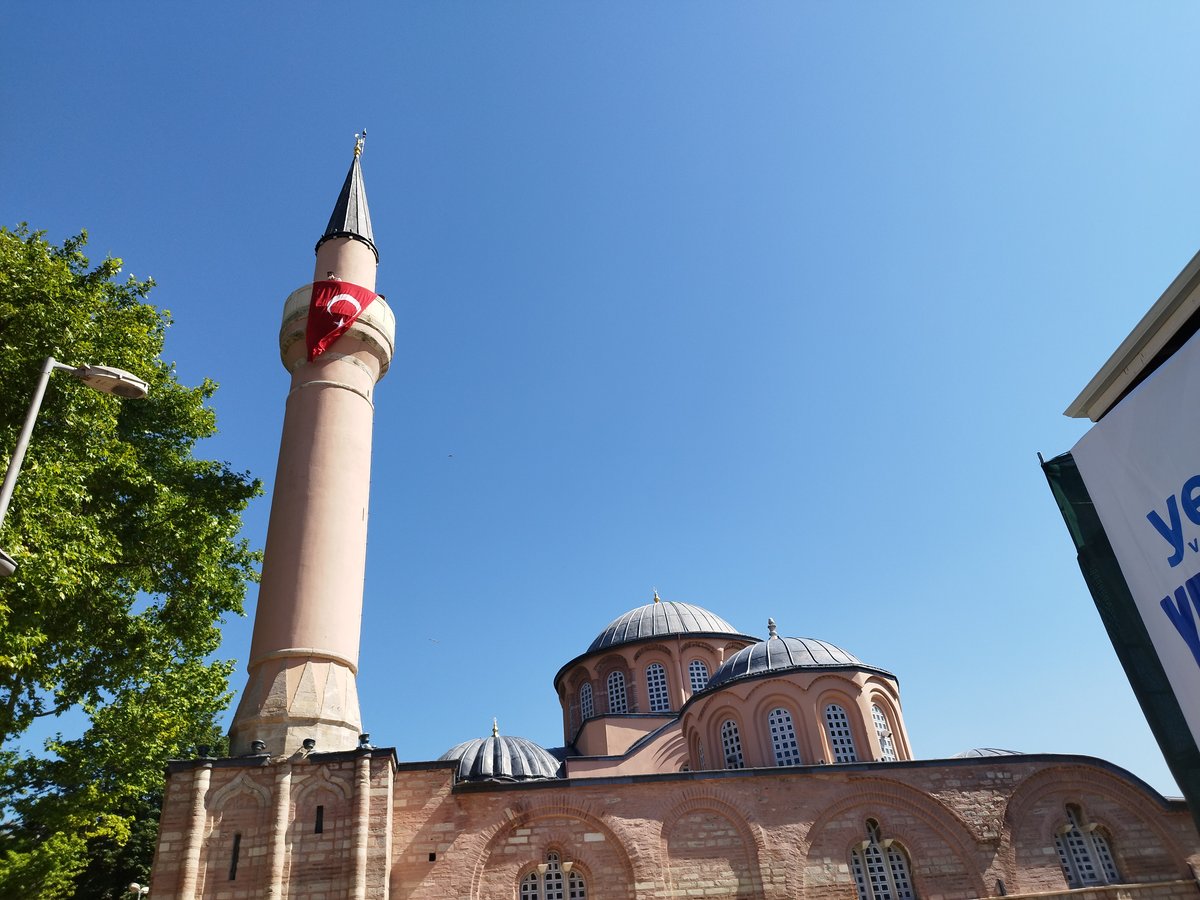
- Fethiye Mosque: Another example of Byzantine architecture nearby.
- Edirnekapı Neighborhood: Experience the vibrant local scene and historic ambiance.
Tips for Visitors
- Best Times: Weekday mornings to avoid crowds.
- Plan Around Prayer Times: Check local schedules to ensure access.
- Digital Guides: Scan QR codes on-site or download guides in advance.
- Guided Tours: Highly recommended for deeper insight into the art and history.
Frequently Asked Questions (FAQ)
Q: What are the Chora Church visiting hours?
A: Open Saturday–Thursday, 09:00–18:00; closed Fridays and during Muslim prayer times.
Q: How much is the entrance fee?
A: €20 for foreign tourists; free for Turkish citizens and Muslim worshippers.
Q: Can I visit during prayer times?
A: No, the site is closed to tourists during prayers.
Q: Is the Church wheelchair accessible?
A: Accessibility is limited—contact ahead if mobility assistance is needed.
Q: Are guided tours available?
A: Yes, through agencies and local operators.
Q: Is photography allowed?
A: Yes, but flash is not permitted.
Internal Links
- Top Istanbul Historical Sites to Visit
- Guide to Byzantine Art in Istanbul
- Hagia Sophia Visiting Hours & Ticket Guide
Listen to the full story in the app
The whole Chora Church,
told well.
Audio guides for 1,100+ cities across 96 countries. History, stories, and local insight — offline ready.
Verified, and shown.
Researched and written by the Audiala editorial team from historical records, architectural archives, and local expertise.
Researched from Wikidata, Wikipedia & official sources · fact-checked · How we make our guides →