Plan and listen to Byzantium with Audiala.
Audio guide in your pocket, itinerary in your browser. Built for the way you actually visit.
Introduction
Fatih, located on Istanbul’s historic peninsula, is a living chronicle of civilizations that have shaped the city for over two millennia. Originally founded as Byzantium in 657 BCE by Greek colonists from Megara, the district developed from an ancient trading hub into the capital of two great empires—first as Constantinople under the Byzantines, then as the heart of the Ottoman Empire, now known as Istanbul. Today, Fatih’s streets, monuments, and markets offer visitors a unique, immersive journey through layers of history where Byzantine, Roman, and Ottoman treasures coexist.
This guide provides detailed insights into Fatih’s historical evolution, cultural and religious significance, up-to-date visiting hours and ticketing information for major attractions, practical navigation and safety tips, and highlights of must-see sites. Whether you want to marvel at the mosaics in Chora Church, explore the vast Topkapı Palace, or wander the Grand Bazaar, this comprehensive resource will help you make the most of your visit. For official visiting hours and ticket information, consult resources such as the Hagia Sophia museum website and the Basilica Cistern site.
Begin your exploration of Fatih, the historical heart of Istanbul, and experience the vibrant interplay of past and present (Greek City Times, World History Journal, National Geographic).



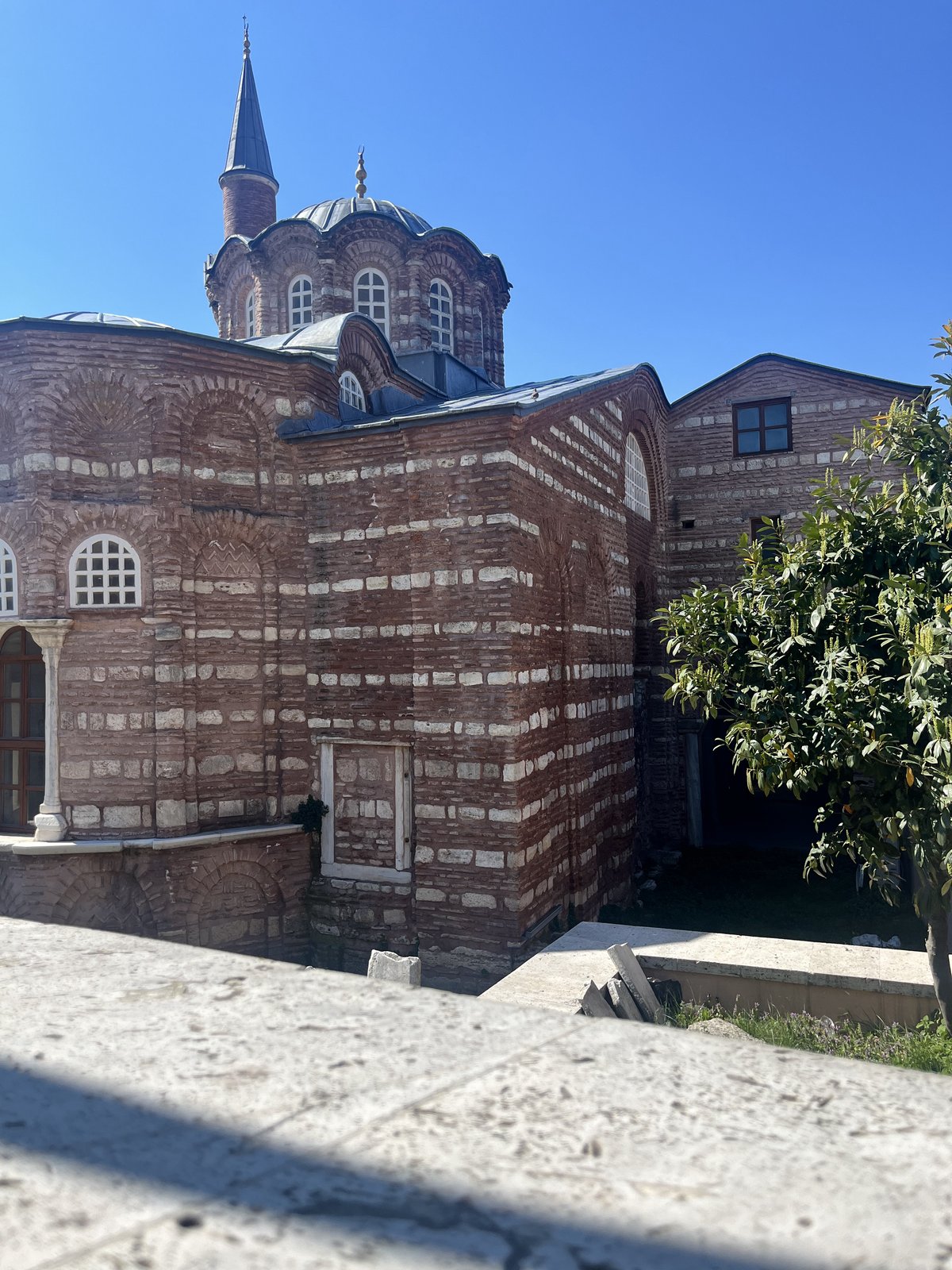
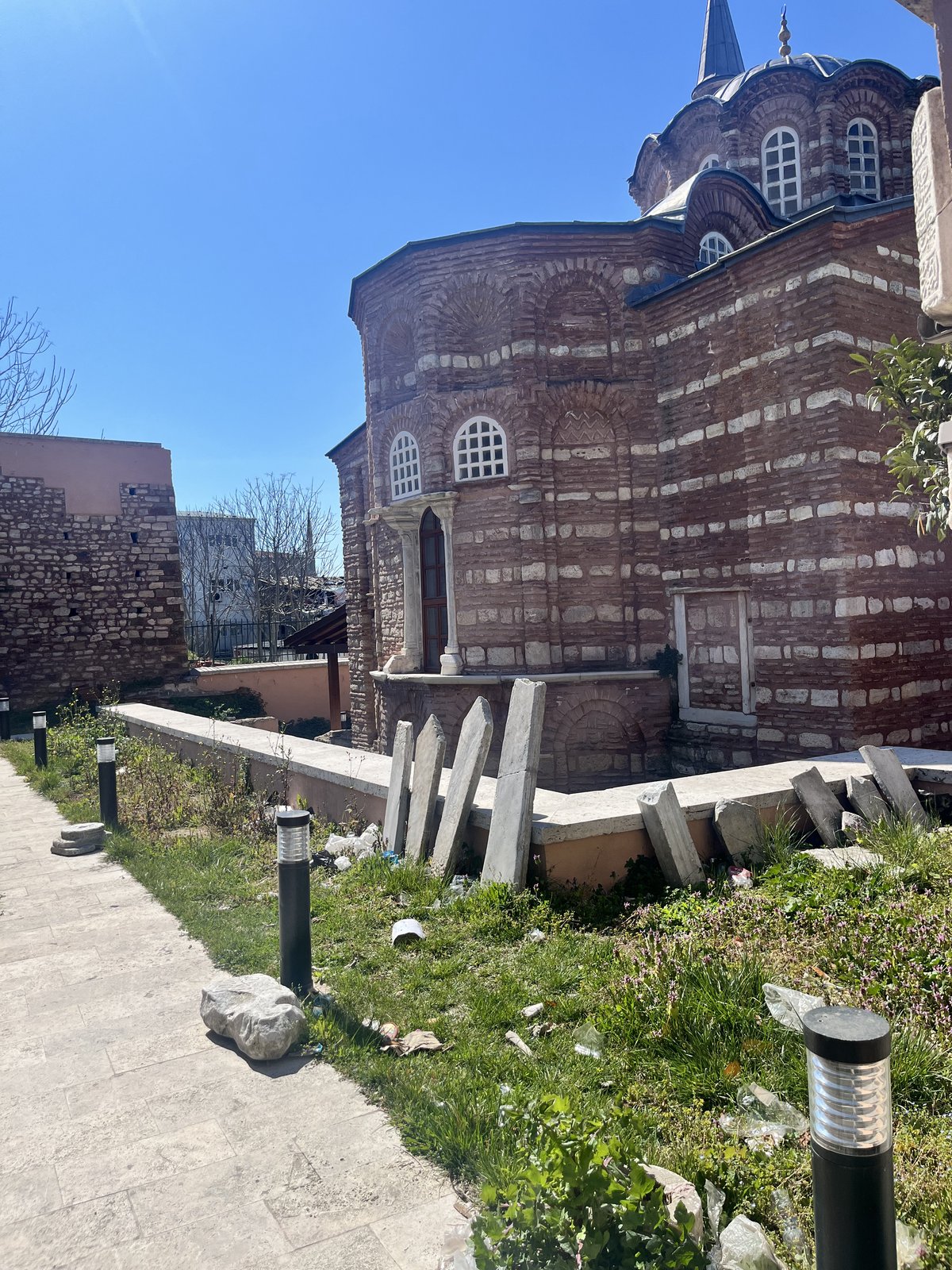
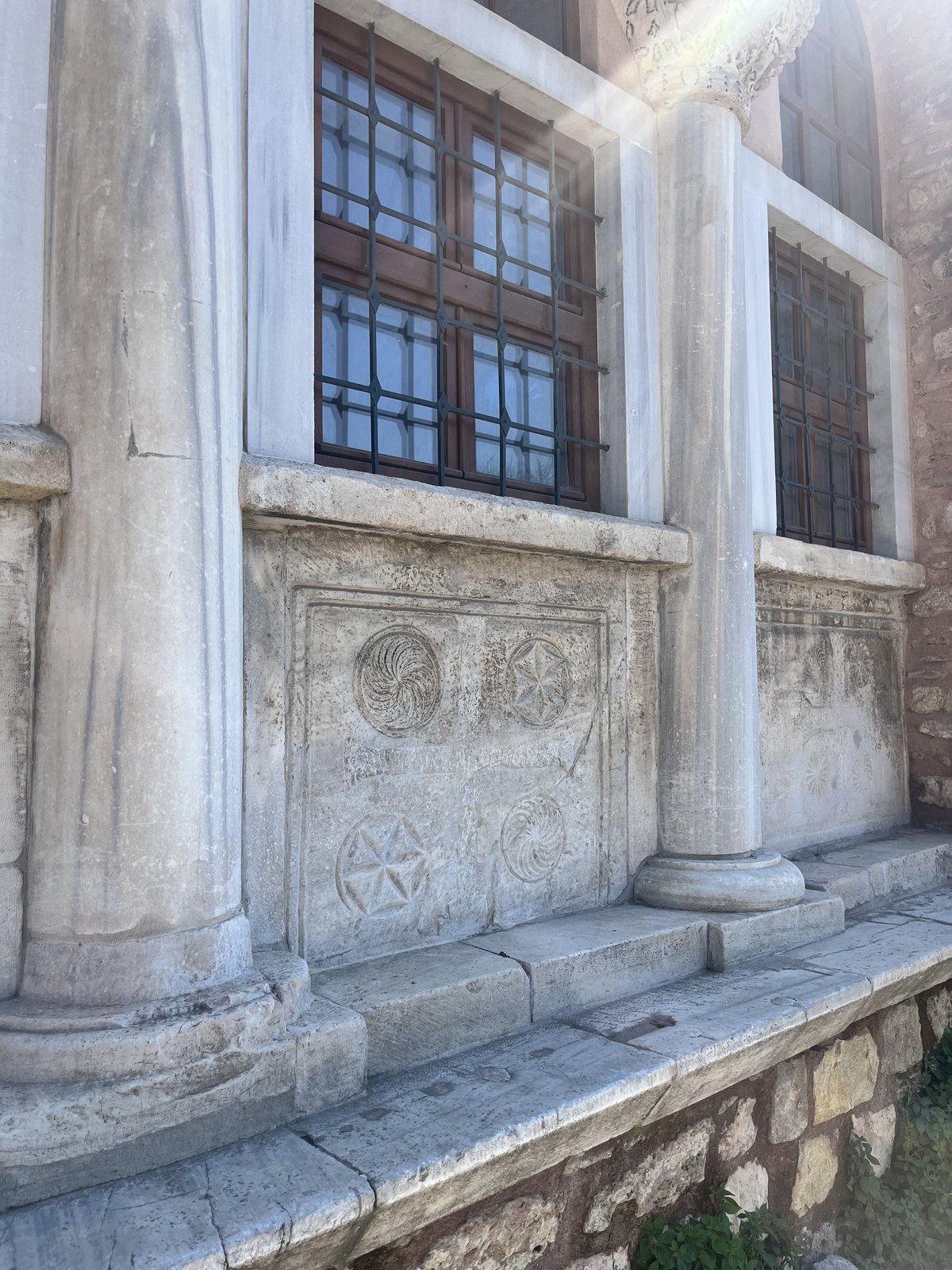
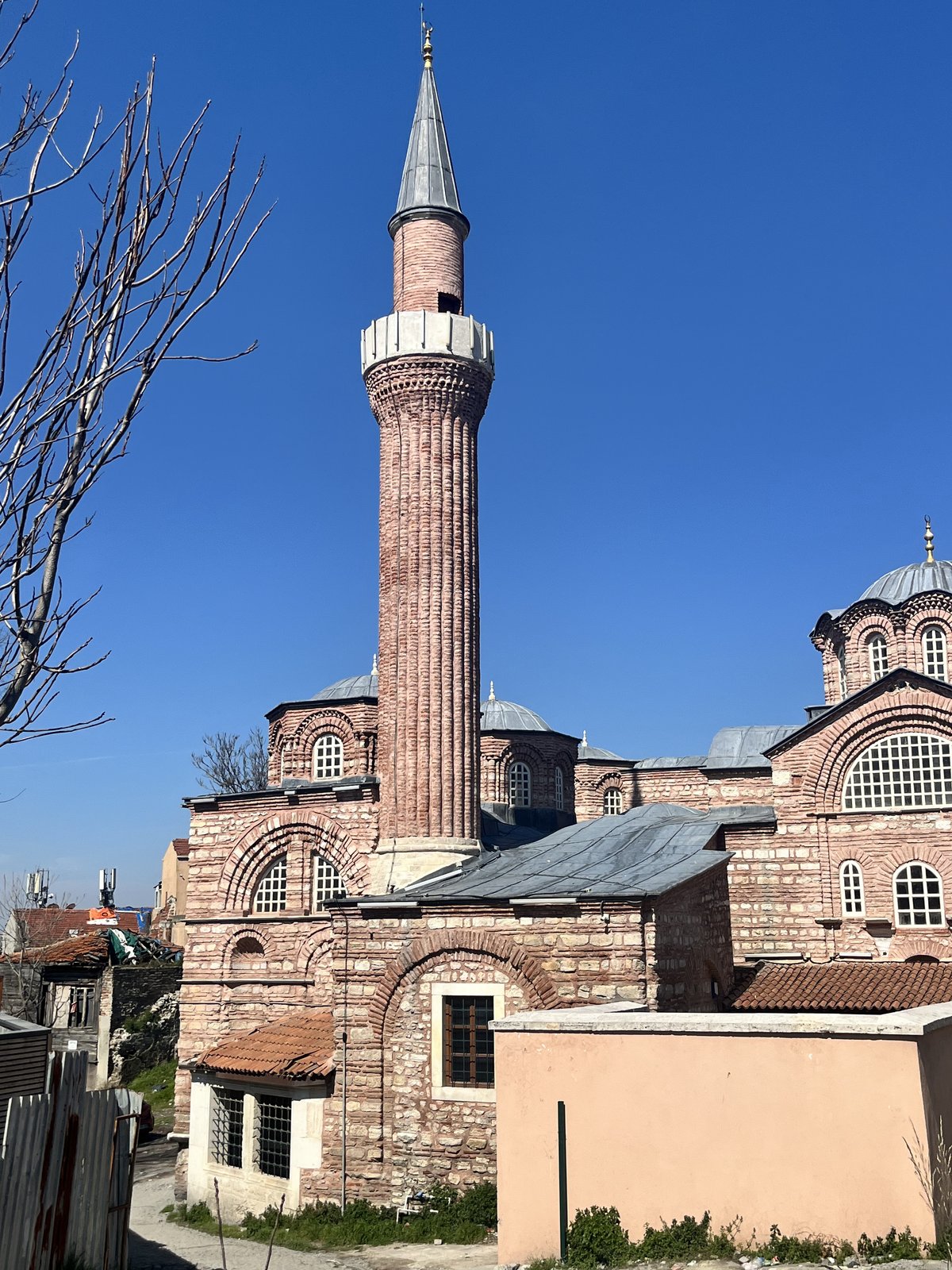
Early Foundations: Byzantium’s Origins and Strategic Importance
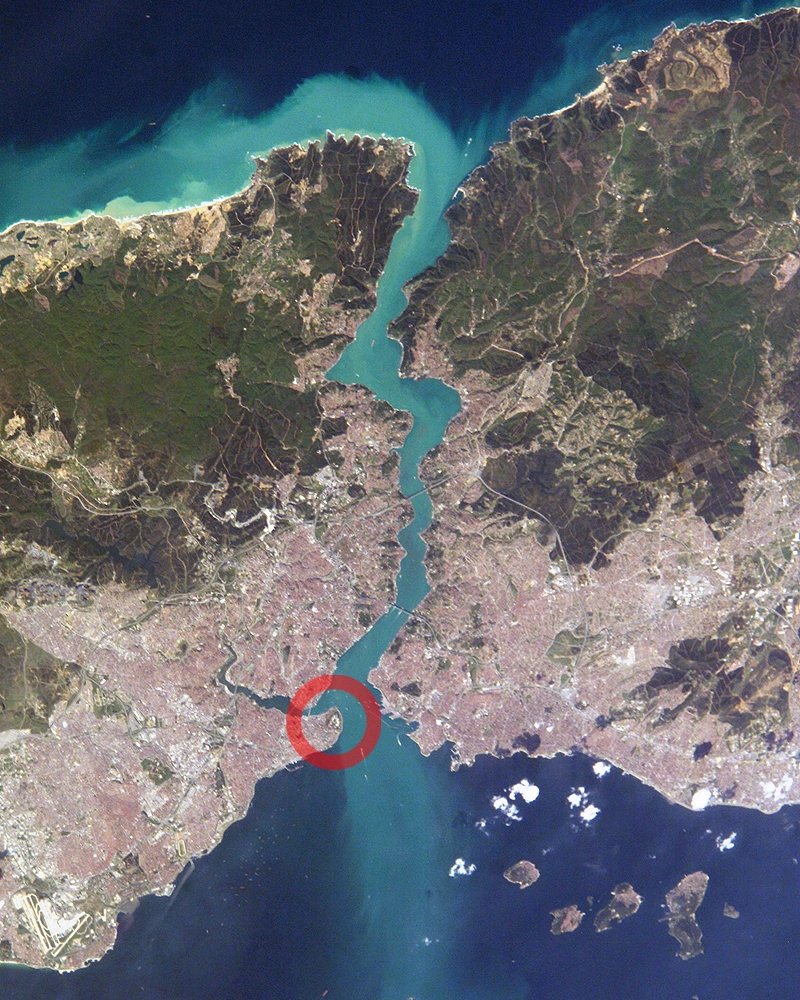
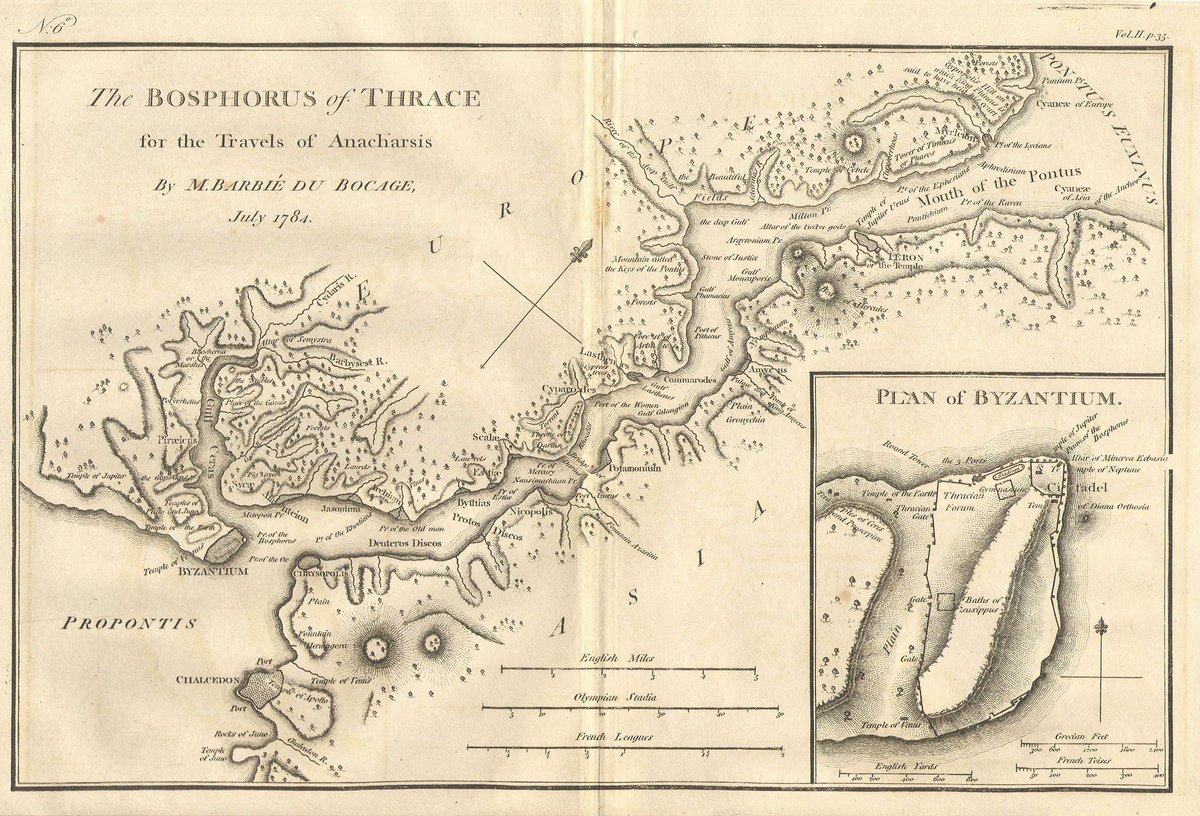
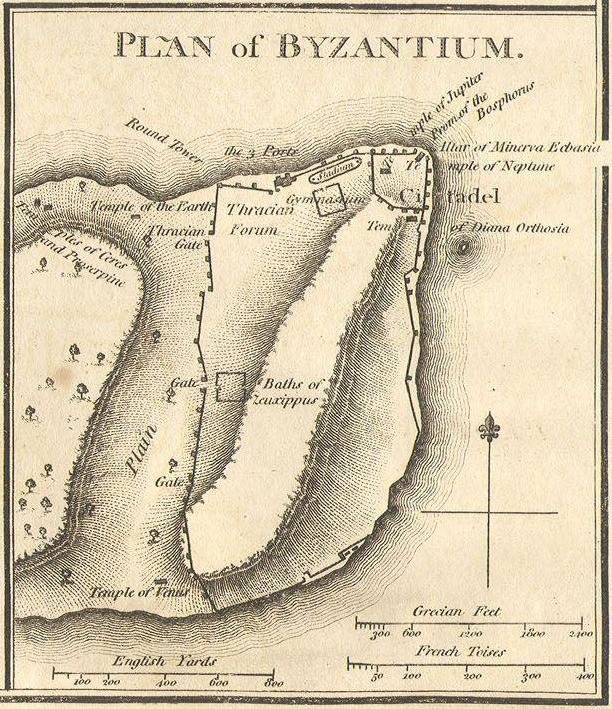
The settlement of Byzantium was established in 657 BCE by Greek colonists from Megara, strategically positioned on the Bosporus Strait (Greek City Times). This location made it a key hub for commerce and cultural exchange between Europe and Asia. Archaeological evidence points to even earlier habitation, but the Greek city’s foundation marked the beginning of its enduring significance (World History Journal). Byzantium grew rapidly, thriving on trade, maritime tolls, and agriculture, with religious traditions evolving from Greek polytheism to Christianity over the centuries.
Roman and Byzantine Transformation
Byzantium fell under Roman control in the 2nd century BCE. In 330 CE, Emperor Constantine I made the city the new imperial capital, renaming it Constantinople (Greek City Times). This marked the city’s transformation into the heart of the Byzantine Empire, characterized by monumental architecture such as the Theodosian Walls, the Hippodrome, and the innovative aqueduct system. The Hagia Sophia, constructed in the 6th century under Justinian I, stands as a crowning achievement of Byzantine architecture (National Geographic).
The Byzantine Golden Age and Legacy
During its zenith, the Byzantine Empire spanned from the Balkans to North Africa, acting as a bridge between East and West (National Geographic). Constantinople dazzled medieval visitors with its palaces, churches, and treasures. The infrastructure, including aqueducts and cisterns, supported a bustling metropolis. The Hippodrome was the center of public life, and the Chora Church’s mosaics remain celebrated examples of Byzantine artistry.
The Ottoman Conquest and Transformation
In 1453, Sultan Mehmed II’s conquest ended Byzantine rule, ushering in the Ottoman era (World History Journal). The city became Istanbul, the Ottoman capital. Many Byzantine structures were preserved and repurposed, such as the Hagia Sophia and Chora Church, while new landmarks like the Fatih Mosque were constructed. Istanbul flourished as a center of trade, religion, and arts, blending Byzantine and Islamic influences (National Geographic).
Modern Fatih: Layers of History
Today, Fatih encompasses much of the old Byzantine and Ottoman capital. The district is a living museum, with Roman, Byzantine, and Ottoman monuments visible throughout its neighborhoods. Modern Fatih includes:
- Hagia Sophia: A former basilica and mosque, now again an active mosque with world-renowned mosaics (Hagia Sophia official site).
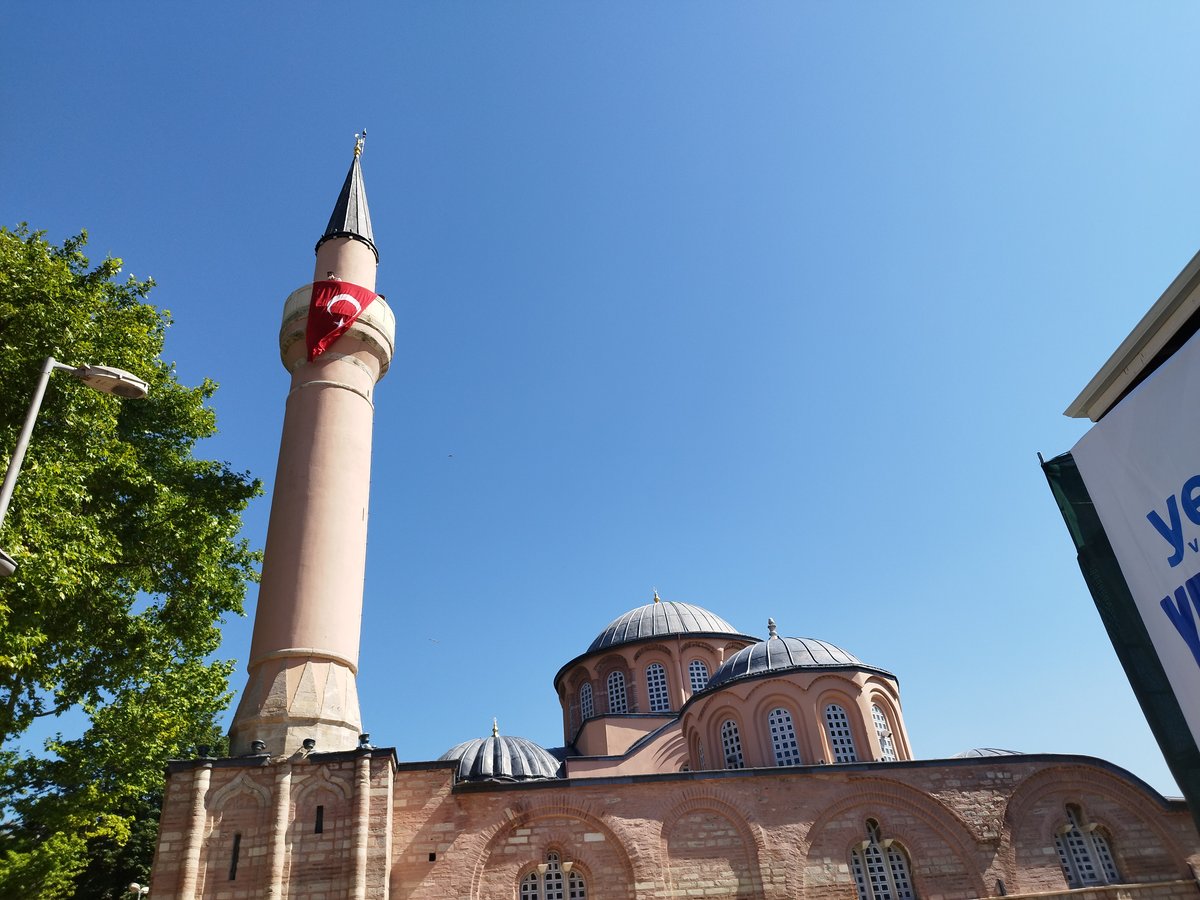
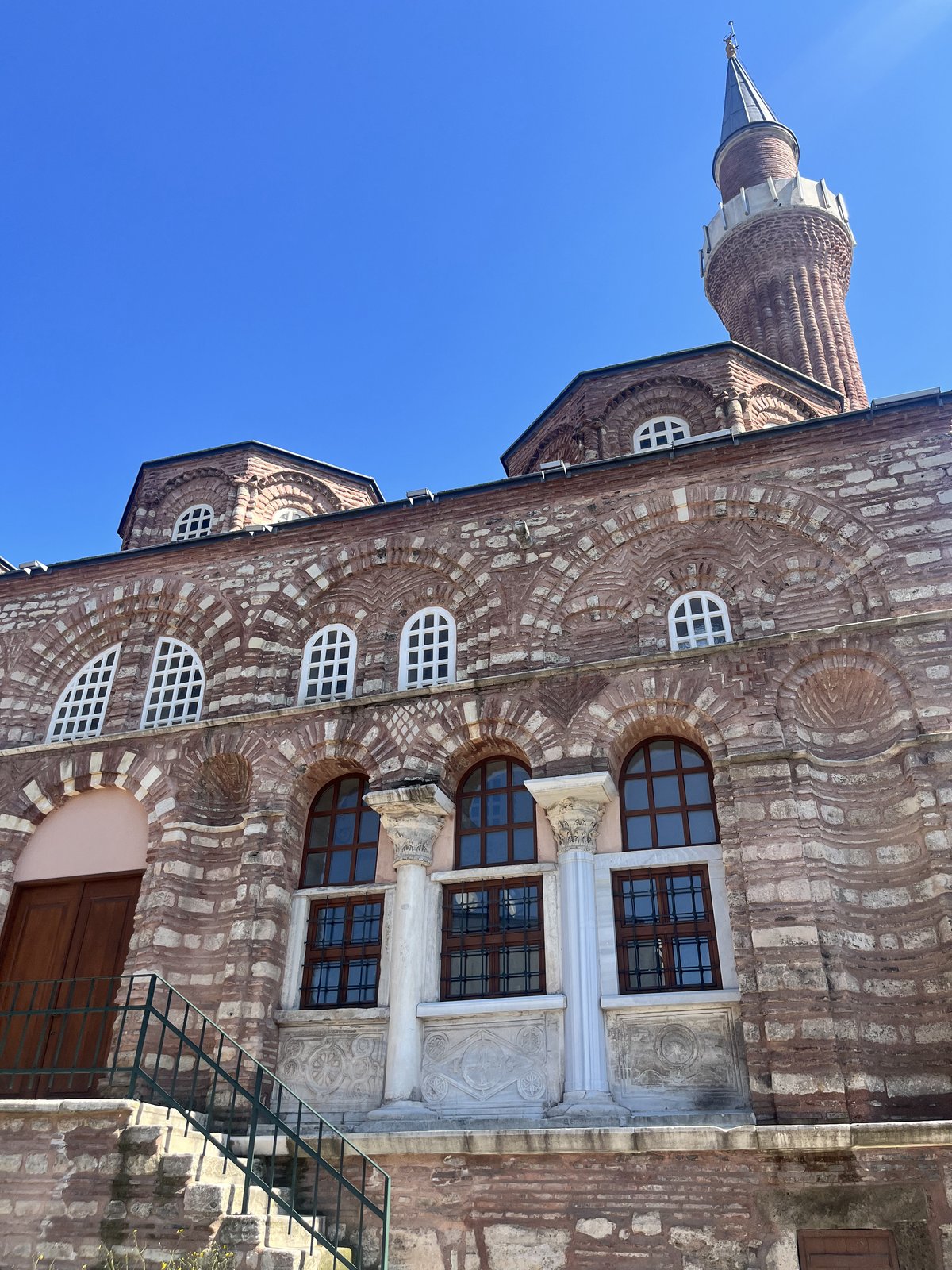
- Chora Church (Kariye Mosque): Renowned for its late Byzantine mosaics and frescoes.
- Theodosian Walls: Remains of the formidable defensive system.
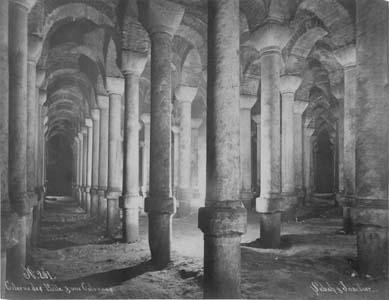
- Basilica Cistern: An underground marvel of Byzantine engineering (Basilica Cistern official site).
- Grand Bazaar: One of the world’s largest covered markets.
- Topkapı Palace: The seat of Ottoman sultans and home to imperial collections.
- Fatih Mosque: A monumental Ottoman complex.
- Hippodrome: Now Sultanahmet Square, still featuring ancient monuments.
Many Byzantine legacies are hidden beneath the Ottoman and modern layers, discoverable in unexpected places (National Geographic).
Must-See Historical Sites in Fatih, Istanbul
Hagia Sophia
- Visiting Hours: 9:00 AM – 7:00 PM (last entry at 6:00 PM)
- Tickets: Free entry (as a functioning mosque)
- Highlights: Massive dome, mosaics, and architectural innovation (Hagia Sophia official site)
Chora Church (Kariye Mosque)
- Visiting Hours: 9:00 AM – 5:00 PM (closed Mondays)
- Tickets: Approx. 100 TRY; check current status at entrance or online
- Highlights: Late Byzantine mosaics and frescoes
Topkapı Palace
- Visiting Hours: 9:00 AM – 6:45 PM (closed Tuesdays)
- Tickets: 320 TRY (includes Harem); available online and onsite
- Guided Tours: Available in multiple languages (Topkapı Palace official site)
Fatih Mosque
- Visiting Hours: Open during prayer times; check local schedules
- Tickets: Free
- Highlights: Ottoman religious architecture
Grand Bazaar
- Opening Hours: 9:00 AM – 7:00 PM (closed Sundays)
- Entry: Free
- Highlights: Over 4,000 shops in a vibrant, historic market
Basilica Cistern
- Visiting Hours: 9:00 AM – 5:30 PM
- Tickets: Approx. 30 TRY
- Highlights: Underground columns, Medusa heads (Basilica Cistern official site)
Hippodrome (Sultanahmet Square)
- Entry: Free, open at all hours
- Highlights: Ancient monuments such as the Obelisk of Theodosius and Serpent Column
Visiting Hours, Tickets, and Guided Tours
- Hagia Sophia: Open 9:00 AM – 7:00 PM; free entry, but closed during certain religious events.
- Chora Church: 9:00 AM – 5:00 PM, closed Mondays, approx. 100 TRY.
- Topkapı Palace: 9:00 AM – 6:45 PM, closed Tuesdays, 320 TRY.
- Basilica Cistern: 9:00 AM – 5:30 PM, approx. 30 TRY.
- Grand Bazaar: 9:00 AM – 7:00 PM, closed Sundays.
- Guided Tours: Strongly recommended for context and skip-the-line access. Many tours bundle multiple sites.
Tip: Buy tickets online for popular attractions to avoid queues. The Istanbul E-Pass can save time and money if visiting multiple sites.
Cultural Continuities and Modern Challenges
Fatih’s cuisine, traditions, and diverse religious life reflect both Byzantine and Ottoman influences. Culinary delights such as stuffed mussels and meyhane culture have Byzantine roots (National Geographic). The multicultural fabric is evident in neighborhoods like Balat and Fener, home to synagogues, churches, and mosques.
Modern challenges include urbanization, conservation needs, and earthquake risks. Ongoing restoration and preservation efforts are supported by both governmental and international bodies (World History Journal).
Practical Visitor Tips
- Best Time to Visit: Spring (April–June) and autumn (Sept–Nov) offer the best weather and fewer crowds.
- Getting Around: Walking is ideal, especially in Sultanahmet; trams and buses connect major sites.
- Dress Code: Modest attire is required at mosques; women should bring a scarf for head covering.
- Accessibility: Major sites have ramps, though cobblestone streets may be challenging.
- Safety: Fatih is generally safe, but stay alert for pickpockets in crowded areas.
- Money: Turkish Lira (TRY) is the currency; credit cards are widely accepted, but cash is useful in markets.
- Bargaining: Common in bazaars, but fixed prices are standard in restaurants and ticket offices.
- Language: Turkish is official, but English is widely spoken in tourist areas.
Frequently Asked Questions (FAQ)
Q: What are the visiting hours for Hagia Sophia?
A: 9:00 AM–7:00 PM, last entry at 6:00 PM. Free entry; may close during prayer times.
Q: How can I buy tickets for Topkapı Palace?
A: Purchase online or at the entrance. Online booking is advised, especially in peak season.
Q: Is Fatih accessible for visitors with mobility issues?
A: Major sites have ramps, but some areas are difficult due to historic architecture and cobblestones.
Q: Are guided tours available?
A: Yes, and highly recommended for deeper historical context and efficiency.
Q: Is Fatih safe for tourists?
A: Yes, especially in tourist zones and during the day. Exercise usual caution in crowds.
Listen to the full story in the app
The whole Byzantium,
told well.
Audio guides for 1,100+ cities across 96 countries. History, stories, and local insight — offline ready.
Verified, and shown.
Researched and written by the Audiala editorial team from historical records, architectural archives, and local expertise.
Researched from Wikidata, Wikipedia & official sources · fact-checked · How we make our guides →