Historical Background
Byzantine Origins and Early Function
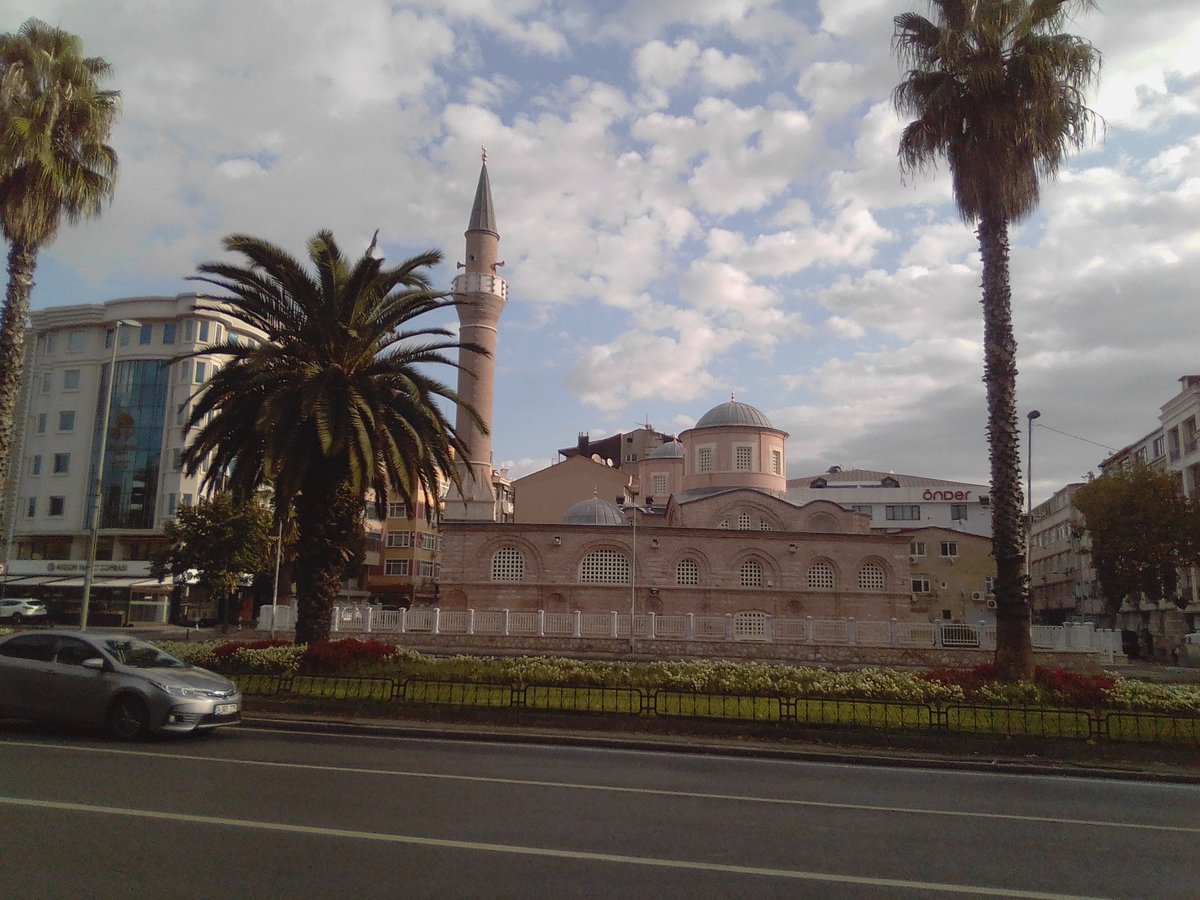
The structure that became the Balaban Aga Mosque likely originated as a mausoleum or funerary chapel in the Byzantine period, possibly between the 4th and 8th centuries CE. Its round plan and domed roof were typical of Byzantine funerary architecture, drawing parallels to structures such as the Mausoleum of Helena and Santa Costanza in Rome. The building may have been dedicated to a saint or an imperial family member, reflecting the religious practices of the time (Islamic Architecture Info).
Ottoman Transformation and Community Role
After the Ottoman conquest of Constantinople in 1453, many Byzantine structures were repurposed for Islamic worship. The mausoleum was converted into Balaban Aga Mosque in 1483, named after Balaban Ağa bin Abdullah, a Janissary officer responsible for its care. The conversion included the addition of a mihrab, minaret, and portico. The mosque became a center for the local Janissary community, serving as a place of worship and social gathering. Over the centuries, it underwent restoration after fires and urban changes, demonstrating the community’s commitment to preserving its religious sites.
Architectural Features and Conservation
The mosque’s architecture was notable for its nearly circular plan and domed roof—an uncommon feature among Istanbul’s mosques, highlighting its Byzantine origins. The adaptive reuse of the structure exemplified the blending of Byzantine and Ottoman styles. Key features included:
- Plan Round or nearly circular with a central dome.
- Mihrab and Minaret Added during the Ottoman period for Islamic worship.
- Materials Alternating brick and stone masonry, characteristic of late Byzantine construction.
Despite its modest size, the mosque’s layered history and unique form made it architecturally significant. After surviving multiple fires, the mosque was ultimately demolished in 1930 during urban development, and no remnants are visible today (The Byzantine Legacy).
Location and Accessibility
Historical Site
The Balaban Aga Mosque was located in the Balabanağa neighborhood of Istanbul’s Fatih district, specifically along what is now Harikazadeler Sokağı, near the intersection with Çilingirler Caddesi and Zincirlikuyu Sokağı. Today, the site is occupied by modern buildings, but the neighborhood retains its historic character and name (Wikipedia).
Getting There
- Tram T1 line, Laleli-Üniversite stop (short walk to Harikazadeler Sokağı)
- Metro M2 line, Vezneciler station
- Bus Multiple routes along Ordu Caddesi
- On Foot The Old City is walkable and ideal for exploring nearby attractions
The neighborhood is accessible and pedestrian-friendly, though some streets may be narrow or uneven due to the area’s historic nature.
Visitor Information
Current Status and Visiting the Site
The Balaban Aga Mosque no longer exists; it was demolished in 1930. However, visitors may explore the historic Balabanağa neighborhood where the mosque once stood. There are no entrance fees, tickets, or formal visiting hours for the site, as it is part of the public urban area.
Practical Tips and Accessibility
- Accessibility Streets are paved and generally flat, but some may be narrow or uneven.
- Dress Code For nearby mosques, dress modestly; women should bring headscarves.
- Photography Allowed in public spaces; ask for permission inside mosques.
- Safety The area is generally safe, but remain aware of your belongings in crowded places.
- Best Time to Visit Spring and autumn for comfortable weather; mornings and late afternoons are ideal for exploring.
Nearby Attractions
Enhance your experience by visiting these notable sites in the Fatih district and beyond:
- Grand Bazaar (Kapalıçarşı) One of the world’s largest covered markets.
- Süleymaniye Mosque An Ottoman architectural masterpiece by Mimar Sinan.
- Beyazıt Square and Beyazıt Mosque Central public square with historic significance.
- Laleli Mosque Notable for its Ottoman Baroque style.
- Istanbul University Historic campus adjacent to Beyazıt Square.
- Sultanahmet District Includes Hagia Sophia, Blue Mosque, and Basilica Cistern.
- Balat & Fener Colorful neighborhoods with a multicultural legacy.
- Topkapı Palace Former sultan’s residence, now a museum.
- Istanbul Archaeology Museums Featuring extensive ancient collections.
- Spice Bazaar Historic market for spices and local delicacies.
Guided Tours and Enhancing Your Visit
While no specific tours focus solely on the Balaban Aga Mosque site, many guided walking tours in Fatih and the Old City include the area’s rich history. Apps such as Audiala provide audio guides and interactive maps for independent exploration. For a deeper understanding, join a local tour or use digital resources to enrich your visit.
Frequently Asked Questions (FAQ)
Q: Is the Balaban Aga Mosque still standing?
A: No, it was demolished in 1930. Only the site and neighborhood remain accessible.
Q: Are there visiting hours or entrance fees for the mosque?
A: No, the former site is part of the public area and can be visited at any time.
Q: How do I reach the Balaban Aga Mosque site?
A: Take the T1 tram to Laleli-Üniversite or the M2 metro to Vezneciler, then walk.
Q: Are there guided tours about the mosque?
A: Some historical walking tours in Fatih discuss the area and its layered history.
Q: What else can I see nearby?
A: The Grand Bazaar, Süleymaniye Mosque, Sultanahmet landmarks, and more.
Summary and Travel Tips
The Balaban Aga Mosque, though no longer extant, embodies the confluence of Byzantine and Ottoman heritage in Istanbul. Its story enriches the traveler’s appreciation for the city’s multifaceted past. Visiting the Balabanağa neighborhood offers a gateway to explore nearby historic sites, vibrant markets, and diverse architectural styles. Utilize public transport for easy access, dress modestly for mosque visits, and consider downloading the Audiala app for guides and maps. For the latest visitor information and tips, refer to Islamic Architecture Info and Istanbul Tips.