Place
Turkey Updated Apr 2026
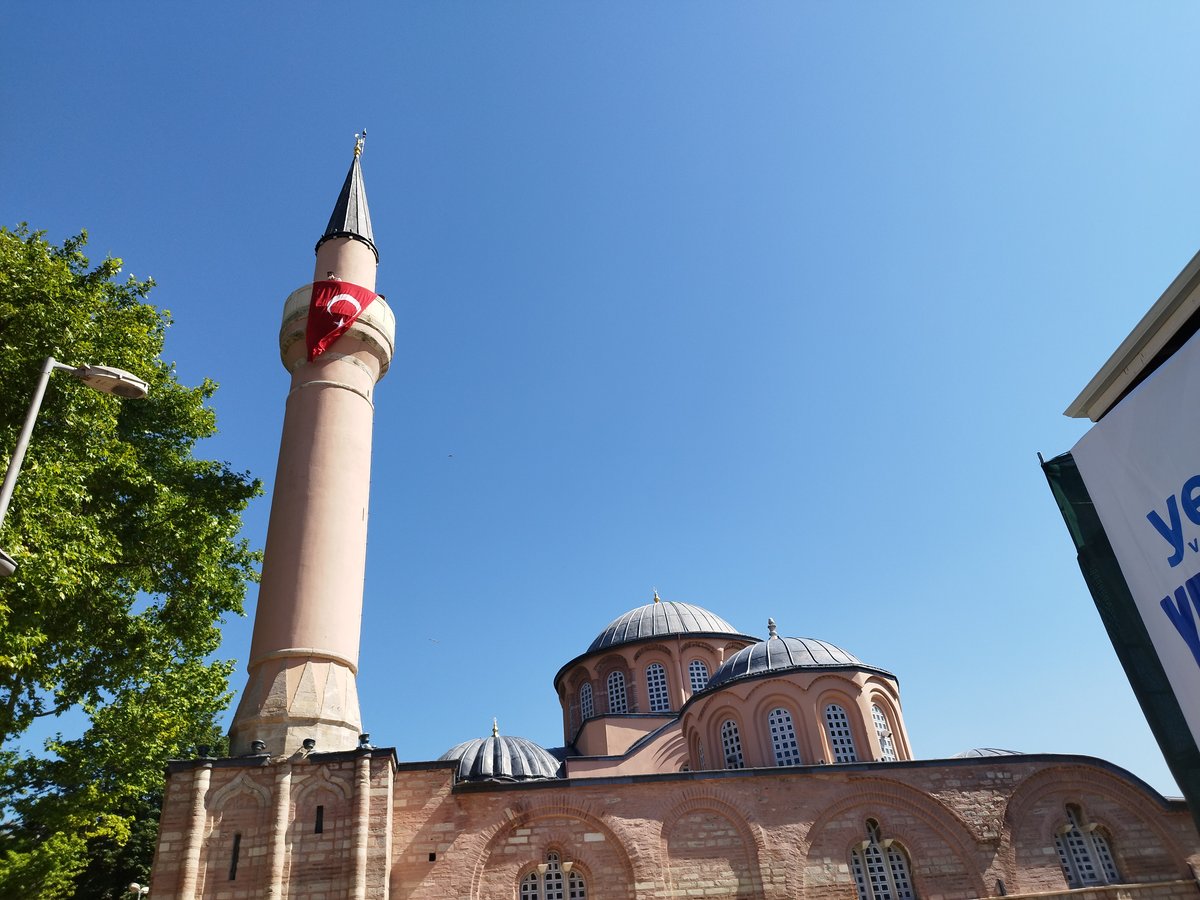
The call to prayer from Süleymaniye Mosque rolls across the Golden Horn at dusk and you suddenly realize the stones under your feet have heard it for five hundred years. Fatih is the layered heart of Istanbul, where a single street might pass a sixth-century cistern, a fifteenth-century Ottoman madrasa, and a corner shop selling simit to men heading for evening prayer. Most visitors touch only the Sultanahmet edges. Spend longer here and the city stops performing and starts revealing itself.
 Photo: Abdurahman Yarichev / Pexels
Built from cited sources · see the method · How we make our guides →
This is the old imperial peninsula inside the Byzantine land walls. Hagia Sophia still shifts the air the moment you step inside; the light feels heavier, the echoes slower. Across the square the Blue Mosque answers with its six minarets, yet the real atmosphere lives elsewhere. In the courtyards of lesser-known mosques the carpets smell of wool and incense, and the only sounds are pigeons and the distant clink of tea glasses.
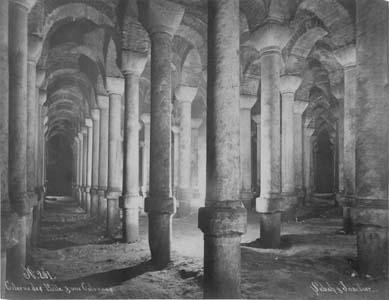
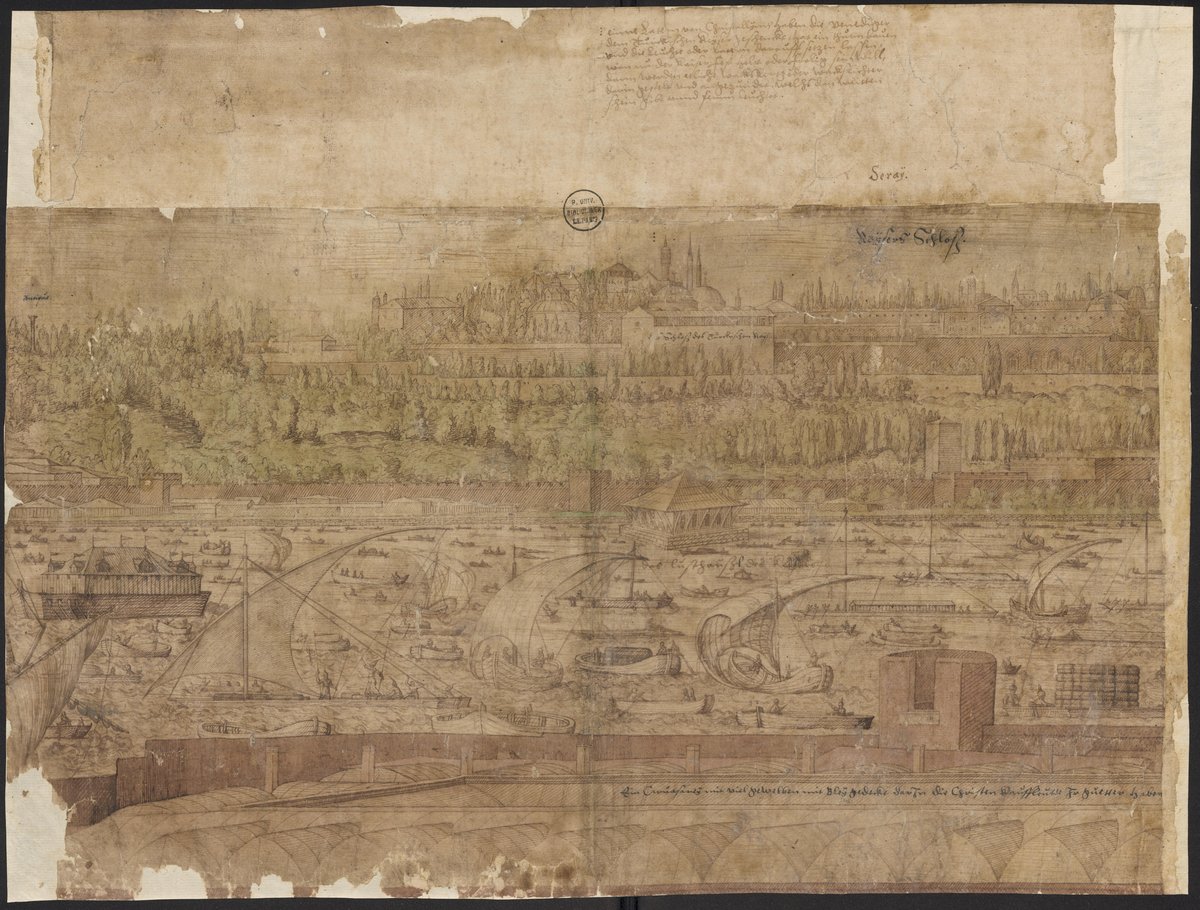
Ottoman sultans, Byzantine emperors, and waves of migrants have all left their marks. You can stand on the terrace behind Süleymaniye and watch the Golden Horn curve away exactly as travelers saw it in 1550. Or descend into the Basilica Cistern where the water still laps at the feet of Medusa. Every corner seems to argue with the one before it about who really owns these streets.
The appeal is less about perfection than about honest collision. Conservative neighborhoods sit beside hip cafés that appeared last season. A vendor roasts chestnuts beside a Roman column while ferry horns compete with the adhan. Stay long enough and the contradictions stop feeling chaotic. They start to feel like the actual texture of a city that has refused to pick a single century and stick with it.
Not every monument, just the ones we'd walk you past ourselves.

Where to wander, by quarter — each with its own rhythm.
Before you go
Curated from places in this city. Same price as official sites.


Prices shown are indicative — final pricing and availability are confirmed at checkout. Audiala may receive a commission from bookings made via these links.
From Byzantine capital to the beating heart of Ottoman Istanbul
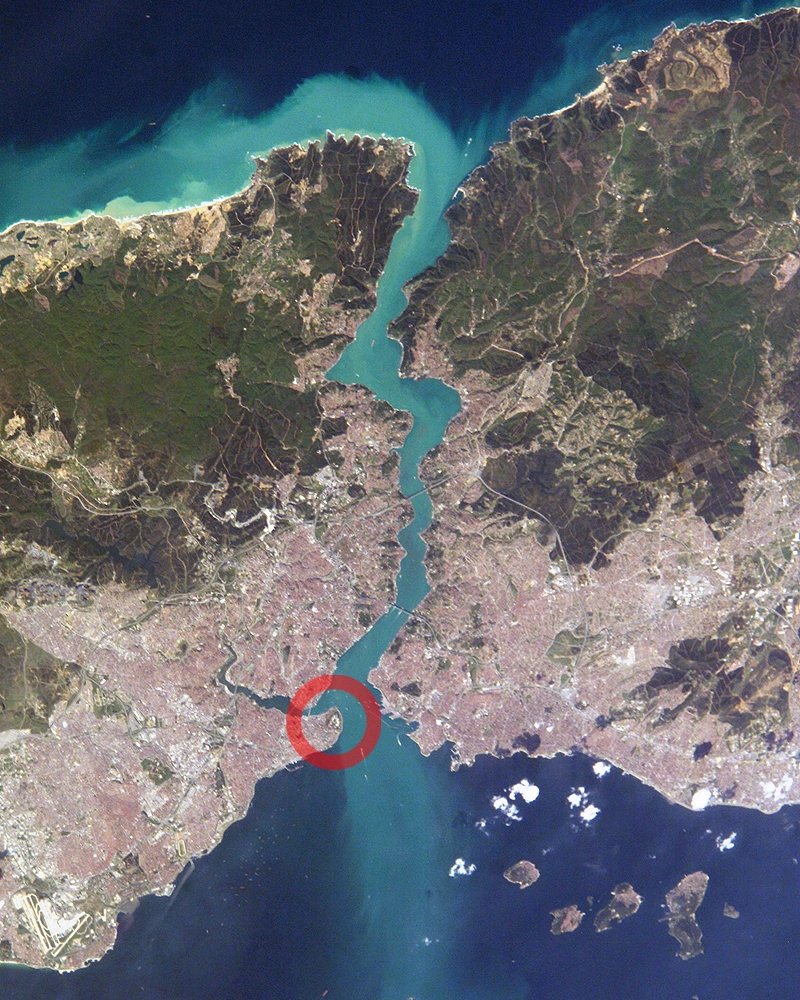
Greek settlers from Megara established Byzantium on the European shore. They chose the spot for its natural harbor and commanding view over the Bosphorus. The small colony would one day become the center of two world empires. The walls they raised still echo under later layers of stone.
Emperor Constantine moved the Roman capital east and renamed the city Constantinople. He expanded the walls, built forums, and laid the groundwork for Hagia Sophia. Within decades the population exploded from tens of thousands to hundreds of thousands. The decision changed the course of European history.
Justinian I watched as the greatest dome in the world was placed atop Hagia Sophia. The building rose 55 meters with no interior columns to block the view. Light poured through windows high above, turning the interior into a floating space of gold and marble. For nearly a thousand years it remained the largest cathedral on earth.
Venetian and Frankish knights breached the sea walls during the Fourth Crusade. They burned, looted, and installed a Latin emperor. The great bronze horses from the Hippodrome were shipped to Venice. The city never fully recovered its former wealth.
Michael VIII Palaiologos slipped his troops through a forgotten gate at dawn. The Latin emperor fled before breakfast. Byzantine rule returned, but the empire was now a shadow of its former self, hemmed in by rising Ottoman power.
Twenty-one-year-old Sultan Mehmed II dragged ships overland into the Golden Horn to bypass the chain. On 29 May his troops poured through a breached section of the Theodosian Walls near modern Topkapı. The last Byzantine emperor died fighting in the streets. The city became Ottoman capital the same day.
Mehmed ordered a vast mosque complex built on the site of the ruined Church of the Holy Apostles. The complex included madrasas, a hospital, and soup kitchen serving hundreds daily. When completed in 1470 it announced the new Islamic order from the city's highest hill. Mehmed is buried in the tomb behind it.
Mehmed moved the imperial court into the new palace overlooking the Bosphorus and Sea of Marmara. Unlike earlier Islamic palaces it had no single dominant building but a series of courtyards and kiosks. The harem and treasury would grow here for four centuries. Its kitchens could feed four thousand people at once.
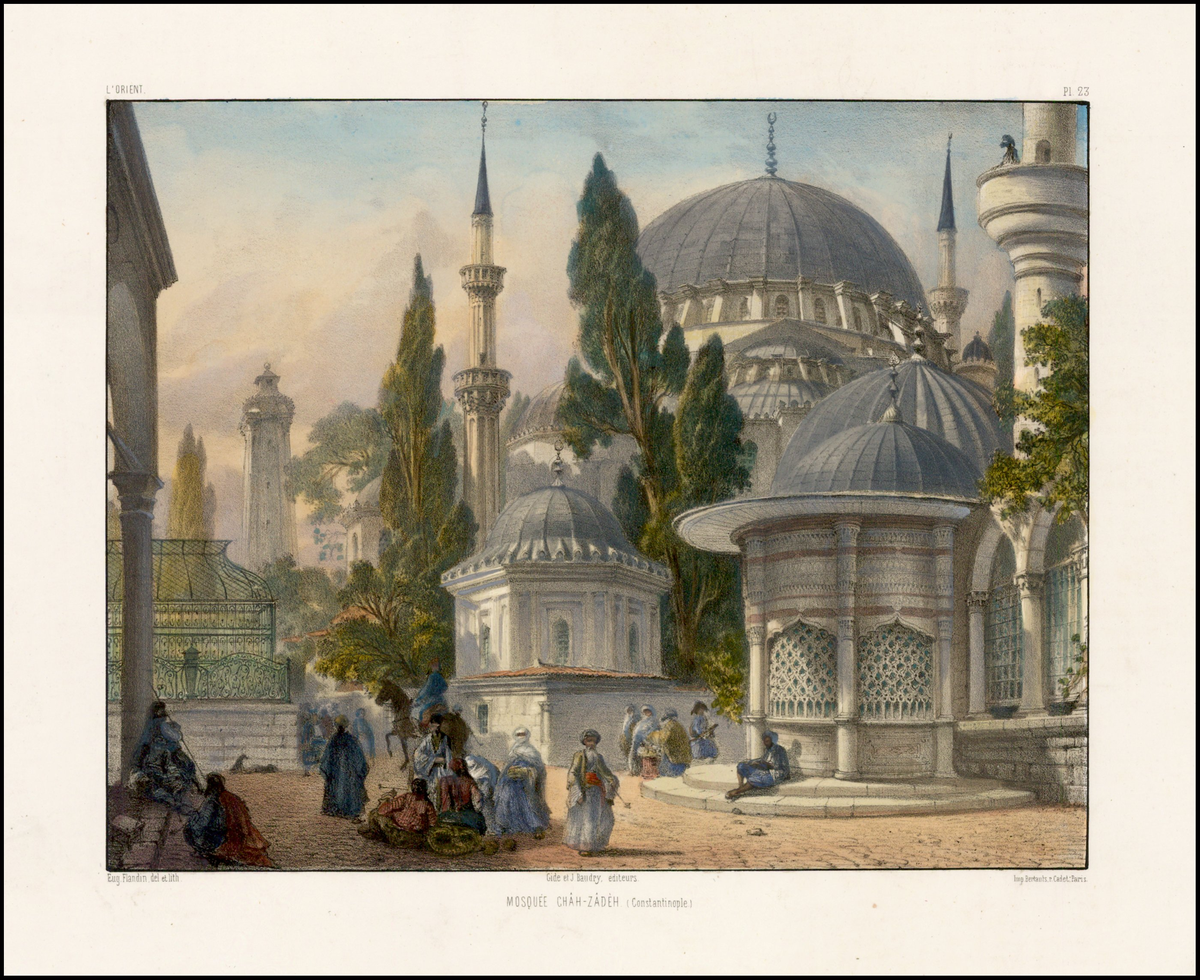
Süleyman the Magnificent hired Sinan to create his masterpiece on the third hill. The mosque took seven years and employed thousands of craftsmen. Its dome measures 53 meters high and 26 meters across. From its courtyard the call to prayer still carries across the Golden Horn at sunset.
The future master of Ottoman classical music entered the world in the Şehzadebaşı neighborhood. He would compose nearly five hundred works, perfect the Mevlevi ayin, and transform the ney flute's role in court music. His compositions still echo in the tekke lodges of Fatih.
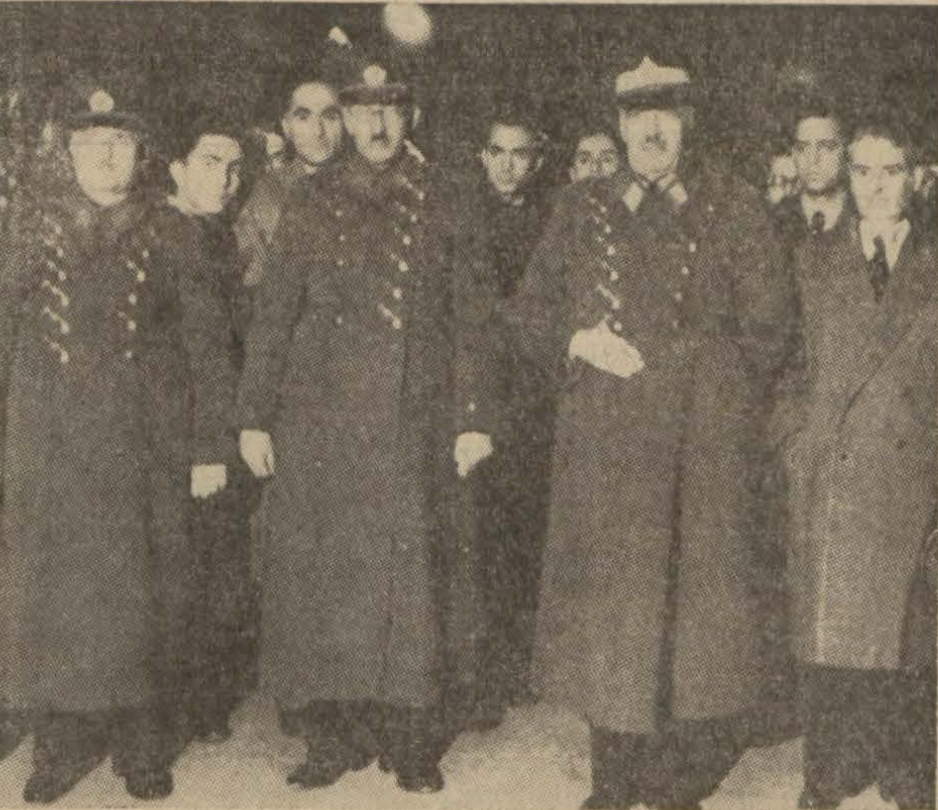
Mahmud II ordered the violent dissolution of the Janissary corps after they revolted against military reform. Barracks in Fatih and Etmeydanı were shelled by loyal artillery. The event cleared the way for a modern army but left thousands dead in the streets. The smell of gunpowder lingered for days.
The Orthodox seat in Fener rose again after the 1821 fire. Its modest exterior hides a rich interior of gilded icons and mother-of-pearl inlay. The building has survived multiple fires and remains the spiritual home of 300 million Orthodox Christians despite its tiny congregation inside Turkey.
British, French, and Italian troops marched into Istanbul after the Ottoman defeat. They occupied key buildings across Fatih while the sultan remained a virtual prisoner in Yıldız. The occupation lasted until 1923 and fueled the Turkish nationalist movement gathering in Anatolia.
Mustafa Kemal abolished the sultanate and moved the capital to Ankara. The great palaces and mosques of Fatih suddenly belonged to a secular republic. Many Ottoman elites fled while the call to prayer continued five times daily. The city quietly adjusted to life without an emperor.
Atatürk signed the decree converting the building into a museum. The carpets were rolled back, revealing the marble floors beneath. Byzantine mosaics long hidden under plaster began to reappear. For eighty-six years visitors walked between two faiths frozen in stone.
The future comedian arrived in a working-class Fatih neighborhood. His sharp observations on Turkish life, religion, and masculinity would later fill stadiums across the country. The district's layered contradictions provided perfect material for a lifetime of stage material.
A future national football hero entered the world in Fatih. The street kid from the old city would captain the Turkish national team and become the first Turk to play for Barcelona. His success carried the dreams of countless boys still kicking balls against 500-year-old walls.
President Erdoğan announced the conversion back to a working mosque in July. The first Friday prayer drew thousands who lined up before dawn. Byzantine mosaics were covered with curtains during prayer times. The building once again hears both the call to prayer and the footsteps of tourists.
Ottoman Sultan · 1432–1481
District named after him; buried here
In 1453 he rode through the shattered Theodosian walls and declared Constantinople his capital. He tore down the Church of the Holy Apostles and raised the Fatih Mosque complex where his tomb still sits. One wonders if the 21-year-old conqueror would recognise the tourist queues now snaking past his own mausoleum.
Composer · 1778–1846
Born in Şehzadebaşı, Fatih
Born in the wooden houses behind the Şehzade Mosque, he composed nearly 500 works that still echo in Sufi lodges. Locals say the ney’s sound he perfected can still be heard drifting from Zeyrek on certain evenings. He left Fatih for Mecca and never returned.
Footballer · born 1987
Born in Fatih
The kid from Fatih’s backstreets became the first Turk to play for Barcelona. On summer nights the neighbourhood still fills with the sound of kids kicking balls against the same walls he once used. His success remains the local answer to every argument about talent and postcode.
Comedian and actor · born 1973
Born in Fatih
Before the sold-out arenas, Cem grew up watching the same call to prayer that still interrupts outdoor screenings in Fatih every evening. His deadpan delivery of Ottoman history jokes lands differently when you hear them a few streets from where the events actually happened.
Where locals actually book dinner — not the tourist menus.
Small things that change how the city treats you.
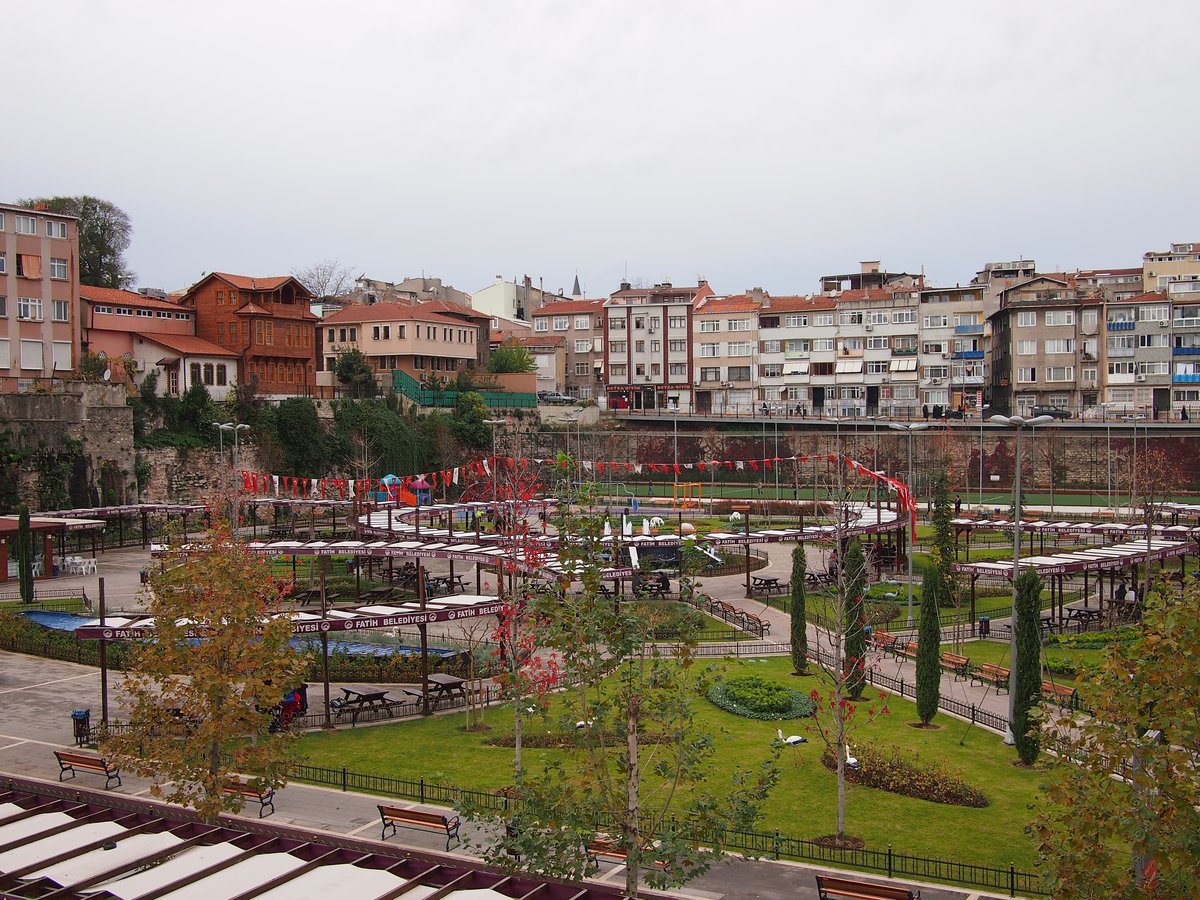
The city, as it actually looks.

Yes, Fatih contains the single densest concentration of layered history in Istanbul. One square kilometre holds Hagia Sophia, the Blue Mosque, Topkapı Palace, the Hippodrome, and the Süleymaniye Mosque. The area rewards two full days even if you never cross the Golden Horn.
Three days lets you see the Sultanahmet cluster without rushing, add the Archaeological Museums, and still walk the quieter Zeyrek and Süleymaniye quarters. Two days is possible if you only want the greatest hits. Four days gives breathing room for the bazaars and Golden Horn viewpoints.
The Havaist HVIST-12 bus runs every 30 minutes directly to Aksaray for about €5 and takes 70–90 minutes. The M11 metro plus two transfers costs €1.5–4 but needs 90–120 minutes with luggage. A taxi is €20–25 but subject to traffic.
Fatih is generally safe by big-city standards. Watch for the shoe-shine and carpet tout scams around Sultanahmet and pickpockets on the crowded T1 tram. Residential areas are conservative but low-risk if you dress modestly near mosques.
Yes, entry remains free as an active mosque. Tourist visiting hours are separate from prayer times and require modest dress. The Basilica Cistern and Topkapı Palace still charge separate tickets.
Buy it if you plan to visit Topkapı Palace including the Harem, the Archaeological Museums, and at least one other covered site. The 5-day pass costs roughly €65 and includes skip-the-line access. It does not cover Hagia Sophia or the Blue Mosque.
74 places to discover



Showing 1–48 of 74 places
Saved and recently read places — kept on this device only.
Photos may have been resized or cropped.