Plan and listen to Tubitak National Observatory with Audiala.
Audio guide in your pocket, itinerary in your browser. Built for the way you actually visit.
Introduction to TÜBİTAK National Observatory Antalya
Perched atop Bakırtepe Mountain in the Taurus range near Antalya, the TÜBİTAK National Observatory (TUG) is Turkey’s leading astronomical research and public engagement center. Established in 1997 under the Scientific and Technological Research Council of Turkey (TÜBİTAK), the observatory is a testament to the nation’s commitment to scientific advancement and fostering public interest in space science (TÜBİTAK official site). Its location, at approximately 2,450–2,500 meters elevation, offers exceptional atmospheric clarity, minimal light pollution, and low humidity—optimal for both professional research and public sky observation (TUG About Us).
The observatory houses an array of high-tech telescopes, including the flagship 1.5-meter RTT150 (developed with Russian partners), the automated T100 1-meter telescope, and others. These enable advanced astronomical research and support public outreach through guided tours, educational workshops, and the annual Sky Observation Festival, attracting thousands of visitors (TÜBİTAK Sky Observation Event). Access to the observatory is mostly via private vehicle or organized shuttles, as public transit does not reach Bakırtepe Mountain.
Surrounded by Antalya’s historical and natural wonders—such as Perge, Aspendos, the Düden Waterfalls, and Saklıkent Gorge—TUG is not only a scientific hub but also a gateway to the region’s rich heritage (Trek Zone). This guide provides comprehensive details on visiting hours, ticketing, facilities, accessibility, and travel tips for a memorable experience at TÜBİTAK National Observatory.
Origins and Establishment
TÜBİTAK National Observatory was founded to elevate Turkey's capacity in astronomical research while nurturing public curiosity about the universe. Operated under TÜBİTAK, the observatory officially opened on September 5, 1997, following the installation of its first telescope, a 40 cm aperture model (T40) (TÜBİTAK official site). The site was chosen for its excellent observational conditions, including clear skies and low light pollution (TUG About Us).
Development of Infrastructure & Telescopes
Since inception, TUG has expanded its facilities to include significant telescopes:
- RTT150: 1.5-meter optical telescope, Turkey's largest, developed with Russian scientific institutes.
- T100: Fully automated 1-meter reflecting telescope.
- T60: 60 cm telescope for a variety of research projects.
- ROTSE III-d: 45 cm robotic telescope, part of an international network for transient astronomy.
These instruments enable national and international research, making TUG an essential node for continuous sky monitoring.
Visiting Hours and Ticket Information
- Visiting Hours: Typically open for public visits from 9:00 AM to 5:00 PM on weekdays. Special night events, such as the Sky Observation Festival, are held periodically.
- Tickets & Registration: Entry is free during regular hours, but special events require advance registration due to capacity and security limits (Visitor Information). Early online registration is highly recommended.
How to Get There
The observatory is about 50 km west-southwest of Antalya city, accessible by car via the Saklıkent area. The final approach includes winding mountain roads; parking is available on-site. Public transport is not available, so visitors should rent a car or join an organized shuttle (Trek Zone).
Accessibility
While main visitor areas are designed for accessibility, the mountainous terrain and some telescope domes may pose challenges for those with mobility issues. Contact the observatory in advance to discuss specific needs.
Nearby Attractions
Combine your visit with excursions to:
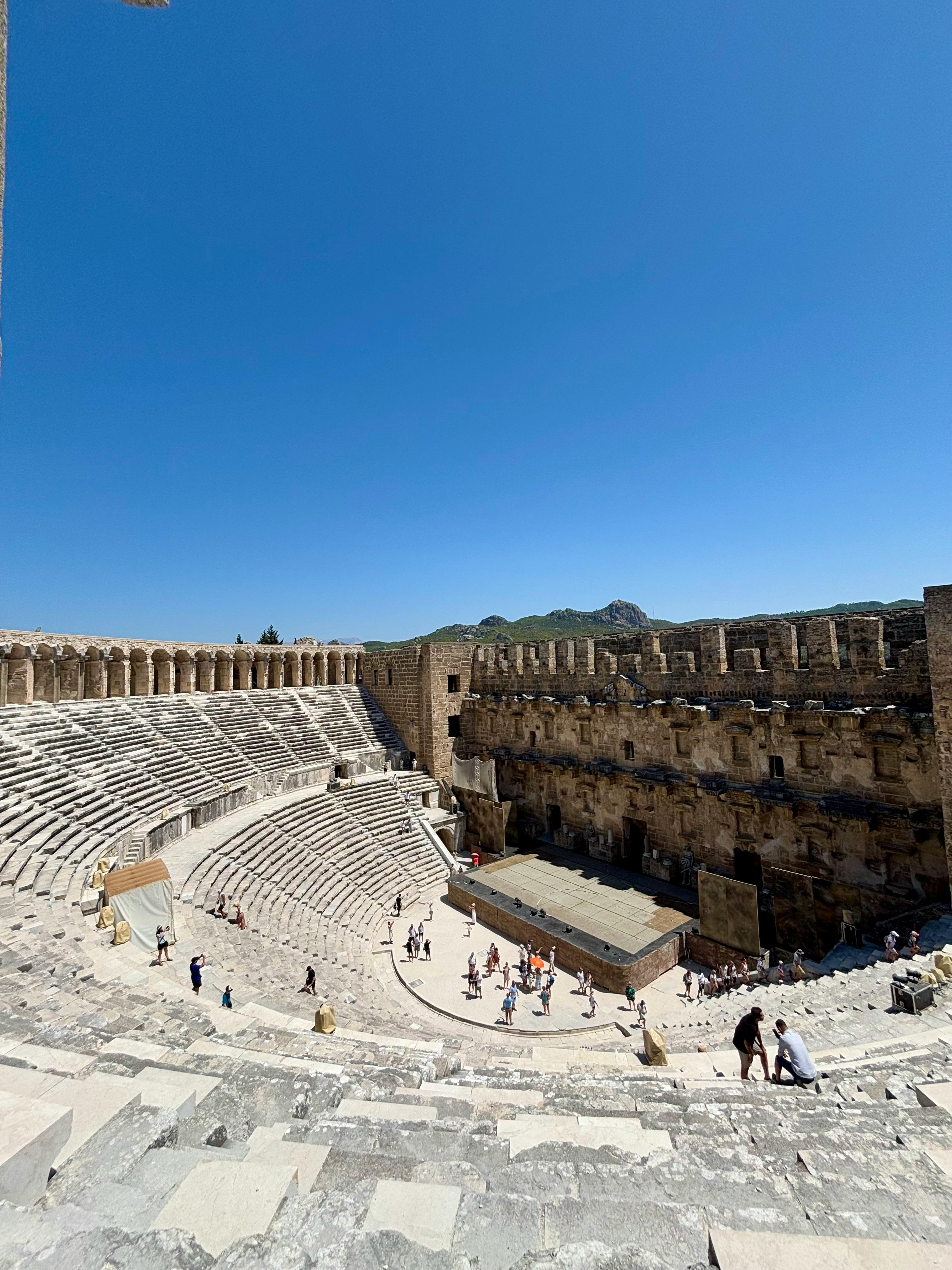
- Perge and Aspendos: Ancient ruins and amphitheaters.
- Düden Waterfalls: Scenic natural sites.
- Saklıkent Gorge: Mountain trekking and winter sports.
- Antalya Old Town and Beaches: Mediterranean culture and history.
Public Engagement and Educational Impact
TUG fosters public interest in astronomy through its annual Sky Observation Festival, educational workshops, and regular guided tours. These programs reach thousands of participants and contribute to science literacy nationwide (TÜBİTAK Sky Observation Event).
Frequently Asked Questions (FAQ)
Q: What are the visiting hours?
A: Regular hours are 9:00 AM–5:00 PM on weekdays. Special evening events are scheduled throughout the year.
Q: Is there an entrance fee?
A: Regular visits are free; special events require registration.
Q: How do I book a tour?
A: Register online or contact the Visitor Center in advance (Visitor Information).
Q: Is the site accessible for wheelchairs?
A: Main areas are accessible, but some domes and paths are challenging due to terrain.
Q: Are accommodations available on-site?
A: Limited guesthouse rooms are reserved for scientists; visitors should stay in Antalya or Saklıkent.
Ongoing Evolution and Future Prospects
TUG is continually updating its infrastructure, adding new robotic telescopes and expanding its outreach programs. Its role in Turkey's national space strategy highlights its growing significance.
Observatory Campus & Visitor Facilities
- Location: Bakırlıtepe, 2,500 meters above sea level, 50 km from Antalya (TUG official site).
- Visitor Center: Exhibition hall, auditorium (100 seats), cafeteria with mountain views, gift shop, and restrooms.
- Amenities: Modern, accessible restrooms; outdoor tents and extra seating for large events (TUG Events).
- Accommodation: Primarily for staff/scientists. Tourists should book in Antalya or Saklıkent.
- Security: Advance registration and ID required; guided tours are mandatory.
Telescopes and Scientific Infrastructure
- RTT150: 1.5m Ritchey-Chrétien, f/8, advanced CCD/spectrograph (RTT150 details).
- T100: 1.0m, f/8, equatorial mount (T100 technical info).
- ROTSE-III-d: 0.45m, robotic wide-field transient search (ROTSE-IIID project).
- YT40: 0.4m, educational/outreach (YT40 details).
- Instrumentation: High-res CCDs, spectrographs, remote operation, dedicated data center (TUG Research Infrastructure).
Environmental and Technical Considerations
- Light Pollution: Strictly minimized by shielded lighting (International Dark-Sky Association).
- Power: Redundant systems and backup generators.
- Weather: On-site meteorological station for real-time data.
On-Site Experience
During events, visitors enjoy:
- Daytime Solar Viewing: Safe solar telescope observations.
- Night Sky Viewing: Deep-sky objects through major telescopes.
- Seminars/Workshops: Astronomy lectures and hands-on science activities.
- Facilities: Observation domes, temporary tents, and science booths.
Practical Tips for Visitors
- Dress for cold, variable mountain weather—even in summer.
- Wear sturdy shoes; terrain is rugged.
- Bring snacks, water, sunscreen, and sunglasses.
- Book well in advance for special events.
- Limited food services—plan accordingly.
Listen to the full story in the app
The whole Tubitak National Observatory,
told well.
Audio guides for 1,100+ cities across 96 countries. History, stories, and local insight — offline ready.

Verified, and shown.
Researched and written by the Audiala editorial team from historical records, architectural archives, and local expertise.
Researched from Wikidata, Wikipedia & official sources · fact-checked · How we make our guides →