An introduction.
Researched by the Audiala editorial team from historical records, architectural archives, and local expertise.
SSeven hundred years of people drawing water from the same hillside is not the usual reason to climb a ruined city, but it is the reason Sillyon still makes sense. In Antalya, Turkey, Sillyon rises on a steep limestone table where cliffs, cisterns, and stubborn walls once made even Alexander think twice. Visit for the drama of the setting, yes, but also for the rarer pleasure of seeing how a city survives by solving the same problem again and again: how to hold water, watch the plain, and keep going.
Most visitors arrive expecting a one-line legend about the city Alexander could not take in 334/333 BC. The better story sits under your feet. Springs break out where limestone meets claystone, Roman baths and a Late Antique nymphaeum were built on those outlets, and the acropolis above held about 220 cisterns, a network that mattered more than any slogan.
The climb feels earned. Wind moves across broken masonry, the plain opens toward Antalya in a wide pale sheet, and the silence has that dry, high-country quality that makes every footstep sound borrowed from another century.
Sillyon also rewards anyone tired of tidy period labels. Documented remains belong to Roman, Byzantine, Seljuk, beylik, and Ottoman hands, and recent excavation work suggests the hill was drawing settlers long before the classical city took shape. One fortress, many afterlives.
Sillyon Antik Kenti - Antalya
Furkan Değerli01 What to see.
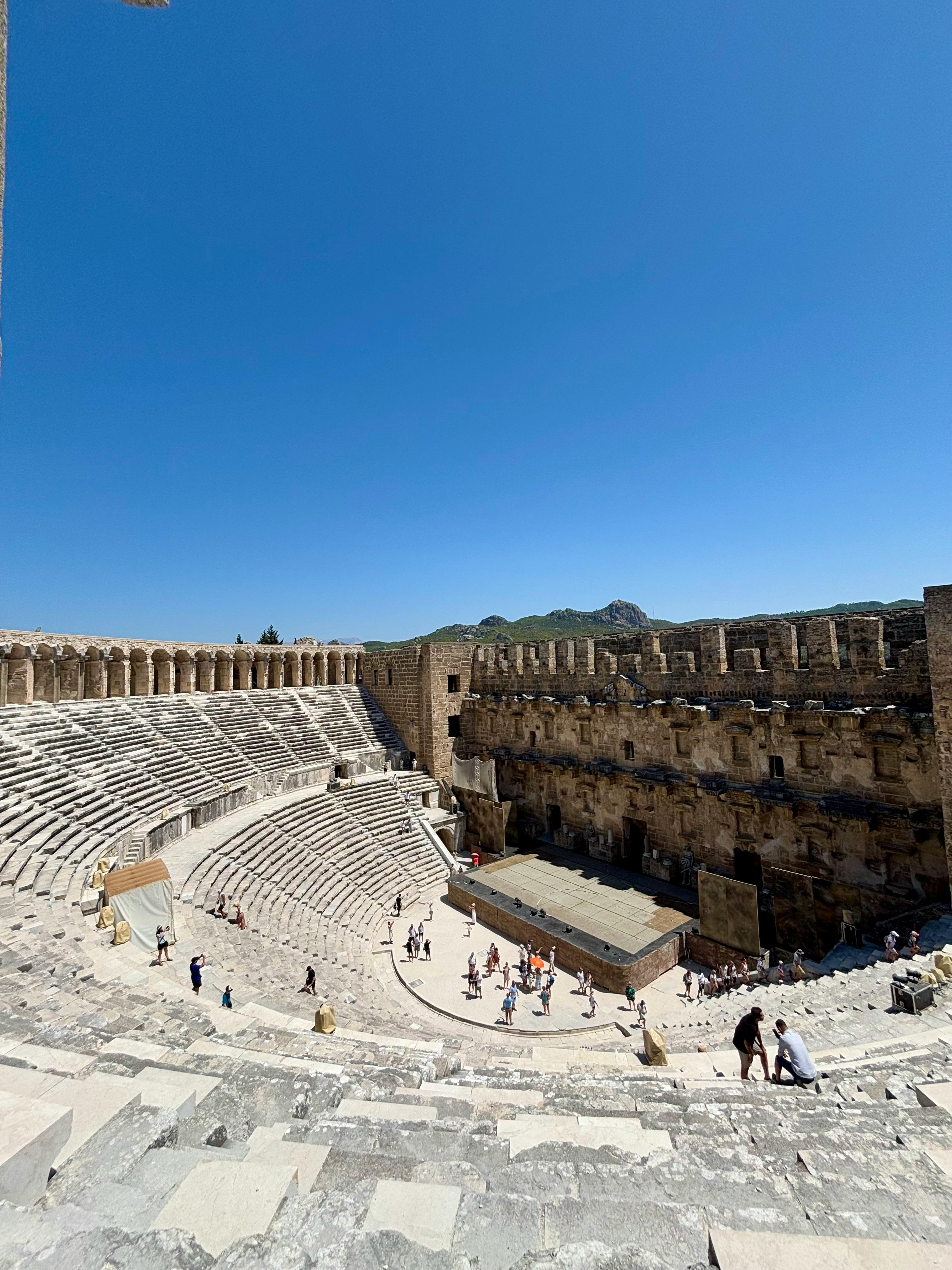
Theatre and South Acropolis Edge
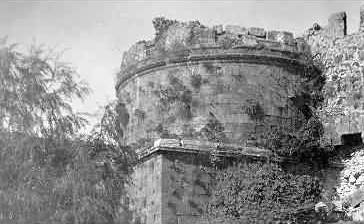
Kastron, Western Walls, and the Kale Masjid
Walk the Main Street to the Cisterns
02 In pictures.


Plan and listen to Sillyon with Audiala.
Audio guide in your pocket, itinerary in your browser. Built for the way you actually visit.
03 Visitor logistics.
The practical scaffolding for a good visit — kept short.
Getting There
Sillyon sits above Kocagözler/Yankoy, about 18 km northwest of Serik and roughly 8 km north of the D-400. The easiest approach is by car: follow the brown Sillyon signs from the Abdurrahmanlar, Yukarikocayatak, or Belek junctions, then continue until the road ends near Kocagozler locality; from there, you walk. Public transport only gets you partway in practice: as of 2026, SA19 reaches Serik and the D400 Yukarikocayatak corridor, BA22 links the Belek-Kadriye-Serik side, and the last rural stretch usually needs a taxi before the uphill approach on foot.
Opening Hours
As of 2026, no official ministry or excavation page lists staffed opening hours, and current local guides describe Sillyon as open daily, with some calling it open 24/7. Read that literally at your own risk: this is an ungated ruin with rough paths, steep ground, and almost no supervision, so daylight visits are the sensible choice. I found no notice of a full closure, though ongoing excavation and restoration may create small work zones.
Time Needed
Give Sillyon 45 to 75 minutes if you only want the lower remains and the first views over the plain. A normal visit with a careful climb higher takes about 1.5 to 2.5 hours, and a thorough look at the acropolis, theater area, cistern zones, and photo stops needs closer to 2 to 3 hours. The place feels smaller on paper than it does under your feet.
Accessibility
Wheelchair access is effectively limited to the roadside base area. The official route ends in a walk, and recent visitor reports describe steep slopes, loose stones, rough tracks, and minimally marked sections, with terrain that can feel more like a goat path than a museum circuit. Visitors with balance issues, knee problems, vertigo, or very young children should think twice before committing to the upper climb.
Cost & Tickets
As of 2026, current visitor sources list Sillyon as free to enter, and I found no official ticket office, online booking system, or skip-the-line option. That fits the mood of the place: no turnstiles, no audio-guide counter, and no combined pass, just a raw archaeological hill that still expects you to earn it.
04 Tips for visitors.
Small things that change the day.
Go Early
Morning or late afternoon works best. Midday heat on this exposed ridge can turn a good visit into a slow trudge, and the rough paths get far less forgiving once the light starts to fade.
Pack For Terrain
Bring real hiking shoes, not thin sandals or resort sneakers. The official access ends on foot, and recent visitors keep repeating the same warning: the climb is steep, rocky, and easy to underestimate.
Drone Caution
Handheld photography appears fine, but drone use is another matter. As of 2026, Turkey requires registration and permission for heavier drones and controlled airspace, and Sillyon's active excavation status makes flying here a bad idea unless you have formal approval.
Respect Later Layers
Treat Sillyon as more than a classical ruin. The Ottoman fountain, mosque remains, and Muslim cemetery are part of the site's living memory, so skip beachwear, keep voices low near village routes, and do not sit on graves or climb on religious remains.
Eat Afterward
Sillyon itself is not where you linger for lunch. If Silyon Cafe in Yankoy is open, use it for tea and a quick reset; for a proper meal, locals make more sense of Kadriye or Serik, with Gaziantep Restaurant Kadriye as a budget-to-mid-range option and Sefin Yeri in Kadriye better if you check prices first.
Pair It Wisely
Do not treat Sillyon like a quick add-on between polished sites. If you want a fuller Antalya archaeology day, pair it with Hadrian'S Gate in the city or Karain Cave, but give Sillyon the unrushed slot because the climb, the wind, and the broken paths are the whole point.
Where to Eat
Don't Leave Without Trying
Sky Safran restaurant bar
local favoriteOrder: Order the Iskender kebab. Reviews also mention complimentary dips, flatbread, and tea or coffee at the end, which makes the meal feel properly generous.
This is the sort of place people return to because the staff actually seem glad you walked in. Portions run big, prices stay reasonable, and the free tea-and-meze finish gives it the easy hospitality you want in this part of Antalya.
Old Town Restaurant 07
local favoriteOrder: Go for the adana or urfa kebab, and add lahmacun or one of the soups. Reviews also mention the mezze, yogurt dip, fresh bread, and tea that often arrive as extras.
In Kaleiçi, that kind of review volume matters: this place is clearly feeding a steady stream of people, not just catching one-off passersby. The draw is classic Turkish comfort food, warm service, and the small gestures that make a meal feel looked after rather than processed.
Cava Restaurant
fine diningOrder: Order the duck baklava or the seabass with celery puree, glasswort, and green apple. If you want dessert, the creme baklava is the one people remember.
Cava is where you go when you want Antalya ingredients treated with some ambition instead of just grilled and sent out. The garden setting helps, but the real point is the kitchen: thoughtful plates, polished service, and a menu that tries to do more than the standard old-town routine.
Nomades • Antalya • Cafe & Restaurant
local favoriteOrder: Get the octopus, the baked veal, or one of the handmade noodle dishes with shrimp sauce. Multiple reviews single those out for good reason.
Nomades feels less like a generic city restaurant and more like a kitchen that cares about texture, timing, and service. People mention coming back for a second meal, which is usually the clearest sign that a place is doing something right.
Dining Tips
- check Antalya piyazı here is a local dish in its own right, not the plain bean salad you may know from elsewhere in Turkey. Look for the tahini-based tarator dressing.
- check If you see kabak tatlısı on a menu, order it the Antalya way: pumpkin with tahini and walnuts.
- check Breakfast in Antalya is usually a shared, lingering meal, especially on weekends. Plan for a table spread rather than a quick coffee stop.
- check Do not assume a standard weekly restaurant closing day in Antalya. Tourist areas often run daily, while smaller independents may still close once a week, so check the specific venue.
- check For market shopping near Sillyon, the most relevant areas are Serik, Belek, Kadriye, and Boğazkent.
- check Market day information is more reliable than market-hour information. For planning, morning to late afternoon is the safest assumption, with Serik Friday sometimes running into the evening.
- check Serik has a Tuesday market in the Merkez area around Hacı Azmi Akman / 2153 Sokak, but published hours vary.
- check Belek Saturday market, Kadriye Tuesday market, Boğazkent Wednesday market, Yukarıkocayatak Monday market, and Serik Wednesday market are all documented in the research.
Restaurant data powered by Google
05 The Hill That Kept Its Water
Sillyon changed rulers, languages, and faiths, yet one function stayed remarkably stable: this hill kept serving as a defended place to store water and look far across the Pamphylian plain. Documented evidence ties Roman baths, a Late Antique nymphaeum, and an Ottoman fountain to the same lower-city water outlets, while the upper city relied on roughly 220 cisterns cut into the rock.
That continuity matters more than dynastic labels. A city can lose its theatre, its market, even its name for a time; lose its water logic on a hill this steep, and it dies.
Menodora Turned Grief Into Stone
Menodora, daughter of Megakles, is the named figure who gives Sillyon its human pulse. Official excavation history documents her as a Roman imperial-era benefactor, and recent reporting based on the excavation director says personal loss shaped her decisions: she is said to have buried her father Megakles, then her husband Apollonios, then her son.
Something changed there. Instead of letting private grief close in, Menodora appears to have poured family wealth into the city’s public life, funding civic and religious roles and, according to current interpretation, helping drive the Roman monumental build-out that still frames how visitors read Sillyon today.
Alexander came, assessed the walls, and moved on. Menodora stayed in the stone.
What Changed
What Endured
Listen to the full story in the app
The whole Sillyon,
told well.
Audio guides for 1,100+ cities across 96 countries. History, stories, and local insight — offline ready.

06 Frequently asked.
The questions travellers send us most about Sillyon.
Is Sillyon worth visiting?
Yes, if you want the rougher, less managed side of Antalya's archaeology. Sillyon sits on a steep limestone hill above the Pamphylian plain, and the reward is a place where Hellenistic walls, Roman baths, Byzantine churches, a Seljuk-era mosque, and Ottoman traces all occupy the same ridge. Skip it if you want cafés, shade, guardrails, and polished signage; choose it if wind, silence, and unfinished history sound better.
How long do you need at Sillyon?
Most visitors need 1.5 to 2.5 hours. A quick lower-city look can take 45 to 75 minutes, but a fuller visit that includes the climb toward the acropolis, theatre, and main fortifications usually takes closer to 2 to 3 hours, especially on loose rock and uneven paths.
How do I get to Sillyon from Antalya?
The easiest way is by car or taxi from Antalya via the D-400 toward Serik, then following the signed turnoffs toward Yanköy and Kocagözler. Official access notes say the drive ends at Kocagözler locality and the final stretch is on foot, so public transport works only partway: you can reach the Serik or D400 corridor by regional bus, then take a taxi for the rural last leg.
What is the best time to visit Sillyon?
Early morning or late afternoon in spring or autumn is best. Summer sun hits the exposed rock hard, with little shade, while winter and post-rain visits can make the limestone slick enough to turn the descent into a bad idea. Daylight matters here more than posted hours.
Can you visit Sillyon for free?
Yes, current visitor sources say Sillyon is free to enter. I found no official ticket page, no reservation system, and no skip-the-line setup, which fits the fact that this is an open archaeological site rather than a gated museum complex like Hadrian'S Gate.
What should I not miss at Sillyon?
Do not miss the restored western walls, the half-lost theatre on the cliff edge, and the final decorated stretch of Main Street before the Acropolis North Gate. Most people also rush past the real secret of the place: the water system, with springs feeding the lower city and roughly 220 cisterns cut into the hill, which explains why people kept living here for centuries after bigger names elsewhere in Antalya faded.
Verified, and shown.
Researched and written by the Audiala editorial team from historical records, architectural archives, and local expertise.
Official excavation history used for Alexander's failed siege in 334/333 BC, long settlement sequence, Byzantine and Turkish-Islamic phases, and Menodora context.
Official access guidance used for the final on-foot approach from Kocagözler, route structure, and practical visit planning.
Official ministry page used for road access from the D-400, distance from Serik, and general site framing.
Official source used for the lower-city springs, the link between baths, fountain and Ottoman fountain, and the figure of roughly 220 cisterns.
Official building page used for the theatre's cliff-edge setting, surviving seating, and landslide damage.
Official source used for the decorated last stretch of Main Street, carved niches, and statue or pedestal settings near the Acropolis North Gate.
Official source used for the stadium's scale and its place in the lower-city visit circuit.
Official source used for the lower-city Roman bath complex and its role in a typical visit.
Official source used for the Seljuk-era mosque and the site's Turkish-Islamic layer.
Recent reporting used for current excavation framing, continuity claims, and confirmation that work and visitation continued in 2026.
Recent reporting used for the restored western Hellenistic walls and current visitor-facing restoration context in 2026.
Classical reference summary used to cross-check literary mentions and the date range for Alexander's campaign.
Current local visitor page used for free-entry reporting and practical expectations about access and terrain.
Current local visitor page used to corroborate free entry and open-site practicals.
Recent traveler reports used for terrain difficulty, lack of facilities, time estimates, and the need for caution on steep paths.
Transit data used to explain the realistic public-transport approach from Antalya toward Serik.
Transit stop data used to describe the nearest practical public-transport corridor before switching to taxi.
Travel report used for time estimates, route difficulty, and the recommendation to visit in cooler parts of the day.
Travel account used for visit duration, climb conditions, and the more exploratory feel compared with polished archaeological parks.
Recent reporting used to confirm active restoration and the site's current presentation in 2026.
Researched from Wikidata, Wikipedia & official sources · fact-checked · How we make our guides →