Plan and listen to Arneae with Audiala.
Audio guide in your pocket, itinerary in your browser. Built for the way you actually visit.
Introduction
Set against the dramatic backdrop of the Taurus Mountains in Antalya Province, Turkey, the ancient city of Arneae offers an immersive journey through Lycian, Roman, and Byzantine history. Unlike Antalya’s more renowned archaeological destinations, Arneae remains an underexplored gem—ideal for travelers seeking authentic ruins and tranquil landscapes away from the crowds. The site’s open-air setting, historical remains, and scenic vistas invite visitors to delve into centuries of Anatolian civilization, from the democratic innovations of the Lycian League to the religious and architectural legacy of the Byzantines.
This comprehensive guide details Arneae’s historical significance, archaeological features, visitor information, travel tips, and practical advice, ensuring you make the most of your exploration of this remarkable ancient city. For further planning, official resources such as Antalya Tourist Information, Turkey Travel Planner, and the Audiala app provide up-to-date insights and regional guidance.
Early Settlement and Lycian Legacy
Arneae’s origins trace back to the Bronze Age, with settlement evidence persisting through the Classical and Hellenistic periods. As a member of the Lycian League, Arneae participated in one of antiquity’s earliest democratic federations, granting its citizens a voice in regional governance and defense (Antalya Tourist Information, Turkey Travel Planner). The city’s mountainous position, near present-day Ernez and İslamlar, provided both strategic defense and access to vital trade routes.
Roman and Byzantine Transformation
The Roman annexation in 43 CE ushered in an era of economic and architectural expansion. Infrastructure projects, such as roads, aqueducts, and public buildings, integrated Arneae into the broader empire. The subsequent Byzantine period saw the construction of churches and the continued use of civic spaces, reflecting religious and social changes. Arneae remained inhabited into the early medieval era, though it gradually declined as regional power centers shifted (Antalya’s Ancient Cities, Daily Sabah).
Archaeological Highlights
Urban Layout and Ruins
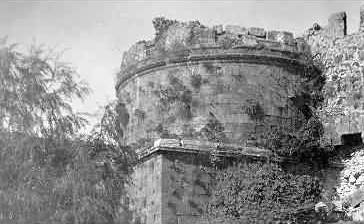
- City Walls and Gates: Constructed from large limestone blocks, these fortifications delineate Arneae’s ancient boundaries and showcase skilled Lycian-Roman masonry.
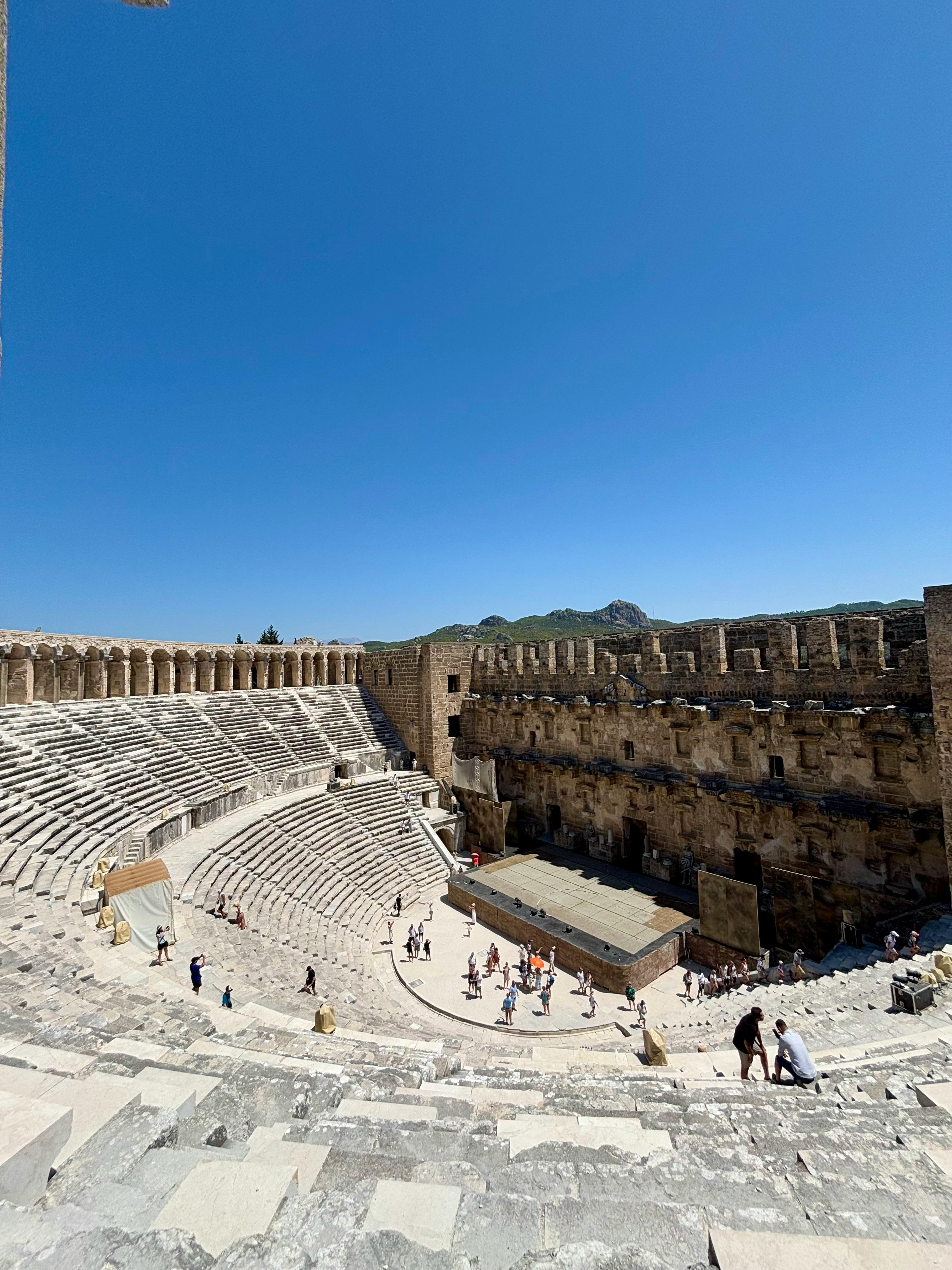
- Theater: A hillside theater provides panoramic views of the valleys, underscoring the city’s communal and cultural life (Antalya Home Guide).
- Agora and Civic Structures: Foundations of the agora, bouleuterion (council house), and public buildings reveal the city’s administrative and commercial functions.
- Necropolis: The city’s necropolis is rich with Lycian sarcophagi and rock-cut tombs adorned with reliefs and inscriptions, offering insights into funerary practices and artistic traditions.
Religious Heritage
- Basilicas and Churches: Remains of early Christian basilicas reflect the city’s adaptation to Byzantine religious life.
- Inscriptions: Bilingual (Greek and Lycian) inscriptions record civic decrees, religious dedications, and prominent citizens, highlighting Arneae’s multicultural character (Turkey Travel Centre).
Artifacts and Museum Connections
Artifacts unearthed at Arneae—including coins, pottery, and reliefs—are displayed at the Antalya Archaeological Museum, providing a tangible link between the site and the region’s rich ancient heritage.
Cultural and Regional Significance
Arneae’s role within the Lycian League is a testament to early democratic innovation, with proportional voting and federal governance. The city’s ruins exemplify the fusion of indigenous Lycian, Hellenistic, Roman, and Byzantine influences, offering a microcosm of Anatolia’s layered history.
The site’s preservation is supported by local and national initiatives aimed at balancing sustainable tourism with archaeological conservation. Recent investments and ongoing excavations continue to shed light on Arneae’s unique narrative and its integration into the broader Lycian landscape (Daily Sabah).
Visiting Hours, Tickets, and Accessibility
Hours
- Open Year-Round: Visitors can explore Arneae daily, generally from 8:00 AM to sunset. During summer (April–October), the site is accessible until 7:00 PM; in the off-season (November–March), until 5:00 PM (Antalya’s Ancient Cities).
- No Formal Gates: The site is unfenced and lacks an official entrance.
Tickets and Entry Fees
- Free Entry: There is currently no official ticket fee for visiting Arneae. Donations toward preservation are appreciated.
Getting There
- Location: Near the village of İslamlar, approximately 30 km from Kaş and about 60 km from Antalya city center.
- Access: Best reached by car due to limited public transport. The route includes winding mountain roads—GPS navigation is highly recommended (How to Get Around Antalya).
- Parking: Limited parking is available near the site entrance.
Accessibility
- Terrain: The site features rocky, uneven paths and hillside ruins. Sturdy footwear and moderate fitness are required.
- Facilities: There are no restrooms, shops, or visitor centers on-site. The nearest amenities are in İslamlar village.
- Mobility: The site is not wheelchair-accessible or suitable for visitors with significant mobility impairments.
Travel Tips and Nearby Attractions
What to Bring
- Water, snacks, and sun protection (hat, sunscreen, sunglasses)
- Camera for panoramic and close-up shots of ruins and landscapes
- Guidebook or an audio guide app such as Audiala
Best Time to Visit
Spring (April–June) and autumn (September–November) offer mild weather, green scenery, and fewer crowds (Audiala). Summer can be hot, and shade is limited among the ruins.
Combining Arneae with Other Sites
- Nearby Lycian Cities: Xanthos, Patara, Letoon, and Tlos—all within reach for a comprehensive exploration of Lycian history (7 Ancient Cities in Antalya).
- Nature Activities: The region’s trails and mountain vistas are perfect for hiking and birdwatching.
Local Culture
- Village Life: İslamlar and nearby villages offer glimpses of traditional agriculture (olive, grape farming) and the chance to purchase local honey, olive oil, and handmade crafts.
- Cuisine: Sample gözleme (Turkish pancakes) and fresh seafood in local eateries.
- Events: While Arneae itself does not host festivals, Antalya’s wider region features archaeological symposiums, fairs, and cultural events (Antalya Festivals).
Frequently Asked Questions (FAQ)
Q: What are the visiting hours for Arneae?
A: Open daily, generally 8:00 AM–7:00 PM (April–October), 8:00 AM–5:00 PM (November–March).
Q: Is there an entrance fee?
A: No, entry is free.
Q: How do I get to Arneae?
A: Best accessed by car from Kaş or Antalya; public transportation is limited.
Q: Are guided tours available?
A: No official tours on-site, but local guides can be arranged in Kaş or Antalya.
Q: Is Arneae accessible for visitors with mobility impairments?
A: The terrain is rugged and not suitable for wheelchairs or those with limited mobility.
Q: Can I bring a drone or take photographs?
A: Photography is allowed; check local regulations for drone use.
Listen to the full story in the app
The whole Arneae,
told well.
Audio guides for 1,100+ cities across 96 countries. History, stories, and local insight — offline ready.

Verified, and shown.
Researched and written by the Audiala editorial team from historical records, architectural archives, and local expertise.
Researched from Wikidata, Wikipedia & official sources · fact-checked · How we make our guides →