Antalya
location_on 18 attractions
calendar_month Spring and early autumn (April-May, September-October)
schedule 3-5 days

Introduction

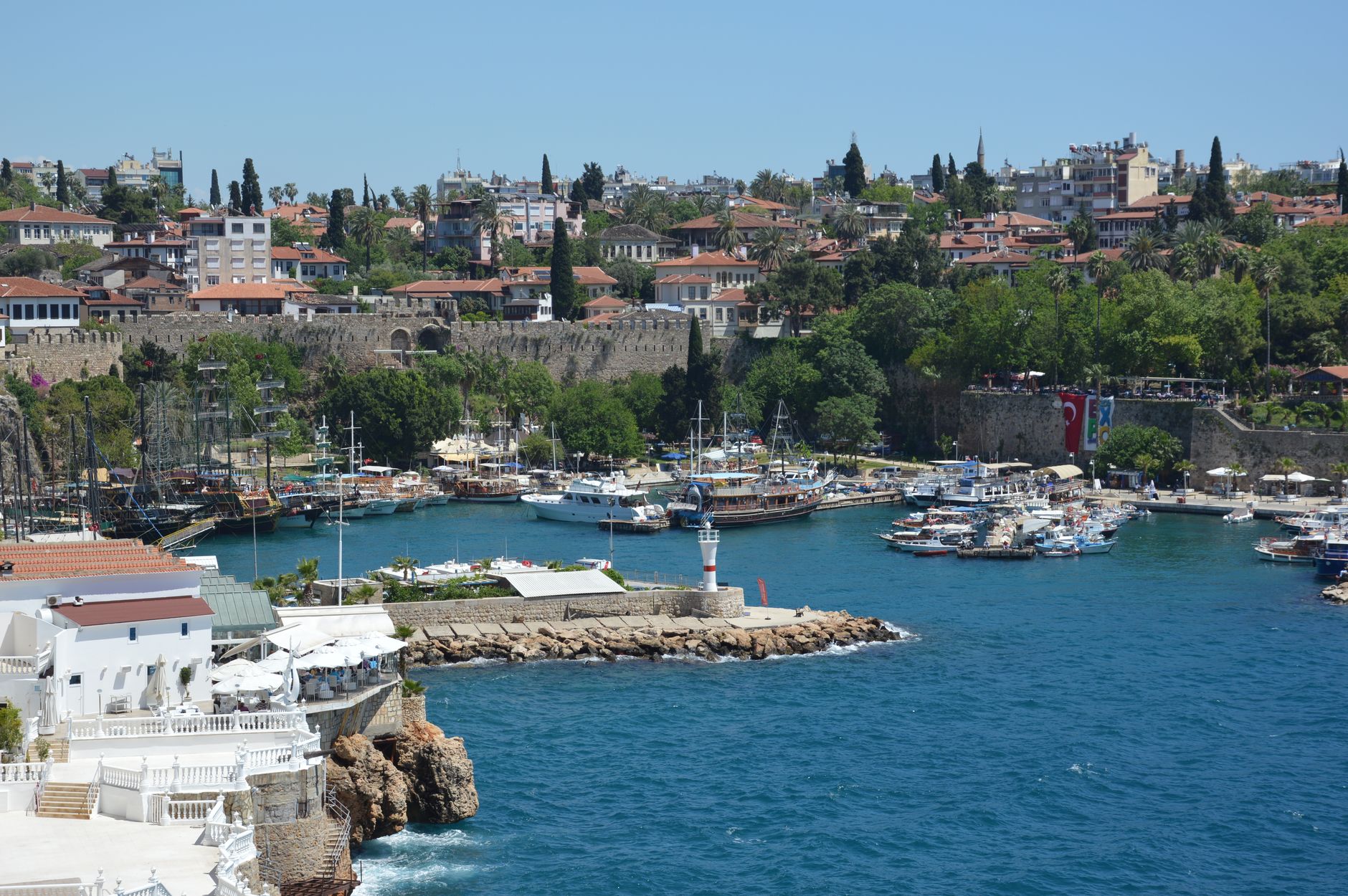
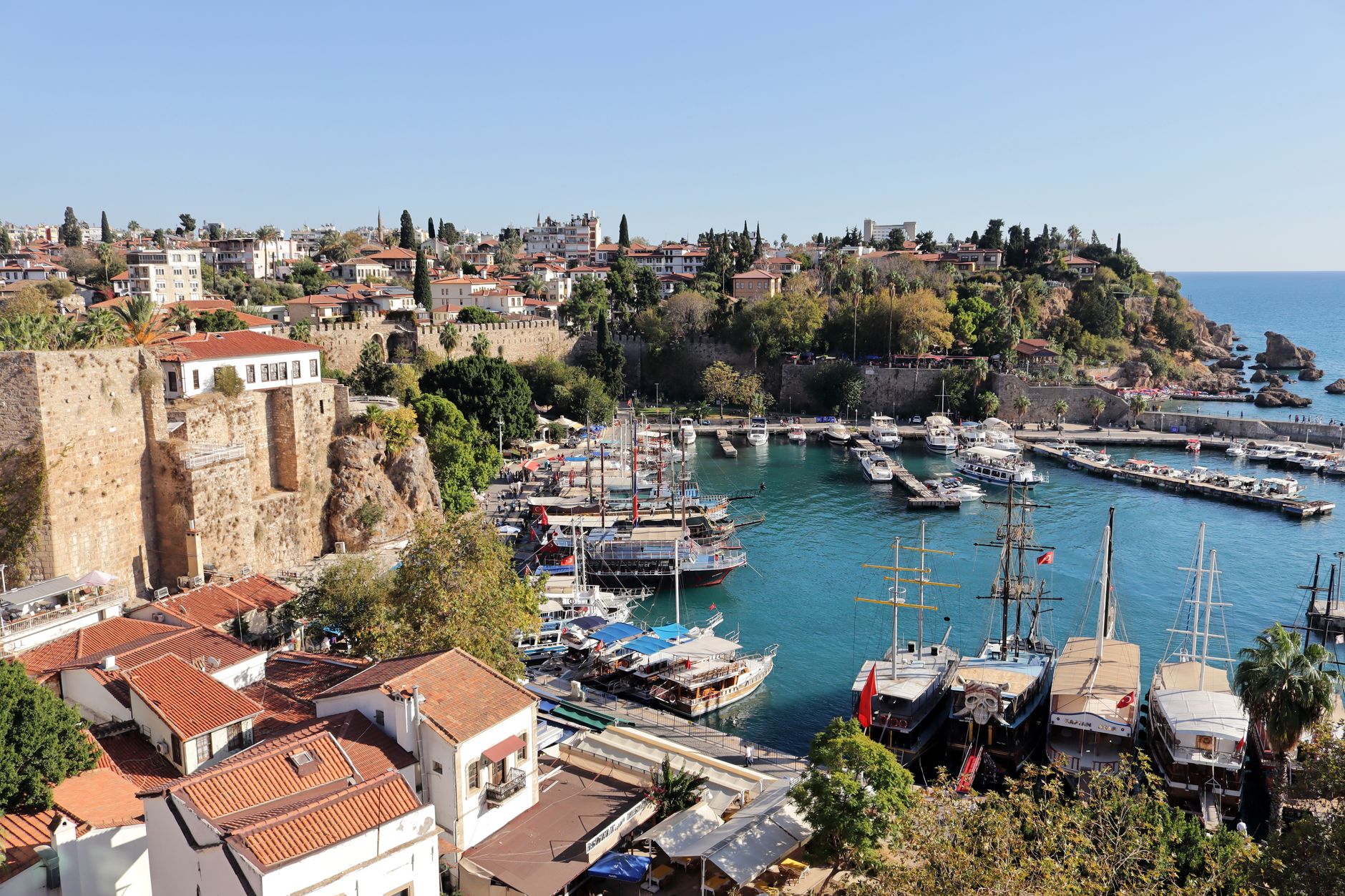
Salt hangs in the air, then church bells don't ring because the church became a mosque, and the mosque became a ruin. Antalya, Turkey works like that. You walk through Hadrian's Gate from 130 AD into Kaleiçi's cobbles, hear rigging clink in the old Roman harbor below, and realize this city never chose between empire, resort town, and working Mediterranean port.
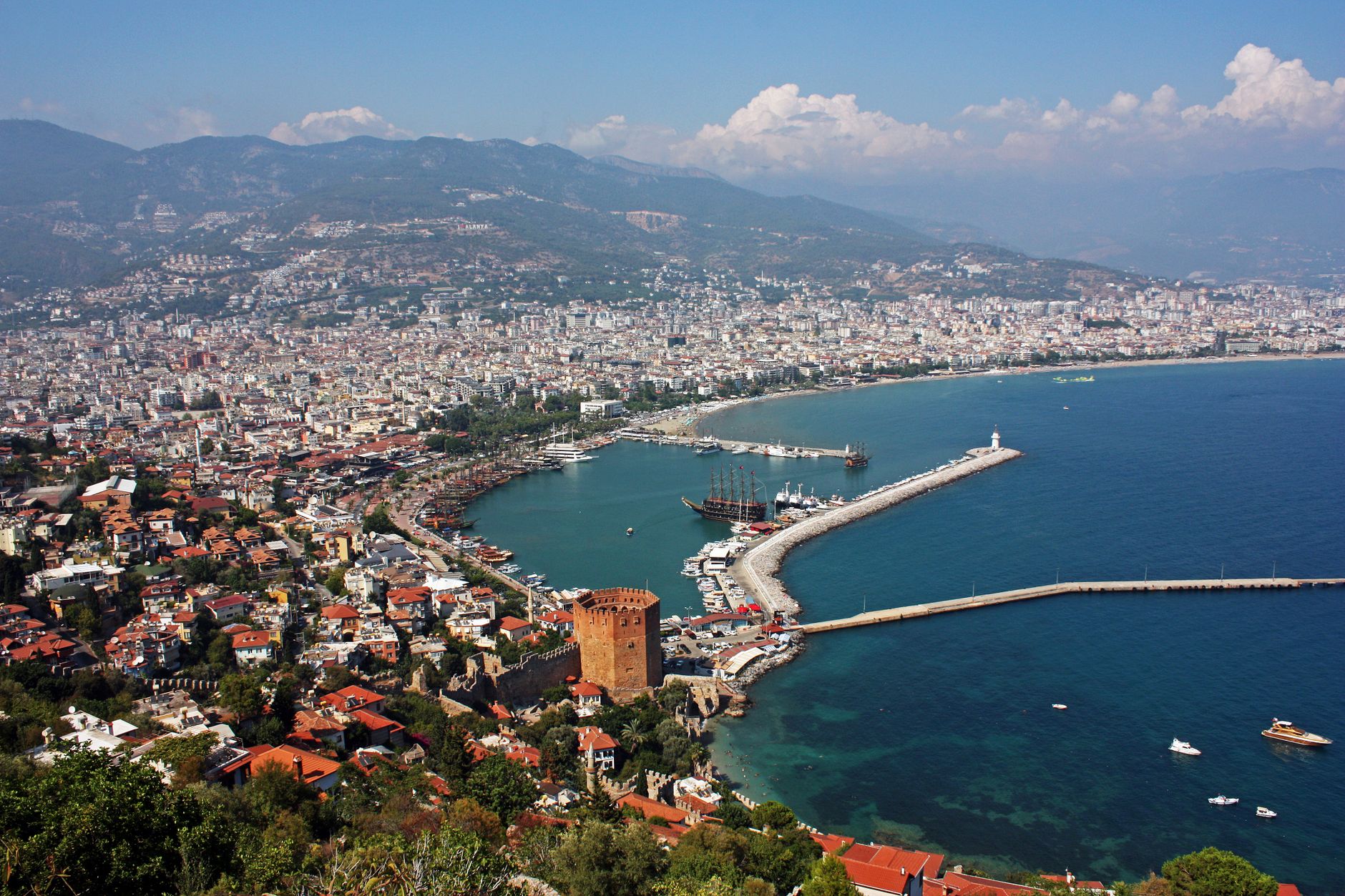
Antalya's trick is contrast at close range. A fluted Seljuk minaret rises near Kalekapısı, the Broken Minaret carries Roman, Byzantine, and Ottoman history in one damaged silhouette, and 3 kilometers west the Antalya Museum lays out marble gods hauled from Perge and Aspendos with the confidence of a city that has been collecting civilizations for a very long time.

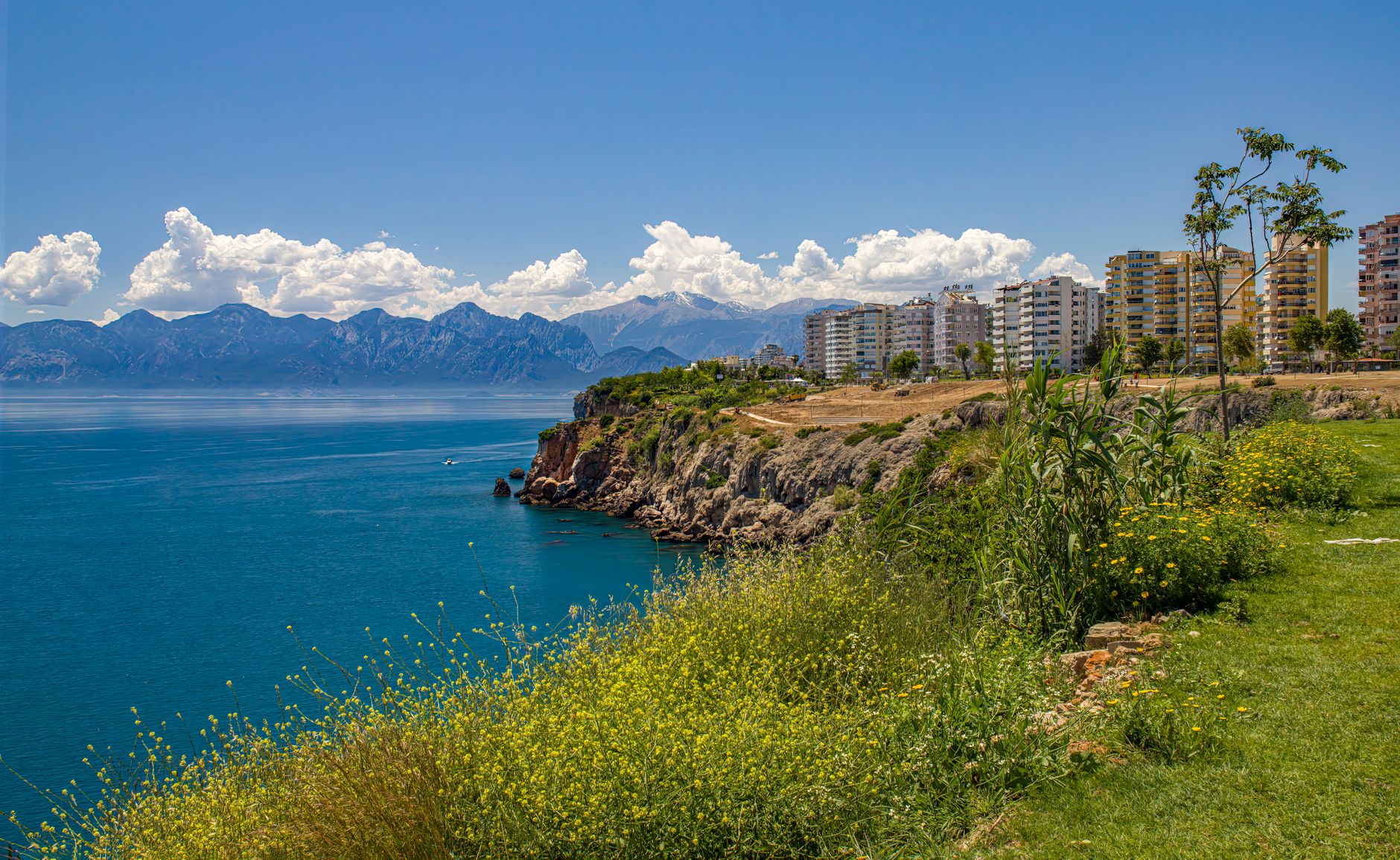
The sea keeps interrupting the story. Cliffs drop straight into the Mediterranean at Karaalioğlu Park, day boats nose out of the old harbor toward the Lower Düden Waterfalls, and Konyaaltı's 7-kilometer pebble shore pulls local life out into the open each evening. Tea, fish sandwiches, damp swimsuits, backgammon. Antalya can feel theatrical, then suddenly domestic.

Food tells you what kind of place this is. Order tahinli piyaz with şiş köfte at lunch and you are eating something locals defend almost possessively; arrive at a meyhane after 9 pm and the night slows to rakı, octopus, hibeş, and songs that sound better after the second glass of water-clouded anise. That's the useful way to understand Antalya: not as a beach base with ruins nearby, but as a city where ancient stone, mountain air, and stubborn local habits still run the schedule.

Places to Visit

The Most Interesting Places in Antalya

Düden Waterfalls

Düden Waterfalls

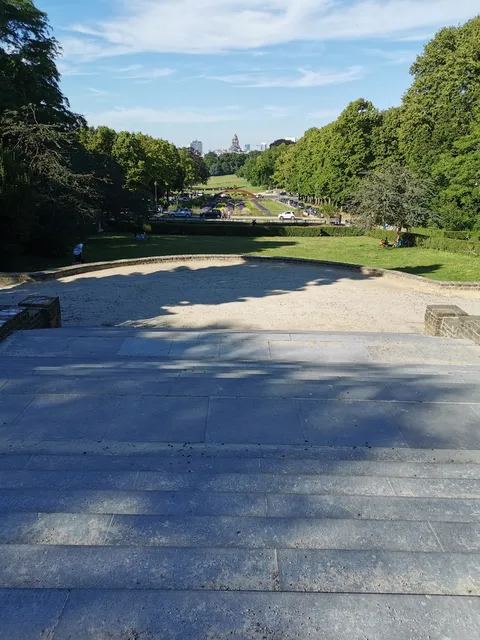
The Düden River plunges 40 m straight into the Mediterranean — one of Earth's only waterfalls that falls directly into the sea, heard by Strabo in 24 BC.

Antalya Aquarium

Antalya Aquarium

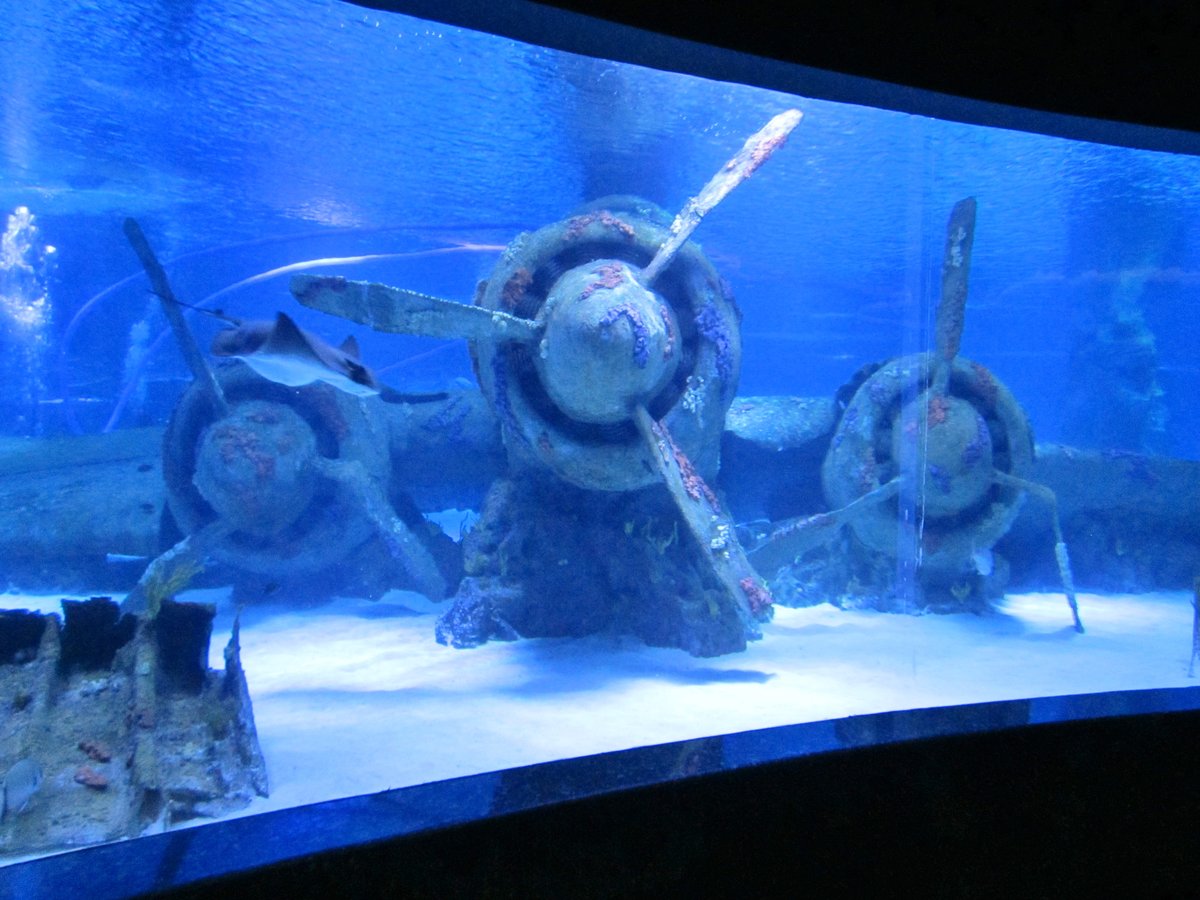
Antalya Aquarium, situated in the vibrant heart of Antalya, Turkey, stands as one of the world's most expansive and captivating aquarium complexes.

Hidirlik Tower

Hidirlik Tower

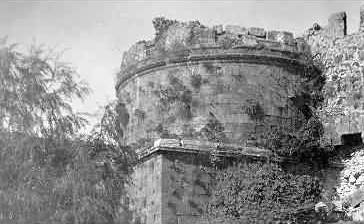
A 2,000-year-old Roman structure whose original purpose — tomb, lighthouse, or both — remains genuinely unknown. Free entry, clifftop sea views.

Antalya Mosque

Antalya Mosque

Antalya's 38m fluted minaret is the city's football badge and civic soul — built 1230, it outlasted its own prayer hall by a century before a new one rose beneath it.

Tekeli Mehmet Paşa Mosque

Tekeli Mehmet Paşa Mosque

Nestled in the historic heart of Antalya’s Kaleiçi district, the Tekeli Mehmet Paşa Mosque stands as a remarkable embodiment of Ottoman architectural…

Atatürk'S House Museum

Atatürk'S House Museum

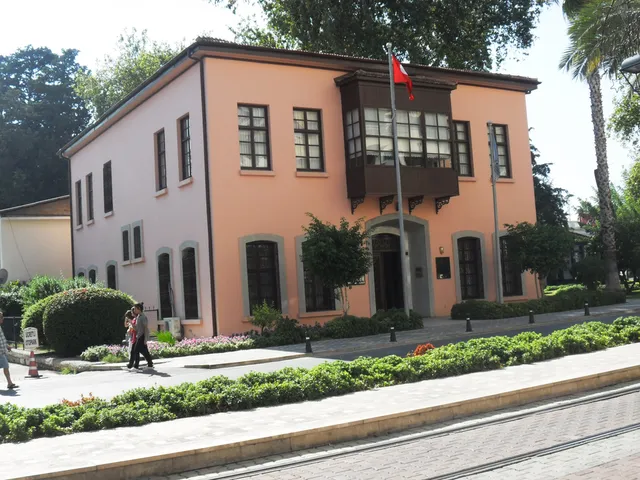
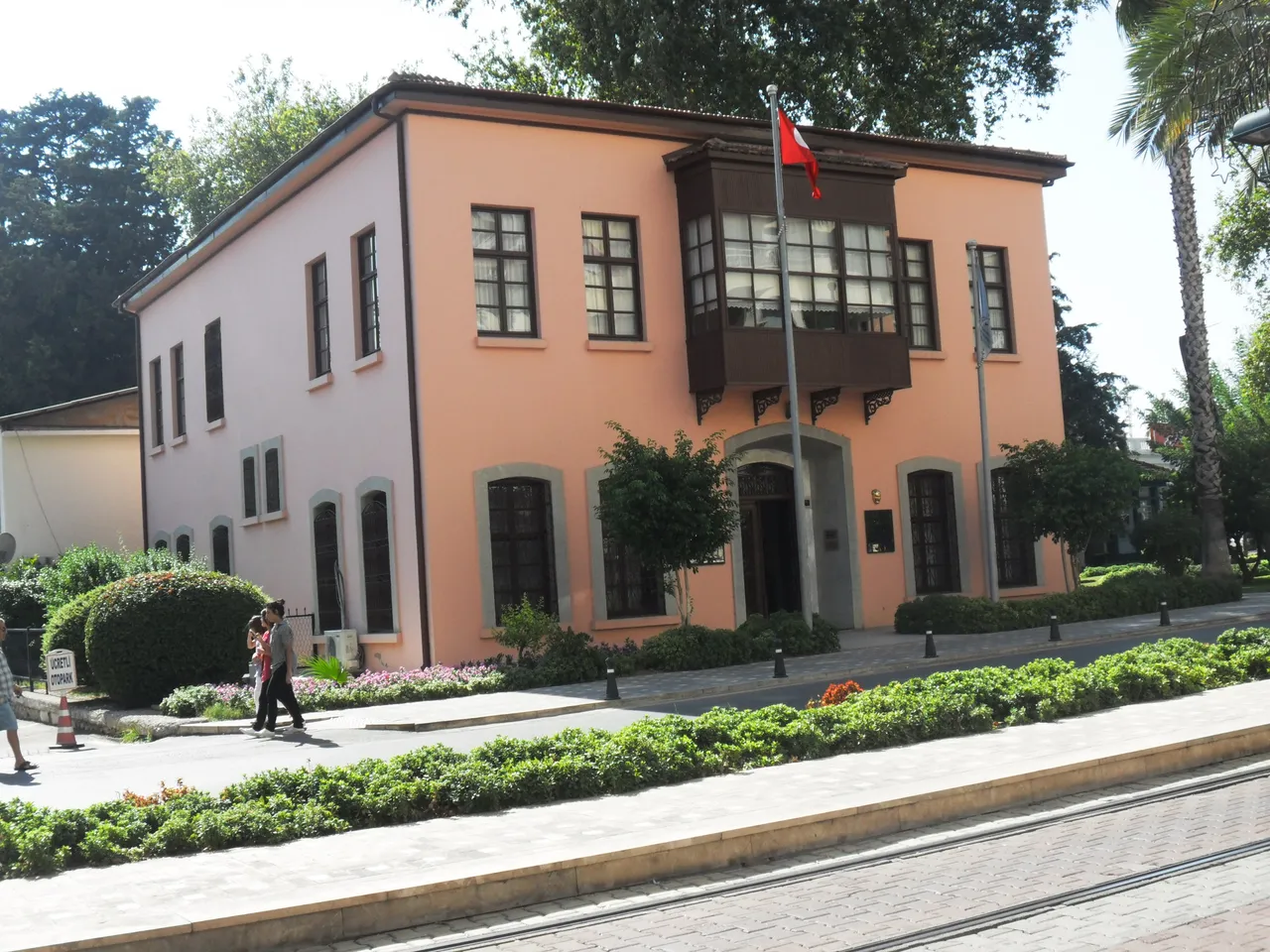
Nestled in the vibrant city of Antalya, Turkey, the Atatürk House Museum stands as a profound testament to the life and legacy of Mustafa Kemal Atatürk, the…

Antalya Clock Tower

Antalya Clock Tower

The Antalya Clock Tower, locally known as Antalya Saat Kulesi, stands as a timeless emblem of Antalya’s rich historical tapestry and vibrant urban life.

Karain Cave

Karain Cave

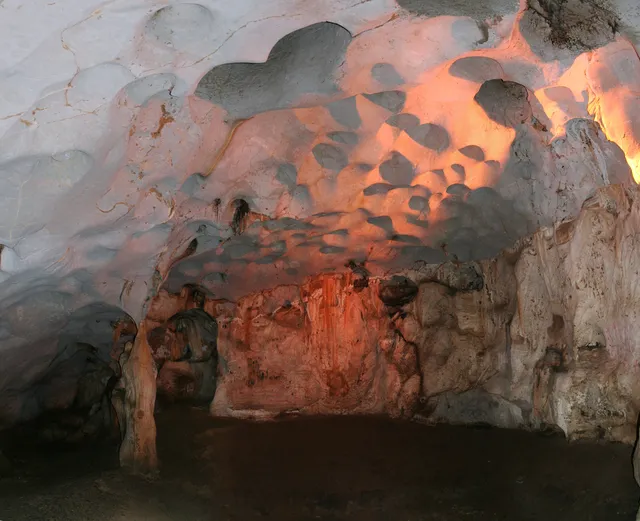
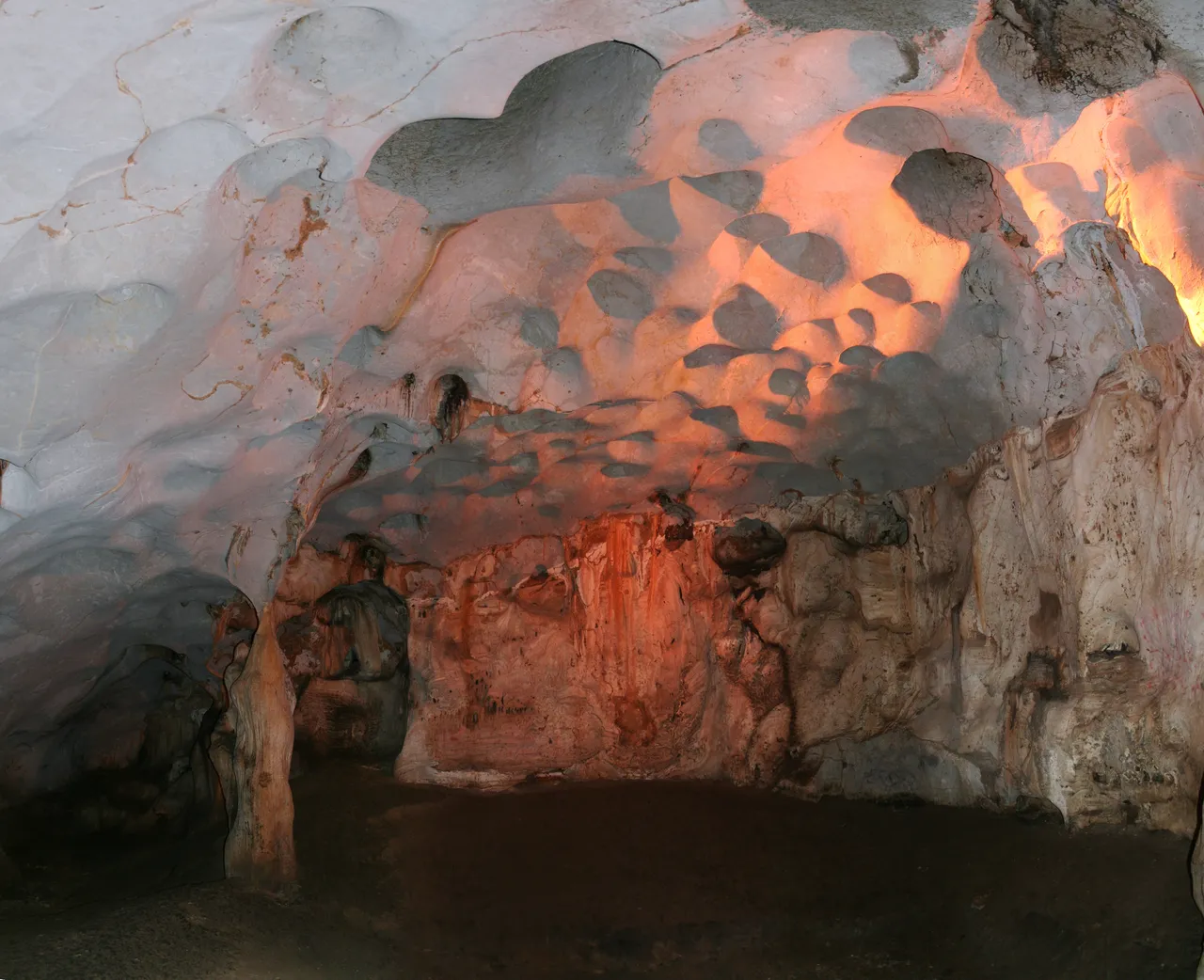
Human traces here reach back to the Lower Paleolithic, making Karain one of Turkey’s deepest prehistoric archives, high above Antalya’s plain.

Antalya Airport

Antalya Airport

Antalya Airport handles up to 82 million passengers a year, with three terminals, round-the-clock flights, and a security routine travelers should plan for.

Hadrian'S Gate

Hadrian'S Gate

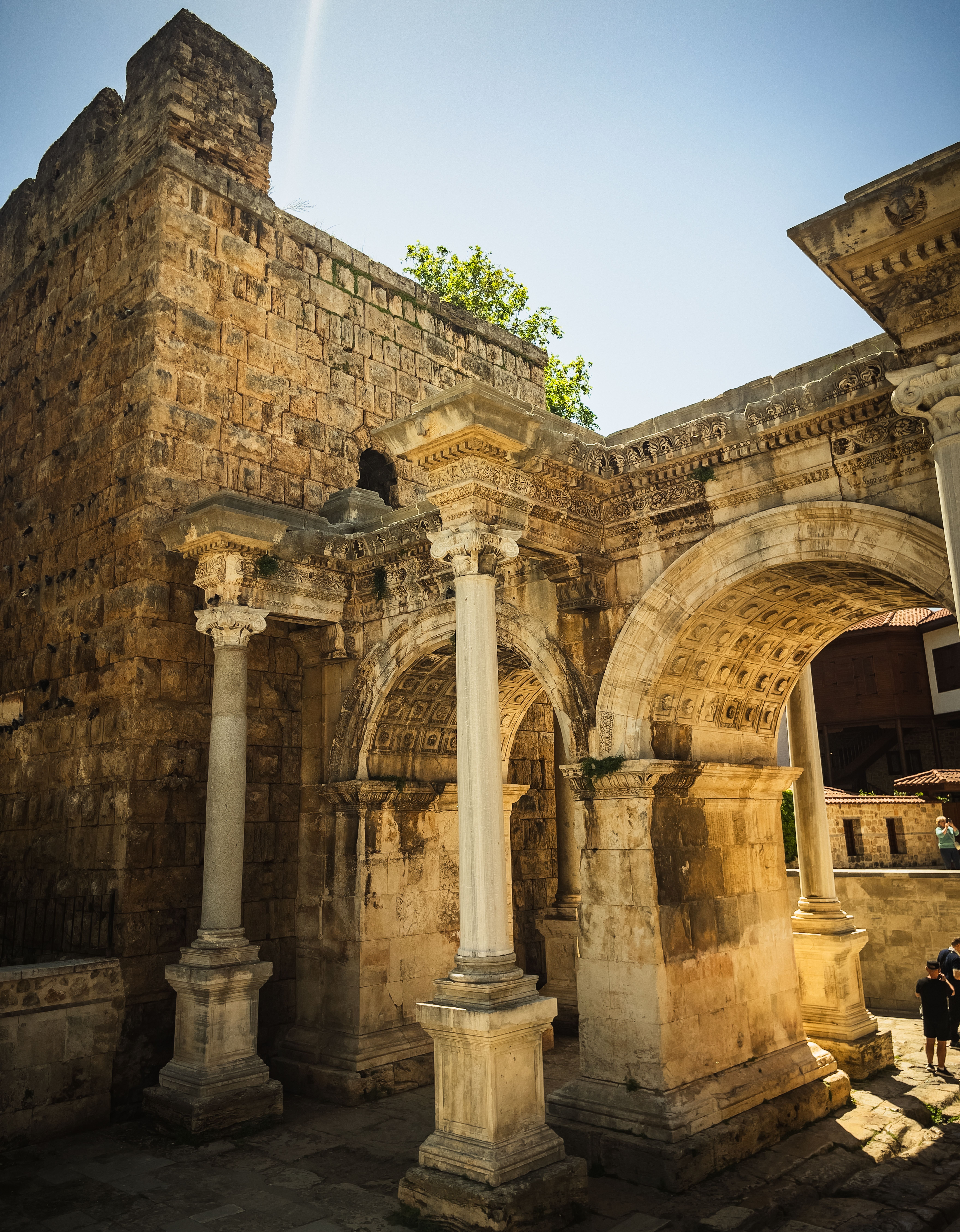
Buried inside Antalya's walls for centuries, Hadrian's Gate kept its Roman ceiling intact; today it marks the step from traffic into old Kaleiçi streets.

Sillyon

Sillyon

Alexander couldn't take this hilltop city, and even now Sillyon feels half fortress, half village memory, with cisterns, wind, and a hard-earned view.

Evdir Han

Evdir Han

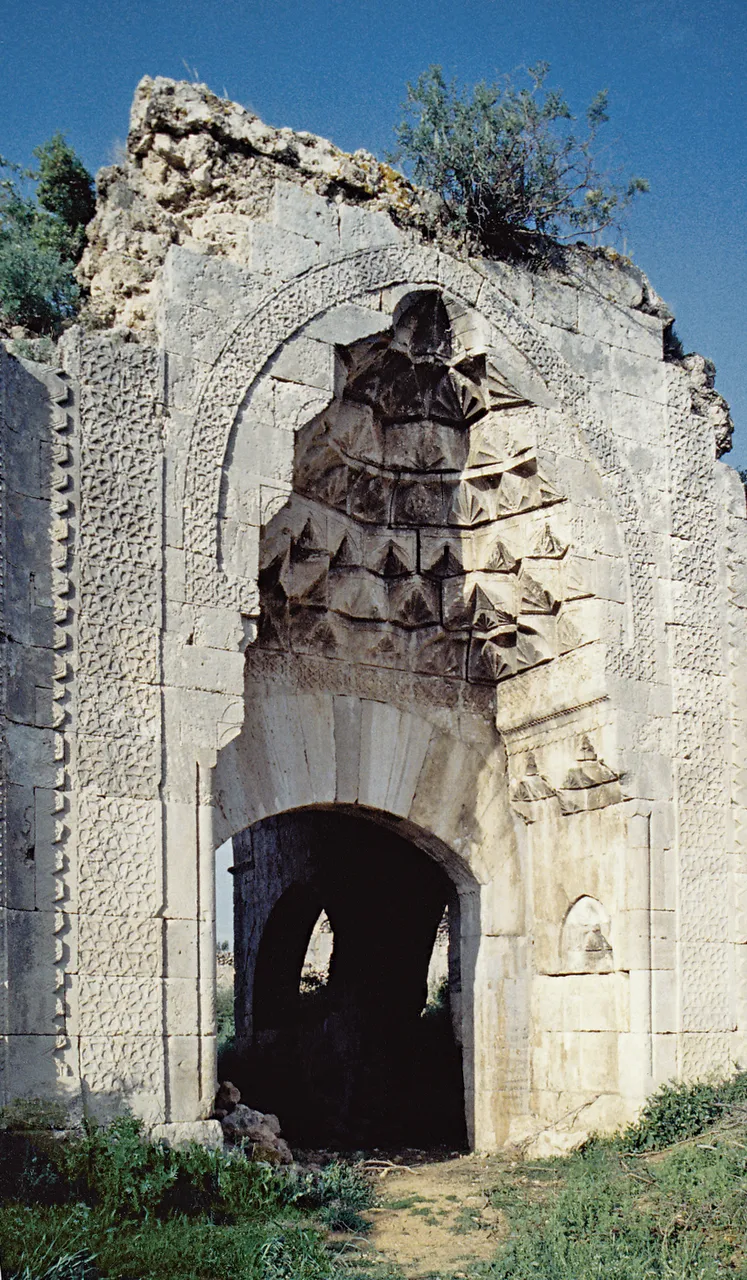
Welcome to Evdir Han, a captivating historical monument located in the heart of Antalya, Türkiye.

What Makes This City Special

A Port City in Layers

Kaleiçi reads like a stone palimpsest: Roman walls, Byzantine traces, Seljuk markers, Ottoman timber houses, all dropping toward the old harbor. Walk in through Hadrian's Gate, built around 130 AD, and the city stops pretending to be one thing.

Minarets With Attitude

Antalya's skyline is surprisingly argumentative. The 13th-century Yivli Minare still anchors the center with its fluted Seljuk shaft, while Tekeli Mehmet Paşa Mosque hides a softer trick nearby: a dome plan locals compare to a stone daisy.

Cliffs, Fire, and Waterfalls

Few cities can offer a Roman harbor, a waterfall dropping straight into the Mediterranean, and eternal methane flames in the same orbit. Lower Düden crashes off the sea cliffs east of town; Yanartaş, 80 km southwest, burns out of the mountain after dark.

Tahini Country

Antalya's signature meal is not kebab alone but the tahini that follows it everywhere. Tahinli piyaz, hibeş, and charred şiş köfte turn lunch into something nutty, smoky, lemon-sharp, and very local.

Historical Timeline

A Harbor City Built, Broken, and Built Again

From Paleolithic cave fires to airport runways and summit diplomacy

science
c. 200,000 BCE

Karain Cave Fires Burn

Long before Antalya had walls or a harbor, people were already living in Karain Cave 27 kilometers northwest of the modern city. Archaeologists recovered Neanderthal remains, Levallois flint tools, and traces of repeated occupation that stretch across an almost absurd span of time. The first chapter here smells of smoke, damp stone, and hunted game.

person
c. 150 BCE

Attalos Founds Attaleia

King Attalos II of Pergamon founded Attaleia on a curve of coast that gave ships a natural shelter and merchants a reason to stay. Tradition says he ordered his men to find heaven on earth. Propaganda, probably. Still, one look at the cliffs and harbor explains why he stopped here.

gavel
133 BCE

Pergamon Passes to Rome

When Attalos III died without an heir, he left the Kingdom of Pergamon to Rome in his will, and Attaleia went with it. No dramatic last stand, no burning citadel. Just a legal document that shifted the city into the machinery of a republic that was learning to behave like an empire.

person
c. 46 CE

Paul Sails from the Port

Paul of Tarsus and Barnabas passed through Attaleia after preaching inland at Perga, then sailed from its harbor toward Antioch. Acts preserves the moment in a single line, but ports are where ideas travel fastest. In the salt air and dockside noise, Christianity entered the city's story.

castle
130 CE

Hadrian Enters in Marble

Emperor Hadrian visited Attaleia in 130 CE, and the city answered with a triple-arched gate faced in marble. Hadrian's Gate still stands at the edge of Kaleiçi, its columns and carved lintels carrying the polished self-confidence of Roman urban life. Walk under it now and you hear suitcase wheels where sandals and hooves once scraped stone.

castle
c. 220

Harbor Tower Rises

Most scholars date Hıdırlık Kulesi to the 2nd or 3rd century, when Attaleia needed a hard-edged lookout over the harbor mouth. The tower sits where land gives way to sea and strategy becomes architecture. Round, heavy, and stubborn, it still looks like a structure built to distrust the horizon.

local_fire_department
c. 543

Earthquake Shakes the Port

Regional calamity records point to a major earthquake striking the Antalya area in the 540s, when the eastern Mediterranean was already strained by plague and war. Ports suffer twice in such moments: walls crack on land, and trade falters at sea. Stone can be repaired. Confidence takes longer.

church
c. 7th century

Temple Becomes Basilica

A Roman temple inside the city was converted into a Byzantine church, the layered building later known as Kesik Minare. Antalya has always reused its sacred spaces with a kind of practical boldness. One faith leaves columns and foundations; the next adds an apse, then another century changes it again.

person
c. 1022

Michael Attaleiates Is Born

Michael Attaleiates, later one of Byzantium's sharpest historians and jurists, was born in Attaleia around 1022. His surname kept the city attached to his reputation even after Constantinople claimed his career. Antalya did not just send out goods and soldiers; it produced a mind that recorded an empire under strain.

swords
1207

Seljuks Take the Harbor

Sultan Kaykhusraw I captured Attaleia in 1207 and gave the Seljuk state its first Mediterranean port. That changed everything. Customs revenue, naval access, and Italian trade deals flowed through the harbor, while the city's soundscape shifted toward muezzins, merchants, and shipbuilders working the waterfront.

swords
1216

Seljuk Rule Returns

A brief Christian recovery in 1212, helped by Walter of Montbeliard from Cyprus, did not last. In 1216 the Seljuks took the city back under Kaykaus I and ended Byzantine claims for good. Antalya stopped being an isolated eastern Roman outpost and became a Muslim port plugged into Anatolia and the wider Mediterranean.

school
1250

Karatay Medrese Opens

The Karatay Medrese rose in the Seljuk period as a school and statement of confidence, built when Antalya's trade wealth could be turned into stone and learning. In a port city, education has a different flavor: law, theology, languages, calculation, all close to the docks. Knowledge arrived here by sea as often as by caravan.

person
c. 1335

Ibn Battuta Takes Notes

When Ibn Battuta visited in the 1330s, he described Antalya as a beautiful city whose Greeks, Jews, and Turks lived in separate quarters with their own markets. That detail matters more than the compliment. You can almost hear the city in his account: different tongues in the same streets, trade stitching together people who did not live quite together.

swords
1361

Cypriot Crusaders Storm Ashore

Peter I of Cyprus arrived with a fleet said to number 120 ships and took Antalya after a short August assault. For 12 years the city became the kingdom's only foothold on mainland Anatolia, a strange crusader outpost on a Turkish coast. Mediterranean politics could turn a harbor into a prize overnight.

castle
c. 1375

Yivli Minare Defines the Skyline

The fluted brick minaret of the Yivli Minare Mosque took the shape that still marks Antalya's skyline in the later 14th century. Its grooves catch light differently through the day, sharp at noon, softer toward evening. Cities often choose their symbols by accident; Antalya got this one right.

gavel
1423

Ottomans Annex for Good

Murad II absorbed Antalya into the Ottoman Empire in 1423 and ended the last restoration of the Teke beylik. After decades of shifting control, the city entered a longer political rhythm. Provincial, yes, but never irrelevant, because harbors rarely are.

church
1570

Murat Pasha Mosque Rises

Murat Pasha Mosque was built in 1570, part of the Ottoman reshaping of Antalya's religious and urban life. Its dome and prayer hall speak in the imperial language of the 16th century, but the setting remains local: sea air, palm shade, and streets that turn without warning. Ottoman Antalya was never Istanbul in miniature. Better that way.

person
c. 1671

Evliya Counts the City

Evliya Celebi visited in the 17th century and described roughly 3,000 houses spread across 24 neighborhoods, with bazaars, mosques, and a working port. His writing gives Antalya texture rather than marble grandeur. You get shops, streets, gossip, and movement, which is another way of saying you get a city that was alive.

swords
1919

Italian Marines Land

On 9 March 1919, Italian marines occupied Antalya after the Ottoman defeat in the First World War. Foreign control came not as legend but as paperwork, uniforms, and ships in the harbor. The occupation never settled into permanence, yet it left the city inside the violent uncertainty that produced modern Turkey.

gavel
1923

Republic Reclaims the City

The Treaty of Lausanne erased Italy's claims, and Antalya became part of the new Republic of Turkey in 1923. Population exchange changed the city's human map as Greek Orthodox residents departed and Muslim families from elsewhere arrived. Streets stayed put. The voices in them changed.

palette
1964

Film Festival Starts Rolling

The Golden Orange Film Festival began in the 1960s under mayor Avni Tolunay and gave Antalya a cultural stage larger than its provincial reputation. Cinema suited the city. A place built on light, sea haze, and theatrical history was always going to understand projection.

flight
1985

Airport Opens to the World

When Antalya Airport opened to international traffic in 1985, the city's future tilted hard toward mass tourism. Charter flights replaced caravans, package hotels spread along the coast, and the seasonal pulse of arrivals began to shape daily life. Few infrastructure projects rewrite a place so fast. This one did.

public
2015

G20 Comes to Belek

World leaders gathered in Antalya Province for the G20 summit in November 2015, bringing motorcades, sealed roads, and a temporary concentration of power that felt almost unreal beside the resort coast. Obama, Putin, Merkel, and Xi discussed the global economy a short drive from Roman ruins and hotel buffets. Antalya has always been a meeting point. Sometimes the guest list gets stranger.

local_fire_department
2023

Earthquake Refuge Arrives

After the February 2023 earthquakes devastated southern Turkey, Antalya Province received more than 2 million displaced people from the worst-hit regions. Hotels, transport links, and spare housing suddenly served grief instead of leisure. A tourism city became a refuge city, and that revealed something more serious about its infrastructure than any glossy brochure ever could.

schedule
Present Day

Notable Figures

Hadrian

76–138 · Roman emperor
Visited the city in 130 CE

Antalya still remembers his arrival with stone confidence: Hadrian's Gate was built for his visit in 130 CE, and nearly two millennia later people still pass through it on their way into Kaleiçi. He'd probably recognize the instinct behind the gesture. Cities still here know how to flatter power, then outlast it.

Attalus II Philadelphus

220–138 BCE · King of Pergamon
Founder of Attaleia, the city that became Antalya

Ancient sources credit Attalus II with founding Attaleia on this stretch of coast, giving Antalya its original name and its first political shape. His port was a strategic move before it was a postcard. Stand above the harbor and you can see why he wanted it.

Alaeddin Keykubad I

1188–1237 · Seljuk sultan
Ruled Antalya during its Seljuk transformation in the 13th century

Under Alaeddin Keykubad I, Antalya hardened into a Seljuk port city, and the Yivli Minare still carries that era into the skyline like a signature. His builders turned conquest into masonry. The fluted brick tower remains the quickest way to read the city's medieval chapter at a glance.

Mustafa Kemal Ataturk

1881–1938 · Founder of modern Turkey
Visited Antalya; his stay is commemorated at Atatürk's House Museum

Atatürk stayed in Antalya during the Republican period, and the house that marks his visit now sits as a small museum rather than a grand shrine. That feels right for this city. Antalya tends to keep history close to street level, where people still walk past it on their way to lunch.

Plan your visit

Practical guides for Antalya — pick the format that matches your trip.

Practical Information

flight

Getting There

Antalya Airport (AYT) sits 13 km east of the center, with domestic and international terminals and a typical transfer time of 25 to 30 minutes in 2026. Antalya has no mainline train station, so overland arrivals come by coach to Antalya Otogar and by road via the D400 coastal highway and the D650 route north toward Burdur and Isparta.

directions_transit

Getting Around

In 2026, Antalya's urban rail network runs as AntRay with 3 tram lines: T1 links the airport, city center, bus station, and EXPO; T2 is the Nostalji tram between Işıklar and Antalya Museum; T3 runs between Varsak and the museum. Buses fill the gaps, AntalyaKart covers tram and bus rides, and the research fare stands at 3.2 TRY per trip with free transfers within 1 hour; Konyaaltı's seafront has a 7 km cycling path and ANTBİS bike-share docks.

thermostat

Climate & Best Time

Spring runs roughly 16 to 26°C, summer 29 to 34°C, autumn 20 to 28°C, and winter 10 to 15°C. Rain falls hardest from December through February, July and August bring the fiercest heat and the thickest crowds, and the sweet spot is April to May or September to October when the sea is inviting and the pavements feel less punishing.

translate

Language & Currency

Turkish is the working language, but in 2026 you'll get by easily in English at hotels, restaurants, tour agencies, and the airport; smaller neighborhood shops are another matter. The currency is the Turkish lira, cards are widely accepted, and cash still matters for tips, bazaars, and the occasional taxi fare.

shield

Safety

Antalya is generally one of Turkey's easier coastal cities for visitors, with violent crime against tourists uncommon in 2026. The nuisances are more predictable: inflated restaurant bills in Kaleiçi, taxi drivers who hope you'll ignore the meter, and petty theft around beaches, bazaars, and crowded evening streets.

Where to Eat

local_dining

Don't Leave Without Trying

Antalya piyazı şiş köfte hibeş serpme börek kabak tatlısı with tahini and walnuts Arap kadayıf yanık dondurma

Baba Mutfağı Ev Yemekleri

local favorite
Turkish home cooking star 4.9 (634)

Order: Order a full tray-style lunch: the meat stew gets singled out in reviews, and regulars also praise the vegan options and desserts.

This is the kind of place you want at lunch in Antalya: self-serve, unfussy, and cooked like someone still cares what a weekday meal should taste like. Reviews keep coming back to the warmth of the staff and the fact that even a cheap plate here feels genuinely homemade.

schedule

Opening Hours

Baba Mutfağı Ev Yemekleri

Monday 11:30 AM – 5:30 PM
Tuesday 11:30 AM – 5:30 PM
Wednesday 11:30 AM – 5:30 PM
map Maps

Çömlekçi Restaurant

local favorite
Traditional Antalya and Turkish grill house €€ star 4.8 (2563)

Order: Go straight for the lamb shish or Urfa kebab, and if you want something more local, try the kelle paca with garlic sauce, vinegar, fresh bread, and a glass of homemade fountain ayran.

Çömlekçi has range: late hours, serious grill work, and the sort of menu that still leaves room for old-school soup and ayran rather than flattening everything into tourist-safe kebabs. Reviews suggest a place that can handle both a quick lunch and a proper night meal without losing its footing.

schedule

Opening Hours

Çömlekçi Restaurant

Monday 9:00 AM – 3:00 AM
Tuesday 9:00 AM – 3:00 AM
Wednesday 9:00 AM – 3:00 AM
map Maps language Web

Hare Restaurant

local favorite
Regional Turkish cuisine and meze €€ star 4.8 (485)

Order: Order the Hare Special if you want a broad sweep of classic dishes on one platter, then add a round of meze and pay attention to the bulgur rice.

A lot of Kaleiçi restaurants trade on atmosphere first and food second. Hare seems to get the order right. Reviews point to a kitchen that treats regional Turkish cooking with respect, then serves it in a setting that still feels relaxed enough for a long dinner.

schedule

Opening Hours

Hare Restaurant

Monday 8:00 AM – 11:30 PM
Tuesday 8:00 AM – 11:30 PM
Wednesday 8:00 AM – 11:30 PM
map Maps language Web

Pastorale restaurant

local favorite
Turkish grill and meze in a courtyard setting €€ star 4.8 (1797)

Order: Order the lamb dishes first; multiple reviews call them the standout, and the house pickles make a smart start while you decide on the rest.

Pastorale looks like the sort of old-town place that could coast on its courtyard alone, but the better reviews are about the food: generous portions, properly cooked lamb, and a staff that still behaves like hosts rather than table-turners. That matters in Kaleiçi.

schedule

Opening Hours

Pastorale restaurant

Monday 8:00 AM – 11:30 PM
Tuesday 8:00 AM – 11:30 PM
Wednesday 8:00 AM – 11:30 PM
map Maps language Web

SALAŞ BALIK & RESTORANT

local favorite
Seafood meyhane-style restaurant €€ star 4.8 (1863)

Order: Get the fresh grilled fish, especially the sole if it is on offer, and build the table with hummus, warm spinach with yogurt, stuffed vine leaves, and smoked mussels.

This is the seafood pick when you want the meal to feel like Antalya rather than a generic resort dinner. Reviews praise the freshness of the fish, the generous starters, and the kind of hospitality that turns a simple grilled catch into a full evening.

schedule

Opening Hours

SALAŞ BALIK & RESTORANT

Monday 12:00 PM – 12:30 AM
Tuesday 12:00 PM – 12:30 AM
Wednesday 12:00 PM – 12:30 AM
map Maps

RAGIP. STEAK.FISH.HOUSE

local favorite
Steak and grilled seafood €€ star 4.9 (1181)

Order: The dry-aged ribeye with pepper sauce is a safe bet, but the grilled fish, salmon, and shrimp dishes get the loudest praise in reviews.

RAGIP sits in a tourist-heavy part of town and still manages to impress people who sound hard to please. The draw is simple: clean grilling, strong seafood, and a host-driven service style that feels personal rather than rehearsed.

schedule

Opening Hours

RAGIP. STEAK.FISH.HOUSE

Monday 11:00 AM – 11:00 PM
Tuesday 11:00 AM – 11:00 PM
Wednesday 11:00 AM – 11:00 PM
map Maps

Mandjie Gastro Bar & Restaurant

fine dining
Contemporary bistro with cocktails and seafood-forward plates €€ star 4.8 (264)

Order: Order the eggplant and the ceviche, then drink something from the cocktail list; those are the dishes and pairings that reviews keep returning to.

Mandjie is for the night when you want a break from grills and standard old-town menus. It is more polished, more kitchen-driven, and a little pricier, but the reviews make a convincing case that the cooking earns that extra step up.

schedule

Opening Hours

Mandjie Gastro Bar & Restaurant

Monday Closed
Tuesday 4:00 PM – 1:00 AM
Wednesday 4:00 PM – 1:00 AM
map Maps language Web

Berliner Kaffee und Kuchen

cafe
Breakfast cafe and pastry shop €€ star 4.9 (126)

Order: Come for breakfast plates with the fresh pancake side, then stay for a slice of cherry cake in the afternoon.

Not every useful restaurant guide entry has to be a big dinner. Berliner Kaffee und Kuchen earns its spot because it solves breakfast well: large portions, friendly service, and cakes that people remember after the meal is over.

schedule

Opening Hours

Berliner Kaffee und Kuchen

Monday 8:00 AM – 8:00 PM
Tuesday 8:00 AM – 8:00 PM
Wednesday 8:00 AM – 8:00 PM
map Maps language Web
info

Dining Tips

  • check Antalya piyazı is a local signature and is treated more like a main dish than a side salad because of its tahini-based tarator sauce and small beans.
  • check Dinner is usually the richest meal of the day in Turkey, and current references place it roughly between 19:00 and 21:00, often later in summer and in coastal resort areas like Antalya.
  • check Lunch commonly falls around 12:00-14:00, but Antalya guides note that it often stretches into the early afternoon.
  • check Antalya does not appear to have one standard restaurant closing day across the city; check each place individually.
  • check If you want produce-market energy rather than restaurants, Friday Market in Muratpaşa is best visited in the morning, when stalls are most reliably open and busy.
  • check Liman Market in Konyaaltı runs on Tuesdays and Old Bazaar in central Muratpaşa works better for spices, sweets, dried goods, and souvenir-style food shopping than for a pure produce run.
  • check Monday closures do show up in some Antalya restaurant listings, so it is the day most worth double-checking before you set out.
Food districts: Kaleiçi in Muratpaşa, especially around Kılınçarslan and Barbaros, for dense restaurant choices and evening dining Konyaaltı, including Liman and Gürsu, for markets and seafood-focused meals Lara/Şirinyalı in Muratpaşa for the Saturday market area Central Muratpaşa around Balbey and Tahılpazarı for the Old Bazaar and food shopping Tuzcular in Muratpaşa for old-center dining near Kaleiçi

Restaurant data powered by Google

Tips for Visitors

tram
Use the Tram

Take the Nostalji tram for the old center and the museum instead of fighting traffic. The Kale Kapısı and Üç Kapılar stops drop you at Kaleiçi's edge, and the ride is far cheaper than short taxi hops.

local_taxi
Watch Taxi Meters

Ask for the meter the moment you get in, especially around Kaleiçi and the airport. If a driver starts negotiating a flat fare instead, step out and take another cab or use BiTaksi.

restaurant
Order Like Locals

Lunch is the right time for Antalya's piyaz and şiş köfte, and the good places treat that pairing almost like civic duty. Skip the first tourist menu by the marina and head into Muratpaşa or Elmalı for better prices and sharper food.

wb_sunny
Pick Your Season

April, May, September, and October give you warm sea light without the July-August furnace. Winter stays green, but December and January are the wet months and can flatten outdoor plans.

savings
Pay in Lira

Use Turkish lira for tips, taxis, and small meals, and decline dynamic currency conversion at ATMs. Most banks add foreign-card fees, so fewer larger withdrawals usually beat several small ones.

nightlife
Respect Meyhane Pace

A meyhane dinner starts late and unfolds slowly: cold meze first, rakı diluted with water, then fish or grilled meat. Don't rush the order or expect a fast table turn; the point is the long evening.

Explore the city with a personal guide in your pocket

Your Personal Curator, in Your Pocket.

Audio guides for 1,100+ cities across 96 countries. History, stories, and local insight — offline ready.

smartphone

Audiala App

Available on iOS & Android

download Download Now

Join 50k+ Curators

Frequently Asked

Is Antalya worth visiting? add

Yes, especially if you want a city that can switch moods in ten minutes. Antalya gives you Roman stonework, Seljuk minarets, a waterfall dropping off sea cliffs, and beaches you can reach by tram or short drive. A lot of Mediterranean cities make you choose between history and sea; this one doesn't.

How many days in Antalya? add

Three to five days works well. Give one day to Kaleiçi, Hadrian's Gate, the harbor, and the museum, then use the rest for beaches or day trips such as Perge, Aspendos, Termessos, or Phaselis. Any shorter and the city turns into a checklist.

How do I get from Antalya Airport to the city center? add

The tram is the cheapest clean option, and it runs roughly every 15 minutes between the airport and the city. Public buses 600 and 202 connect the airport too, while a taxi usually takes about 25 to 30 minutes for a much higher fare. If you're staying in Kaleiçi, the tram plus a short walk is often enough.

Is Antalya safe for tourists? add

Yes, Antalya is considered one of Turkey's safer tourist cities, with violent crime against visitors rare. The usual trouble is petty theft on beaches, in bazaars, and around busy nightlife streets. Keep an eye on bags, check restaurant prices before ordering, and don't follow a stranger to a random bar.

Is Antalya expensive? add

No, not by Mediterranean resort standards, though Lara's resort strip can burn through money fast. City transport is cheap, street food and worker lunch spots in Muratpaşa stay reasonable, and museum passes start making sense if you plan several archaeological sites. Kaleiçi can charge for the view as much as the meal.

What is the best way to get around Antalya without a car? add

Use the tram and buses for the city, then book day tours or intercity transport for farther ruins and canyons. Kaleiçi is best on foot because the lanes are narrow, cobbled, and half the pleasure is hearing your steps bounce off old stone. A car helps for inland villages, but it isn't necessary for a first trip.

What is the best time to visit Antalya? add

April to May and September to October are the sweet spots. You'll get warm weather, lower humidity, and enough breathing room to enjoy Kaleiçi or Konyaaltı without high-summer crowds. July and August can feel punishing by midday.

What food should I try in Antalya? add

Start with tahinli piyaz and eat it with şiş köfte, because that pairing tells you more about Antalya than any polished tasting menu will. Add hibeş, serpme börek, and if you spot it, yanık dondurma with its faint smoky edge. Turkish breakfast matters here too, but save time for a long one.

Sources

Last reviewed:

All Places to Visit

22 places to discover

Düden Waterfalls star Top Rated

Düden Waterfalls

Antalya Aquarium

Antalya Aquarium

Hidirlik Tower star Top Rated

Hidirlik Tower

Antalya Mosque star Top Rated

Antalya Mosque

Tekeli Mehmet Paşa Mosque

Tekeli Mehmet Paşa Mosque

Atatürk'S House Museum

Atatürk'S House Museum

Antalya Clock Tower

Antalya Clock Tower

Karain Cave star Top Rated

Karain Cave

Antalya Airport star Top Rated

Antalya Airport

Hadrian'S Gate star Top Rated

Hadrian'S Gate

Sillyon star Top Rated

Sillyon

Evdir Han

Evdir Han

photo_camera

Sura (Lycia)

photo_camera

Gagae

photo_camera

Acalissus

Aperlae

Aperlae

photo_camera

Isinda (Lycia)

photo_camera

Corydala

photo_camera

Arneae

photo_camera

Nisa

New Antalya Stadium star Top Rated

New Antalya Stadium

photo_camera

Tubitak National Observatory