Plan and listen to Victory Monument with Audiala.
Audio guide in your pocket, itinerary in your browser. Built for the way you actually visit.
Introduction
The Victory Monument (Zafer Anıtı), a defining symbol in Ankara’s historic Ulus Square, pays tribute to Turkey’s War of Independence and the founding of the modern Republic. Designed by Austrian sculptor Heinrich Krippel and unveiled in 1927, the monument stands as both an artistic masterpiece and a national memorial, encapsulating the ideals of sovereignty, resilience, and modernization led by Mustafa Kemal Atatürk. This guide offers a detailed overview of the monument’s history, design, and significance, as well as practical information on visiting hours, tickets, accessibility, nearby attractions, and travel tips to enhance your experience of this iconic Ankara landmark (Wikiwand, TurkeyThings, Atlas Obscura).

Origins and Historical Context
A Monument Born of a New Republic
After the Turkish War of Independence (1919–1923), the desire to commemorate national victory and Atatürk’s leadership led to the idea of a grand monument in Ankara. Initiated by Yunus Nadi Bey, a prominent newspaper owner, a nationwide fundraising campaign was launched, engaging citizens from all over Turkey in a true grassroots effort (whoisataturk.com). The resulting monument became a collective symbol of Turkey’s transformation from the Ottoman Empire to a modern republic.
Design Competition and Artistic Vision
International Competition and Krippel’s Winning Design
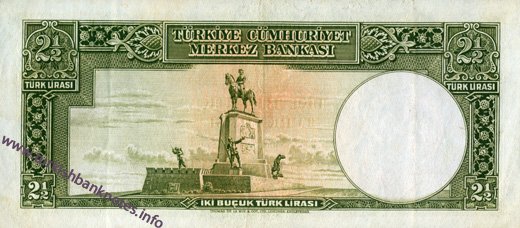
A competition was held to select the monument’s artist, ultimately won by Austrian sculptor Heinrich Krippel. His design features Atatürk on horseback, flanked by soldiers and a woman carrying a cannonball—each figure representing different facets of Turkish society and the war effort (Wikiwand). The neoclassical style is fused with Turkish motifs, emphasizing both national identity and universal themes of heroism and unity.
Construction and Restoration
Fabrication and Inauguration
The bronze statues were cast in Vienna and transported to Ankara, where they were mounted on a red stone and marble pedestal. Construction was completed in 1927, and the monument was inaugurated on November 24 of that year, marking a milestone in the new Republic’s development (whoisataturk.com).
Relocation and Preservation
Due to urban development, the monument was moved slightly south in 1947, and underwent restoration in 2002 to ensure its preservation for future generations.
Symbolism and National Identity
The Victory Monument is rich in symbolism:
- Central Figure: Atatürk on horseback, representing leadership and progress.
- Soldiers: Embody military valor and readiness.
- Woman with Cannonball: Reflects the essential contributions of Turkish women during the war.
- Youth Figure: Symbolizes the Republic’s commitment to education and the nation’s future (AramcoWorld).
The monument faces significant national institutions, integrating it into Turkey’s civic identity and daily life.
Visiting the Victory Monument
Location and Accessibility
- Address: Ulus Meydanı, Anafartalar Mahallesi, 06050 Altındağ/Ankara, Turkey.
- Getting There: Easily accessed by metro (Ulus Station, M1 line), city buses, and taxis. The area is pedestrian-friendly and suitable for all ages (Nomadic Niko).
Visiting Hours and Tickets
- Hours: 24/7, year-round. The site is illuminated at night.
- Admission: Free. No tickets required.
Travel Tips
- Best Times: Visit during daylight for detailed viewing and photography; evenings offer a peaceful, beautifully lit atmosphere.
- Attire: Wear comfortable shoes for walking.
- Facilities: Restrooms and refreshments are available in nearby cafes and shopping centers.
Nearby Attractions
- Museum of Anatolian Civilizations: A leading archaeological museum nearby.
- Ankara Castle: Offers panoramic city views.
- War of Independence Museum: Provides deep insight into the Republic’s founding.
- Hacı Bayram Mosque: A significant religious and cultural site.
Special Events and Tours
- The monument is a focal point for ceremonies on Republic Day (October 29) and Victory Day (August 30).
- Guided walking tours of Ankara’s historic center often include the monument (MissTourist, GPSmyCity).
Practical Visitor Information
- Accessibility: The square is wheelchair- and stroller-friendly, with ramps and smooth pavements.
- Safety: Ulus is lively and well-patrolled. Remain aware of belongings in crowds.
- Language: Most signage is in Turkish, but English-speaking guides and resources are available.
Etiquette and Cultural Notes
- Respect: The monument is a national symbol; avoid climbing and behave respectfully.
- Photography: Allowed for personal use; commercial shoots may require permission.
- Special Events: Expect larger crowds and official ceremonies on national holidays.
Frequently Asked Questions (FAQs)
Q: What are the monument’s visiting hours?
A: Open 24/7 as it is an outdoor public monument.
Q: Is there an admission fee?
A: No, it is free to visit.
Q: Is the monument accessible by wheelchair?
A: Yes, the surrounding square is accessible.
Q: Can I join a guided tour?
A: Yes, local operators and apps offer guided and self-guided tours.
Q: Are restrooms and facilities available?
A: Yes, in nearby cafes and public spaces.
Listen to the full story in the app
The whole Victory Monument,
told well.
Audio guides for 1,100+ cities across 96 countries. History, stories, and local insight — offline ready.
Verified, and shown.
Researched and written by the Audiala editorial team from historical records, architectural archives, and local expertise.
Researched from Wikidata, Wikipedia & official sources · fact-checked · How we make our guides →