Plan and listen to Opera Stage with Audiala.
Audio guide in your pocket, itinerary in your browser. Built for the way you actually visit.
Introduction to Ankara Opera House and Its Cultural Significance
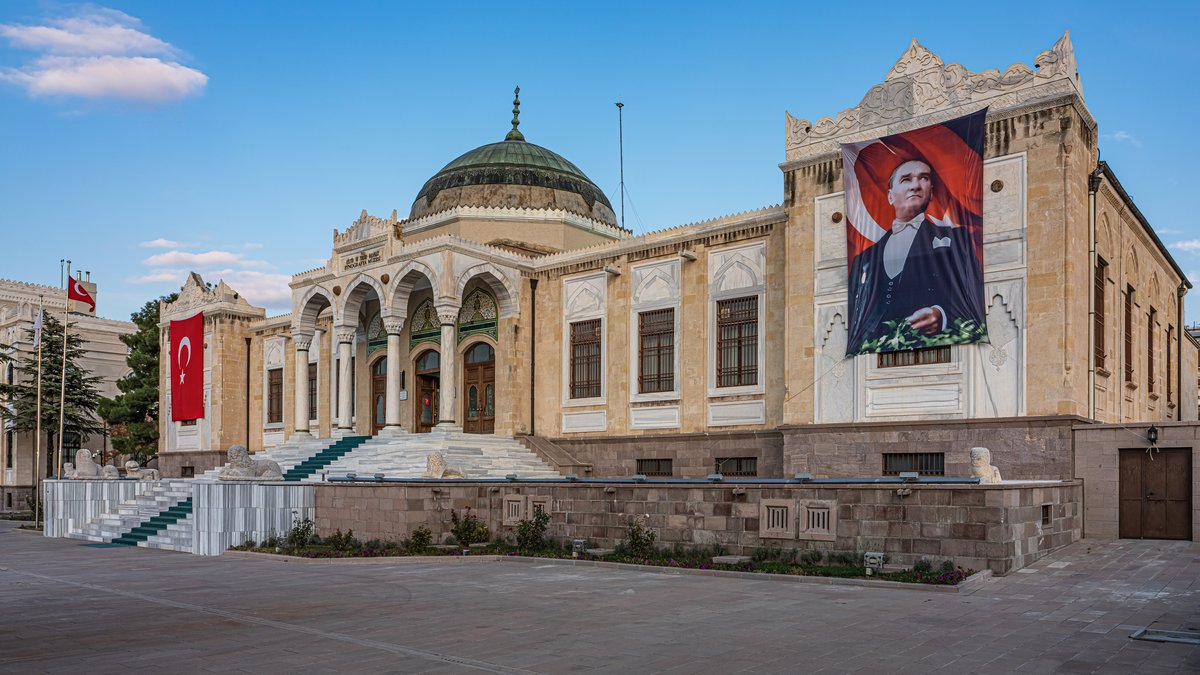
The Ankara Opera House, also known as the Opera Stage or Ankara State Opera House, is a revered cultural landmark in Turkey’s capital. Its roots are deeply tied to the early Republican period, reflecting the Turkish Republic’s vision for modernization, Westernization, and cultural rejuvenation after 1923. Originally designed as the Ankara Exhibition House by Şevki Balmumcu in 1933, it was converted into an opera and ballet venue by German architect Paul Bonatz between 1946 and 1948, merging modernist architectural principles with Turkish national motifs. This architectural synthesis stands as a living monument to Turkey’s cultural evolution and identity formation (Wikipedia: Ankara Opera House; Daily Sabah).
Today, the Opera House serves as the headquarters for the Turkish State Opera and Ballet, staging a diverse repertoire from classical operas and ballets to contemporary Turkish works. Its meticulously restored interiors and advanced stage technology offer visitors an immersive artistic experience. This guide delivers detailed insights into the Opera House’s history, architecture, visiting hours, ticketing, accessibility, nearby attractions, and travel tips for a rewarding visit (TripClap; operabase.com).
Historical Background and Architectural Evolution
Early Foundations: Republican Vision and the Exhibition House (1933–1946)
The Ankara Opera House originated in the early years of the Turkish Republic, when Ankara was chosen as the capital, symbolizing a break from the Ottoman past and a new era of modernization. As part of Atatürk’s reforms, the arts were prioritized to foster a renewed national identity (Wikipedia: Ankara Opera House).
In 1933, Şevki Balmumcu designed the Ankara Exhibition House, a prime example of early Republican modernist architecture featuring:
- Reinforced concrete construction
- Strip windows for natural light
- Skylighted roof
- Clean, minimalist façades
The Exhibition House opened in 1934 and quickly became a center for national conventions and cultural gatherings, notably hosting the first Turkish opera, “Özsoy,” in the same year (Daily Sabah).
Transformation into an Opera House: Bonatz Renovation (1946–1948)
By the 1940s, Ankara’s cultural needs had shifted toward dedicated performance venues. The transformation of the exhibition hall into an opera house was entrusted to Paul Bonatz, who merged the original modernist design with Turkish national motifs. Key elements of the renovation included:
- Addition of a fly tower for stage machinery
- Monumental, colonnaded entrance
- Sloped roof enhancing the silhouette
- Rich interior ornamentation, with chandeliers, stained glass, and murals by Turkish artists
The Opera House reopened in 1948 with a gala performance, marking a new era for opera and ballet in Turkey (Wikipedia: Turkish State Opera and Ballet).
Architectural Significance and Cultural Role
The building exemplifies the blend of international modernism and Turkish national styles, with minimalist exteriors contrasting with ornate interiors. It has hosted countless operas, ballets, concerts, and state ceremonies, symbolizing the Republic’s commitment to the arts (Wikipedia: Ankara Opera House; Daily Sabah).
Restoration and Preservation: 2017–2021
A major restoration from 2017 to 2021, led by Oraybir Construction and Restoration, returned the Opera House to its Bonatz-era appearance. The project included structural reinforcement, conservation of artworks, restoration of decorative elements, and modernization of stage technology, all while continuing to host performances (Wikipedia: Ankara Opera House).
The Opera House in Turkish Performing Arts
As the headquarters of the Turkish State Opera and Ballet, the venue has been central to the development of Turkish opera and ballet. Its influence extends to nurturing composers, performers, and choreographers, and introducing international works to Turkish audiences (Wikipedia: Turkish State Opera and Ballet; overyourplace.com).
Architectural Features and Design
The Opera House's architecture reflects early Republican ideals, merging modernist forms with Turkish decorative motifs. The main auditorium seats around 700, designed for optimal acoustics and sightlines. Advanced stage machinery, a spacious orchestra pit, and elegant foyers with marble and wood details highlight its blend of functionality and understated luxury. Large windows illuminate public areas, while the exterior’s arches and columns evoke both classical and modern traditions.
Cultural Importance and Role in Turkish Society
The Opera House is more than a venue; it is a symbol of Turkey’s embrace of Western art forms and the nation’s cosmopolitan aspirations. It supports Turkish artists, commissions new works, and hosts a diverse program including operas, ballets, symphonic concerts, family shows, and festivals.
Visitor Information
Location, Access, and Getting There
- Address: Atatürk Bulvarı No:20, Opera, 06250 Altındağ/Ankara, Turkey
- Public Transport: Accessible via Ankaray and Metro lines (Ulus and Kızılay stations), EGO buses, and taxis (destinationabroad.co.uk).
- Parking: Limited street parking; several paid lots nearby.
Accessibility
- Wheelchair access with ramps and elevators
- Designated seating for visitors with disabilities
- Assistive listening devices and accessible restrooms
Visiting Hours
- Box Office: 10:00 AM–8:00 PM on performance days
- Venue: Opens one hour before performances
- Guided Tours: May be arranged by request
Ticketing and Performances
- Purchase: Online via official website, at the box office, or through authorized sellers
- Prices: Typically 100–500 TRY; varies by show and seat
- Schedule: September to June, evening shows at 8:00 PM, with matinees on weekends (operabase.com)
- Dress Code: Smart casual; formal attire for galas recommended
- Language: Operas in original language with Turkish surtitles; program booklets often in both Turkish and English
Visitor Experience
- Cloakroom, restrooms, and café available
- Photography allowed only in public areas, not during performances
- No strict dress code, but smart attire is preferred
Guided Tours and Photographic Spots
Guided tours are available by prior arrangement, providing insights into the venue’s history and architecture. The grand entrance, foyer, and staircase offer excellent photo opportunities, especially before performances.
Best Times to Visit and Seasonal Considerations
- Optimal Periods: Spring (April–June) and autumn (September–October) for mild weather and a full schedule of performances (destinationabroad.co.uk).
- Special Events: Republic Day, Ankara International Music Festival, and other national celebrations feature special programming.
Surrounding Cultural Highlights and Historical Sites
- Museum of Anatolian Civilizations: Renowned archaeological collections (turkeythings.com)
- Ankara Castle: Panoramic views and artisan neighborhood
- Gençlik Parkı: Urban park adjacent to the Opera Stage (tripcrafters.com)
- Ethnography Museum: Turkish folk art and history
- Kızılay Square: Dining, shopping, and nightlife
- Hamamönü District: Restored Ottoman-era neighborhood
Dining and Accommodation
- Restaurants: Hacı Arif Bey (kebabs), Trilye (seafood), Ege Fish House (Aegean cuisine)
- Hotels: Radisson Blu Ankara, Hotel Ickale, Divan Ankara
Practical Tips for Visitors
- Language: Turkish is primary; English widely spoken at tourist venues
- Currency: Turkish Lira; credit cards accepted, cash recommended for small purchases
- Safety: Central areas are safe; use official taxis at night
- Weather: Bring layers in spring/autumn, sun protection in summer, and dress warmly in winter
- Etiquette: Silence phones, avoid talking during performances, and applaud after arias or acts
Frequently Asked Questions (FAQs)
Q: What are the visiting hours of the Ankara State Opera House?
A: Box office operates 10:00 AM–8:00 PM on show days; venue opens one hour before performances.
Q: How can I buy tickets?
A: Online via the official website, at the box office, or through authorized platforms.
Q: Is the Opera House accessible for people with disabilities?
A: Yes—ramps, elevators, and designated seating are provided.
Q: When is the best time to visit?
A: Spring and autumn for comfortable weather and a full performance schedule.
Q: Are guided tours available?
A: Yes, by request through the box office or official website.
Visuals and Interactive Media Recommendations
For an enhanced visit, explore official virtual tours and high-quality images of the Opera House’s interior and exterior. Look for visuals tagged with "Ankara State Opera House visiting hours" and "Ankara State Opera House tickets" for seamless trip planning.
Listen to the full story in the app
The whole Opera Stage,
told well.
Audio guides for 1,100+ cities across 96 countries. History, stories, and local insight — offline ready.

Verified, and shown.
Researched and written by the Audiala editorial team from historical records, architectural archives, and local expertise.
Researched from Wikidata, Wikipedia & official sources · fact-checked · How we make our guides →