Historical Background and Cultural Significance
Foundation and Patronage
Commissioned by Ottoman governor Youssef Dey and built between 1612 and 1615 CE, the Youssef Dey Mosque is a pivotal monument in Tunisian history. It was the first purpose-built Hanefite mosque in Tunis, responding to the growing Turkish community and marking a shift in the city’s religious landscape (Museum With No Frontiers).
The mosque’s establishment coincided with the Ottoman consolidation of power in Ifriqiya, symbolizing both political authority and the integration of Turkish religious practices.
Religious and Social Role
Functioning as a living mosque, Youssef Dey continues to serve local worshippers, especially during Friday prayers and religious festivals. Its proximity to the Medina’s souks highlights its traditional role as both a spiritual and community hub. The inclusion of the founder’s mausoleum within the mosque complex also reflects Ottoman customs, blending religious devotion with personal commemoration (Carthage Magazine).
Multicultural Heritage
Tunis, and by extension nearby La Marsa, is a city of religious diversity, home to mosques, churches, and synagogues. The Youssef Dey Mosque is part of this broader cultural fabric, representing centuries of coexistence and exchange (Carthage Magazine).
Architectural Innovations and Features
Urban Integration and Complex Layout
Inspired by the Ottoman külliye (multi-functional religious complexes), the mosque is integrated with commercial arcades and the bustling Souk Bshamkiya, connecting spiritual and daily life activities within a single urban block (Zaher Kammoun).
Key Features
- U-shaped Courtyard Unlike traditional Tunisian mosques with a single courtyard, Youssef Dey features courtyards on three sides of the prayer hall, enhancing light and movement.
- Octagonal Minaret The mosque’s slender, 22-meter-high minaret, rising from a square base and topped with a balcony and green-tiled roof, marks a radical departure from square North African minarets, showcasing Ottoman influence (Museum With No Frontiers).
- Founder’s Mausoleum (Turbe) The mausoleum is physically integrated into the mosque’s facade and houses the tomb of Youssef Dey and his family, a feature unprecedented in Tunis at the time.
- Prayer Hall The rectangular prayer hall measures roughly 27.3 by 24.4 meters, with nine aisles and seven bays supported by 48 columns (many spolia from older structures). A dome covers the mihrab bay, while groin vaults enhance acoustics and space.
- Mihrab and Minbar The mihrab is adorned with colored marble and sculpted plaster, while the minbar—a pulpit faced with polychrome marble—was innovative compared to the wooden minbars of earlier periods.
- Mahfil and Khatma Raised wooden galleries and lecterns are rare Ottoman features introduced in this mosque.
- Materiality Decorative elements include marble, painted wood, colorful tiles, and epigraphic motifs.
Practical Visitor Information
Visiting Hours
- Open Daily, 8:00 AM–12:00 PM and 2:00 PM–6:00 PM.
- Note Closed to non-Muslims during prayer times and religious festivals. Friday midday prayers (Jumu’ah) are especially busy.
Tickets and Entry
- Admission Free. No tickets required.
- Donations Welcome to support ongoing maintenance.
Accessibility
- The mosque is situated within the pedestrianized Medina of Tunis, accessible by foot or public transit. Narrow, uneven streets may challenge visitors with mobility concerns, but the mosque’s main courtyard and prayer hall are generally accessible with assistance.
Dress Code and Etiquette
- Men Long trousers and sleeved shirts.
- Women Modest, loose-fitting clothing covering arms and legs; a headscarf is recommended.
- Shoes Remove before entering the prayer hall.
- Behavior Maintain silence and reverence, avoid photography during prayers, and always ask permission before photographing people (Arabic Online).
Travel Tips and Nearby Attractions
- Guided Tours Available through local tour operators or the Medina Visitor Center (Evendo).
- Nearby Sights
- Kasbah Mosque
- Zitouna Mosque
- Souk el Attarine (perfumes/spices)
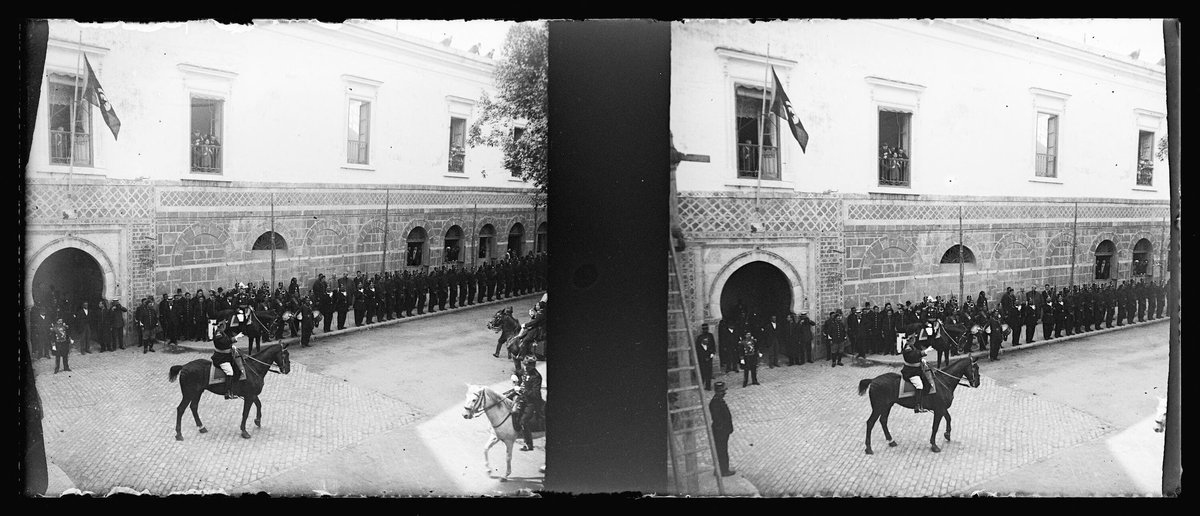
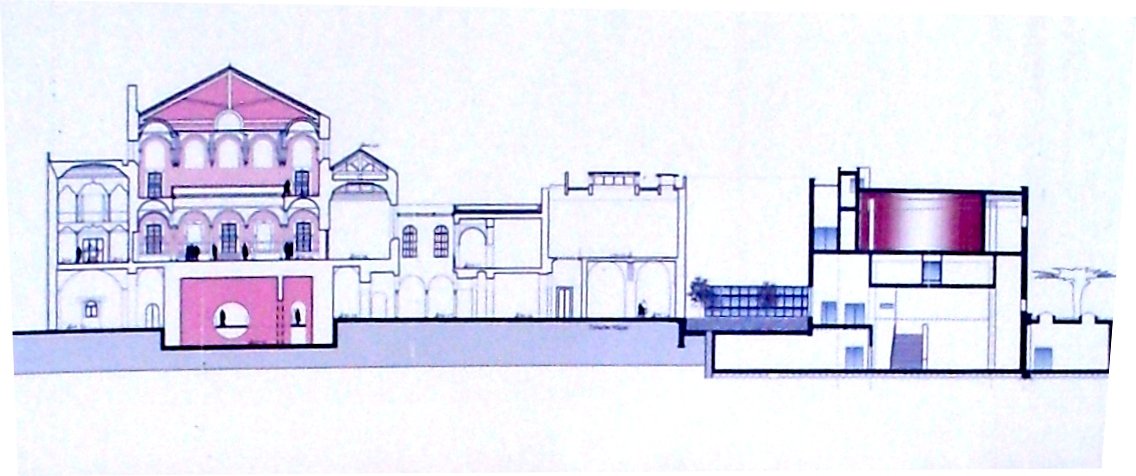
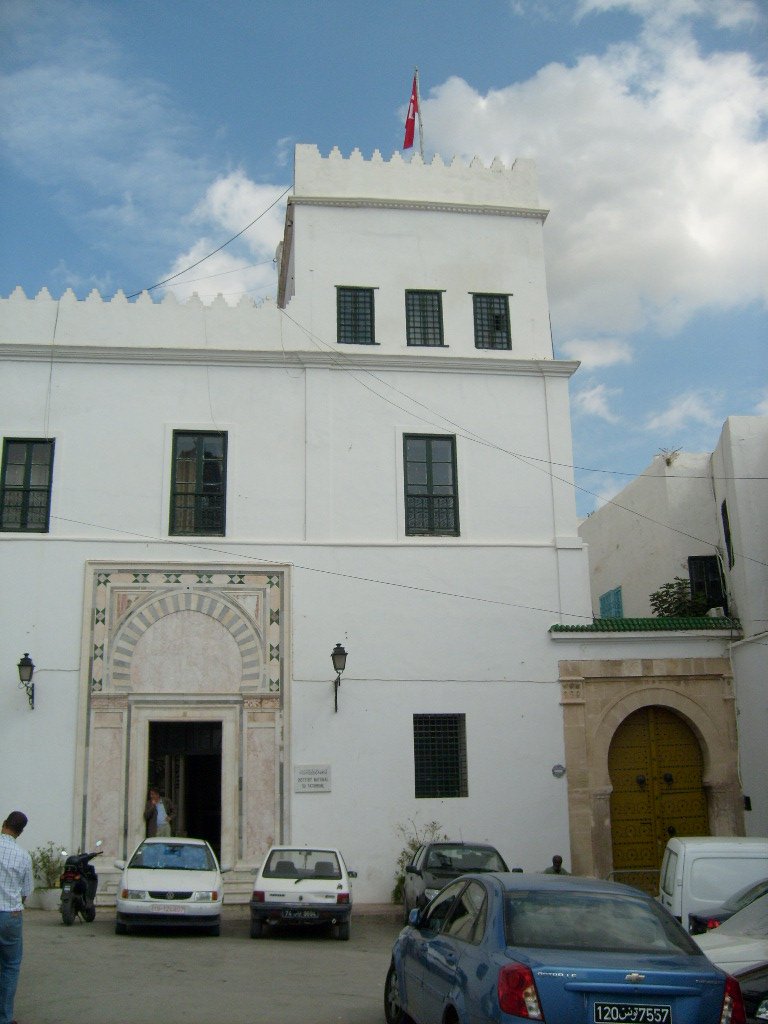
- Dar Hussein (National Institute of Heritage)
- La Marsa, Sidi Bou Said, Carthage archaeological sites
- Dining Sample Tunisian specialties at Medina cafés or modern restaurants in La Marsa.
Influence on Tunisian Mosque Architecture
Youssef Dey Mosque’s innovations, especially the octagonal minaret and the integration of mausoleum and mosque, influenced subsequent religious architecture in Tunisia. These elements, along with the U-shaped courtyard and portico, were adopted in later mosques, demonstrating the mosque’s pivotal role in the evolution of North African Islamic architecture (Museum With No Frontiers).
Preservation and Scholarly Recognition
The mosque is featured in numerous academic studies and heritage exhibitions, including the “Discover Islamic Art” project, and has been documented by scholars such as M. B. Ben Mami, G. Marçais, and L. Golvin. Conservation efforts continue to ensure its preservation as a cultural and religious landmark (Museum With No Frontiers).
Frequently Asked Questions (FAQs)
Q: What are the Youssef Dey Mosque visiting hours?
A: Open daily from 8:00 AM to 12:00 PM and 2:00 PM to 6:00 PM; closed to non-Muslims during prayer times.
Q: Is there an entry fee?
A: No, admission is free.
Q: Can non-Muslims enter the mosque?
A: Non-Muslims may access the courtyard and exterior areas but usually not the main prayer hall.
Q: Are guided tours available?
A: Yes, through local agencies and Medina walking tours.
Q: Is the mosque accessible for visitors with disabilities?
A: Main areas are accessible with assistance, but the Medina’s narrow streets may pose challenges.
Q: Can visitors take photographs?
A: Allowed in exterior/courtyard; inside, always request permission and avoid flash or photographing worshippers.