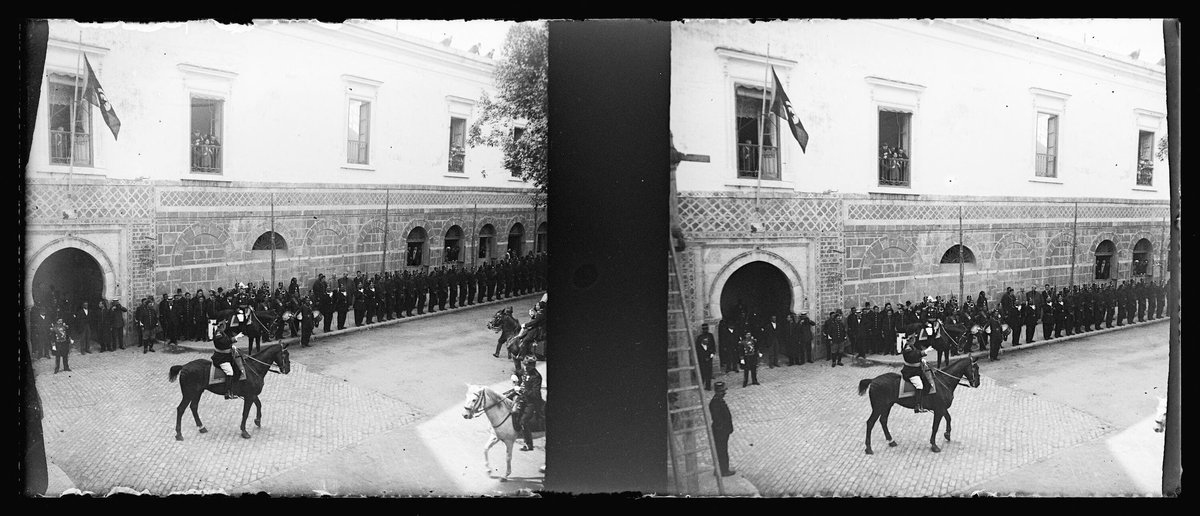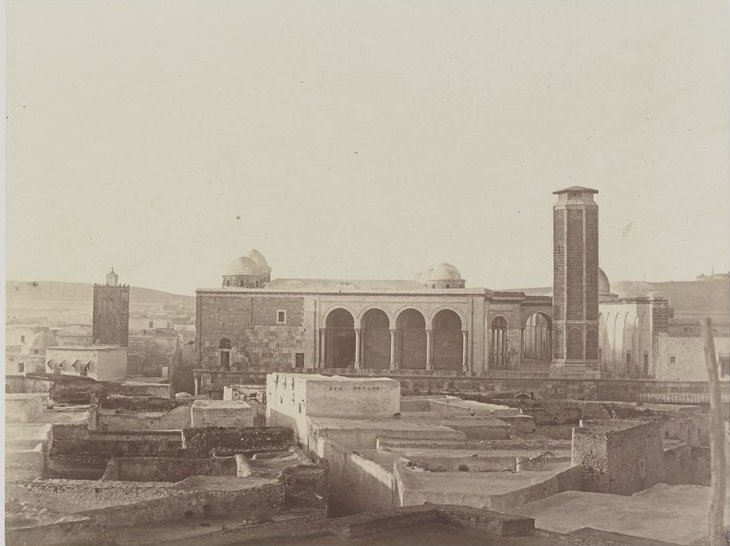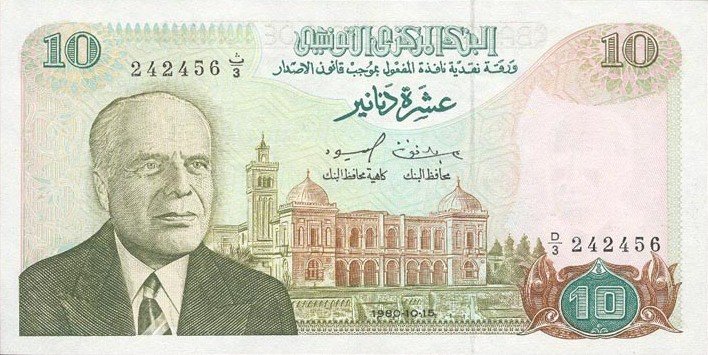

Historical Significance and Husainid Legacy
Origins and Foundation
Commissioned in the mid-18th century by Ali II ibn Hussein, Tourbet El Bey was designed as the principal necropolis for the Husainid rulers, their consorts, and distinguished members of the royal court (Wikipedia; Patrimoine de Tunisie). Its strategic placement in the Medina, near the Madrasa Husseiniya and other religious institutions, reinforced the dynasty’s legitimacy and integration into the spiritual and urban fabric of Tunis.
Dynastic Burials and Symbolism
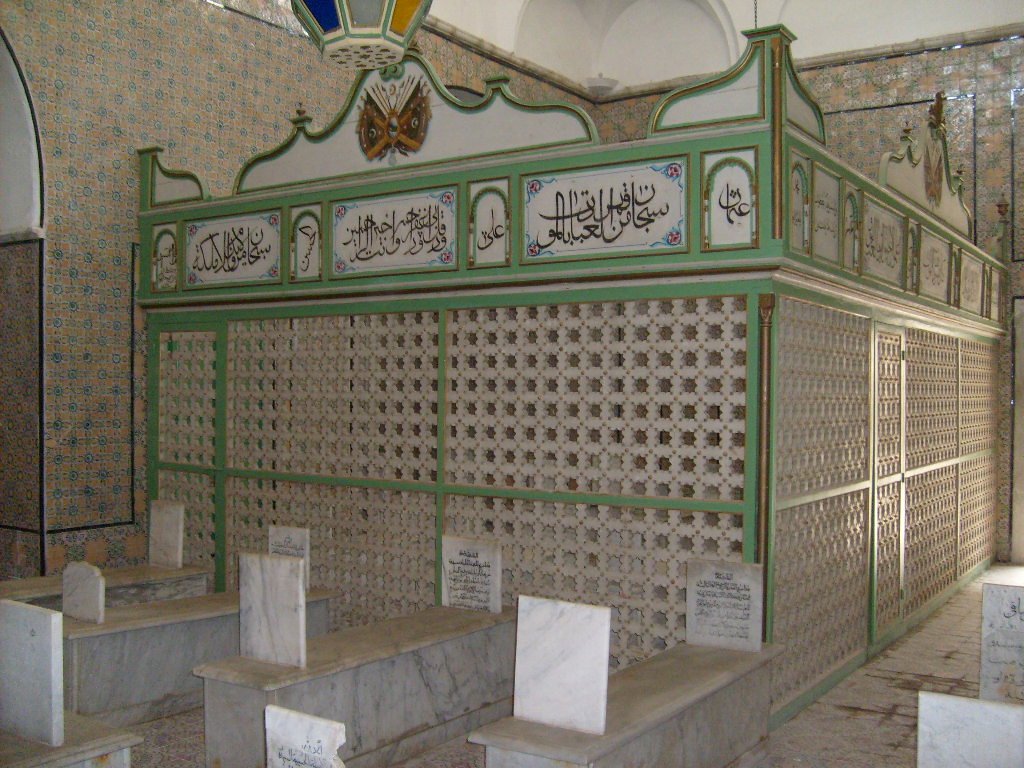
The mausoleum is divided into separate chambers for reigning beys, their wives, heirs, ministers, and loyal servants (La Presse). Not all Husainid rulers are buried here—some, including the dynasty’s founder, rest in other historic sites across Tunisia. The layout and elaborate sarcophagi reflect both the hierarchical order and the inclusive nature of the dynasty’s court.
Preservation and Restoration
Over time, Tourbet El Bey suffered from neglect and partial squatting, leading to significant deterioration. In 1990, the Institut National du Patrimoine (INP) launched a comprehensive restoration, stabilizing the structure and reviving its artistic elements (voyage-tunisie.info). Ongoing maintenance ensures that this unique monument continues to serve as a touchstone for historical memory and cultural pride.
Architectural Features and Artistic Highlights
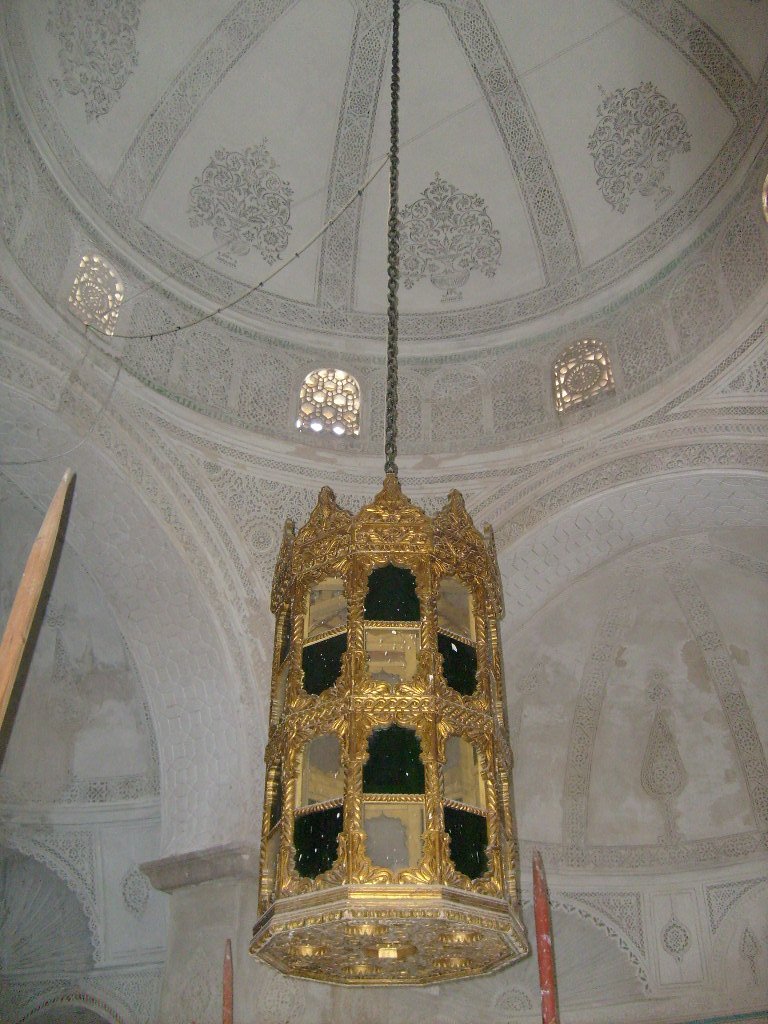
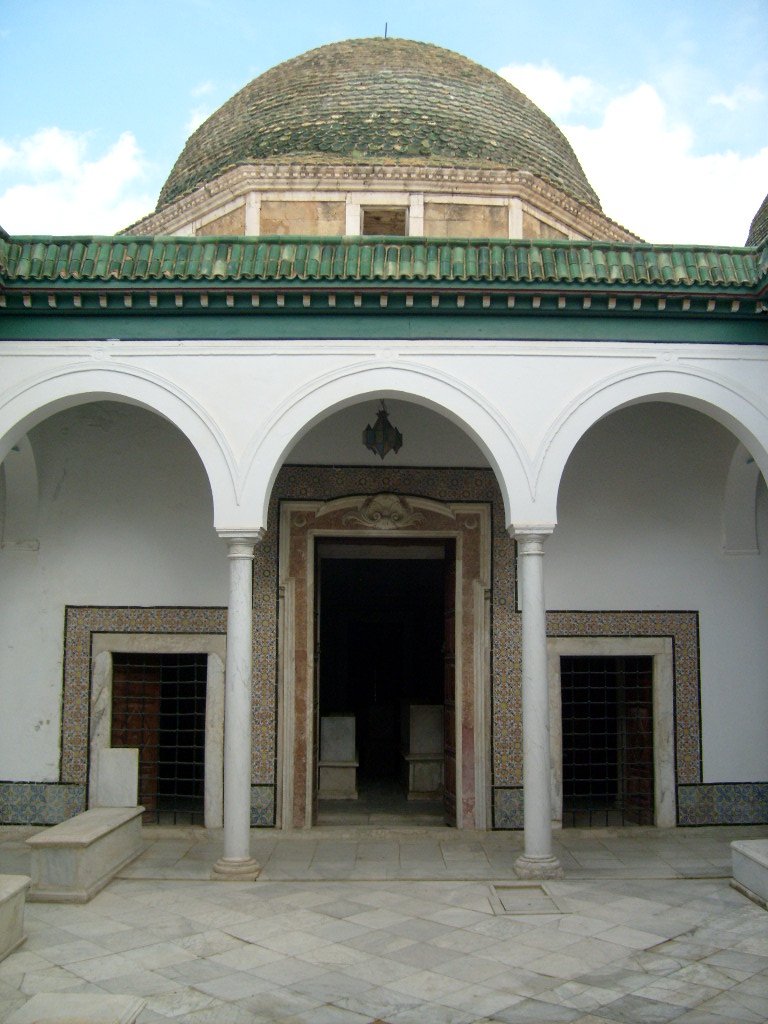
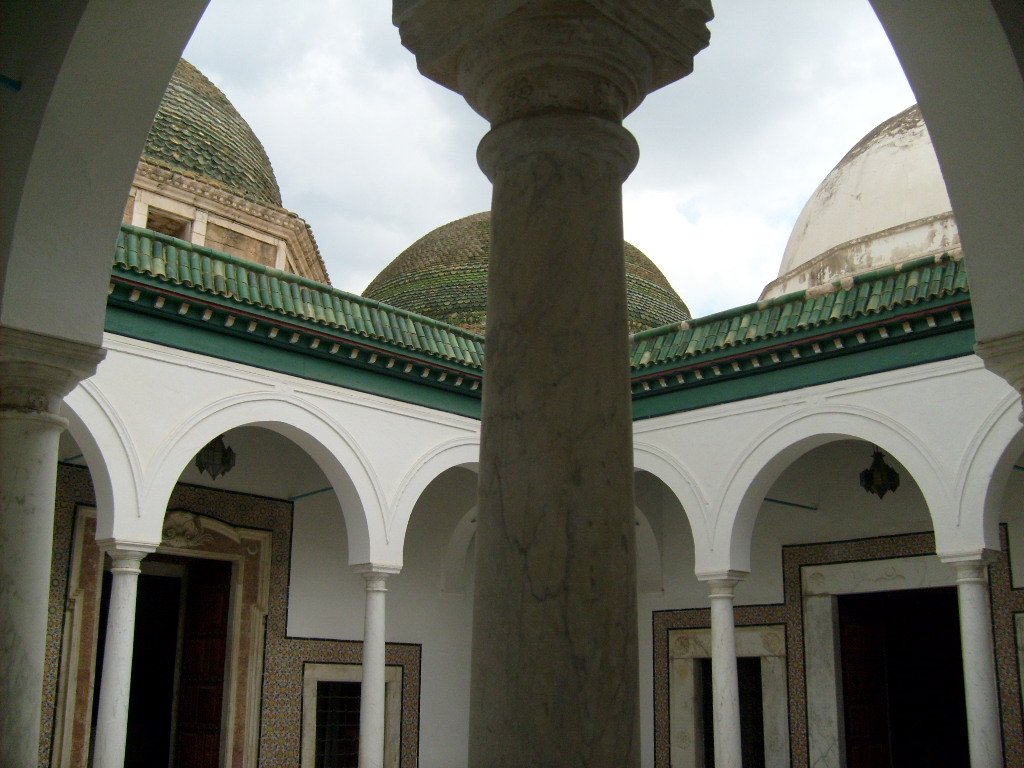
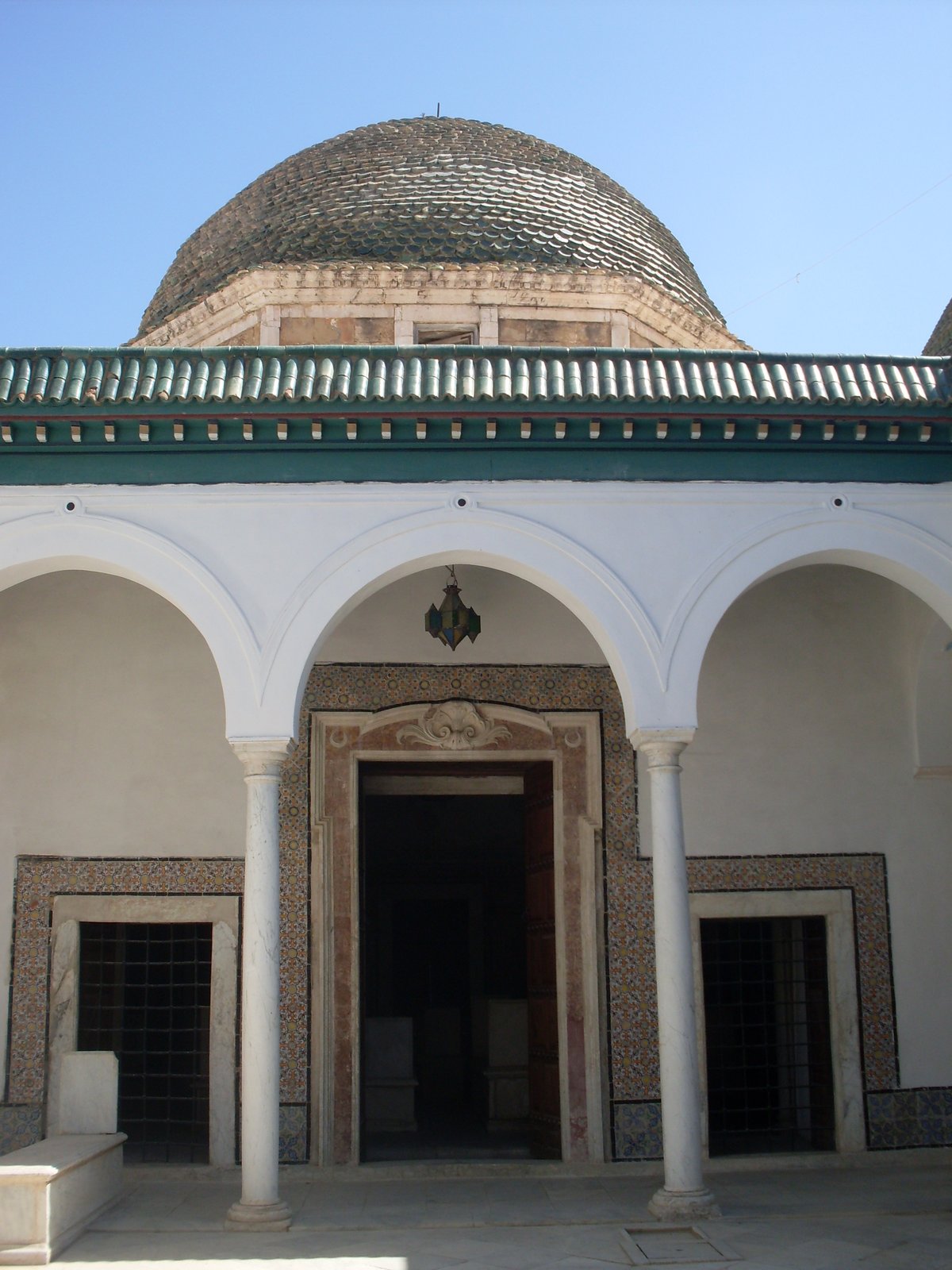
Tourbet El Bey’s architecture harmoniously fuses Ottoman, Andalusian, and Tunisian influences. Its irregular quadrangular footprint is crowned by green, fish-scale domes—a visual signature in Tunis’s skyline (travelmag.com; lonelyplanet.com).
Interior Layout
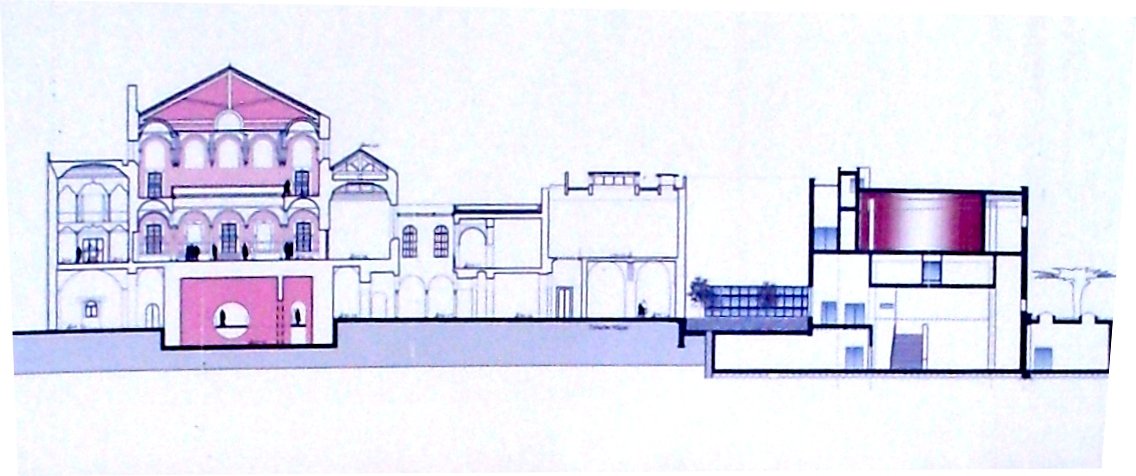
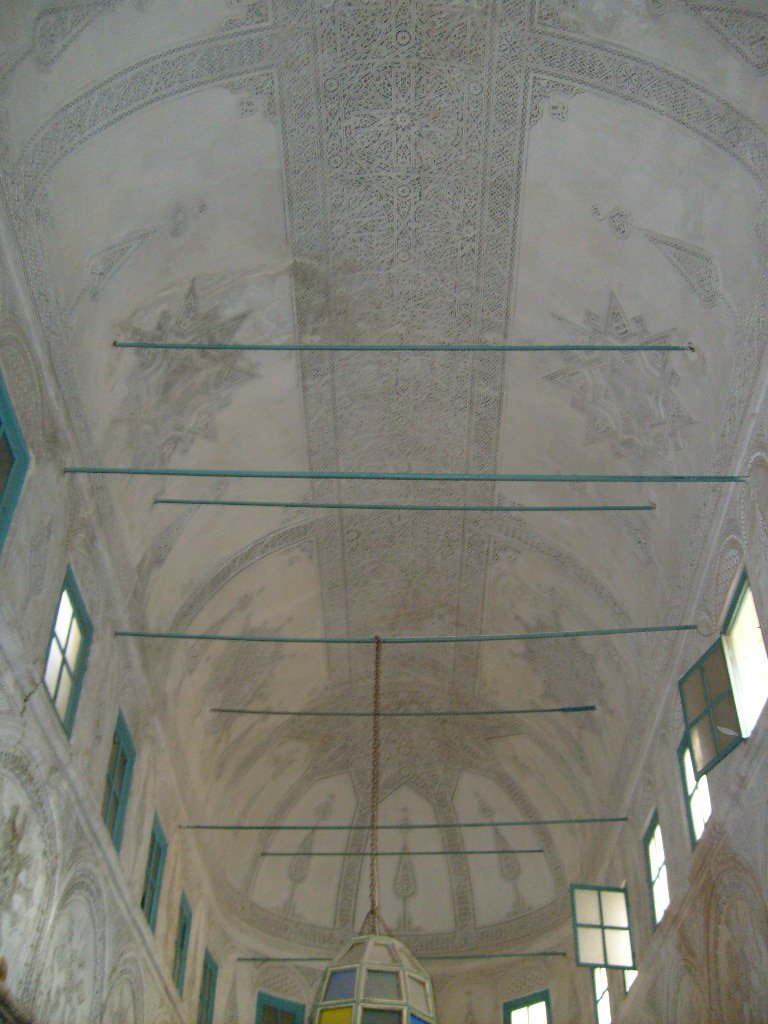
- Chambers and Courtyards The complex features multiple domed rooms and two open-air courtyards, allowing natural light to illuminate the vibrant interior.
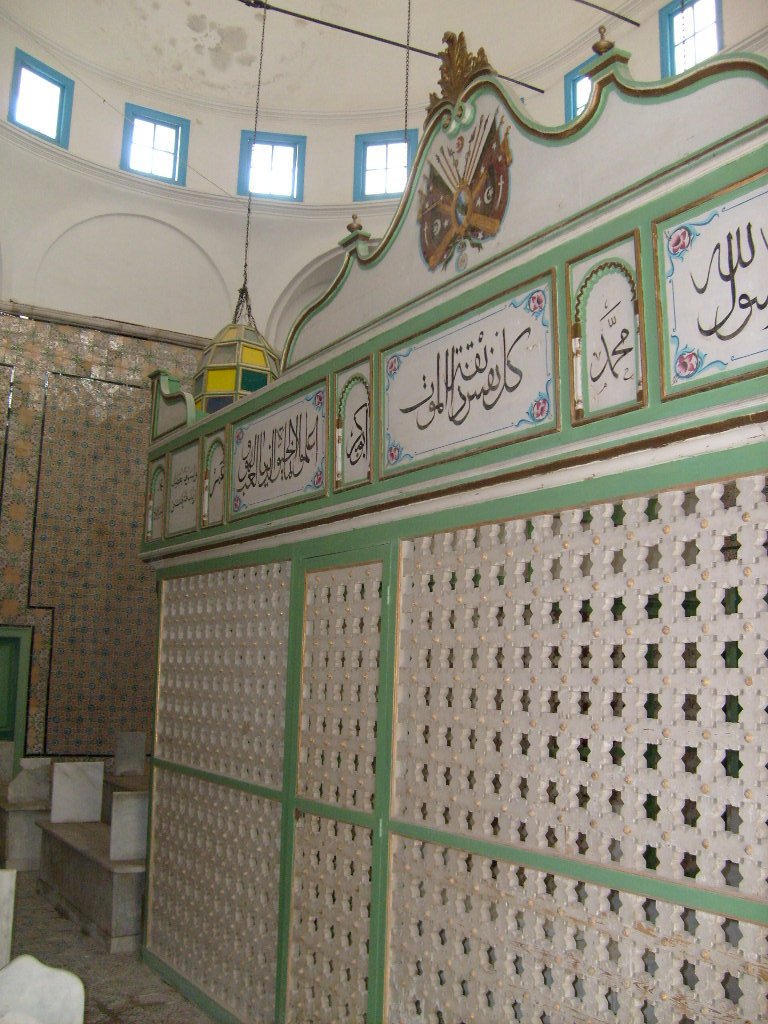
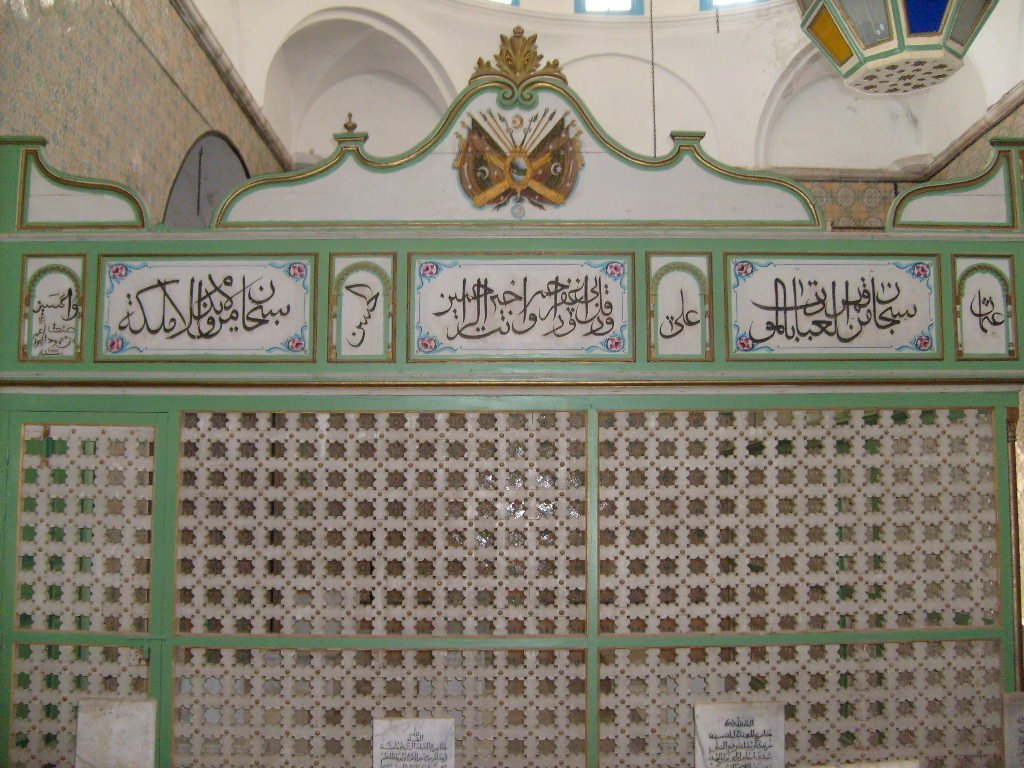
- Tombs Marble sarcophagi with unique headgear (such as turbans and chechias) denote rank and status; women’s tombs are marked by engraved marble plaques (voyage-tunisie.info).
Decorative Arts
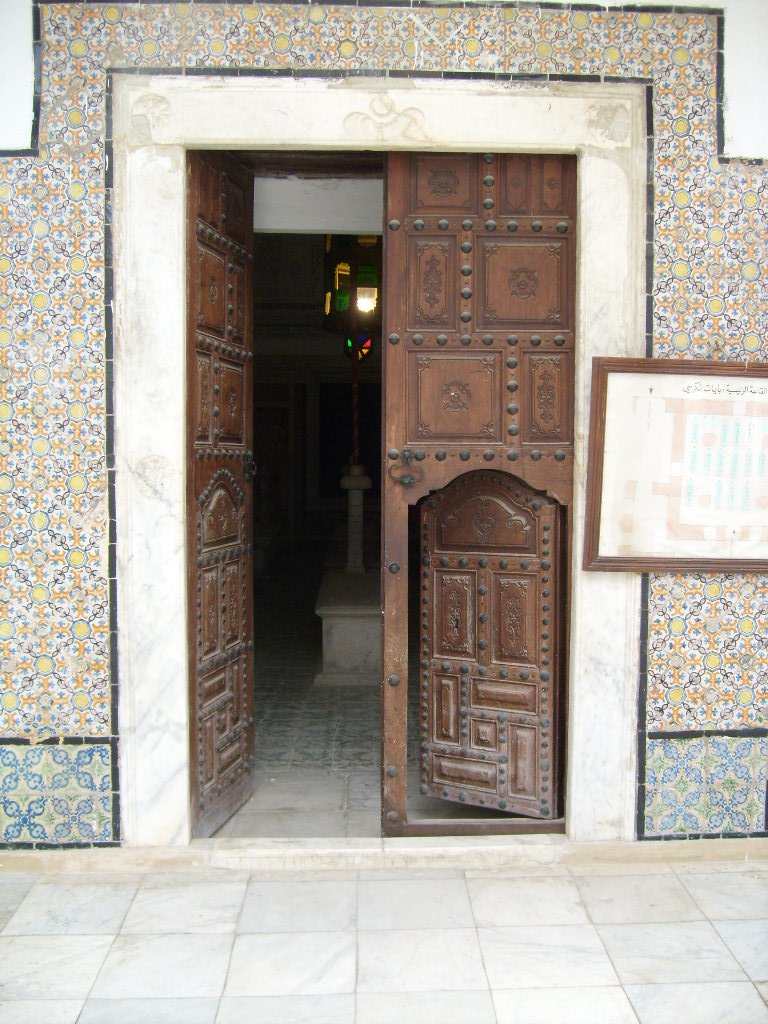
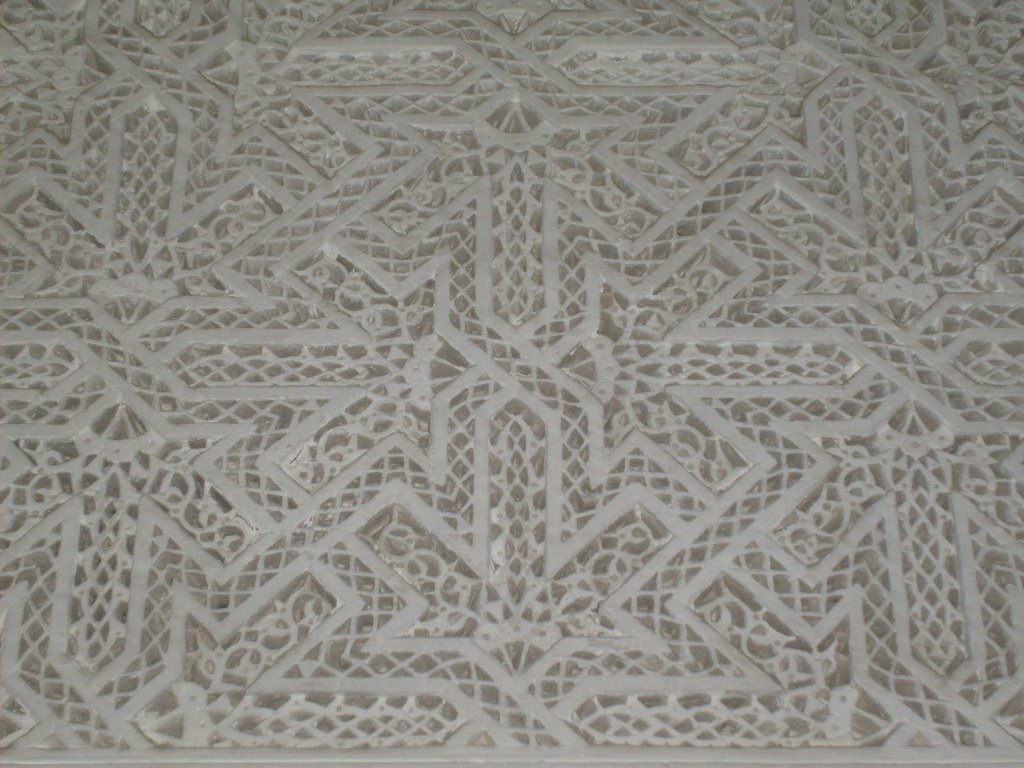
- Zellige Tilework Vivid ceramic tiles in geometric and floral patterns adorn the walls.
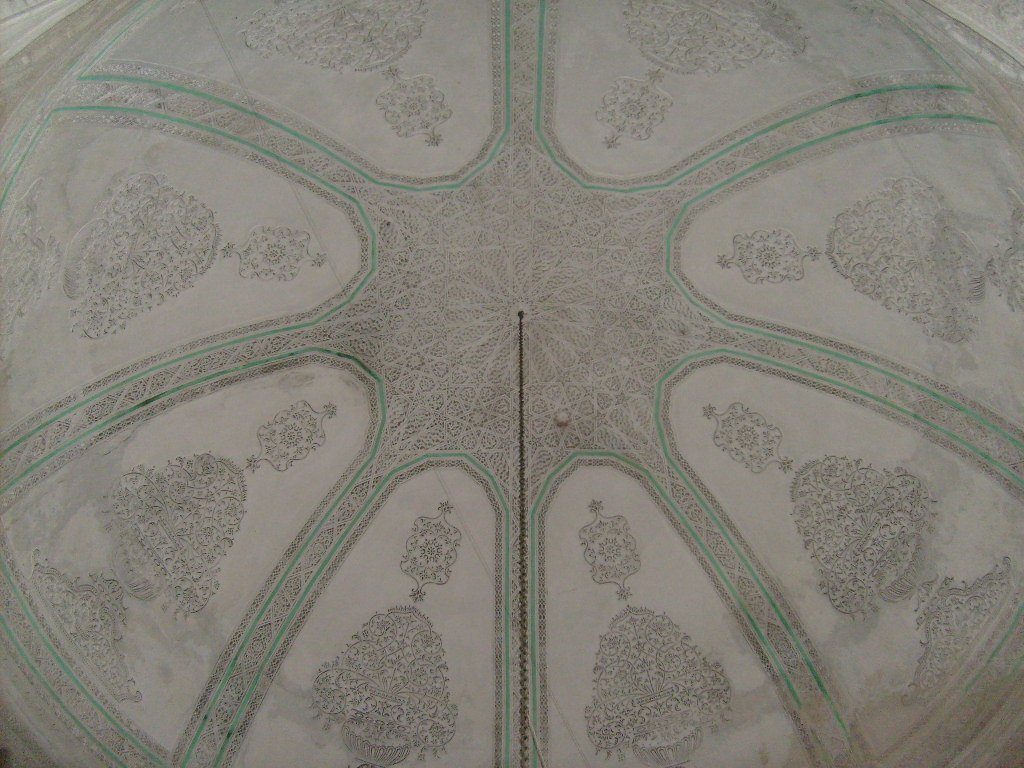
- Stucco and Muqarnas Ceilings and domes display intricate plasterwork and stalactite-like ornamentation.
- Calligraphy Arabic inscriptions feature Quranic verses, dedications, and the names and achievements of those interred (travelmag.com).
These elements not only showcase the Husainid court’s artistic taste but also serve functional purposes, such as regulating interior temperatures.
Visiting Hours, Tickets, and Accessibility
Official Visiting Hours
- Typical Hours The mausoleum is usually open from Tuesday to Sunday, 9:00 AM–5:00 PM, and closed on Mondays and public holidays (travelmag.com).
- Note Due to restoration work and occasional changes, hours may vary. Always confirm with local tourism offices or your accommodation before your visit (lonelyplanet.com).
Tickets and Entrance Fees
- Standard Fee Approximately 5–10 Tunisian Dinars for adults.
- Discounts Available for students, seniors, and children under 12 (free); group rates may apply.
- Purchase Tickets are sold at the entrance. Online options are limited; advance booking is rarely necessary.
Accessibility
While accessibility has been partially improved (ramps and pathways), some historic features—uneven floors, narrow doorways, and steps—may pose challenges for visitors with mobility impairments. Contacting site management ahead of time is recommended for those needing special assistance.
Visitor Experience and Etiquette
Atmosphere
Tourbet El Bey offers a serene, contemplative environment. Its peaceful courtyards and intricately adorned chambers provide a respite from the bustling Medina.
Photography
Photography is permitted in most areas, but always ask attendants before photographing inside tomb chambers. Use of flash or tripods may be restricted to protect delicate surfaces.
Visitor Conduct
- Dress modestly.
- Maintain silence and respect in tomb areas.
- Do not touch or sit on tombs and decorative elements.
- Be mindful during prayer times or religious holidays, which may restrict access.
Nearby Attractions in the Medina of Tunis
Tourbet El Bey’s location places it within easy walking distance of several other major historical and cultural sites:
- Zitouna Mosque The spiritual heart of the Medina, dating to the 8th century.
- Souq des Chechias A traditional market specializing in Tunisian caps.
- Marché Centrale The central market for local food and produce.
- Dar Ben Abdallah Museum Showcasing traditional Tunisian life.
- Bardo Museum Renowned for its Roman mosaics (about 2.3 miles away).
A combined itinerary of these sites offers a rich day of cultural discovery (wanderboat.ai).
Dining and Amenities
There are no restrooms or cafés at Tourbet El Bey. Nearby, however, you’ll find some of Tunis’s best dining options:
- Dar El Jeld Elegant local cuisine.
- Fondouk El Attarine Traditional dishes in a historic caravanserai.
- El Ali Restaurant & Cafe Perfect for refreshments with Medina views.
- Dar Slah and Essaraya Restaurant: Authentic Tunisian fare.
Frequently Asked Questions (FAQs)
Q: What are Tourbet El Bey's visiting hours?
A: Typically open Tuesday to Sunday, 9:00 AM–5:00 PM; closed Mondays. Always confirm before visiting.
Q: How much is the entrance fee?
A: Approximately 5–10 Tunisian Dinars, with discounts for students, seniors, and groups.
Q: Can I take photographs inside?
A: Photography is generally allowed, but seek permission in sensitive areas.
Q: Is the site accessible for people with disabilities?
A: Some improvements exist, but certain areas may be challenging due to the historic structure.
Q: Are guided tours available?
A: Yes, tours in Arabic, French, and English may be arranged on site or through local operators.
Summary Table: Key Visitor Information
| Aspect | Details |
|---|---|
| Location | 7 Rue du Chateau, Medina of Tunis |
| Visiting Hours | Tues–Sun, 9:00 AM–5:00 PM; check locally for updates |
| Tickets and Fees | 5–10 Tunisian Dinars; discounts available |
| Duration of Visit | 15–30 minutes |
| Accessibility | Partial; uneven floors and steps |
| Facilities | No restrooms or café on site |
| Dress Code | Modest attire recommended |
| Nearby Attractions | Zitouna Mosque, Souq des Chechias, Bardo Museum, Dar Ben Abdallah |
Final Tips
Tourbet El Bey is an essential destination for those seeking to connect with Tunisia’s royal past and appreciate the artistry of its golden age. Plan ahead by confirming visiting hours and ticket details, respect the site’s solemnity, and consider combining your visit with other Medina highlights for a comprehensive experience of Tunis’s historical heart.
For additional travel tips and updates, download the Audiala app and explore our related posts on Tunisian heritage sites.
Audiala2024