
Origins and Patron Saint
The Sidi Mahrez Mosque was constructed between 1692 and 1697 under Mohamed Bey El Mouradi of the Muradid dynasty, reflecting the Ottoman Empire’s influence on Tunisia during this period. The mosque honors Sidi Mahrez ibn Khalaf (950–1022), an esteemed Islamic scholar and mystic venerated as the spiritual protector of Tunis. His nearby mausoleum (zaouia) remains a focal point for local pilgrimage and religious festivities, reinforcing the area’s spiritual magnetism (JSTOR).
Architectural Features
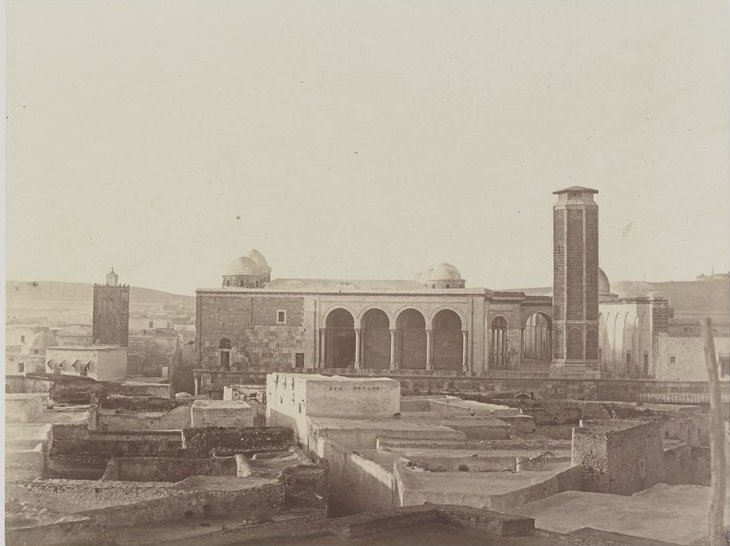
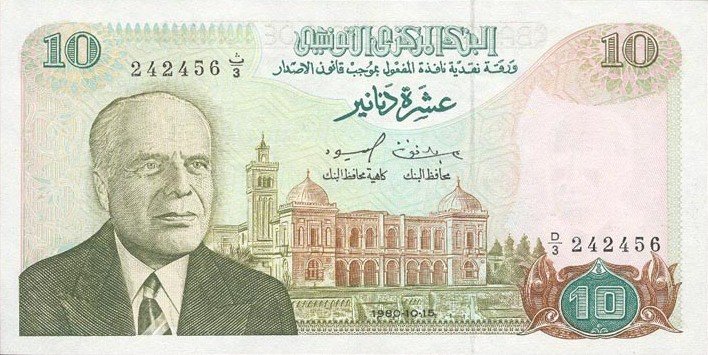
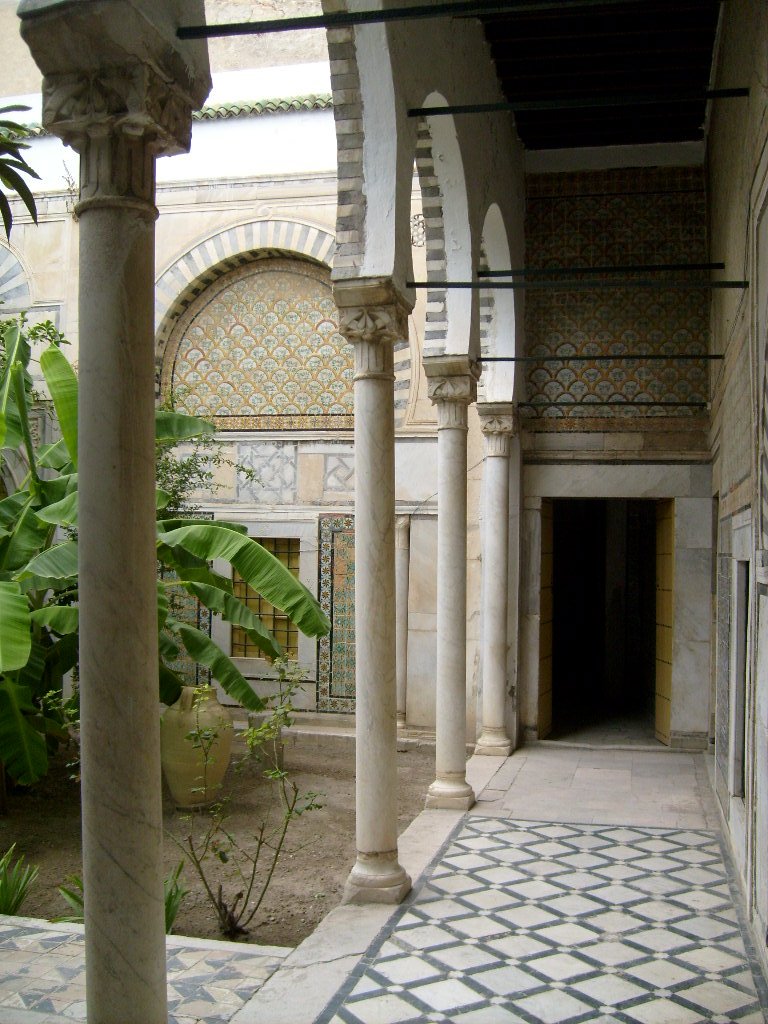
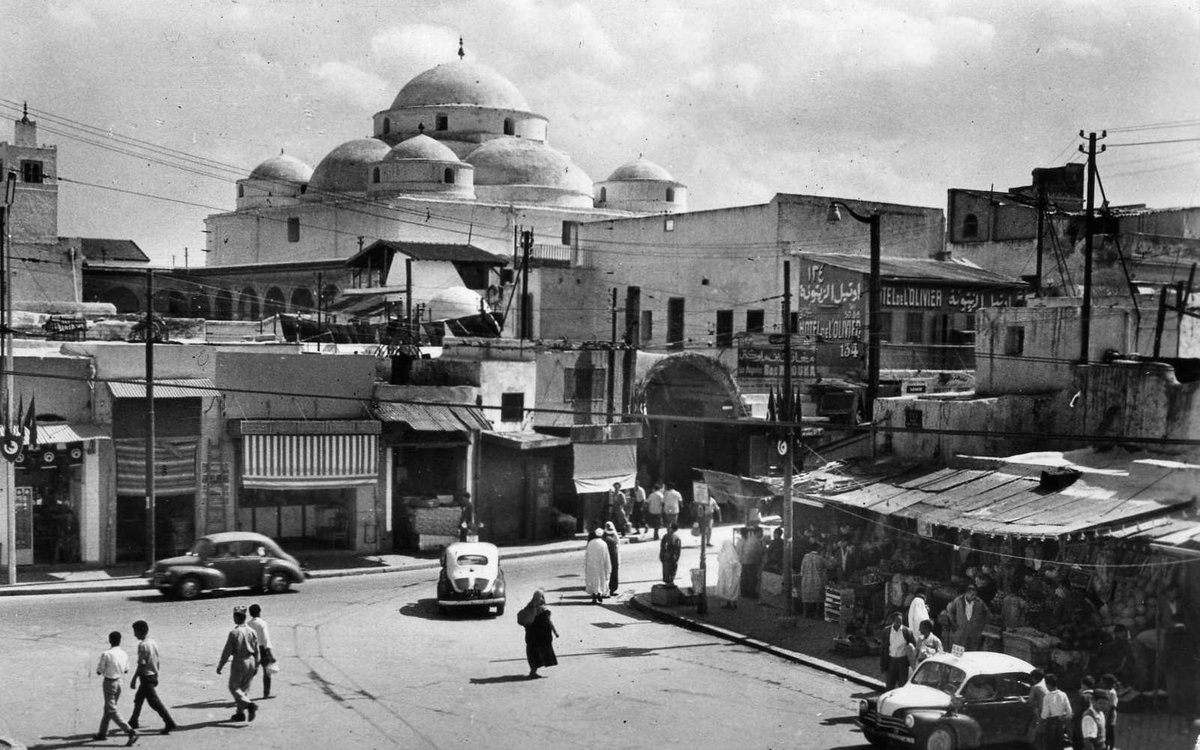
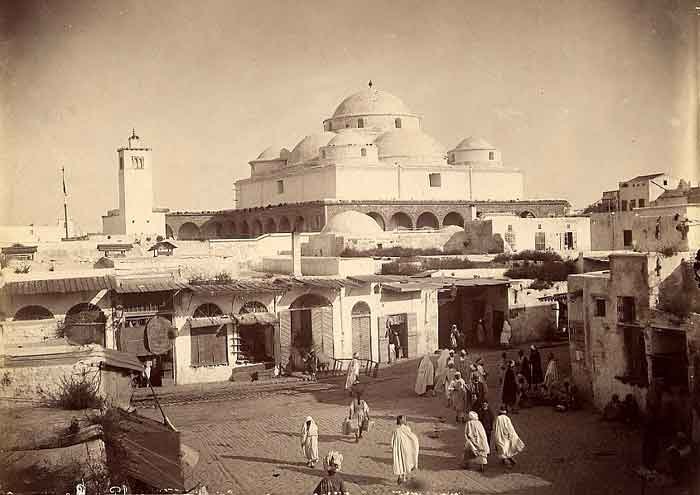
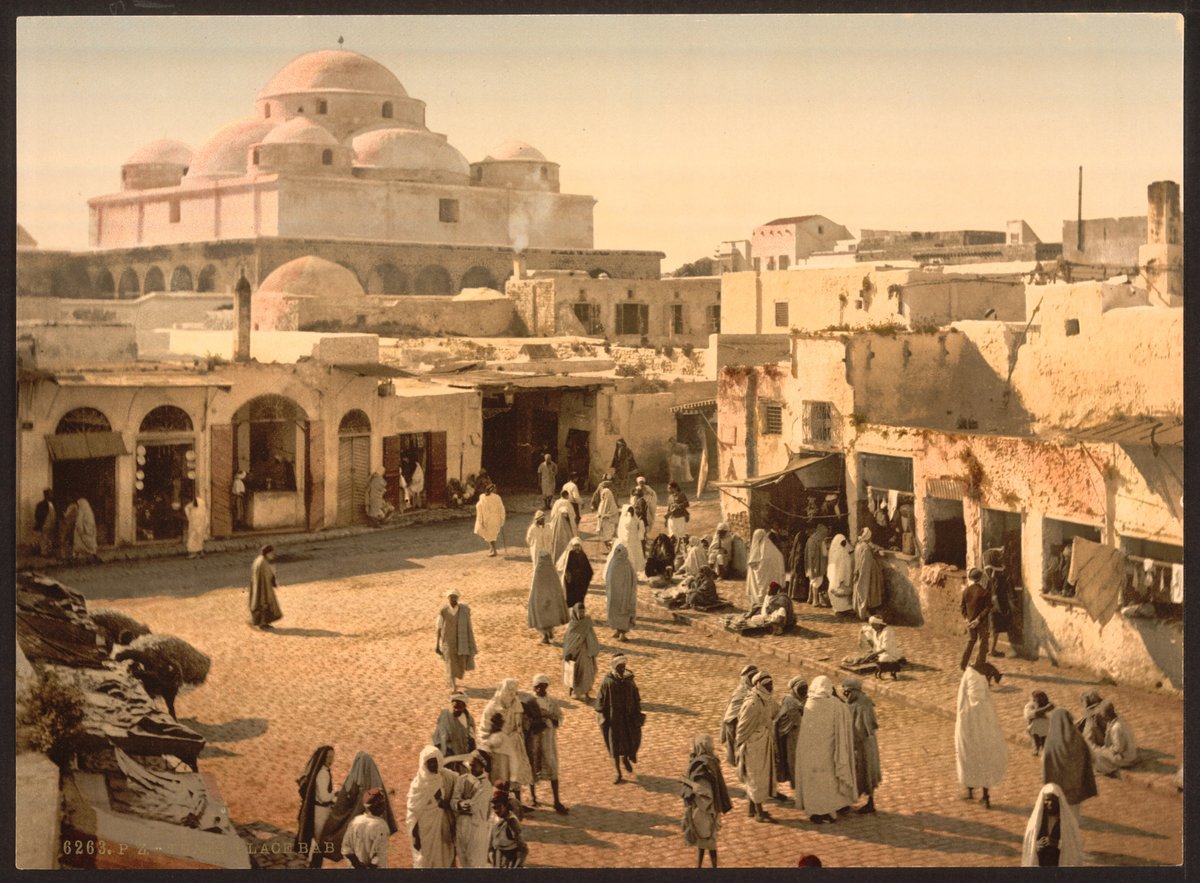
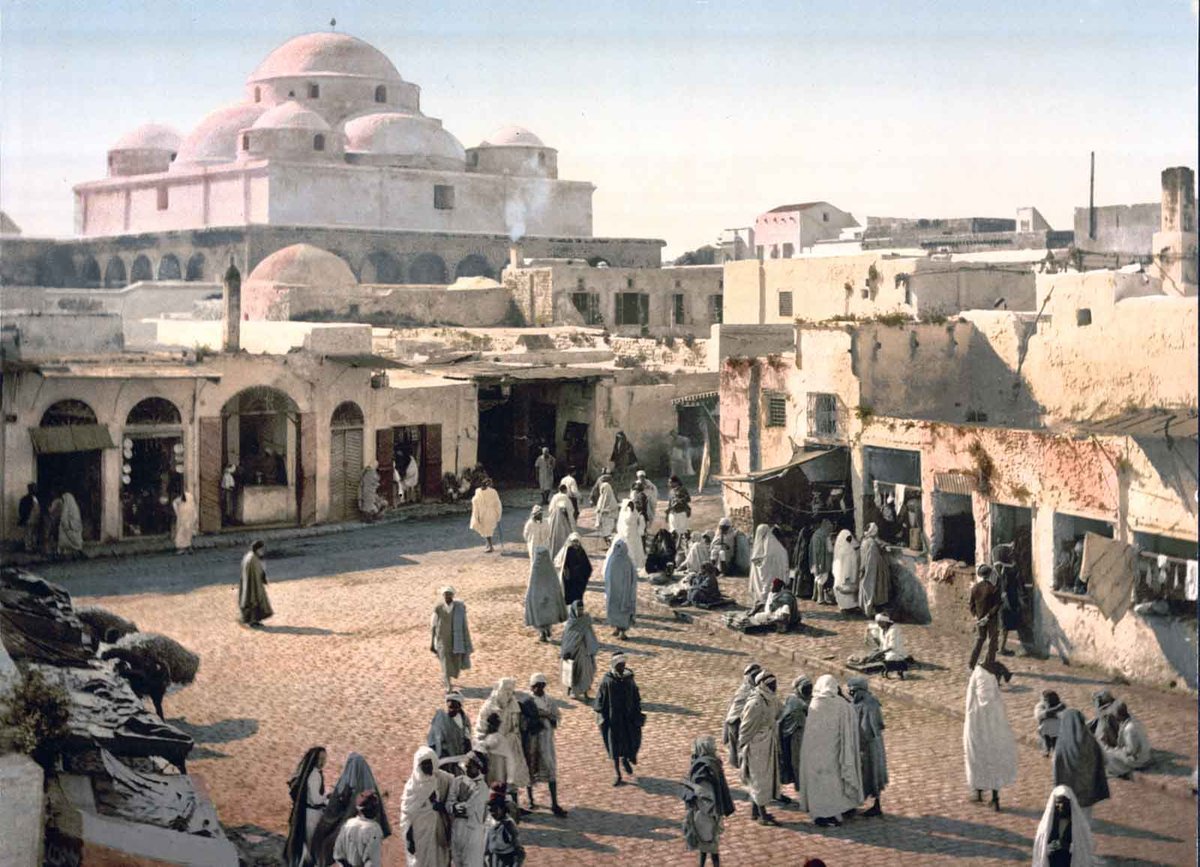
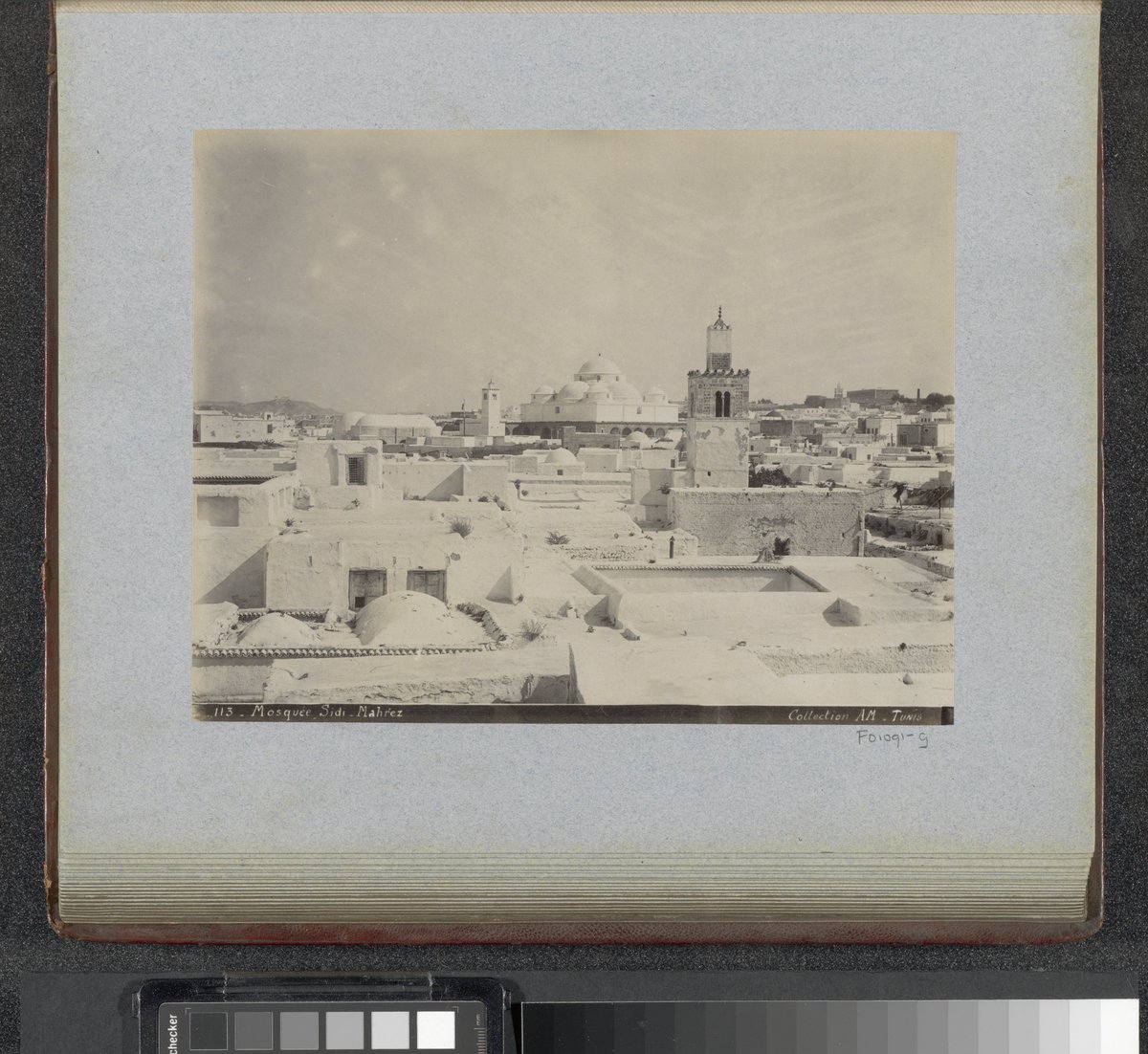
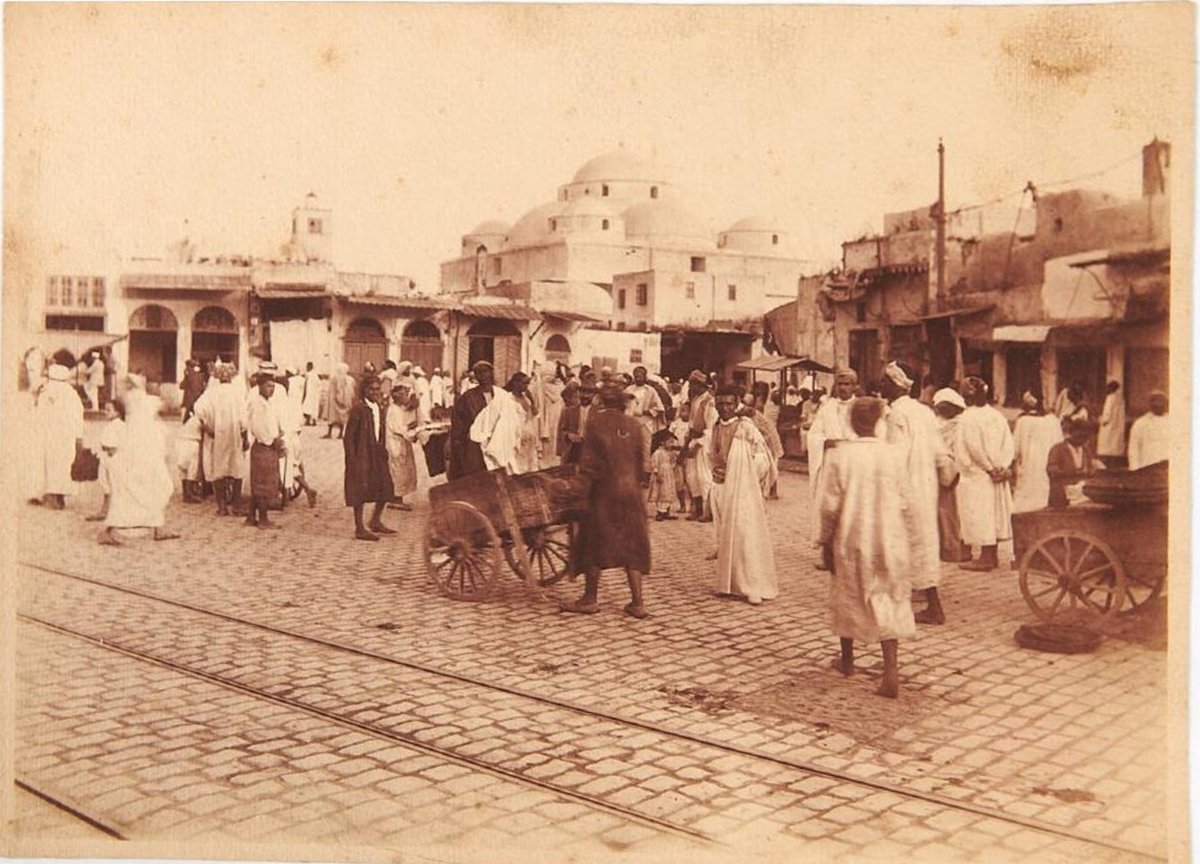
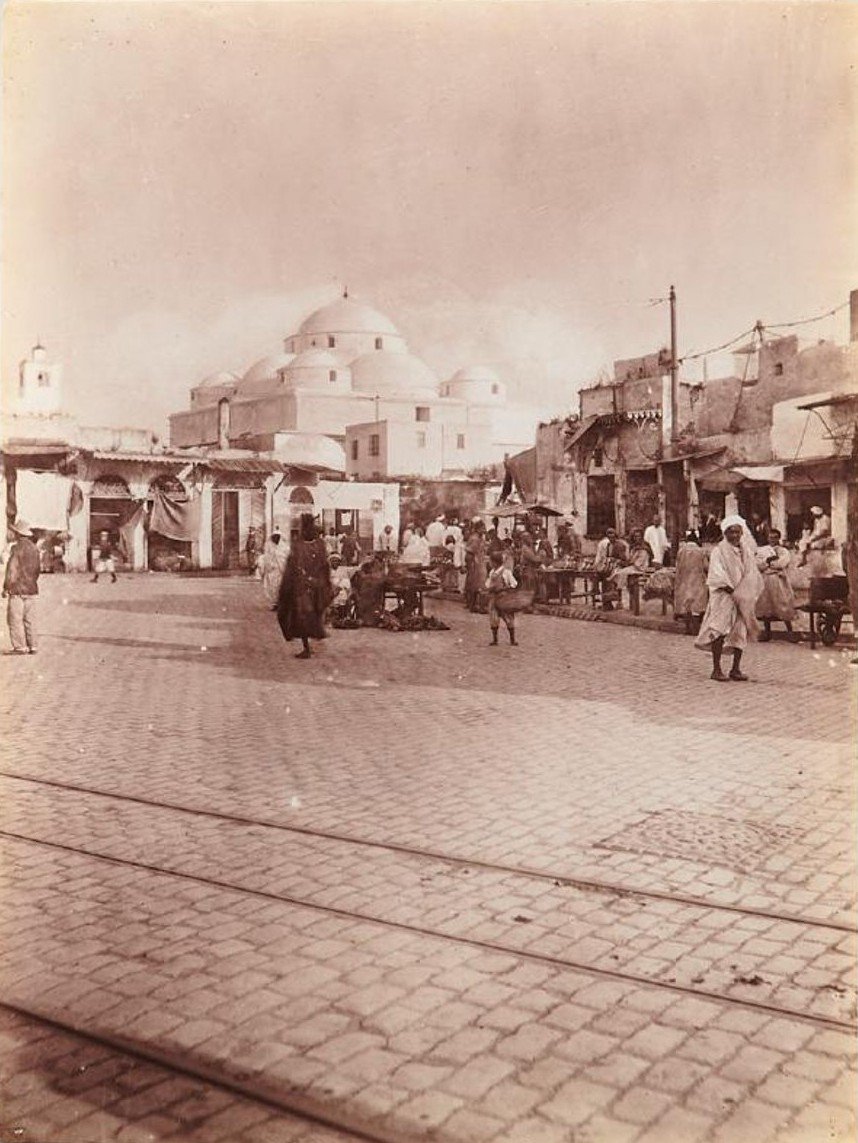
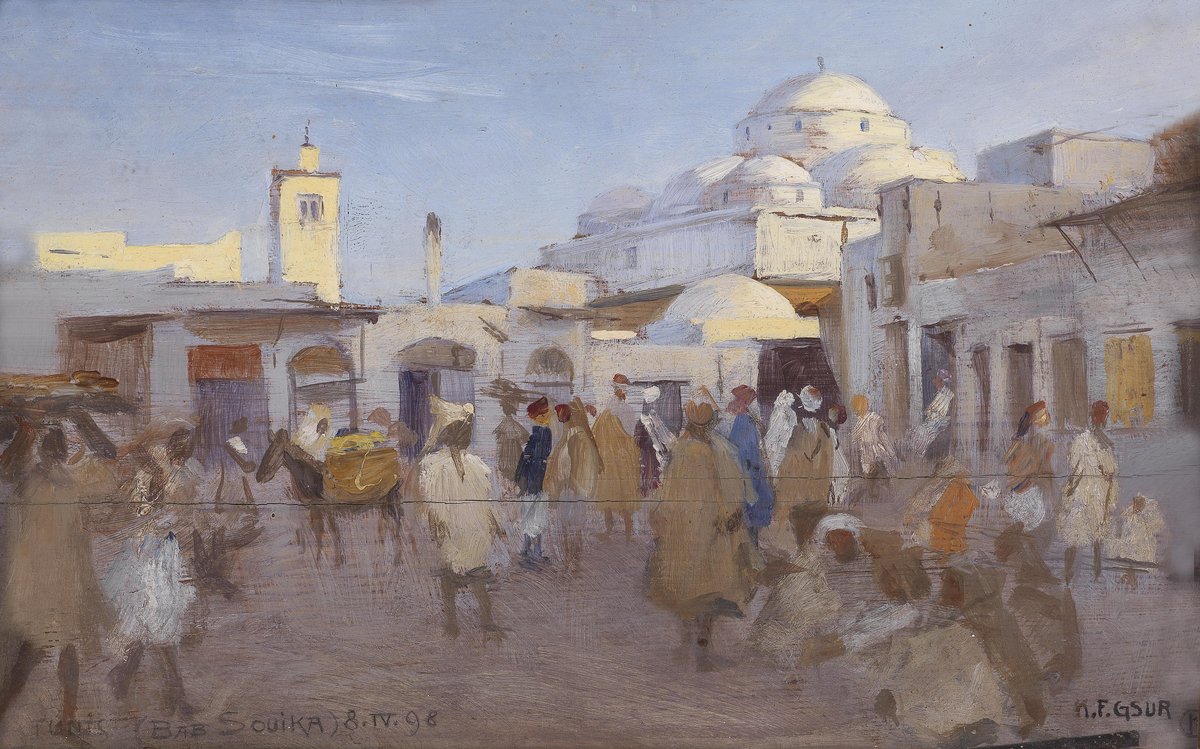
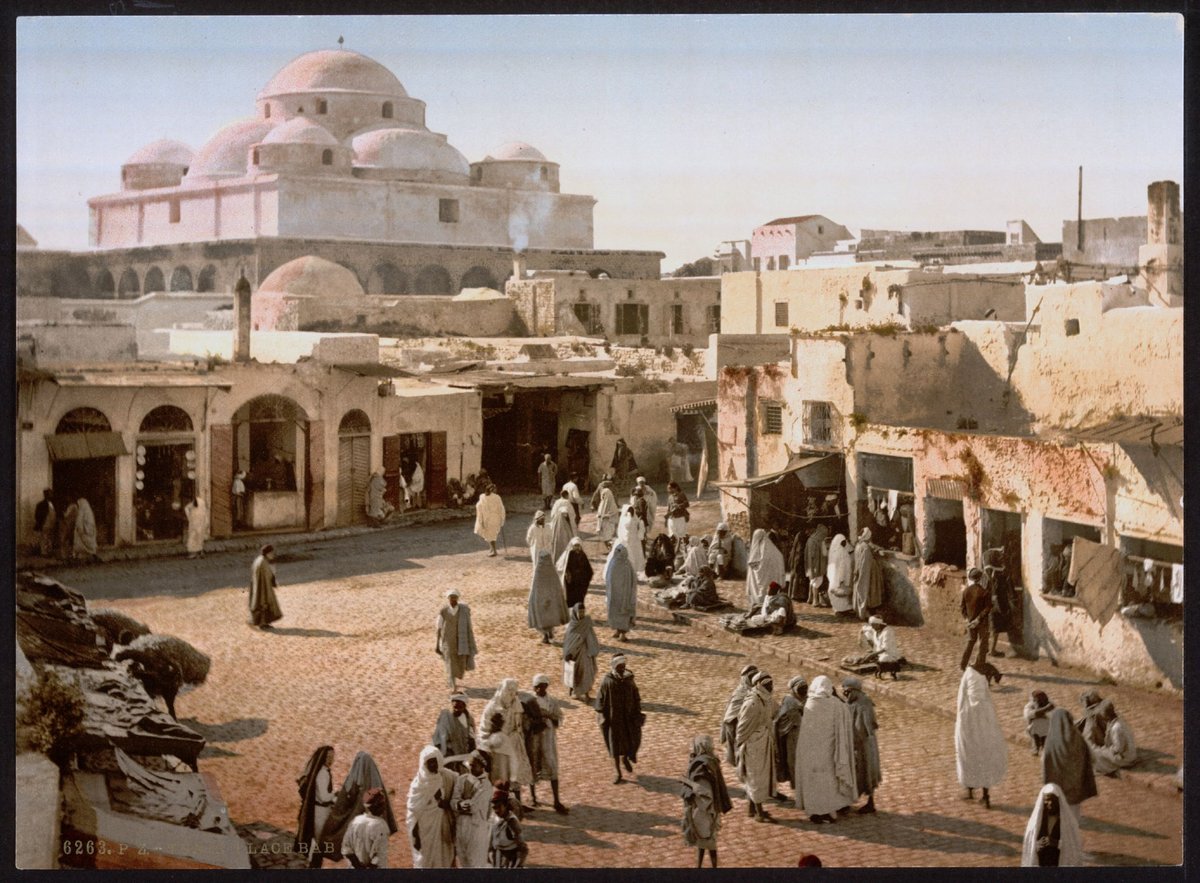
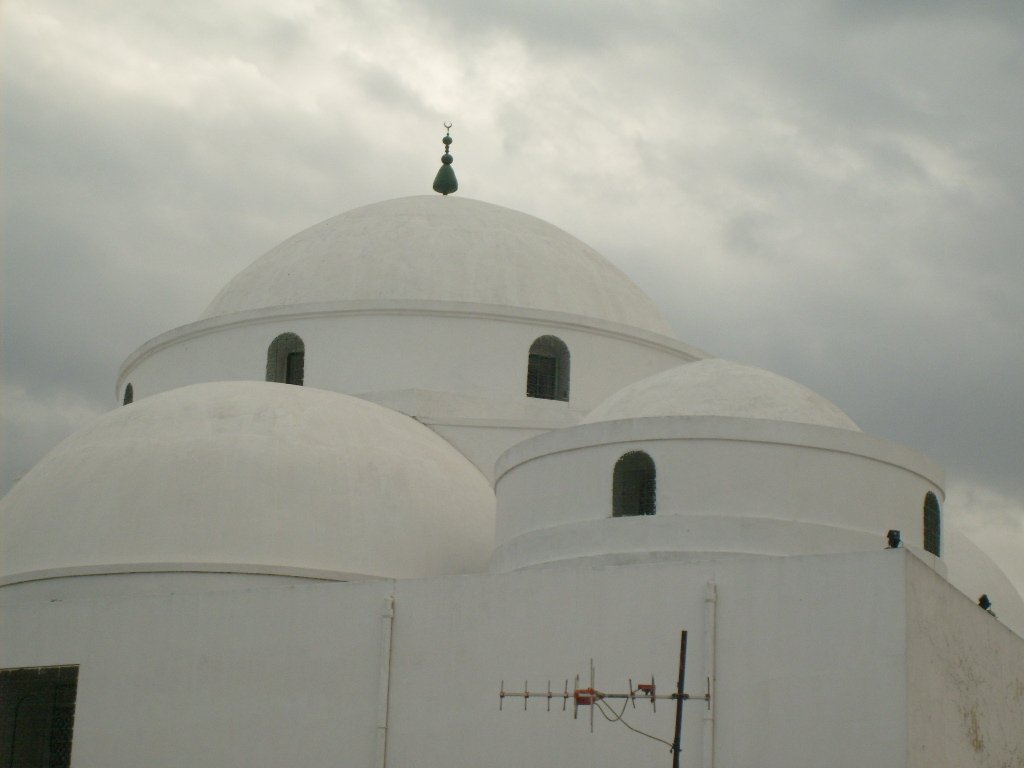
Sidi Mahrez Mosque’s design is distinctly Ottoman, characterized by a grand central dome surrounded by four smaller cupolas—an architectural departure from the typical Maghrebi square-plan mosques. The prayer hall is open and luminous, adorned with intricate zellige tilework, imported Iznik tiles, elegant Kufic calligraphy, and a finely carved wooden minbar. The absence of a minaret—a result of political instability during its construction—distinguishes it among Tunisian mosques (ArchNet). Natural light streams through windows in the domes, highlighting floral and geometric motifs and enhancing the serene atmosphere.
Community Significance
Since its founding, the mosque has served as more than a place of worship. It is a hub for religious education, social solidarity, and interfaith harmony—a legacy linked to Sidi Mahrez’s reputation for protecting minority communities. Annual religious festivals, Sufi music performances, and communal gatherings foster a strong sense of identity and social cohesion within the local population (Discover Tunisia).
Visitor Information
Location and Access
- Address Rue Sidi Mehrez, Medina of Tunis, Tunisia.
- How to Get There
- On Foot From the Medina’s main entrance at Bab el Bhar, proceed towards Rue Sidi Mehrez via Rue de la Kasbah (Evendo).
- By Taxi/Public Transport Taxis are readily available. The TGM train and local buses connect central Tunis to the Medina; from Tunis Marine station, the mosque is a short taxi ride or a moderate walk.
Visiting Hours
- Open Daily, generally from 8:00 AM to 6:00 PM.
- Prayer Times Non-Muslim visitors may be restricted during prayer periods, especially on Fridays between 12:00 PM and 2:00 PM. Early morning or late afternoon visits are recommended for tourists.
Entry and Tickets
- Admission Free; donations are welcomed to support maintenance and restoration.
- Tickets No tickets are required. As of June 2025, there are no official guided tours or ticketed entry, but private local guides can be arranged (Evendo).
Dress Code and Etiquette
- Men Long trousers and a shirt with sleeves.
- Women Long skirts or trousers and a long-sleeved top; a headscarf is recommended.
- Footwear Remove shoes before entering the prayer hall; socks are advisable.
- General Behavior
- Maintain quiet and respectful conduct.
- Ask permission before taking photographs, especially inside.
- Avoid sitting in prayer rows or blocking pathways.
- Do not bring food or drink inside.
- Greet worshippers with “Salam Alaikum” for added courtesy (Reddit).
Accessibility
- The mosque’s historic structure and the Medina’s narrow streets may limit wheelchair access; ramps are rare, and some areas are uneven.
- Restrooms are available but may not meet Western standards. Bring tissues or wipes.
- An ablution area (wudu) exists, though not required for non-Muslim visitors.
Facilities
- Restrooms Basic facilities on-site.
- Ablution Area Present, primarily for worshippers.
- Shaded Courtyard Offers a tranquil space for reflection.
Travel Tips
- Visit early or late in the day for a quieter experience and optimal photography lighting.
- Modest dress is essential for both men and women.
- Combine your visit with nearby Medina attractions for a comprehensive cultural journey.
- Hire a local guide to deepen your understanding of the mosque’s significance and etiquette.
Guided Tours
- No official tours, but local guides are available and can provide in-depth historical and architectural context. Book in advance for a more enriching visit.
Nearby Attractions
- Zaouia of Sidi Mahrez The saint’s mausoleum, directly opposite the mosque.
- Zitouna Mosque The oldest mosque in Tunis and a center of Islamic scholarship.
- Bardo National Museum Renowned for its Roman mosaics and Islamic art.
- Avenue Habib Bourguiba The city’s main boulevard, lined with shops and cafés.
- Medina Souks Bustling markets selling traditional crafts, textiles, and spices.
Restoration and Preservation
The Sidi Mahrez Mosque has undergone several significant restoration phases:
- 2002–2005 Structural stabilization of foundations and prayer hall walls using traditional techniques and local materials (Nabeul Pottery).
- 2010–2012 Artistic restoration of zellige tiles, calligraphy, and wooden elements; improved lighting for ambiance.
- 2018–2021 Community engagement, fundraising, and enhanced accessibility, including installation of ramps and tactile signage (Accessible Tourism Tunisia).
- Ongoing Addressing climate-related challenges, regular inspections, and digital documentation for future preservation (CyArk).
The mosque is recognized as a protected heritage site and frequently hosts cultural and educational events, contributing to the revitalization of the Medina and local community (Ministry of Culture Tunisia).
Frequently Asked Questions
Q: What are the visiting hours of Sidi Mahrez Mosque?
A: Generally, 8:00 AM to 6:00 PM daily, but hours may vary during religious holidays and prayer times.
Q: Is there an entrance fee?
A: No. Entry is free; donations are appreciated.
Q: Can non-Muslims enter the mosque?
A: Non-Muslims can usually visit the exterior and courtyard; entry to the prayer hall may be restricted.
Q: Are guided tours available?
A: There are no official tours, but local guides can be hired for historical and architectural insight.
Q: Is the mosque accessible for visitors with disabilities?
A: Accessibility is limited due to the Medina’s historic layout; inquire locally for assistance.
Q: Can I take photographs inside the mosque?
A: Allowed in some areas; always ask permission before photographing interiors or worshippers.