
Founding and Early Development
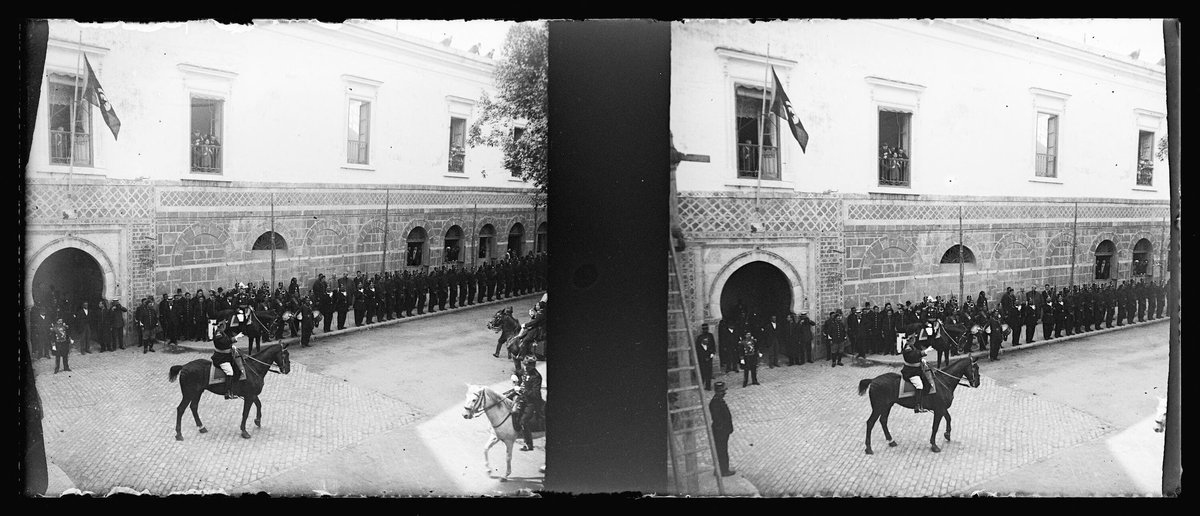
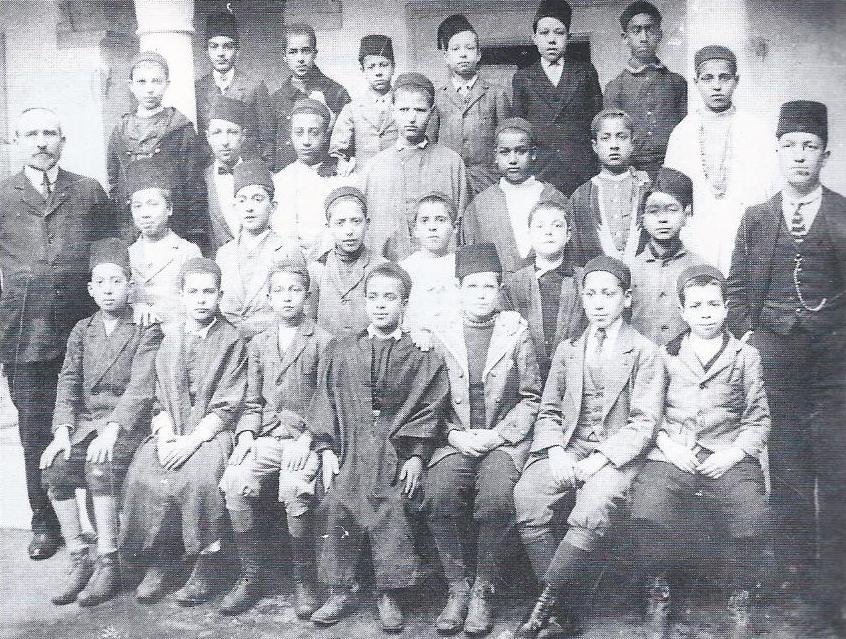
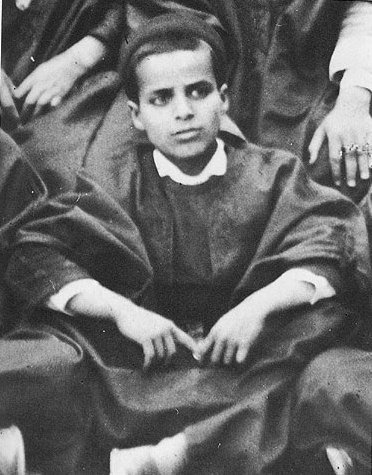
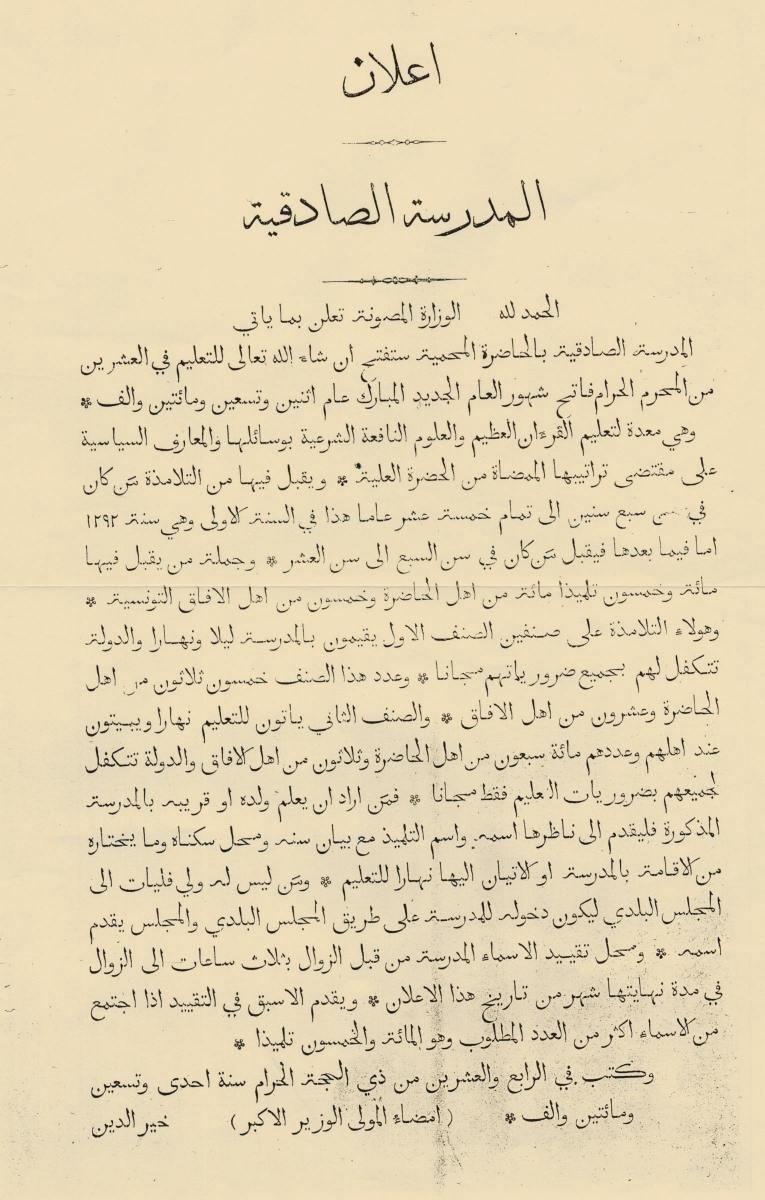
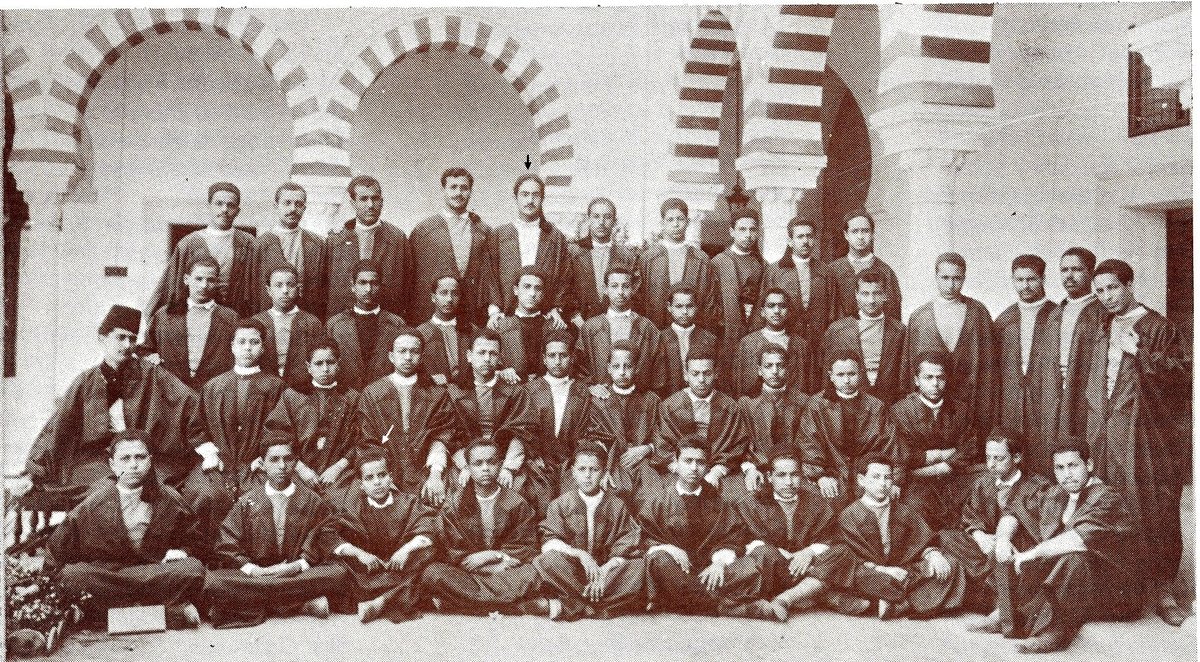
Sadiki College was inaugurated in 1875 by Kheireddine Pacha under the rule of Mohamed Sadok Bey. It was conceived as a response to the need for a new, reform-minded elite capable of guiding Tunisia toward modernization. The school’s first home was the Sidi el Morjeni barracks, linking Tunisia’s Ottoman past with a forward-looking educational mission (zaherkammoun.com).
Educational Mission and Curriculum
Sadiki College’s curriculum was revolutionary for its era. It provided a bilingual education in Arabic and French, coupled with a robust focus on sciences, mathematics, literature, and Islamic studies. This approach distinguished it from the older University of Zitouna and became a template for modern Tunisian education (Wikipedia).
Relocation and Architectural Evolution
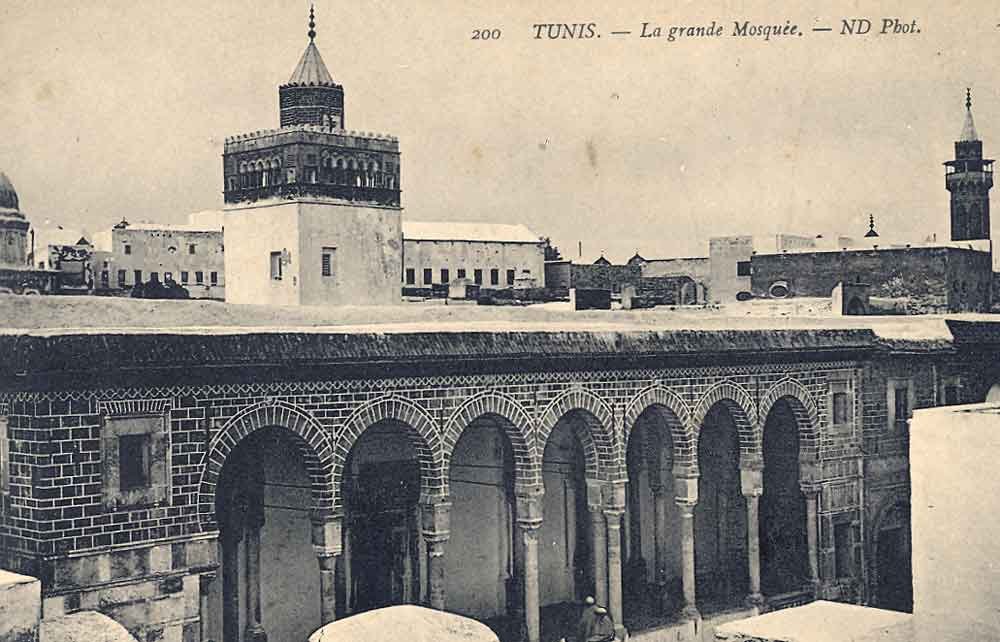
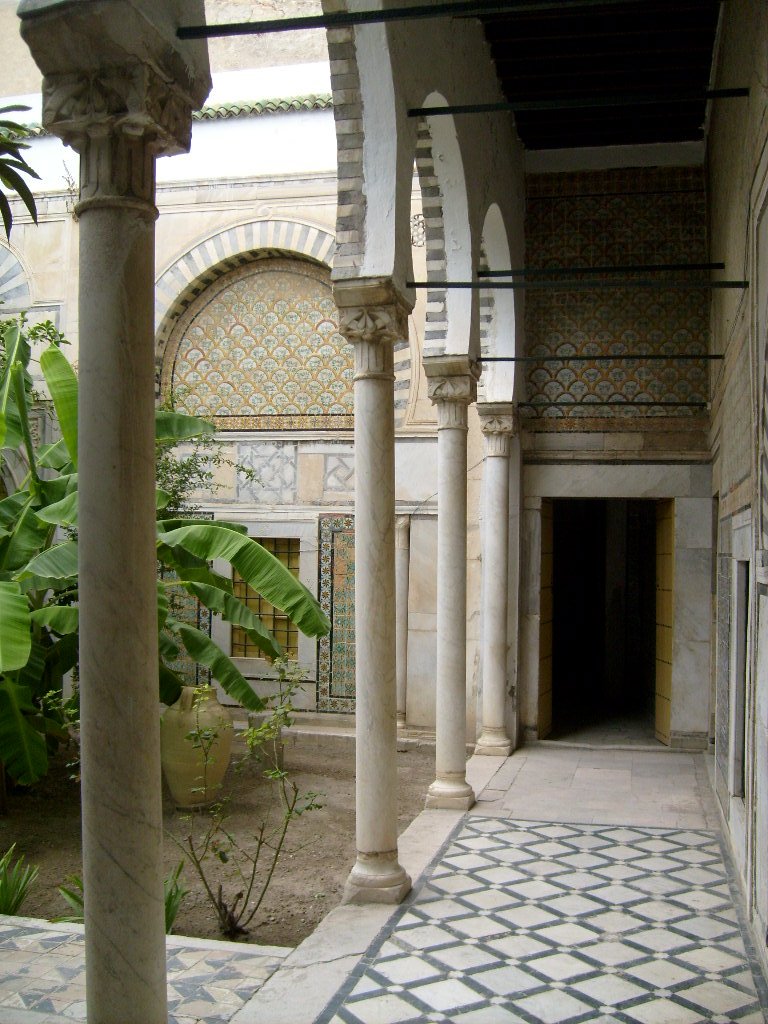
Following the establishment of the French protectorate in 1881, the college relocated to its current Kasbah site. The building, completed in 1901 by architect Pétrus Maillet, showcases neo-Moorish design with French and traditional Tunisian elements. The campus remains a protected heritage site, recognized for its historical value and architectural beauty (Tuniscope).
National Identity and Reform
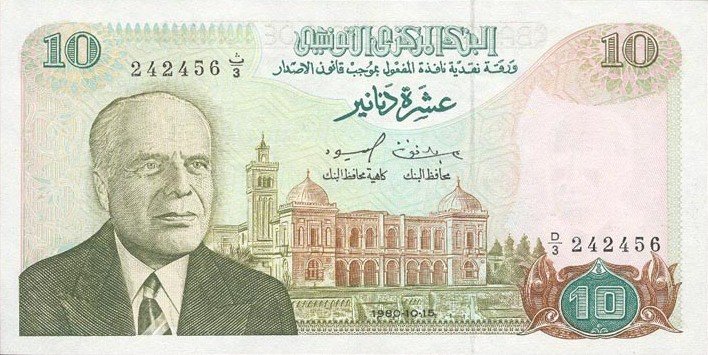
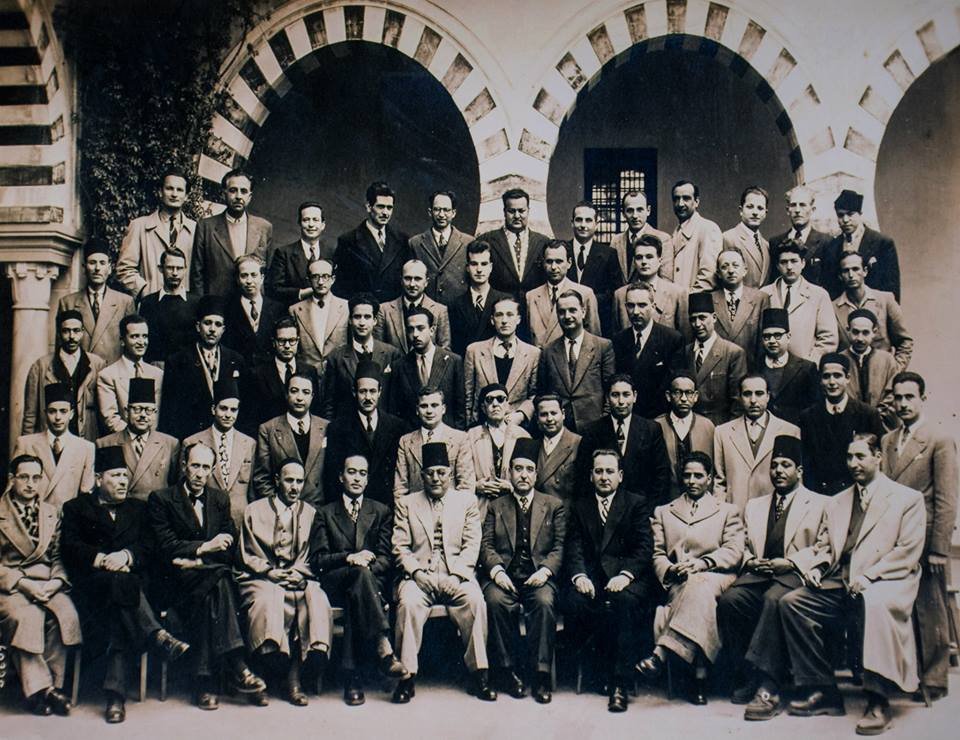
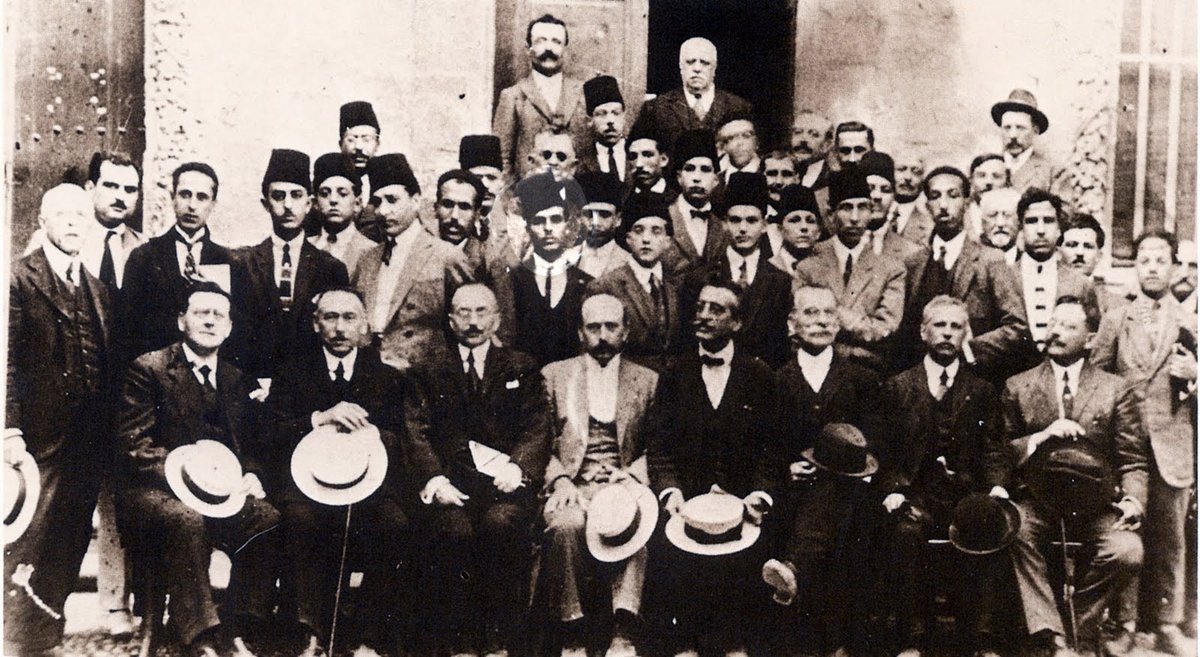
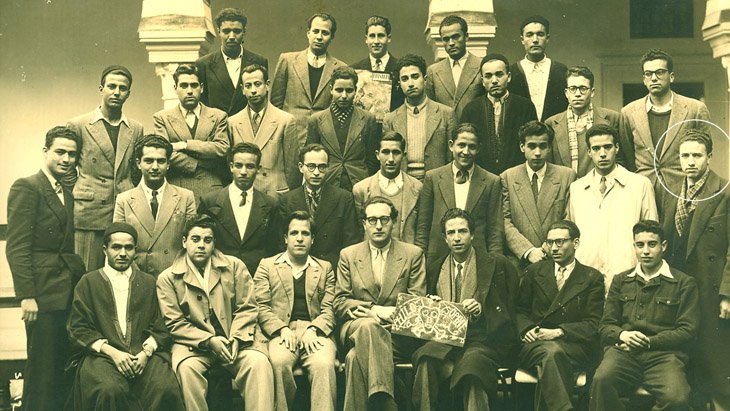
Sadiki College became a crucible for Tunisia’s intellectual and political leadership. Its alumni have included presidents Habib Bourguiba, Béji Caïd Essebsi, and Kaïs Saïed. The institution played a central role in national reform movements, independence efforts, and the evolution of modern Tunisian society.
Impact on Tunisian Society
By offering free, merit-based education to students from diverse backgrounds, Sadiki College fostered social mobility and the rise of a bicultural elite. Its influence extended beyond education, impacting law, governance, and cultural discourse.
The Colonial and Post-Independence Era
During the French colonial period, Sadiki College balanced its bilingual curriculum with a spirit of reform and resistance. After independence in 1956, the college expanded its programs and continues to uphold its reputation as a center of academic excellence.
Preservation and Cultural Significance
Today, Sadiki College’s historic buildings are maintained as heritage sites. The institution remains a focal point for cultural celebrations, academic conferences, and alumni activities, preserving its status as a living symbol of Tunisia’s educational and national progress.
Visiting Sadiki College: Practical Information
Visiting Hours & Tickets
- Opening Hours Monday–Friday, 9:00 AM–4:00 PM. Always check ahead for changes during public holidays or school events.
- Admission Free for individual visitors. Guided tours may require advance booking and occasionally a nominal fee.
- Entry Requirements Visits should be arranged in advance; a valid photo ID is required upon entry.
Location & Directions
- Address Kasbah district, Tunis (near Rue de Zitouna and Kasbah Square). In some references, Sadiki College is associated with La Marsa, but the main campus is in central Tunis.
- Getting There
- By Public Transport Closest metro station is Bab El Khadra (approx. 15-minute walk).
- By Car/Taxi Taxis are reliable; always request the meter or agree on a fare (My Global Viewpoint).
- By Train (TGM) For those staying in La Marsa, the TGM train connects to central Tunis (Scributors).
Accessibility
The historic nature of the building means accessibility is limited, with steps and uneven surfaces at entrances. Visitors with mobility needs should contact the college administration in advance for support.
Guided Tours
- Availability By appointment, especially during cultural festivals or special events.
- Languages Primarily in Arabic and French; English tours may be arranged with notice.
- Duration 45–90 minutes.
Nearby Attractions
- Kasbah Square Historic plaza with views of the Medina and government buildings.
- Medina of Tunis UNESCO World Heritage site with souks and historic mosques.
- Bardo National Museum Renowned for its archaeological collections.
- La Marsa & Carthage Accessible by train or taxi, offering beaches, cafes, and ancient ruins.
Visitor Tips
- Best Time to Visit Weekday mornings for fewer crowds.
- Dress Code Modest attire is expected—shoulders and knees covered.
- Photography Ask permission before photographing interiors or staff.
- Language Arabic and French widely spoken; a few basic French phrases can be helpful.
- Currency Tunisian Dinar (TND); cash is preferred for small purchases.
Cultural Etiquette and Dress Code
- Dress Respectfully Cover shoulders and knees; modest attire is essential within the school and during cultural events.
- Behavior Maintain a quiet, respectful demeanor; public displays of affection should be avoided.
- Photography Permission is required, particularly in classrooms and during ceremonies (The Tunisian Way).
Safety, Security, and Health
- General Safety Tunis and La Marsa are considered safe for tourists, with visible police presence and low rates of violent crime (Xplrverse, Against the Compass).
- Common Scams Use metered taxis, be cautious in markets, and keep valuables secure.
- Health Carry bottled water, use sunscreen, and consult the nearest pharmacy or hospital in case of emergency. Travel insurance is recommended.
- Emergency Contacts Tourist police (197), medical emergency (190). Download the Tunisia Tourism app for real-time support (Xplrverse).
Frequently Asked Questions (FAQ)
Q: Is Sadiki College open to the public?
A: Yes, but visits are by appointment and during designated hours.
Q: Are guided tours available?
A: Yes, tours can be arranged in advance and are often available during cultural events.
Q: Is there an entry fee?
A: General admission is free; special tours or events may have a nominal charge.
Q: Is the college accessible for disabled visitors?
A: Accessibility is limited; contact administration ahead for assistance.
Q: Can I take photos?
A: In outdoor areas, usually yes; for interior or student photos, always ask permission.