Architectural Features and Layout
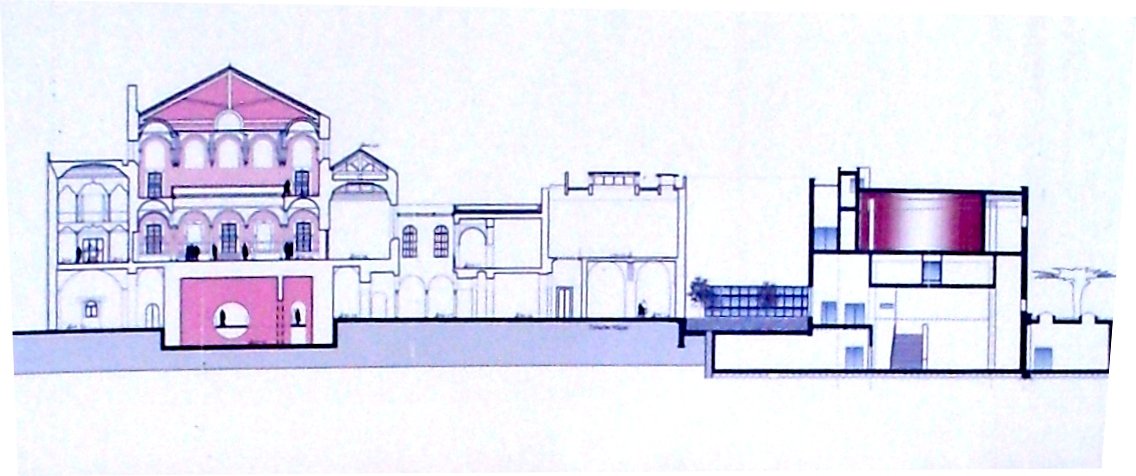
Spanning over 2,000 square meters, Dar Lasram is among the largest private palaces in the medina (Wikipedia). Its hierarchical spatial organization reflects the lifestyle of the Tunisian elite during the Husainid dynasty:
- Ground Floor (Rez-de-chaussée) Service areas including stables, warehouses (makhzen), and staff quarters. A private carriage entrance allowed for discreet entry, especially for women, adhering to social customs (Lepetitjournal).
- First Floor Family living quarters, including bedrooms, salons, and the grand reception hall.
- Upper Floor (Ali el Dhiâf) Guest accommodations, ensuring privacy for both family and visitors (Voyage Tunisie).
Courtyards and Decorative Arts
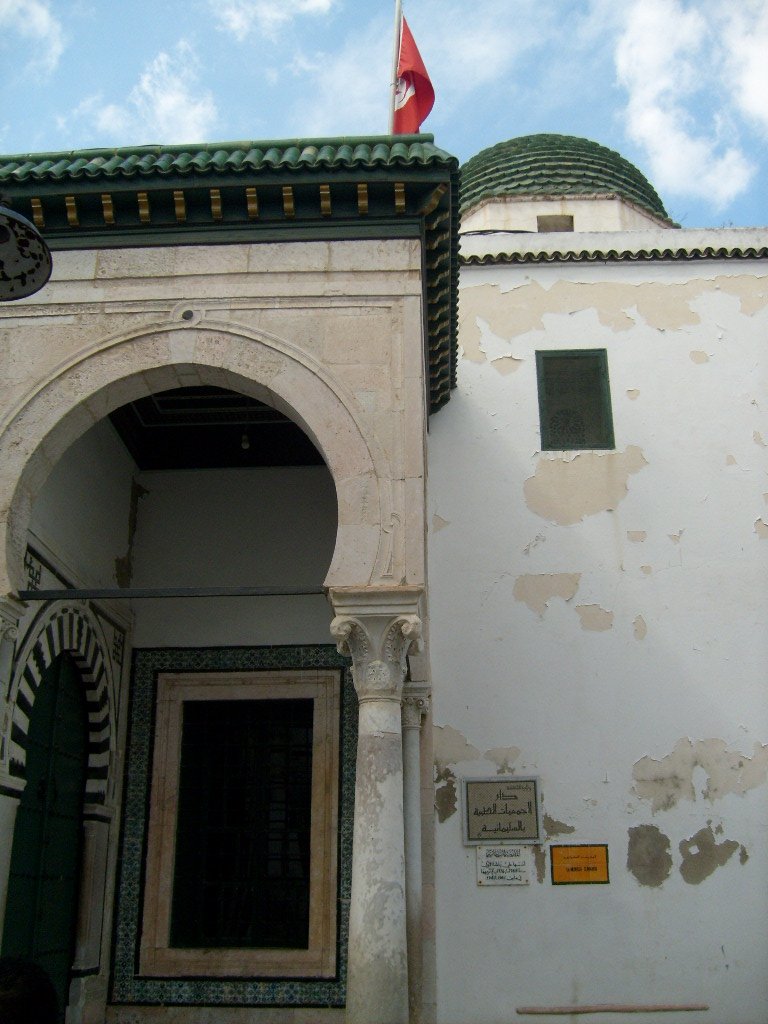
At the heart of Dar Lasram lies a spacious courtyard, accessible via vestibules (sqifa) adorned with blue and white faience tiles. The palace’s interiors are a celebration of craftsmanship:
- Polychrome faience tiles Geometric and floral motifs cover the lower walls.
- Stucco work Intricate arabesques and calligraphy embellish doorways and ceilings.
- Painted wood ceilings Italianate influences blend with Maghrebi and Andalusian styles.
- Grand reception hall Cruciform in shape, with alcoves and columns enhancing the sense of grandeur (Intunis).
The serene garden, with its central fountain and aromatic plants, offers a peaceful retreat and a glimpse into the refined domestic life of Tunisia’s urban elite (trek.zone).
Transition to Public Ownership and Cultural Role
In 1964, Dar Lasram was acquired by the municipality of Tunis and repurposed as the headquarters of the Association de Sauvegarde de la Médina (ASM). The ASM is dedicated to preserving the medina’s architectural and cultural heritage, and Dar Lasram now functions as a hub for exhibitions, seminars, and cultural events.
These activities include the annual Festival de la Médina and the famous Kharja Aissaouia procession, which underscores the palace’s significance as a site of both tangible and intangible heritage (La Presse; Evendo).
Visiting Dar Lasram: Practical Information
Hours and Ticketing
- Opening Hours Generally open Tuesday to Sunday, 9:00 AM – 5:00 PM; closed Mondays and public holidays (Real Journey Travels). Some sources note Monday–Friday, 8:00 AM – 6:00 PM (Ibn Battuta Travel); it is recommended to confirm before your visit.
- Admission Often free or by donation, as the palace primarily serves as ASM headquarters. Occasionally, a modest ticket fee (around 5–10 TND) may apply for special events or exhibitions.
- Guided Tours Available in Arabic, French, and English. Advance booking is recommended for in-depth tours.
Accessibility
While some areas of Dar Lasram are accessible, historic architecture means uneven floors and stairs may pose challenges. Limited accommodations for visitors with mobility concerns are available—contact ASM staff ahead of your visit for assistance (Real Journey Travels).
How to Get There
- By Taxi Direct to Bab Bhar (Porte de France); from there it’s a scenic walk through the souks.
- By Public Transport The TGM light rail stops at Republic station, about a 10-minute walk to the medina entrance (Real Journey Travels).
- Navigation Medina streets are winding and signage is limited; using GPS or a map app is recommended. Locals are generally helpful with directions.
Guided Tours and Events
- Regular guided tours highlight the palace’s history and architectural features.
- Cultural events, including concerts and exhibitions, are held throughout the year—especially during Ramadan’s Festival de la Médina (La Presse).
Photography Tips
- Photography is permitted in most areas. Flash photography and tripods may be restricted.
- The central courtyard, grand reception hall, and garden are ideal for capturing architectural details and ambiance (Real Journey Travels).
Visitor Experience and Community Engagement
Dar Lasram is more than a historical monument—it is a living cultural center. The ASM staff are welcoming and eager to share insights about the medina’s preservation. Community activities, workshops, and exhibitions make every visit unique, while the palace’s open-door policy invites both locals and tourists to engage with Tunisia’s living heritage (Evendo; Real Journey Travels).
Nearby Attractions in the Medina
Dar Lasram’s location is ideal for exploring other historic sites:
- Zitouna Mosque The spiritual heart of the medina.
- Souks Traditional markets for crafts, textiles, and local delicacies.
- Dar Ben Abdallah Museum Focused on Tunisian arts and crafts.
- Saida Adjoula Mosque Architectural and spiritual landmark.
Combining your visit to Dar Lasram with a medina walking tour offers a comprehensive cultural experience (TripHobo).
Frequently Asked Questions (FAQ)
Q: What are the current visiting hours for Dar Lasram?
A: Usually Tuesday–Sunday, 9:00 AM – 5:00 PM; some sources report Monday–Friday, 8:00 AM – 6:00 PM. Confirm before your visit.
Q: Is there an admission fee?
A: Admission is generally free or by donation; special events may have a small fee.
Q: Are guided tours available?
A: Yes, in multiple languages. Advance booking is recommended.
Q: Is Dar Lasram accessible for visitors with disabilities?
A: Partial accessibility. Some areas may be difficult due to stairs and uneven floors.
Q: Can I take photographs?
A: Yes, photography is allowed in most areas. Flash and tripods may be restricted.
Q: Is there a gift shop or café?
A: A small shop may be present, offering local crafts and heritage publications.