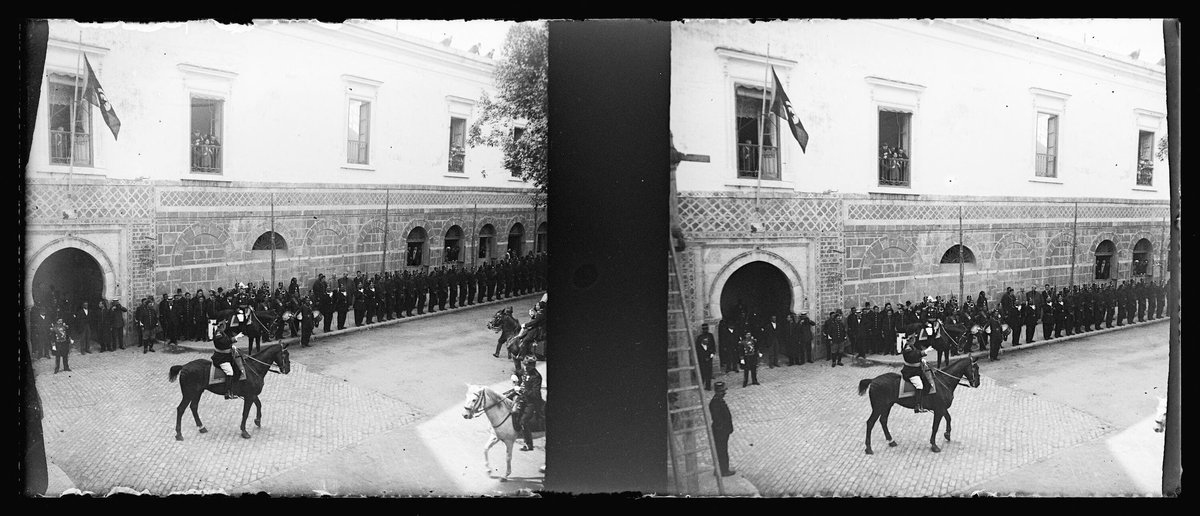

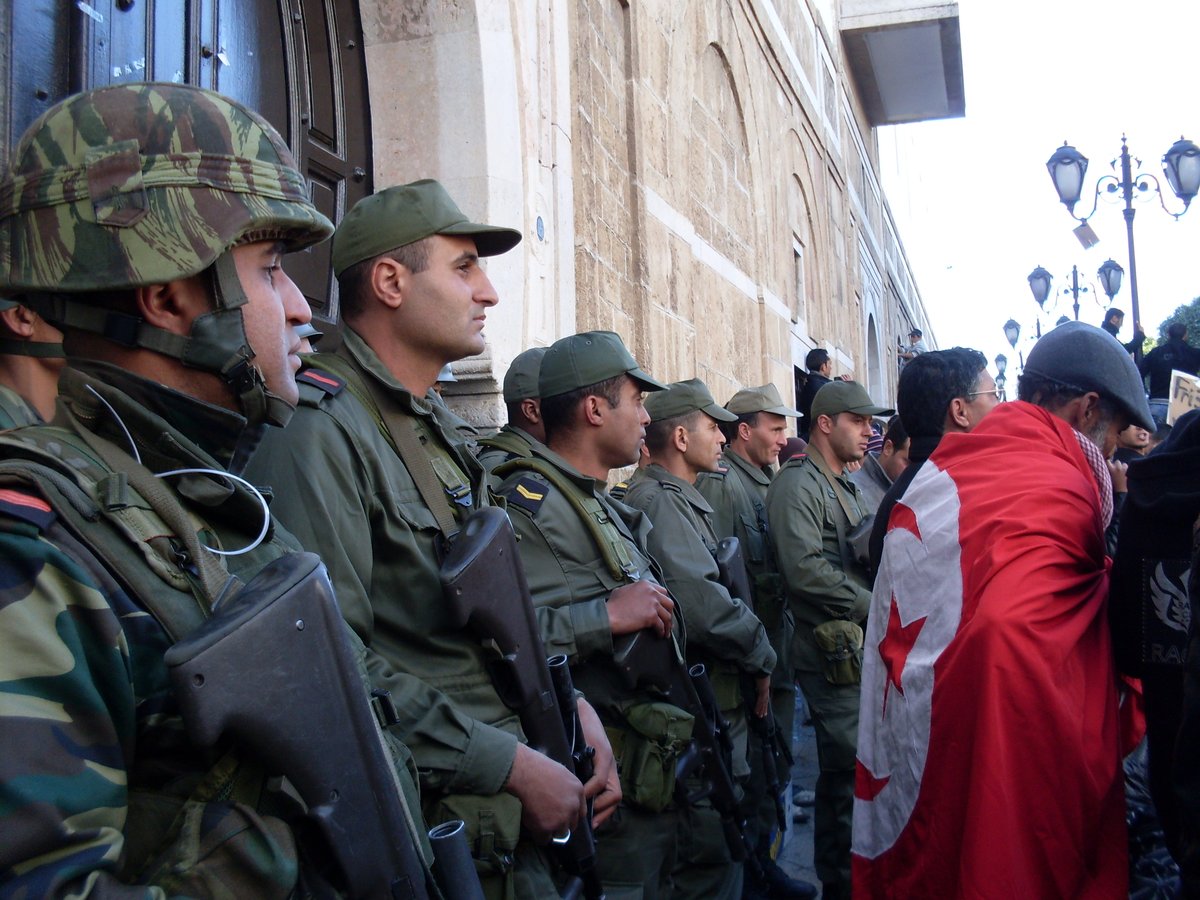
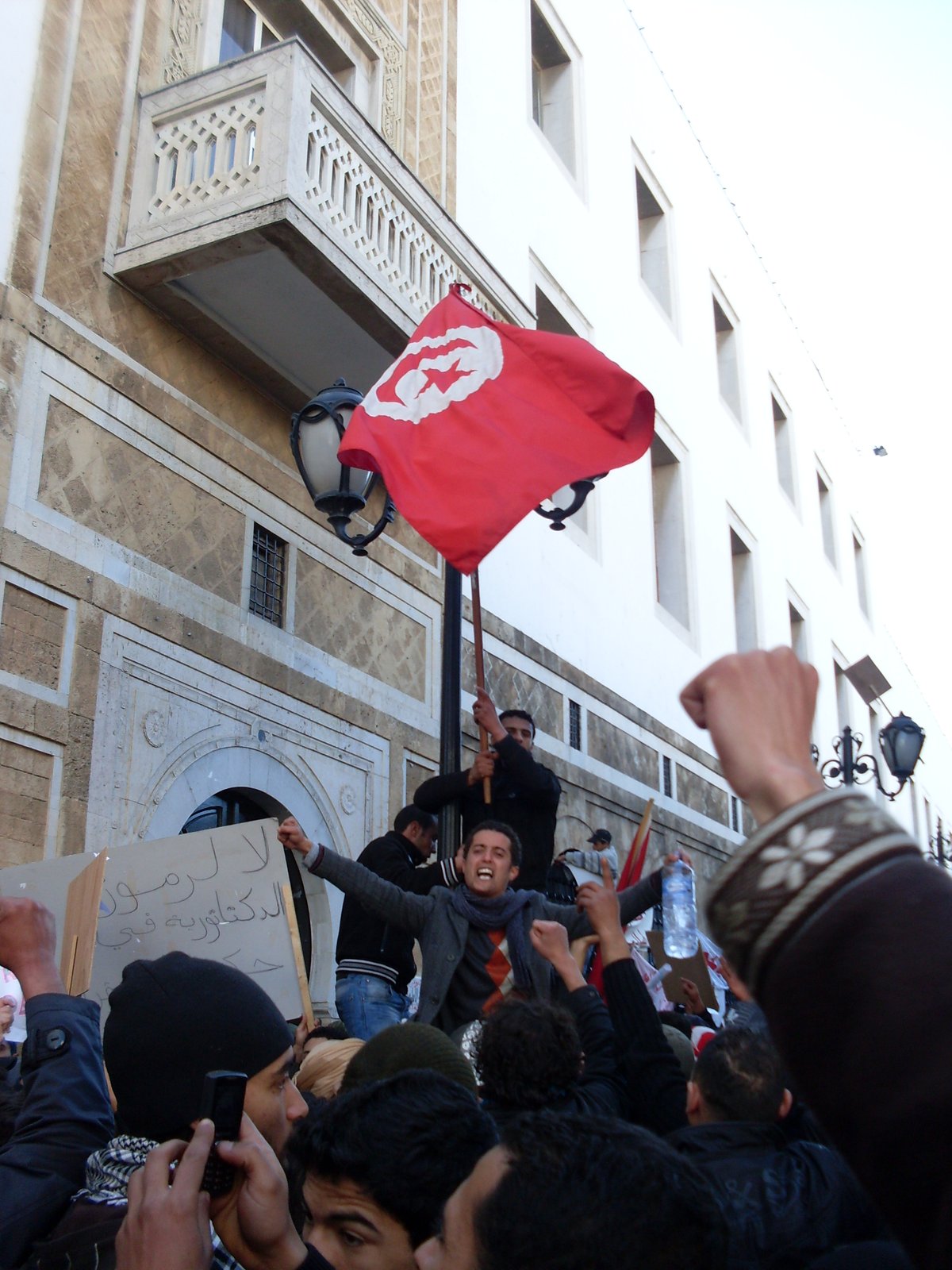
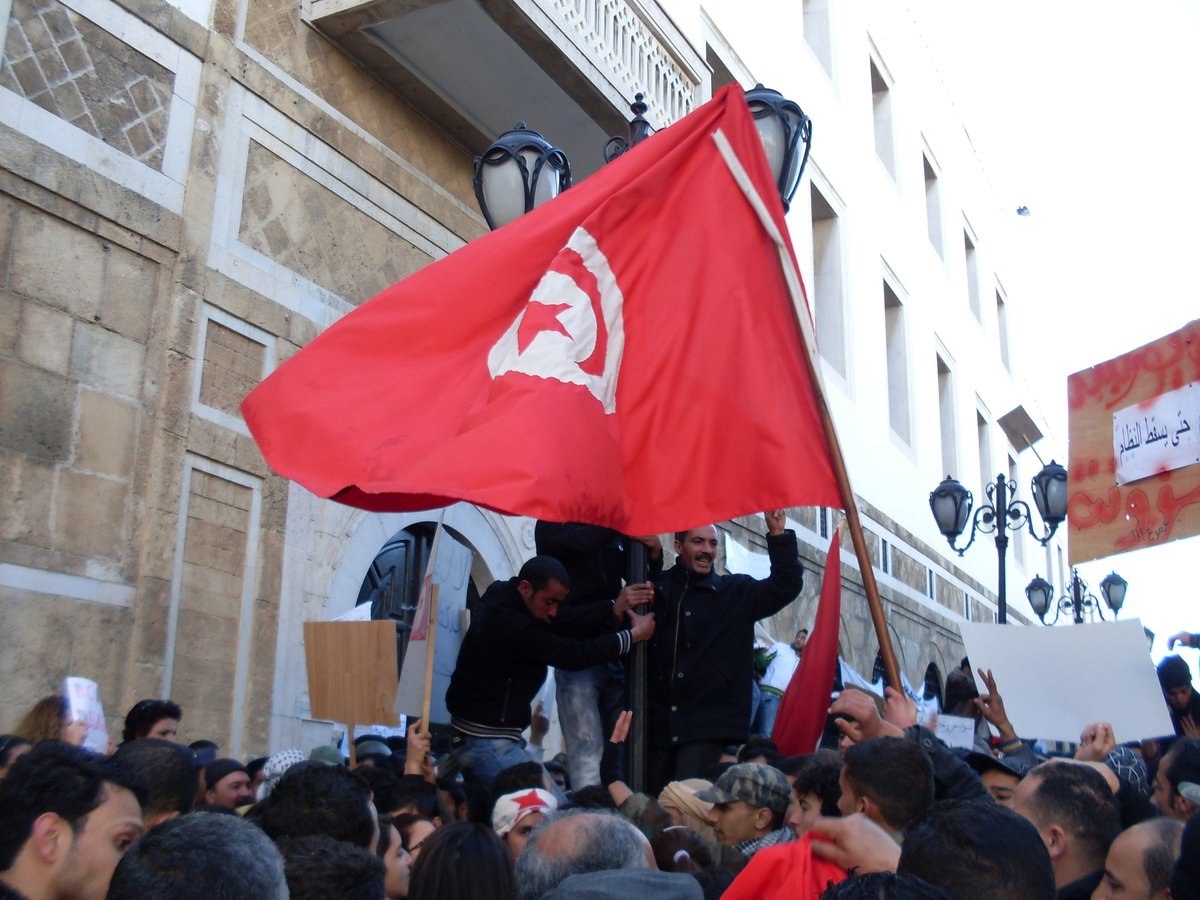
Historical Evolution of La Marsa and its Palaces
La Marsa’s story stretches from its origins as the Punic outpost "Mégara," celebrated for its gardens and vineyards near ancient Carthage (La Presse), through centuries of transformation into a favored summer haven for the Husainid Beys. Grand palatial residences—including Dar El Bey, Kobbet El Haoua, and Abdellia Palace—rose along its picturesque coastline, reflecting the city’s status as a cultural and political retreat during the Ottoman and beylical eras (Wikipedia).
Architectural Highlights of Dar El Bey
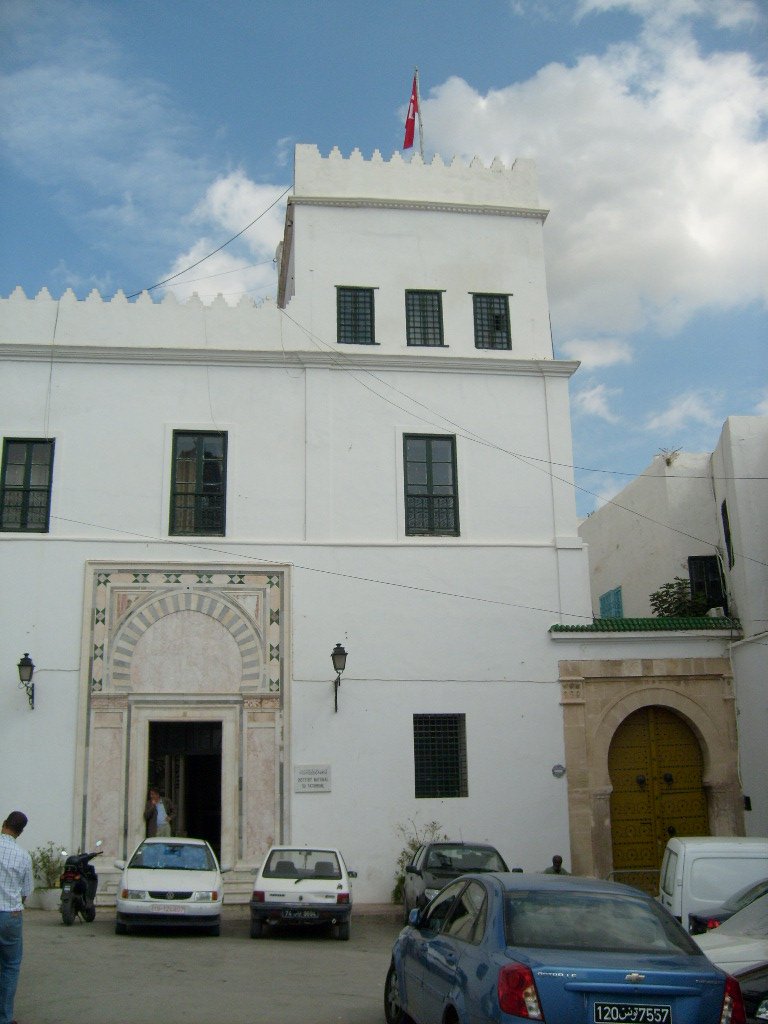
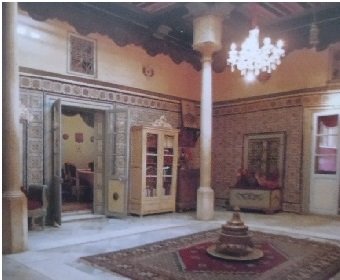
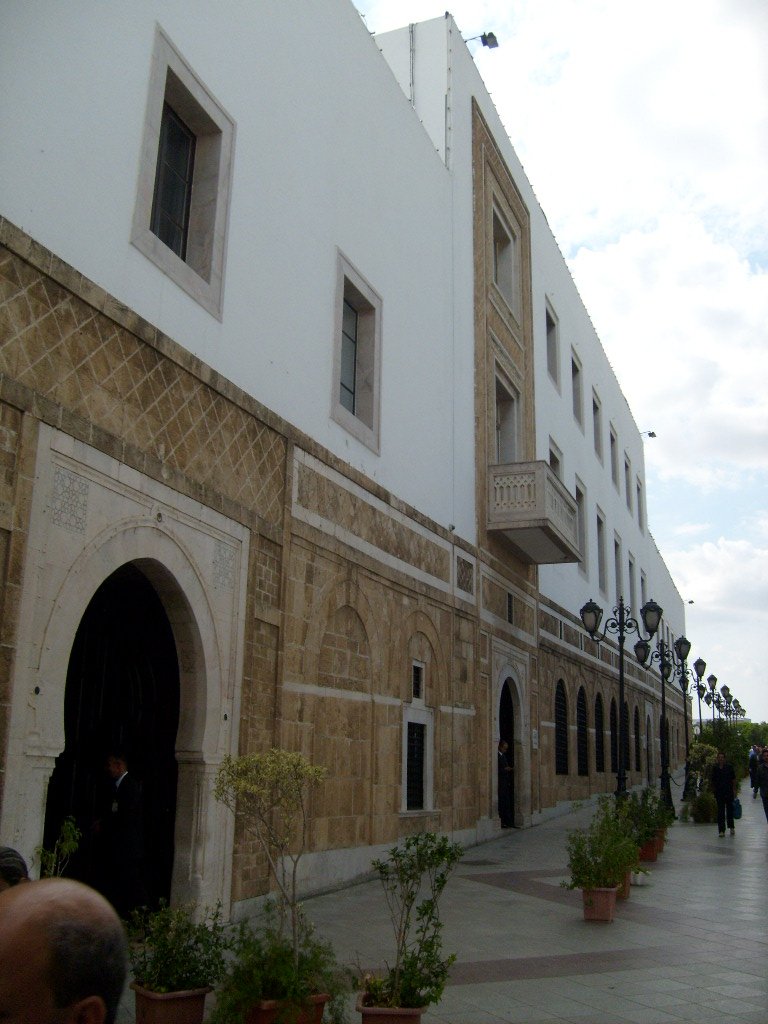
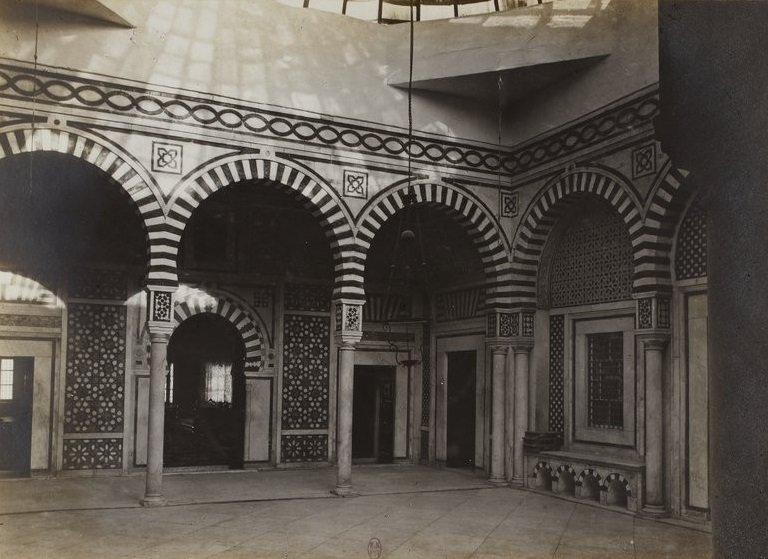
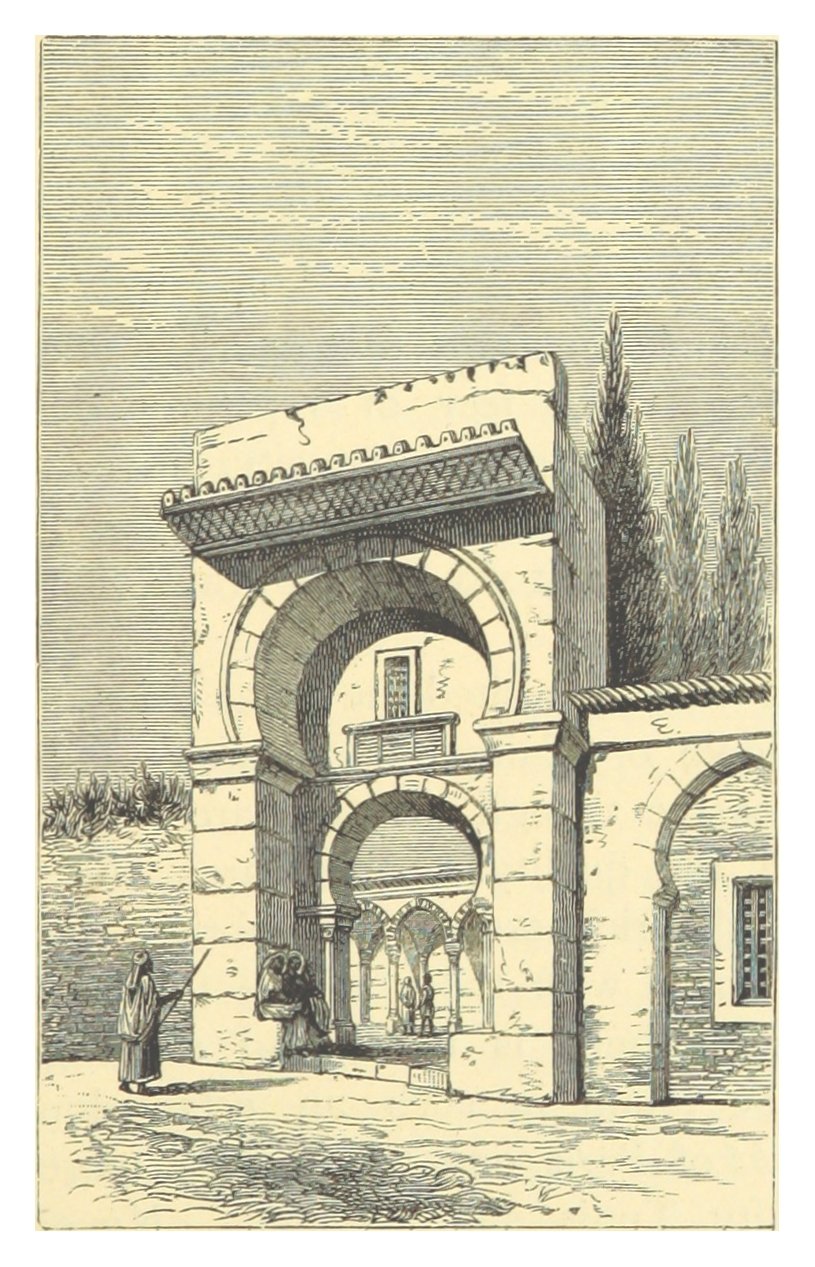
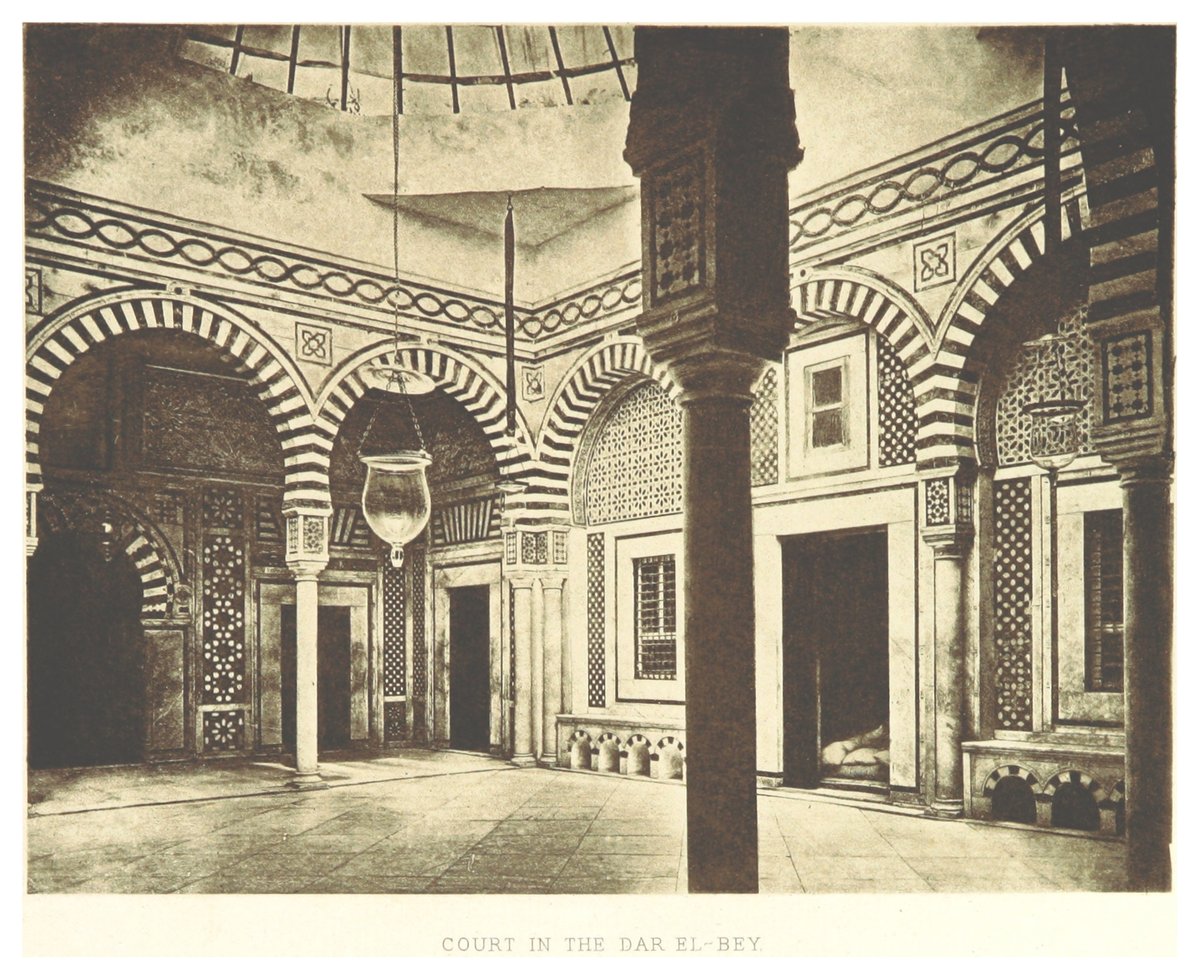
Dar El Bey exemplifies a harmonious blend of Tunisian, Moorish, Ottoman, and European aesthetics. Key features include:
- Intricate Zellige Tilework Adorning walls and courtyards with geometric and floral patterns.
- Polychrome Faience Portals Showcasing vibrant ceramic artistry.
- Ornate Arches and Courtyards Providing both elegance and ventilation.
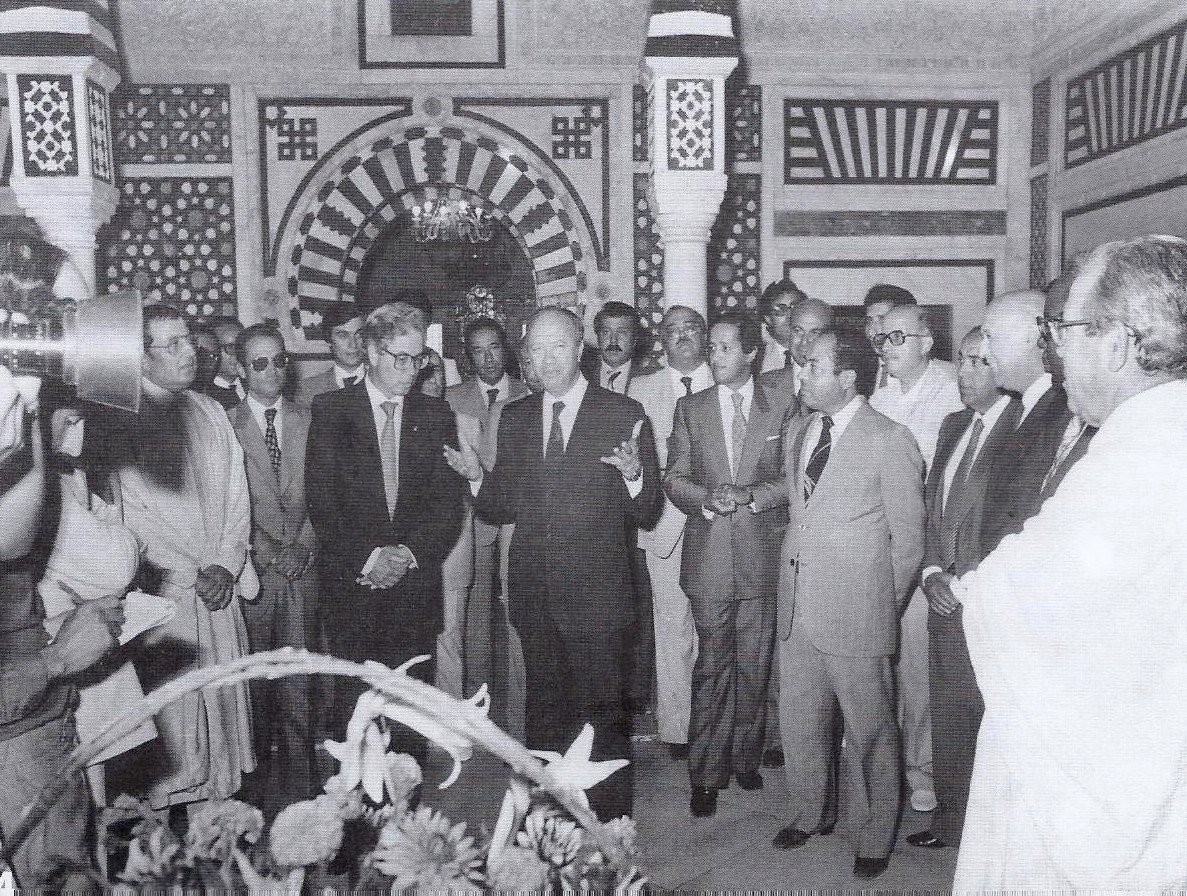
- Stucco, Marble, and Painted Woodwork Embodying the craftsmanship of the era (Bardo Museum).
This architectural synthesis is a testament to Tunisia’s cosmopolitan influences and the refined tastes of its ruling elites.
Visiting Hours and Ticket Information
- Opening Hours Tuesday to Sunday, 10:00 AM–5:00 PM. Closed on Mondays and national holidays. Extended hours may be available during special events.
- Admission Fees General entry is 10 Tunisian Dinars; discounted rates for students, seniors, and groups. Children under 12 enter free.
- Tickets Available on-site or in advance via the official La Marsa tourism portal and authorized booking platforms. Advance booking is recommended during peak seasons and for special events.
- Guided Tours Included with admission, tours in Arabic, French, and English last 45–60 minutes and offer in-depth historical and artistic insights.
Accessibility and Visitor Amenities
- Accessibility Dar El Bey offers partial accessibility, with ramps and handrails in key public areas. Some upper floors and narrow walkways may present challenges due to the historic layout.
- Facilities Amenities include restrooms, visitor seating, and a gift shop with locally made souvenirs and books. While there’s no on-site café, La Marsa’s famed cafés and restaurants are within walking distance.
- Transportation The palace is accessible by public transport (bus, light rail) from Tunis and nearby suburbs. Parking and bicycle rentals are also available.
Cultural Programming and Social Role
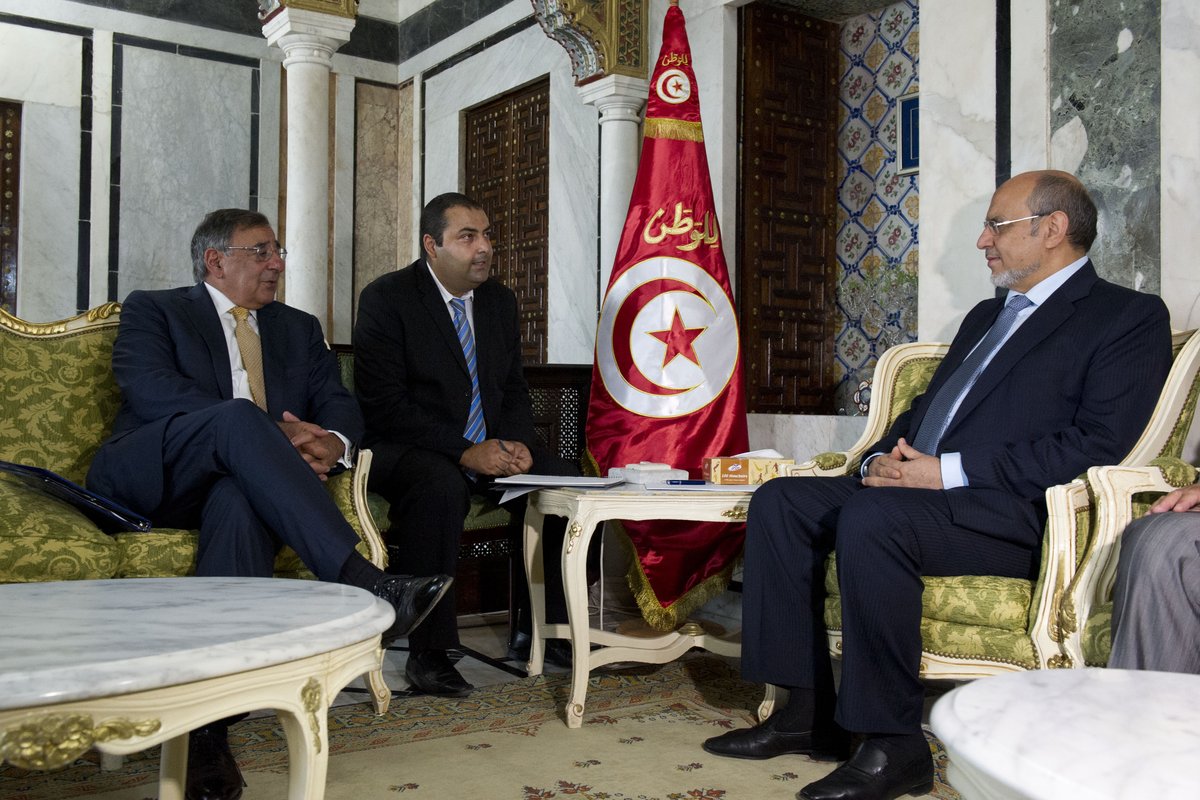
Dar El Bey is a vibrant cultural hub, hosting art exhibitions, concerts, and educational workshops throughout the year (AA.com.tr). Its main halls regularly feature contemporary and classical art, while the courtyard transforms into a stage for open-air performances and festivals. The palace also occasionally accommodates official ceremonies, so public access may be temporarily restricted during such events.
Preservation Efforts and Challenges
Ongoing conservation is vital due to the palace’s exposure to coastal humidity and environmental pressures. Efforts led by the Ministry of Culture and local organizations focus on:
- Foundation reinforcement and mosaic restoration
- Maintenance of original materials to preserve authenticity
- Community engagement programs involving local schools and volunteers
These initiatives are crucial for safeguarding Dar El Bey’s architectural and historical legacy (Middle East Eye).
Visitor Experience and Practical Tips
- Best Times to Visit Mornings on weekdays offer a quieter experience, while spring and autumn provide pleasant weather and lush gardens.
- Photography Permitted in most areas, but restrictions may apply during private events or in sensitive spaces.
- Health & Safety COVID-19 protocols remain in effect as of July 2025—mask-wearing indoors, hand sanitizing, and visitor limits are enforced.
- Advance Planning Check the official website or call ahead for updates on public access, especially during festivals or state functions.
Nearby Attractions and Tourism Integration
Dar El Bey is integral to La Marsa’s rich tourism circuit. Combine your visit with:
- Sidi Bou Said The famed blue-and-white village, just minutes away.
- Carthage Archaeological Sites Explore ancient ruins and museums.
- Essaada Palace Now a lively cultural center.
- La Marsa Beaches and Markets Enjoy local cuisine and vibrant shopping (Scributors).
Frequently Asked Questions (FAQ)
What are Dar El Bey’s opening hours?
Tuesday to Sunday, 10:00 AM–5:00 PM; closed Mondays and national holidays.
How much do tickets cost?
10 TND for general admission; discounts for students, seniors, and groups. Children under 12 free.
Are guided tours included?
Yes, in Arabic, French, and English.
Is Dar El Bey wheelchair accessible?
Partial accessibility—main areas are accessible, but some historic sections may be challenging.
Can I book tickets in advance?
Yes, via the official tourism portal and approved booking platforms.
What else can I see nearby?
Sidi Bou Said village, Carthage ruins, and Essaada Palace are all close by.
Visuals and Media
- Interactive Map of La Marsa Palaces
The official website offers virtual tours, high-resolution images, and maps to help plan your visit.