Historical Origins and Construction
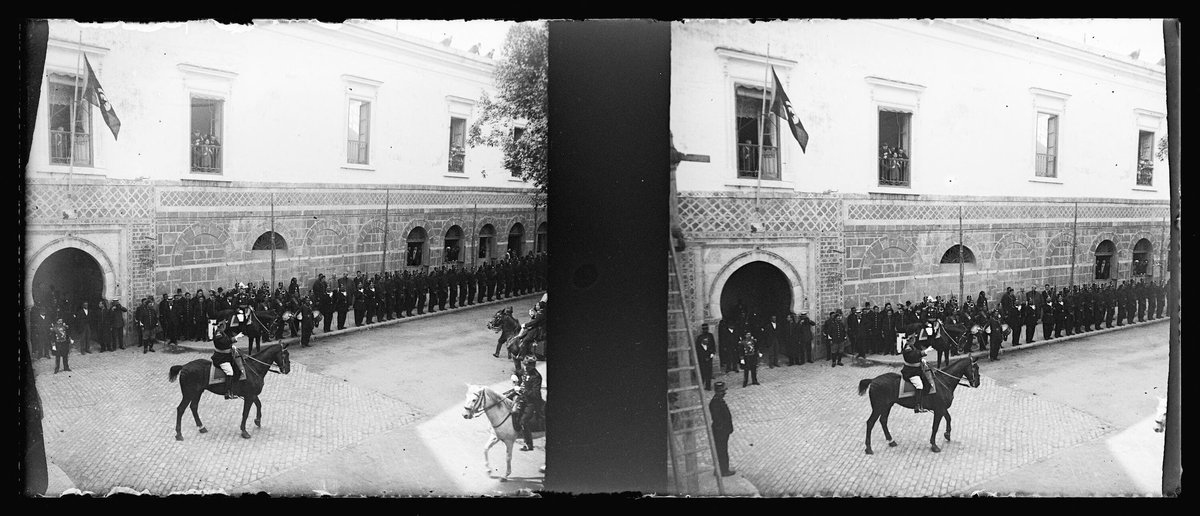
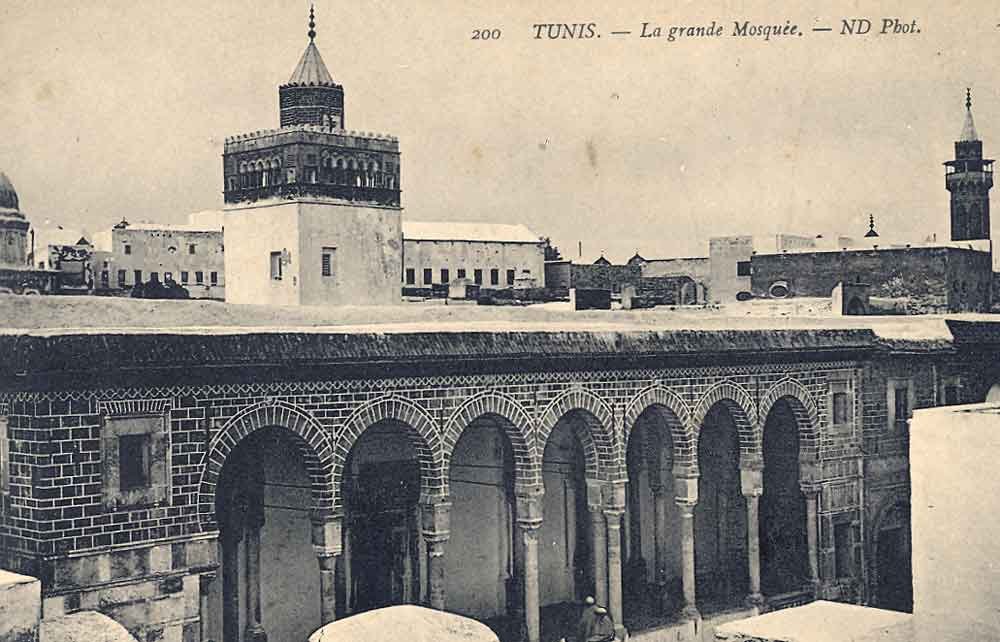
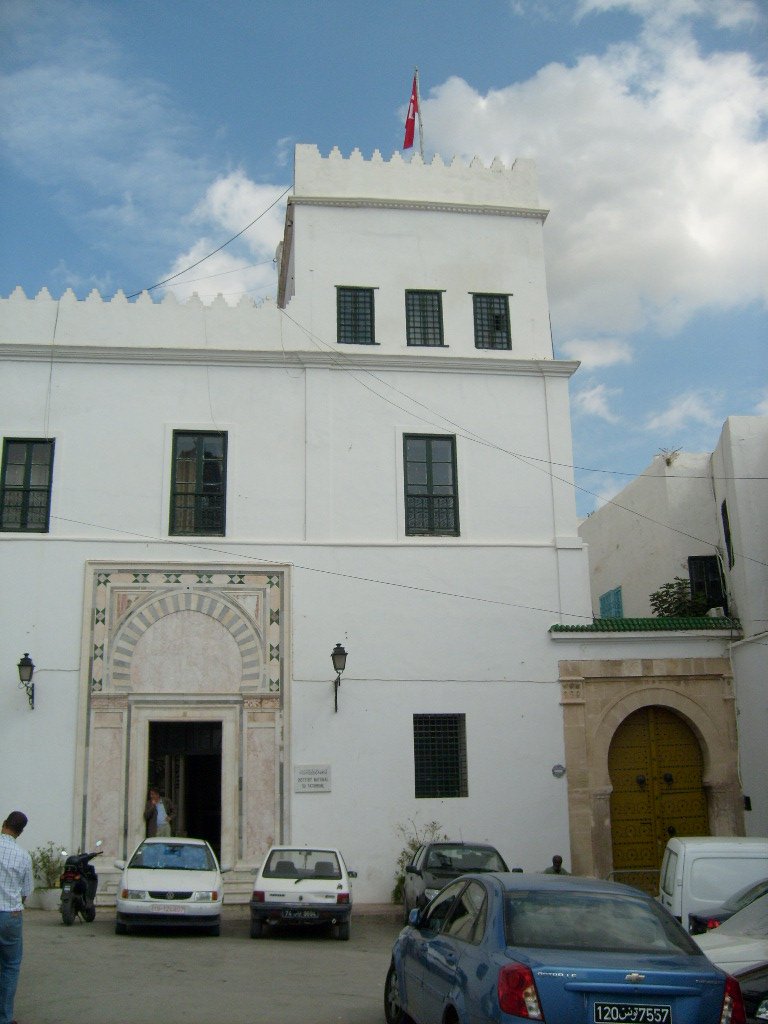
Dar Daouletli was constructed in the 17th century during the consolidation of Ottoman power in North Africa (Wikipedia). The name “Daouletli” is derived from the Turkish for “government,” referencing its status as the residence of a “dey”—an Ottoman governor or military leader. The palace’s strategic location on El Driba Street in the medina of Tunis placed it at the civic and religious heart of the city (Wikipedia).
Architectural Features
Dar Daouletli exemplifies the architectural vocabulary of Tunisian palatial residences (Kamel Lazaar Foundation). Notable features include:
- Central Courtyard The heart of the mansion, fostering social life and natural light.
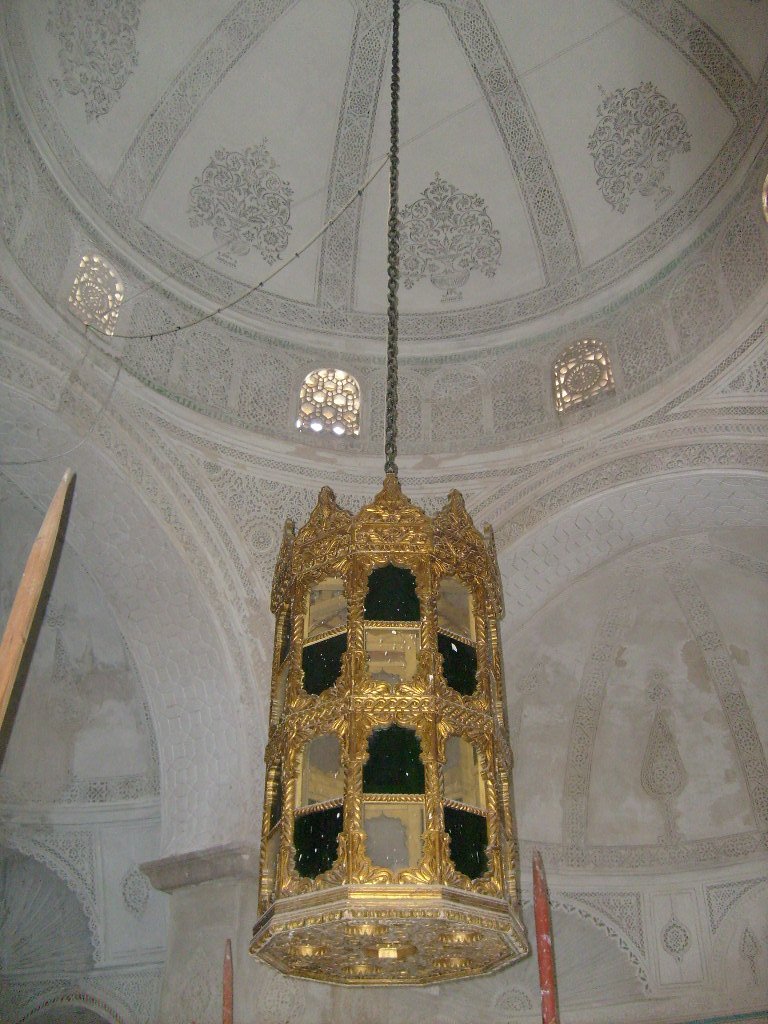
- Rooms and Halls Arranged around the courtyard, adorned with zellij tilework, carved stucco, and painted wooden ceilings.
- Materials Use of marble, glazed tiles, and fine woods signifies status and craftsmanship.
- Decorative Elements Geometric and floral motifs, arabesques, and calligraphic designs are found throughout.
- Integration with Nature The mansion’s gardens and terraces offer views of the Mediterranean and lush landscaping (Trackstick).
Historical Role and Ownership
Initially the residence of a high-ranking Ottoman official, Dar Daouletli functioned as both a private home and a venue for official functions. Its history reflects the evolution of Tunisian society from Ottoman governance to the era of the French protectorate. Despite periods of neglect experienced by similar palaces, Dar Daouletli maintained its significance and was classified as a historical monument in 1992 (Wikipedia).
Transformation into a Cultural Center
In the 20th century, Dar Daouletli became home to La Rachidia, a renowned association for the preservation and teaching of Tunisian music (Kamel Lazaar Foundation, La Rachidia Official Website). The palace’s halls and courtyard now host concerts, music classes, and cultural events, reinforcing its role as a living center of heritage rather than a static monument.
Visiting Information: Hours, Tickets, and Accessibility
- Hours Generally open Tuesday to Sunday, 9:00/10:00 AM to 5:00/6:00 PM. Closed on Mondays and national holidays. Hours may vary for special events—verify in advance (La Presse).
- Tickets Entry is often free during concerts and events; guided tours may incur a nominal fee (typically around 10 TND, with student/senior discounts). Book via the official Dar Daouletli website or on site.
- Guided Tours Available in Arabic, French, and English by prior arrangement; tours last 45–60 minutes.
- Accessibility Reasonable access with ramps and restrooms, though some areas remain limited due to historic design. Staff can assist when needed.
Preservation and Restoration Efforts
Restoration efforts have addressed challenges posed by age and humidity, including the installation of modern climate control systems (Kamel Lazaar Foundation). The building’s classified status ensures legal protection and ongoing maintenance, safeguarding its architectural and cultural integrity.
Dar Daouletli in Tunisian Heritage Context
Dar Daouletli is one of several grand residences that reflect the layered history of Tunis and La Marsa. Its continued use as a cultural institution exemplifies Tunisia’s commitment to adaptive reuse and preservation. The palace is part of a wider heritage landscape that includes the Medina of Tunis (a UNESCO World Heritage Site), Bardo Museum, and Carthage (Geographiya).
Frequently Asked Questions (FAQ)
Q: What are the visiting hours?
A: Typically from 9:00/10:00 AM to 5:00/6:00 PM, Tuesday to Sunday; closed Mondays.
Q: Is there a ticket fee?
A: Often free for concerts/events; guided tours are around 10 TND.
Q: Are guided tours available?
A: Yes, in multiple languages by reservation.
Q: Is the site accessible?
A: There is reasonable accessibility, but some areas remain challenging.
Q: What else can I visit nearby?
A: Abdellia Palace, Kobbet El Haoua, Saf Saf Café, La Marsa Beach, Carthage, and Sidi Bou Said.
Q: Are special events held at Dar Daouletli?
A: Yes, including concerts, music classes, and cultural festivals.
Significance for Visitors
Dar Daouletli offers an immersive experience in Tunisia’s architectural, political, and cultural evolution. Its transformation from an Ottoman residence to a vibrant cultural center mirrors broader trends in Tunisian heritage preservation. Located in the heart of La Marsa, it is an essential stop for visitors interested in history, architecture, and the arts.
Travel Tips and Nearby Attractions
- Getting There La Marsa is accessible by TGM light rail from Tunis (30–40 minutes) or by taxi/car (approx. 20 km from city center). Public transport is recommended during peak tourist seasons (Tourism Tunisia).
- Best Visiting Times Spring and autumn offer pleasant weather and fewer crowds.
- Dress Code Modest clothing is advised.
- Nearby Sights Abdellia Palace, Essaâda Palace, La Marsa Beach, Carthage archaeological sites, and local cafés (The New Arab).
- Environmental Considerations Support sustainability by using public transport and participating in local initiatives (Xplrverse Travel Safety).
Environmental and Practical Considerations
- Safety La Marsa is safe for travelers; keep valuables secure (Hikersbay La Marsa Safety).
- Health Local clinics and pharmacies are available; travel insurance is recommended.
- Language French and Arabic are widely spoken; English is understood at tourist sites.
- Payments Carry some Tunisian dinars; credit cards accepted at many venues.
Summary and Visit Tips
Dar Daouletli stands as a vital thread in the fabric of Tunisian heritage, uniting centuries of architectural, musical, and social legacy. Its preservation and adaptive reuse as a cultural center highlight the importance of safeguarding historical sites while fostering contemporary community engagement. Visitors are encouraged to plan ahead, consult official resources for updated information, and take advantage of guided tours and cultural events to fully appreciate the mansion’s significance.
For the latest updates, download the Audiala app, explore virtual tours, and follow official cultural channels. Engage with Tunisia’s living heritage at Dar Daouletli and discover the enduring beauty of La Marsa.