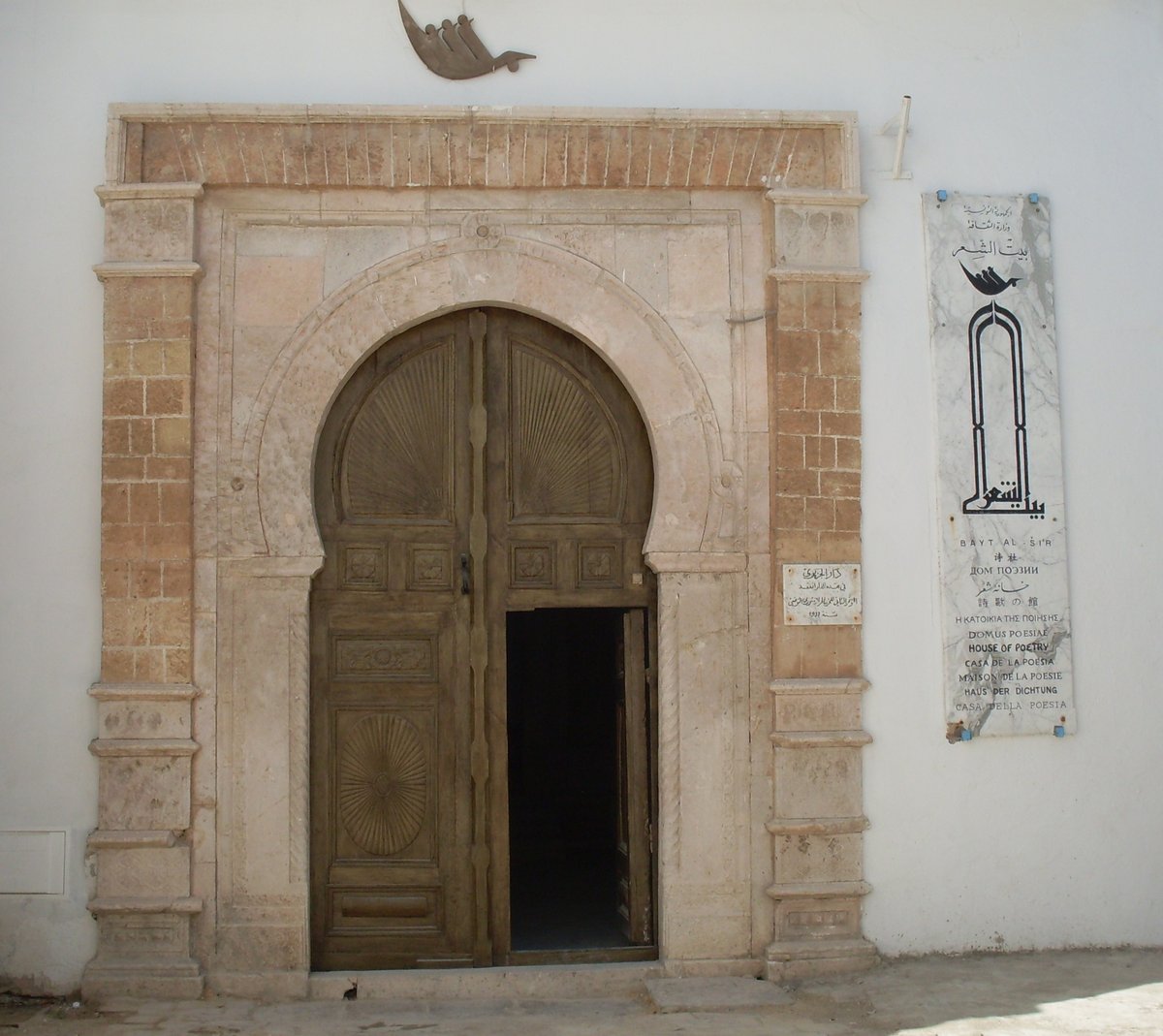
1. Origins and Historical Background
Dar Bach Hamba’s origins are rooted in the 17th century, with subsequent significant expansions and embellishments in the 18th and 19th centuries. Initially built by the Rassa family, migrants from Tlemcen, it later came under the ownership of the Naccache family before being acquired by Haj Ahmed Bach Hamba in the late 18th century. The Bach Hamba family, of Turkish descent, played an influential role in the Ottoman Regency of Tunis, with their name signifying an Ottoman military rank.
The palace’s architecture reflects the affluence and cosmopolitan tastes of its owners, who were at the intersection of local Maghrebi, Ottoman, Mediterranean, and European cultures. Over time, the mansion has witnessed—and embodied—Tunisia’s historical transitions, from the Hafsid dynasty through Ottoman rule, French colonialism, and into the modern era.
(Museum With No Frontiers, Wikipedia)
2. The Bach Hamba Family and Their Legacy
The Bach Hamba family were not only architectural patrons but also key actors in Tunisia’s political and social evolution. In the late 19th and early 20th centuries, Mohamed and ‘Ali Bach Hamba were pivotal figures in Tunisia’s nationalist awakening. They co-founded the Young Tunisians movement and “Le Tunisien,” the first French-language Tunisian newspaper, advocating for political modernization and greater autonomy from colonial rule.
Their influence transformed Dar Bach Hamba into a hub of intellectual and reformist activity—a testament to the palace’s role in Tunisia’s historical narrative.
(Museum With No Frontiers, L’Art Rue)
3. Architectural Features and Decorative Arts
Layout and Spatial Organization
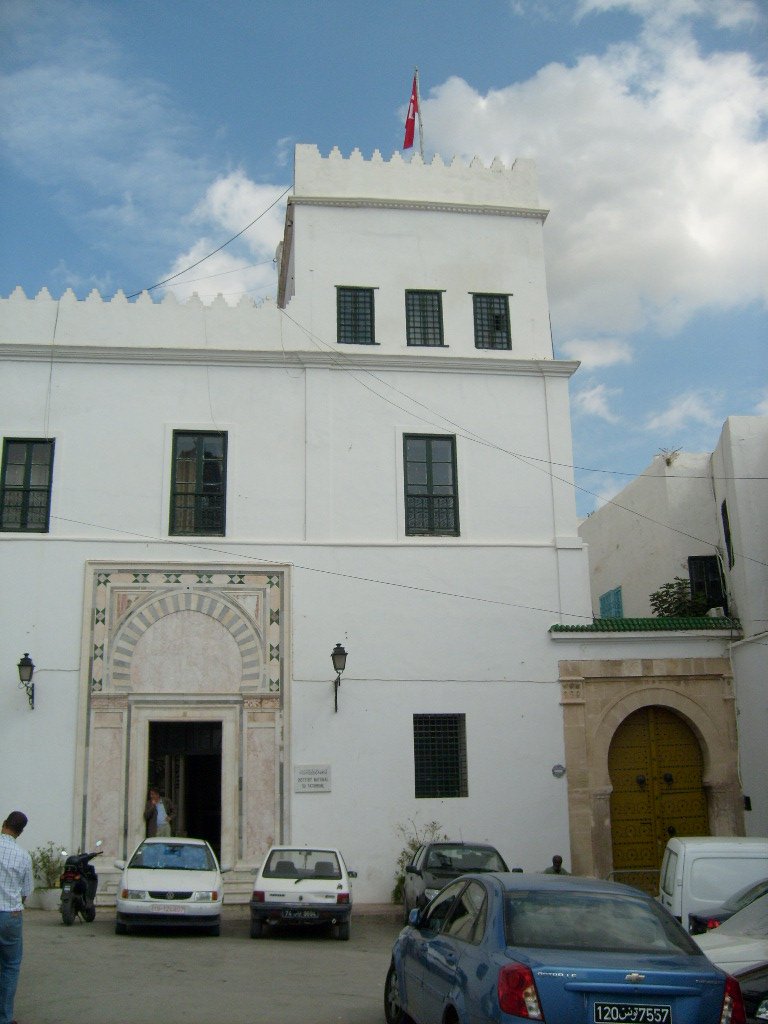
Dar Bach Hamba exemplifies classical Maghrebi urban palatial design, centered around a spacious patio providing light and ventilation to the surrounding rooms. Four main rooms, each with ornately decorated Italianate painted ceilings, flank the patio. The palace’s porticoes are uniquely placed on the north and east sides, distinguishing it from other Medina residences. Additional features include the annexed Dar Bakir and a family mausoleum on Sidi Tijani Street.
Decorative Elements
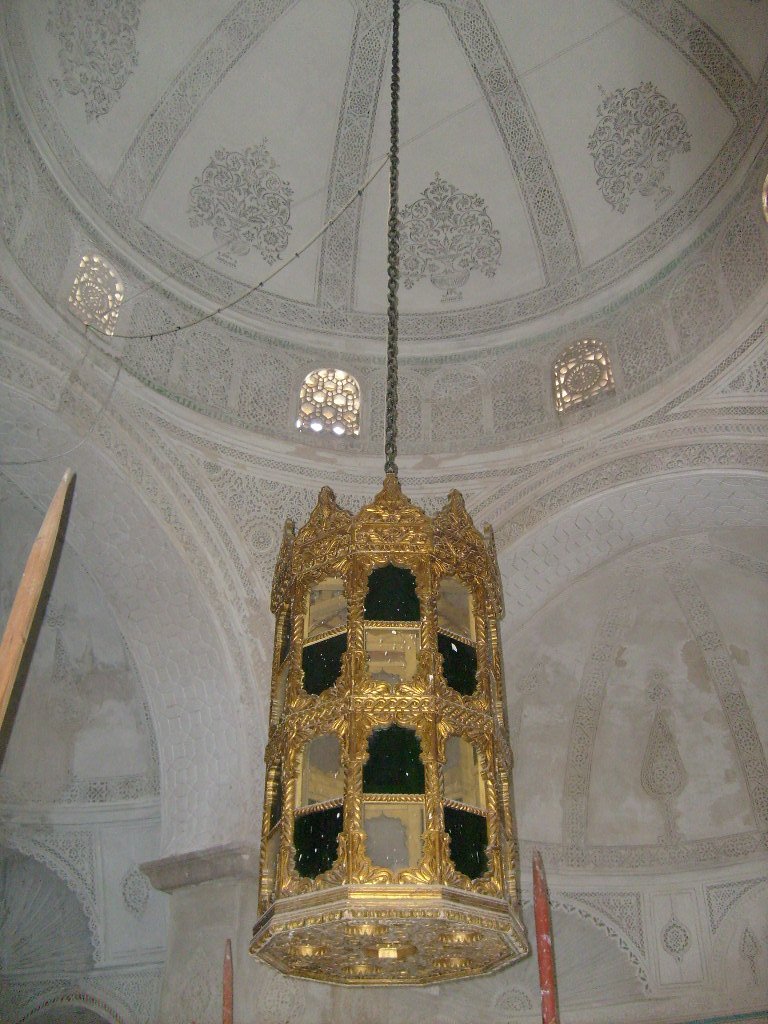
The interiors feature blue-painted ceilings with Italian motifs, intricate stuccowork, carved wooden doors, and traditional Tunisian zellige tilework. In 1932, one room was converted into a chapel, adding a layer of religious history. Decorative elements showcase the craftsmanship of local and Mediterranean artisans, reflecting the palace’s cosmopolitan influences.
4. Adaptive Reuse and Cultural Significance
Dar Bach Hamba has adapted to the changing needs of Tunisian society:
- Colonial and Post-Colonial Eras In 1923, the palace became a dispensary and school run by Franciscan nuns, teaching skills and providing healthcare to local girls.
- Recent Decades The site housed the Orestiadi Foundation, a Mediterranean cultural center, and later became the headquarters of L’Art Rue, a contemporary arts organization. Today, the palace is a dynamic venue for exhibitions, workshops, artist residencies, and cultural events, inviting both locals and international visitors to engage with Tunisia’s heritage and creative scene.
5. Visitor Information
Opening Hours and Tickets
- Hours Tuesday to Sunday, 9:00 AM to 5:00 PM. Closed Mondays and public holidays.
- Tickets Admission is typically 1.60 Tunisian dinars (TND) as of 2025. Some exhibitions or special events may have additional fees.
- Booking Tickets are available on-site; guided tours and group visits should be booked in advance.
(Cityzeum)
Accessibility
Due to its historic setting in the medina and architectural features, wheelchair access is limited. Visitors with mobility concerns are encouraged to contact the site in advance for assistance.
Getting There
Located centrally in the Medina of Tunis, Dar Bach Hamba is best accessed on foot from nearby landmarks or by taxi from central Tunis. The palace’s address is Rue Dar Bach Hamba, Medina, Tunis. The medina’s narrow streets are part of the experience, so comfortable footwear is recommended.
Guided Tours and Special Events
Guided tours are available in Arabic, French, and English by prior arrangement, offering deeper insights into the palace’s history and significance. Check the L’Art Rue website for current exhibitions, workshops, and cultural programming.
6. Travel Tips and Nearby Attractions
- Best Time to Visit Morning hours are ideal to avoid crowds and enjoy cooler weather.
- Photography Permitted in most areas; flash and tripods are restricted.
- What to Bring Comfortable shoes, water, and a camera.
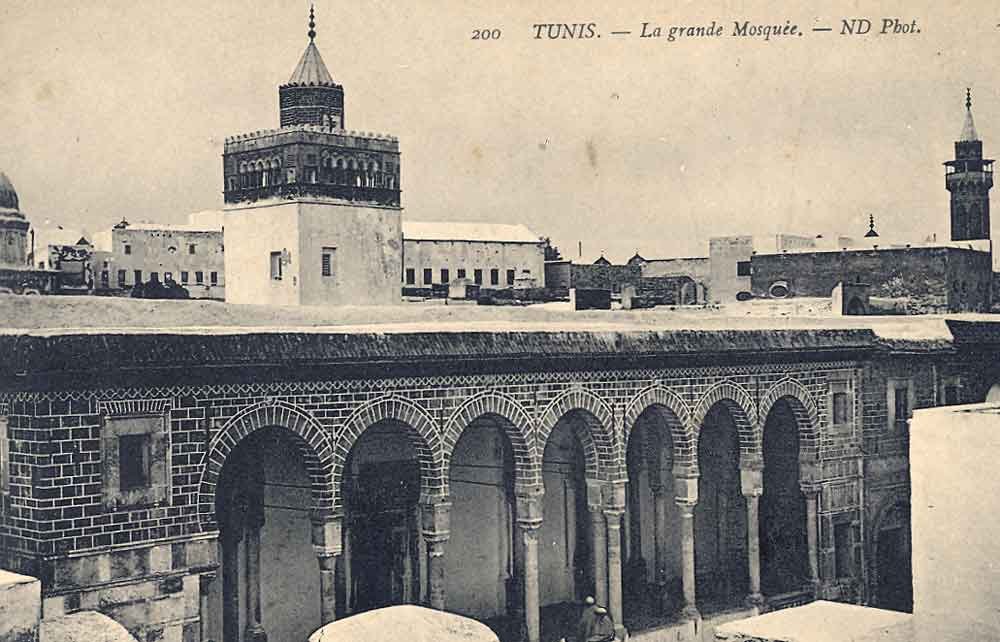
- Nearby Attractions The Zitouna Mosque, Dar Lasram, Souk El Attarine, Dar Ben Abdallah Museum, and the Medina’s vibrant souks.
- Food and Amenities Cafés, shops, and restrooms are available nearby within the medina.
7. Visitor Experience
Dar Bach Hamba offers a captivating journey through Tunisian history and culture. Explore the light-filled patio, marvel at painted ceilings and elaborate tilework, and participate in contemporary cultural events. The palace’s layered past and ongoing programming make every visit unique—whether you are interested in heritage, art, or community life.
8. Preservation and Future Prospects
Maintaining Dar Bach Hamba’s architectural and cultural richness is an ongoing challenge. Restoration projects, responsible tourism, and active cultural programming by organizations like L’Art Rue are critical to preserving this living monument for future generations.
9. Frequently Asked Questions (FAQ)
Q: What are Dar Bach Hamba’s visiting hours?
A: Tuesday to Sunday, 9:00 AM to 5:00 PM; closed Mondays and public holidays.
Q: How much is admission?
A: 1.60 Tunisian dinars as of 2025; additional fees may apply for special events.
Q: Are guided tours available?
A: Yes, in Arabic, French, and English by prior booking.
Q: Is the palace accessible for disabled visitors?
A: Accessibility is limited; contact the site for specific accommodations.
Q: Can I take photos inside?
A: Yes, but no flash or tripods.
Q: What else is there to see nearby?
A: The Zitouna Mosque, Dar Lasram, Medina Museum, and souks.