
Origins and Early History
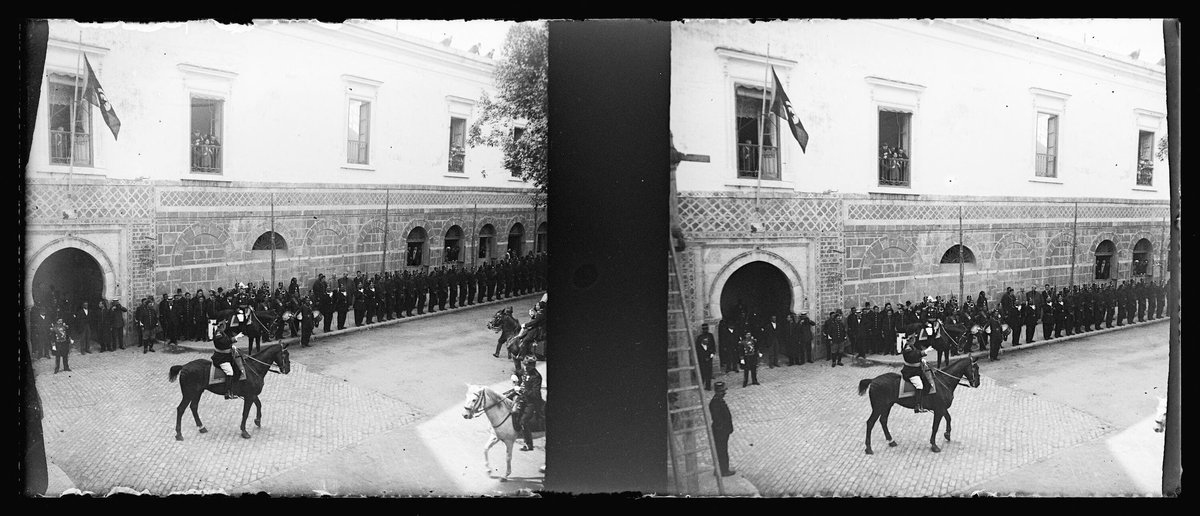
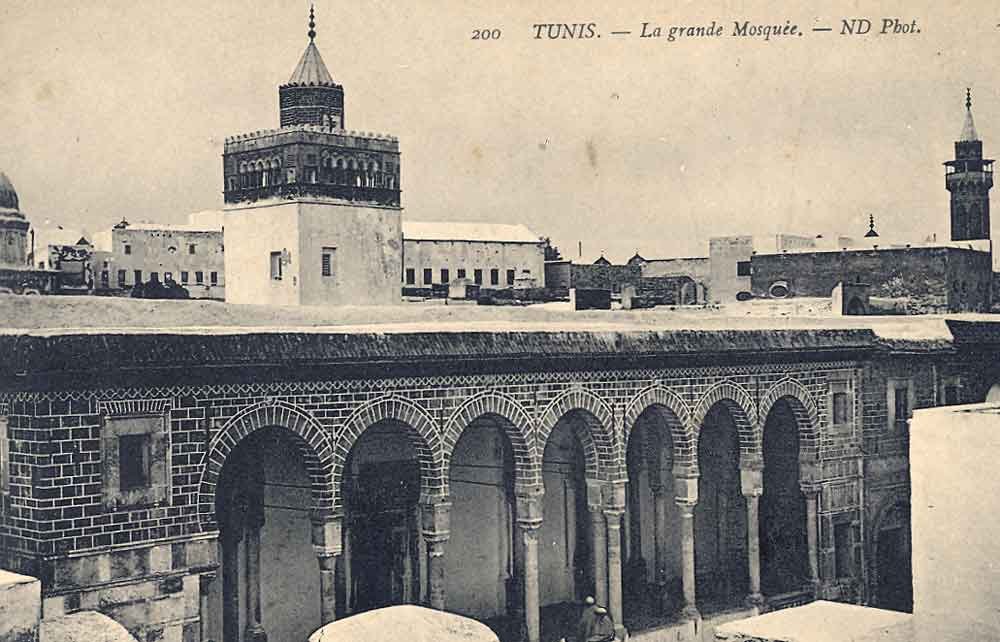
The Bardo National Museum is set in a palace complex originally built in the 13th century by the Hafsid Dynasty and later expanded under the Husseinite Beys in the 17th and 18th centuries (History Tools). The palace became a symbol of royal power and administrative authority, with architecture reflecting a blend of Mediterranean styles (Patrimoine de Tunisie). The transformation into a museum began in the late 19th century; it was officially inaugurated as the “Aloui Museum” in 1888 during the French Protectorate.
Evolution and Modernization
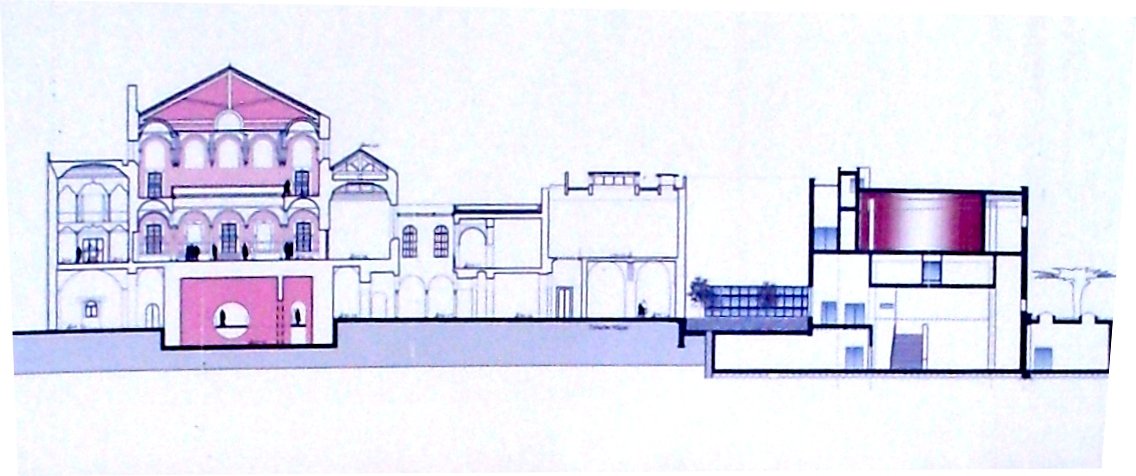
After Tunisia’s independence in 1956, the museum was renamed the “Bardo National Museum” to reflect its national significance (Patrimoine de Tunisie). The 20th century saw a rapid expansion of the collections, thanks to archaeological discoveries at Carthage, Dougga, Utica, and other sites (Carthage Magazine). Major renovations between 2009 and 2012 nearly doubled exhibition space, introduced modern museography, and incorporated digital technology such as augmented reality applications (History Tools).
Visiting Hours, Tickets, and Accessibility
- Opening Hours Tuesday to Sunday, 9:00 AM to 5:00 PM. Closed Mondays and some public holidays. Always check the official website for current schedules.
- Tickets General admission is typically 12–15 Tunisian Dinars (about $4–$5 USD). Discounts are available for students and seniors; children under 12 often enter free. Tickets are sold at the entrance, and online purchasing options may be available.
- Accessibility The museum features wheelchair ramps, elevators, and tactile exhibits for the visually impaired. Some historic rooms have limited access due to architectural constraints.
- Guided Tours Offered in multiple languages. Advance booking is recommended, especially during peak periods.
- Facilities The museum provides restrooms, cloakrooms, a café, and a gift shop. Maps are available at the entrance.
Highlights of the Collections
Roman and Byzantine Mosaics
The Bardo holds the world’s largest and most varied collection of Roman and Byzantine mosaics (Tunisia Travel Guide). These masterpieces, excavated from ancient cities like Carthage and Dougga, depict mythological, historic, and everyday scenes. Notable examples include:
- Virgil Mosaic The oldest known portrait of the poet Virgil, flanked by his muses.
- Triumph of Neptune A monumental mosaic centerpiece in the museum’s modern wing.
- Dionysus Mosaic Depicting the god gifting the vine to humanity.
Prehistoric, Carthaginian, and Punic Artifacts
Explore artifacts spanning from the Stone Age to the Punic era, including the Hermaïon of El Guettar (a 40,000-year-old altar), Carthaginian jewelry, terracotta statues, and stelae (Bardo Museum Official).
Roman, Greek, and Early Christian Works
The museum displays Roman statuary, sarcophagi, and Christian baptisteries. The Mahdia underwater collection features Greek bronzes and marbles recovered from a 1st-century BCE shipwreck (Bardo Museum Official).
Islamic and Medieval Treasures
A highlight is the Blue Quran of Kairouan, a rare manuscript from the 9th century, alongside ceramics, woodwork, and textiles from the Islamic and Ottoman periods (Wikipedia).
Ethnographic and Regional Diversity
Collections include traditional costumes, jewelry, and artifacts reflecting Tunisia’s diverse regions and cultures (Bardo Museum Official).
Planning Your Visit
Getting There
- Location Avenue Mongi Slim, Le Bardo, Tunis (not in La Marsa, but easily reached from there).
- Transport Accessible by taxi, private car (ample parking), or public transit (Métro Léger de Tunis Line 4, “Le Bardo” station).
- Nearby Attractions Medina of Tunis (UNESCO World Heritage), Carthage Archaeological Site, Sidi Bou Said, and Belvedere Park (Secret Attractions).
Visitor Tips
- Visit on weekday mornings for fewer crowds.
- Non-flash photography is allowed in most galleries, but confirm restrictions on site.
- Dress modestly in respect of local customs.
- Families are welcome; strollers are permitted, though some areas may be less accessible.
- Security checks are in place; large bags must be left in the cloakroom.
Special Features and Events
- Renovated Departments Recent restorations include the Treasure Department, with new displays of Roman coins and jewelry (Patrimoine de Tunisie).
- Cultural Events Annual programs such as “Les Nuits du Bardo” (musical evenings during Ramadan), temporary exhibitions, and educational workshops (Museum Run).
- Digital Experiences Augmented reality tours and virtual visits are available.
Frequently Asked Questions (FAQ)
Q: What are the Bardo National Museum’s opening hours?
A: Tuesday to Sunday, 9:00 AM to 5:00 PM; closed Mondays.
Q: How much are tickets?
A: 12–15 Tunisian Dinars for adults; discounts available for students, seniors, and free for children under 12.
Q: Are guided tours available?
A: Yes, in several languages; book in advance if possible.
Q: Is the museum accessible for people with disabilities?
A: Yes, most public areas have ramps and elevators.
Q: Can I take photos?
A: Non-flash photography is generally allowed; check for restrictions on specific exhibits.
Q: What other sites are nearby?
A: Medina of Tunis, Carthage ruins, Sidi Bou Said, and Belvedere Park.