Lomé

Togo

Lomé

Lomé may be the only capital where you can walk to another country on a main boulevard, then end the day at a beach bar with grilled fish and sea wind.

location_on 7 attractions
calendar_month Dry season (November-February)
schedule 2-3 days

Introduction

Animal skulls dry in the heat at Akodessewa while Atlantic wind pushes salt across the beach road, and somehow that contrast makes perfect sense in Lomé, Togo. Few capitals let you walk from a vodoun market to a former colonial palace turned arts center, then keep going toward a land border on the same urban spine. The city feels improvised at first. Then it starts to read like a place that has always known exactly what it is.

Commerce gives Lomé its pulse. In the Grand Marché and Assigamé area, wax-print fabrics hang in dense walls of color, pepper and dried fish scent the air, and the memory of the Nana Benz still shapes how the city talks about power, taste, and money. This is a trading city before anything else, and it wears that fact openly.

Religion here is lived, not staged for visitors. Vodoun practice sits alongside Catholic churches and mosques with very little need to explain itself, which is why the red-brick Sacred Heart Cathedral and the fetish market belong in the same guide without contradiction. Lomé doesn't flatten belief into folklore. It lets the different systems stand shoulder to shoulder.

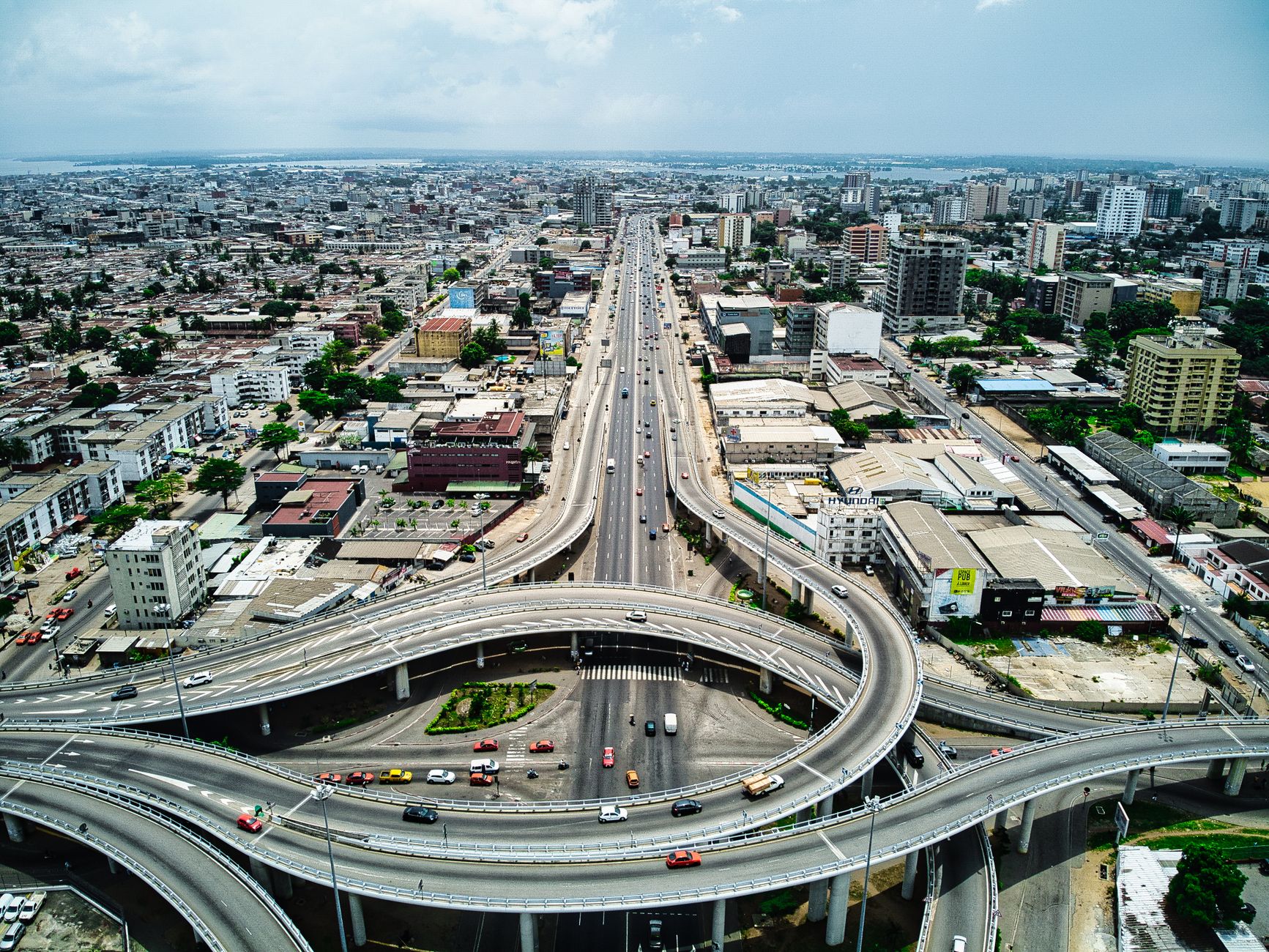
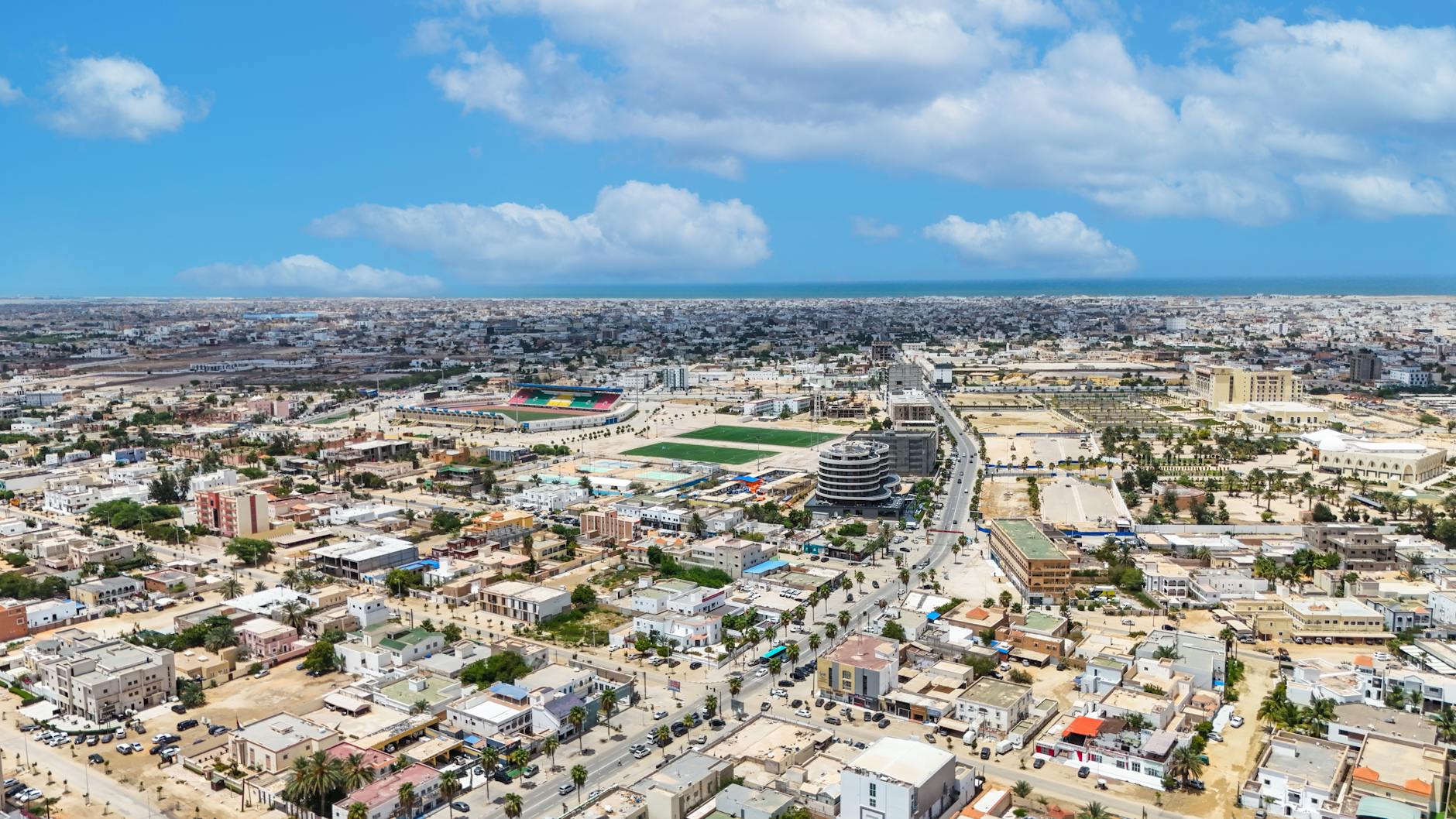
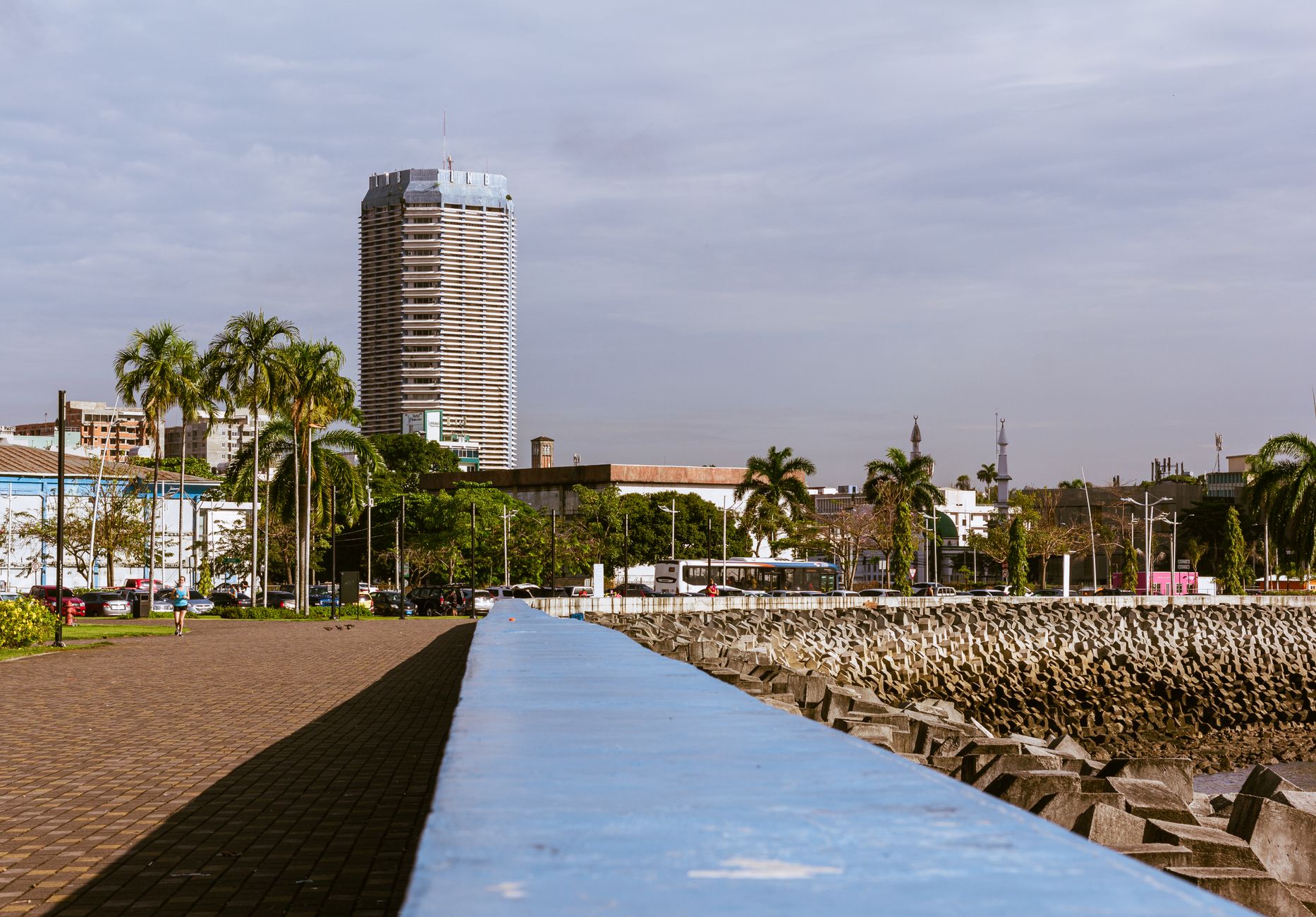
Architecture tells the second story. German colonial buildings, post-independence concrete towers, and the restored Palais de Lomé show a capital that has been claimed and reclaimed more than once, while the beachfront and border road keep reminding you that this is a city of movement, argument, and exchange. Come for the market and the sea if you like. You'll leave thinking about who built the place, who traded through it, and who still controls its rhythm.

What Makes This City Special

Vodoun in Plain Sight

Akodessewa Fetish Market smells of dried herbs, smoke, hide, and dust before you even reach the first stall. Skulls, talismans, crocodile skin, and ritual medicine sit in open view, which tells you something basic about Lomé: vodoun here is lived practice, not a stage set for visitors.

Colonial Facades, Concrete Futures

Lomé's skyline jumps between eras without warning: the 1902 Sacred Heart Cathedral in red brick, the former German governors' residence reborn as Palais de Lomé, then post-independence concrete landmarks from the 1960s to 1980s. Few West African capitals wear their political history this openly.

The Nana Benz Legacy

Grand Marché is more than a market stop; it is where the city's trading intelligence still shows its muscle. The wax-print trade made the Nana Benz famous from the 1960s onward, and their story still hangs over the fabric floors, where color arrives in hard, confident blocks.

A Border Runs Through the City

Lomé has one trick almost no capital can match: the Ghana border sits at the end of the urban grid, and you can walk toward another country on an ordinary city avenue. That border-town energy changes the whole mood of the place, making Lomé feel less like a sealed capital than a coastal threshold.

Historical Timeline

A Border Capital Forged by Trade, Empire, and Reinvention

From an Ewe coastal settlement to a modern capital where colonial ghosts now hang contemporary art

public
18th century

An Ewe Settlement Takes Root

Most scholars date Lomé's beginnings to an Ewe settlement planted near the Gulf of Guinea in the 18th century. The name is usually linked to the Ewe phrase for a place among alo trees, which suggests something small, shaded, and local long before capitals and customs posts arrived.

swords
18th century

The Slave Coast Closes In

By the 18th century, the coast around present-day Lomé had been pulled into the Atlantic slave trade that scarred this whole stretch of West Africa. European merchants wanted routes, beachheads, and human cargo; local life bent around that violence, even where no grand fort dominated the shore.

factory
1882

Trade Firms Choose Lomé

A major trading firm set up in Lomé in 1882, and the town's future started to tilt. Commerce likes a practical coast, and Lomé had one: a beach landing, a growing market, and room to become more than a village of traders and fishermen.

gavel
1884

German Protectorate Declared

Germany folded the coast into Togoland in 1884, dragging Lomé into the carved-up logic of European empire. Paper maps changed first. Then streets, rail plans, offices, and the daily fact of foreign rule followed.

gavel
1897

Capital of German Togoland

In 1897 Lomé became the capital of German Togoland, overtaking older coastal rivals such as Aného. That decision mattered more than a title on a document: it pulled administrators, merchants, and builders into one humid strip of coast and fixed Lomé at the center of colonial ambition.

person
1902

Sylvanus Olympio Is Born

Sylvanus Olympio was born in 1902 into a prominent family tied to commerce and public life, and Lomé would remain the stage on which his name rose and fell. His story is inseparable from the city: the port capital educated his political instincts, then later witnessed his violent end.

church
1902

Sacred Heart Cathedral Opens

The Cathédrale du Sacré-Cœur was completed in 1902, its red brick and twin towers lifting a slice of German Gothic into the coastal heat. Step inside and the change is immediate: street dust gives way to filtered light, cooler air, and the hush that brick churches know how to make.

factory
1904

Wharf and Port Logic

A wharf built in 1904 turned Lomé into a harder, more efficient export point for colonial trade. Goods could move faster from the interior to the sea, and that changed the city's rhythm: more freight, more labor, more reason for the capital to stay here.

castle
1905

Rails and Governor's Palace

Rail links and the Governor's Palace arrived in 1905, each serving the same blunt idea: move power inland and display power at home. The palace, all verandas and imperial posture on the beachfront, was colonial architecture doing what it does best. Looking permanent.

swords
1914

Empire Falls in Weeks

During the first weeks of World War I, British and French forces invaded Togoland and Lomé fell by August 1914. German rule, which had dressed itself in stone and ceremony, collapsed with startling speed. Capitals can look solid right up to the morning they don't.

gavel
1920

French Rule Recasts the Capital

By 1920 Lomé had become the capital of French Togoland under the mandate system that followed Germany's defeat. Administration changed language, paperwork, and style, but the city kept its coastal job: receiving ships, collecting taxes, and translating distant power into daily life.

person
1954

Christiane Akoua Ekué's Lomé

Writer and publisher Christiane Akoua Ekué was born in Lomé in 1954, part of a generation shaped by a city balancing colonial residue and coming independence. Her connection matters because Lomé is not only a capital of decrees and coups; it is also a city that keeps producing people who turn memory into language.

gavel
1960

Independence on 27 April

Togo became independent on 27 April 1960, and Lomé stepped into its role as capital of a sovereign republic. The Monument de l'Indépendance would later fix that moment in concrete and ceremony, but the deeper change was less theatrical: decisions made in Lomé were no longer meant to pass through Paris first.

person
1961

Olympio Takes Office

With the new constitution in 1961, Sylvanus Olympio became the first elected president of independent Togo. For Lomé, this was the brief season when the capital seemed able to shed colonial scripts and write its own. Briefly.

swords
1963

Coup and Assassination

On 13 January 1963, soldiers overthrew the government in Lomé and Sylvanus Olympio was killed. The first president of independent Togo died in the capital he had led, and the sound that lingered after the shooting was not only fear but broken expectation. Postcolonial optimism can vanish fast.

person
1963

Nicolas Grunitzky Returns

Nicolas Grunitzky emerged from the 1963 upheaval as president, making Lomé once again a city where elite politics moved through salons, barracks, and state offices within a few tense kilometers. His years in power never felt settled. The capital had learned how quickly one regime could replace another.

person
1966

Kangni Alem's City

Kangni Alem, born in Lomé in 1966, would become one of the city's sharp literary and theatrical voices. His later founding of Atelier Théâtre de Lomé turned the capital into more than an administrative center; it became a place where writers and performers could answer power with language, irony, and stage light.

gavel
1967

Eyadéma Seizes the State

A bloodless coup in 1967 pushed Nicolas Grunitzky aside and opened the long rule of Gnassingbé Eyadéma. Lomé became the nerve center of an authoritarian state that could look calm on the surface while tightening its grip underneath. Ministries, barracks, and presidential compounds all faced the sea, but none of them felt open.

factory
1969

Deep-Water Harbor Changes Scale

The deep-water harbor cited from 1969 gave Lomé something the old roadstead never could: a port built for larger ships and bigger ambition. Trade thickened. Containers, cranes, and customs yards began to matter as much as boulevards and ministries.

public
1975

The Lomé Convention Signed

In 1975, Lomé gave its name to an international treaty between the European Economic Community and African, Caribbean, and Pacific states. That is a strange kind of fame for a city: not a battle, not a saint, but a diplomatic document. Still, names stick, and Lomé entered world politics in conference-room ink.

palette
1975

National Museum Opens

The National Museum opened in 1975, gathering regalia, instruments, and ethnographic collections that try to hold a country together in objects. Museums in postcolonial capitals always carry a double burden. They preserve memory, and they argue over who gets to define it.

swords
1990

Streets Fill with Protest

Anti-government demonstrations shook Lomé from 1990 into 1991, and the city once again became the loudest critic of the state lodged inside it. Protests, crackdowns, and uncertainty changed the feel of the capital. Boulevards built for parades and administration turned into contested ground.

local_fire_department
2013

Fire Devours the Grand Market

A major fire tore through the Grand Marché on 11 January 2013, gutting one of Lomé's commercial hearts. Smoke and ash replaced the usual smell of spices, cloth, and hot pavement. The damage hit traders hard, especially women whose businesses had built whole family fortunes one fabric bale at a time.

palette
2019

Palace Becomes Art Center

In November 2019, the former colonial governor's palace reopened as the Palais de Lomé, a contemporary arts and culture center. That conversion says more about the city than any slogan could: a building raised to supervise the colony now hosts exhibitions, gardens, and arguments about what West African modernity looks like on its own terms.
schedule
Present Day

Notable Figures

Emmanuel Adebayor

born 1984 · Footballer
Born here

Emmanuel Adebayor grew up in Lomé before becoming Togo's most recognized football export, the kind of player whose name traveled farther than the country itself for many fans. He'd still recognize the city's hustle: traders arguing over fabric, boys improvising matches in the heat, ambition worn openly.

Sylvanus Olympio

1902–1963 · Politician
Died here

Sylvanus Olympio, Togo's first president, died in Lomé in 1963 after the coup that ended the republic's first chapter almost as soon as it began. The Independence Monument lands differently once you know that story; the concrete looks steadier than the politics that followed it.

Victoire Tomegah Dogbé

born 1959 · Politician
Born here

Victoire Tomegah Dogbé was born in Lomé and rose to become prime minister, a trajectory that makes sense in a city shaped by traders, administrators, and people who know how power actually moves. She comes from a capital where women have long run commercial life in plain view, especially in the textile trade.

Daré Nibombé

born 1980 · Footballer
Born here

Daré Nibombé is another Lomé-born footballer, part of the steady line of players the city has sent into the wider game. His story says something useful about Lomé: it rarely markets itself loudly, but it keeps producing people who travel far from it and remain marked by its edge.

Practical Information

flight

Getting There

Gnassingbé Eyadéma International Airport (LFW), also called Lomé-Tokoin, sits about 6 km northeast of the center; the drive into town usually takes 15 to 30 minutes depending on traffic. As of 2026, the supplied research does not confirm active passenger rail stations for visitors, so most arrivals come by air or by road via the Ghana border at Aflao on the city's western edge.

directions_transit

Getting Around

Lomé has no metro, subway, tram, or tourist transport pass in 2026. Most visitors use yellow taxis or zémidjan moto-taxis and negotiate before boarding; public buses exist, including Bus Line 2 on the airport corridor, but service is limited and cash-only. Central districts around Grand Marché, the Independence Monument, and the beachfront are walkable in the dry season, though sidewalks can vanish without warning.

thermostat

Climate & Best Time

Lomé runs hot year-round, with typical daytime temperatures around 24 to 33C and a double rainy season that catches first-time visitors off guard. The heaviest rain usually falls from April to June, then again from September into October; November to February is the cleaner, drier window, helped by harmattan air and easier walking weather. Peak visitor months cluster in that dry stretch, while April to June is the soggier off-peak period.

translate

Language & Currency

French is the working language for taxis, hotels, menus, and bargaining, while Ewe and Mina are widely spoken across Lomé. The currency is the West African CFA franc (XOF), pegged to the euro, and cash still runs the city in 2026; cards are mostly for higher-end hotels and larger businesses, with mobile money used more by locals than short-stay travelers.

shield

Safety

Lomé is generally manageable with ordinary city caution, but petty theft is the problem visitors notice first, especially around Grand Marché and other crowded commercial zones. Keep phones and camera gear quiet, be careful on isolated beach stretches after dark, and think twice before hopping on a zémidjan whose driver looks half-asleep or reckless.

Tips for Visitors

shopping_bag
Go Early Market

Hit Grand Marché before noon, when the fabric floors, produce stalls, and spice aisles are easier to read and the heat is less punishing. By late afternoon, the market feels thicker and slower.

restaurant
Eat Near Markets

For cheaper local meals, look for maquis and grill stalls around Grand Marché rather than hotel dining rooms. The strongest street-food energy builds after 5 PM, especially for fish, alloco, and grilled chicken.

pan_tool
Use Your Right

If you're eating with your hands, use your right hand. Research on Togolese dining customs also suggests you should not sniff food before eating or interrogate the cook about every ingredient.

self_improvement
Take A Guide

Akodessewa Fetish Market makes far more sense with a guide on site. Without context, you see skulls and talismans; with context, you start to understand how ritual medicine still fits into daily life in Lomé.

church
Dress With Respect

Wear modest clothing for Sacred Heart Cathedral and polished everyday clothes elsewhere if you want to blend in better. In Lomé, presentation matters more than many visitors expect.

warning
Skip The Swim

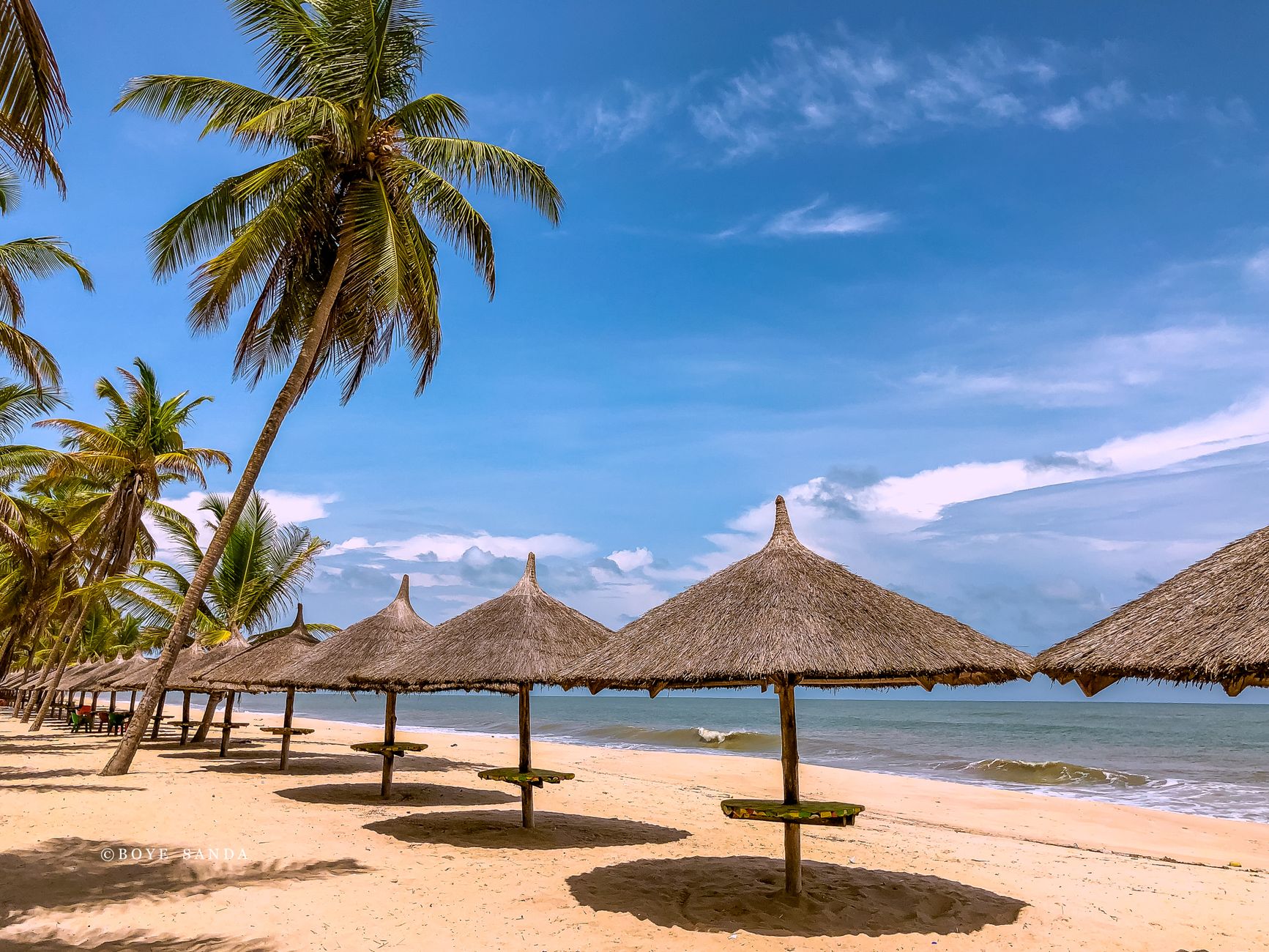
Lomé Beach works better for evening walks, grilled fish, and people-watching than for swimming. Local warnings in the research point to hazardous rip currents.

border_outer
Border Paperwork Ready

Lomé sits right on the Ghana border, and one of its odd pleasures is how close that crossing feels to the city. If you're heading to Aflao, carry your passport and visa documents before you leave the boulevard.

Explore the city with a personal guide in your pocket

Your Personal Curator, in Your Pocket.

Audio guides for 1,100+ cities across 96 countries. History, stories, and local insight — offline ready.

smartphone

Audiala App

Available on iOS & Android

download Download Now

Join 50k+ Curators

Frequently Asked

Is Lomé worth visiting? add

Yes, if you like cities with texture rather than polish. Lomé gives you a red-brick cathedral from 1902, a market shaped by the Nana Benz textile trade, a serious contemporary arts venue at Palais de Lomé, and a beach road where the city exhales after dark.

How many days in Lomé? add

Two to three days works well for most travelers. That gives you time for Grand Marché, Akodessewa Fetish Market, Palais de Lomé, the cathedral, the Independence Monument, and one slow evening along the beach without turning the city into a checklist.

Is Lomé safe for tourists? add

Usually, with normal city caution and a bit of judgment. The clearest practical warning in the research is the beach: go for atmosphere, not swimming, because locals warn about rip currents.

Can you walk from Lomé to Ghana? add

Yes. Lomé is unusual because the Ghana border at Aflao sits right at the edge of the city, and travelers can cross on foot if they have the right documents.

How expensive is Lomé for travelers? add

Lomé can be fairly budget-friendly if you eat where locals eat and keep hotel spending under control. Maquis, market-edge food stalls, and everyday transport cost far less than beachfront restaurants and upscale venues.

What should I eat in Lomé? add

Start with poulet braisé, alloco, akpan, akoumé, gboma dessi, and whatever the grill is turning out near Grand Marché after work hours. Home-style places and maquis usually give you a better read on the city than polished international menus.

Is the Fetish Market in Lomé ethical or respectful to visit? add

It can be, if you go with curiosity instead of spectacle. A guide helps, because Akodessewa is tied to living ritual and traditional medicine, not a performance staged for outsiders.

Can you swim at Lomé Beach? add

You probably shouldn't. The beach is one of Lomé's social centers, but the research repeatedly frames it as a place for atmosphere, food, and evening walks rather than safe bathing.

Sources

Last reviewed: