Plan and listen to Hat Kata with Audiala.
Audio guide in your pocket, itinerary in your browser. Built for the way you actually visit.
Introduction
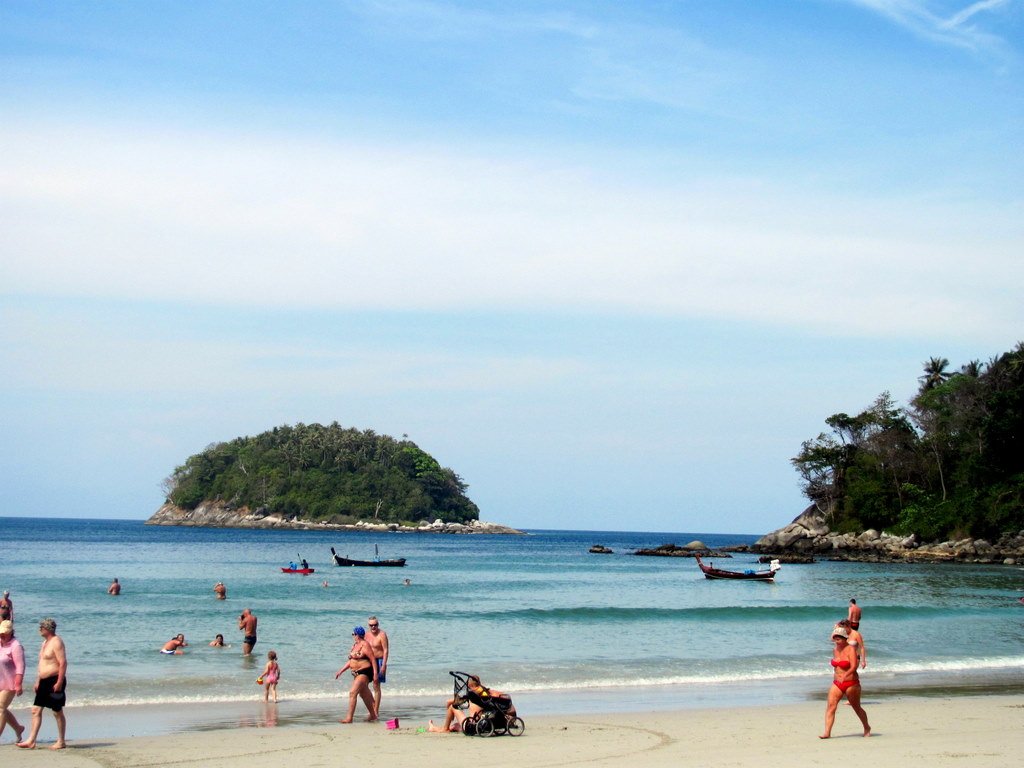
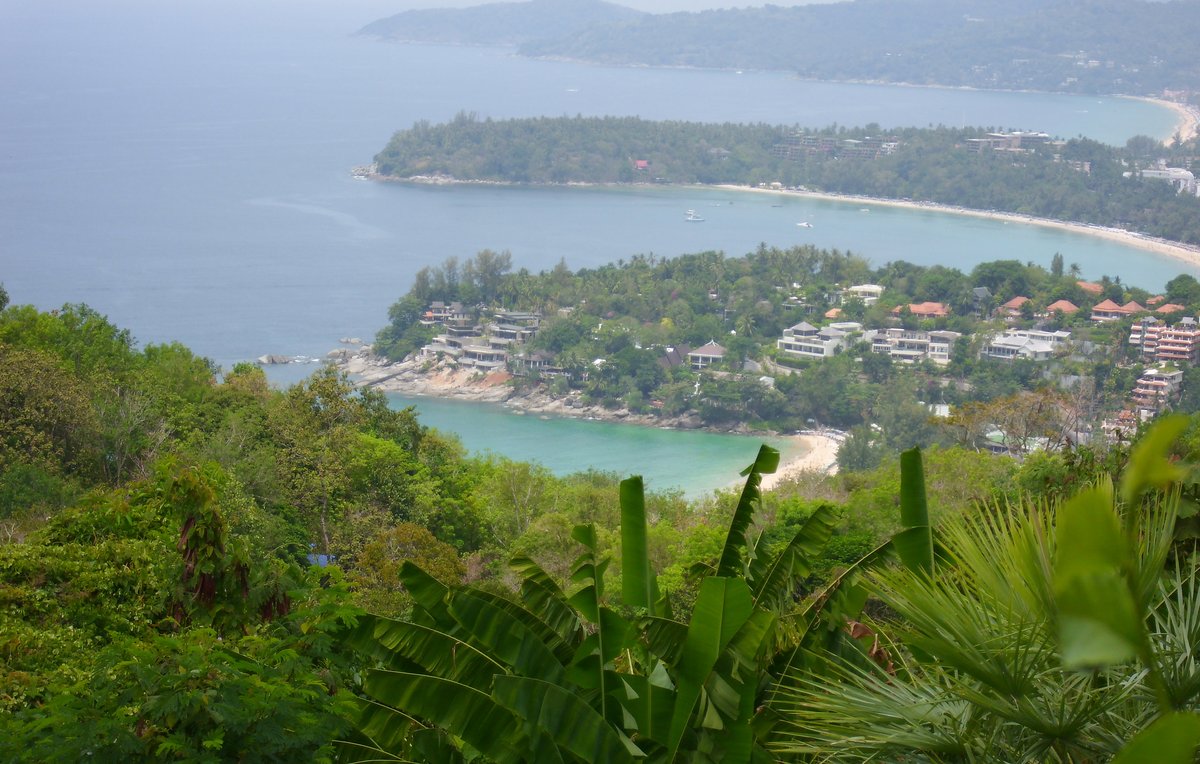
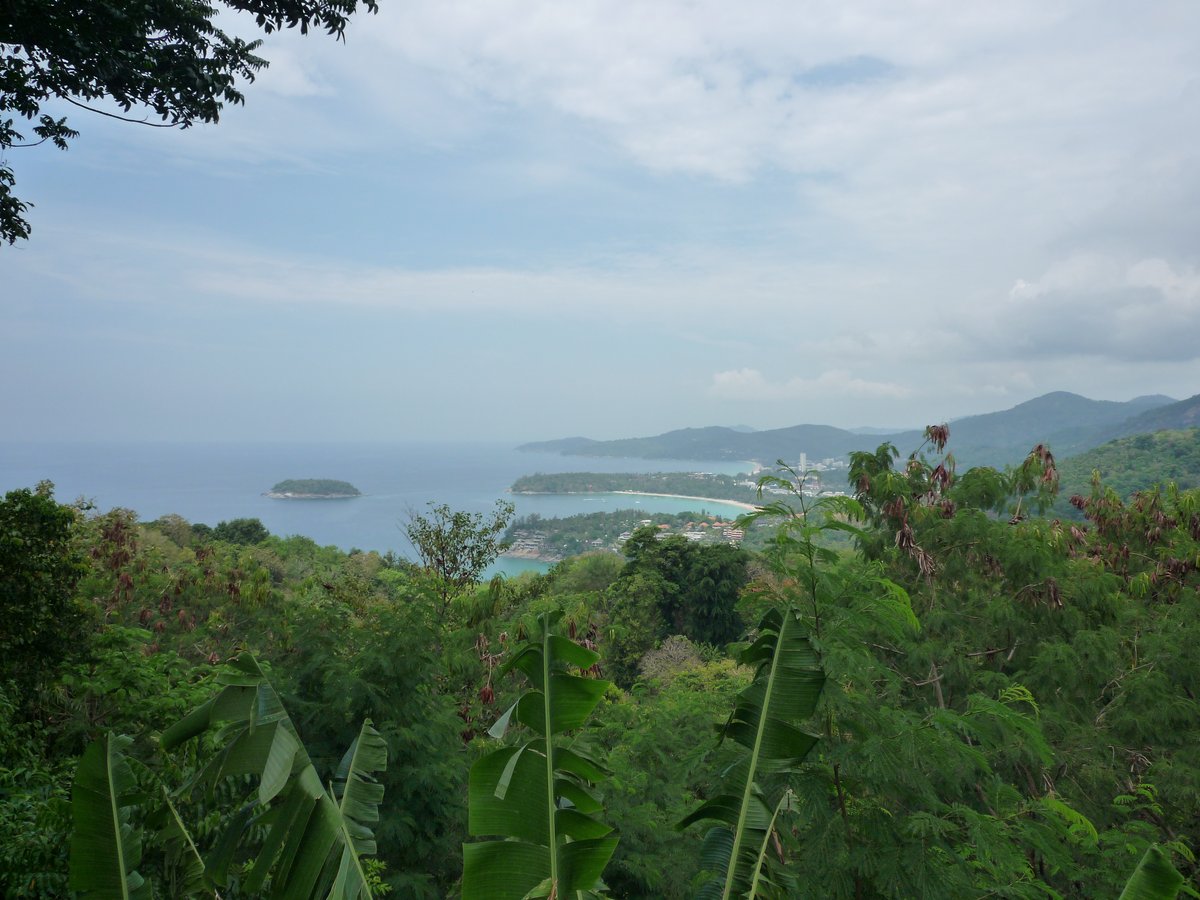
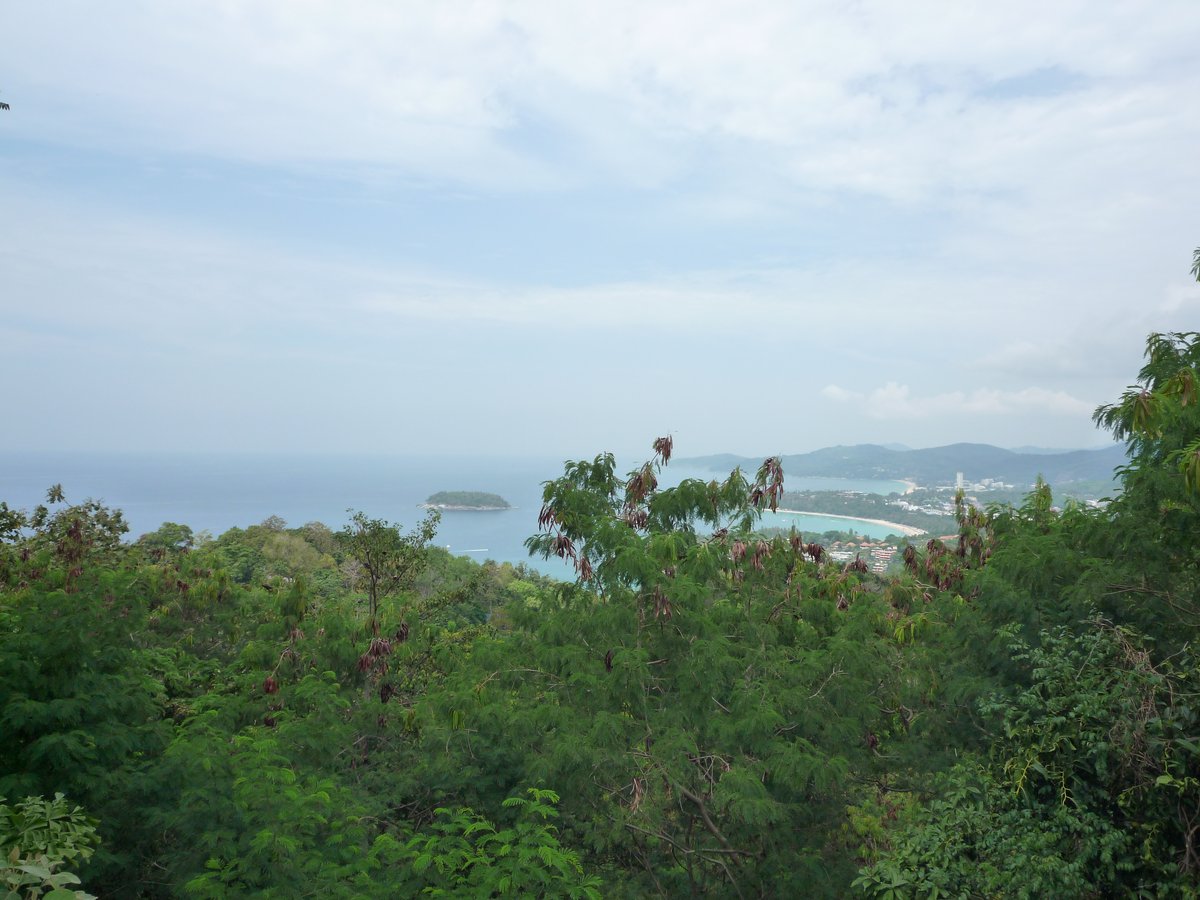
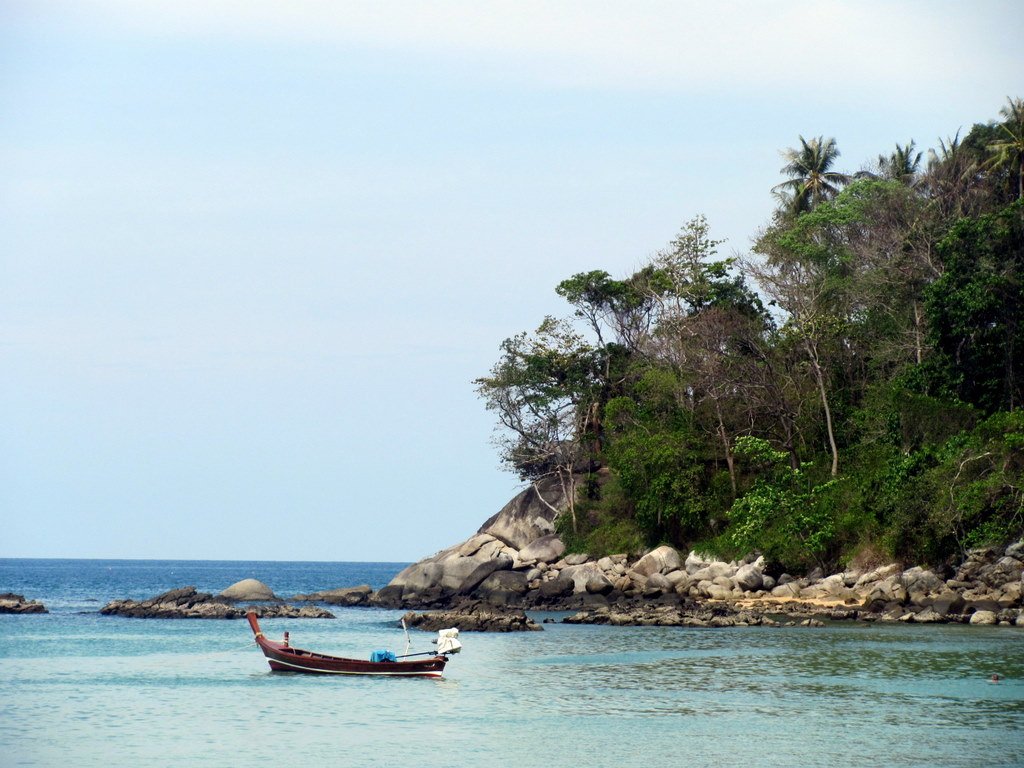
Kata Beach, locally known as หาดกะตะ, is one of Phuket's most stunning and popular beaches, drawing visitors with its crystal-clear waters, soft white sand, and vibrant coral reefs. Nestled on the southwestern coast of Phuket, Kata Beach is divided into two main areas: Kata Yai (Big Kata) and Kata Noi (Little Kata), each offering unique experiences for different types of travelers. This comprehensive guide delves into the rich history, cultural significance, and essential visitor information for Kata Beach, making it an indispensable resource for anyone planning a trip to this picturesque destination.
Historically, Kata Beach was a quiet fishing village, with its roots tracing back to the 16th century when Phuket was a significant trading post frequented by traders from China, India, and Europe. The beach's transformation began in the late 20th century, particularly during the 1980s and 1990s, when Phuket emerged as a major international tourist destination (Phuket.com). Today, Kata Beach is a bustling tourist hotspot, attracting visitors from around the globe with its natural beauty and vibrant atmosphere.
This guide aims to provide a thorough exploration of Kata Beach, covering its early history, colonial influence, modern development, and the various attractions and activities it offers. Additionally, it includes practical travel tips, cultural insights, and information on environmental conservation efforts, ensuring that visitors can make the most of their visit while respecting the local culture and environment.

Early History
Kata Beach, located on the southwestern coast of Phuket, has a history deeply intertwined with the island's broader past. Since the 16th century, Phuket has been a significant trading post frequented by traders from China, India, and Europe, drawn by its rich tin deposits. Initially, Kata Beach was a quiet fishing village where local communities relied on marine resources for their livelihood.
Colonial Influence and Development
In the 19th century, Phuket, including Kata Beach, saw increased European influence, particularly from the British and the Dutch, who were interested in the island's tin resources. This period marked the beginning of significant infrastructural development, including the construction of roads and ports, facilitating easier access to Kata Beach. However, the beach remained relatively undeveloped compared to other parts of Phuket.
Modern Tourism Boom
The transformation of Kata Beach began in the late 20th century, particularly during the 1980s and 1990s, when Phuket emerged as a major international tourist destination. The Thai government and private investors recognized Kata Beach's potential and began developing it into a tourist hotspot. Today, its crystal-clear waters, soft white sand, and vibrant coral reefs attract both local and international visitors.
Visitor Information
Kata Beach Visiting Hours
Kata Beach is accessible 24 hours a day, making it ideal for early morning walks or late-night strolls.
Kata Beach Tickets and Entrance Fees
There are no entrance fees for Kata Beach, making it a free attraction for all visitors.
Travel Tips
Best Time to Visit
The best time to visit Kata Beach is during the dry season, from November to April, when the weather is most pleasant.
Accessibility
Kata Beach is easily accessible by car, tuk-tuk, or taxi from various parts of Phuket. There are also public buses that connect Kata Beach to other popular destinations on the island.
Nearby Attractions
Some nearby attractions include the Big Buddha, Karon Viewpoint, and Wat Chalong.
Cultural Significance
Kata Beach holds significant cultural value for the local Thai community. Traditional Thai festivals and ceremonies are celebrated here with great enthusiasm. One of the most notable events is the annual Loy Krathong festival, where locals and tourists release beautifully decorated krathongs (floating baskets) into the sea as a symbol of letting go of past misfortunes and welcoming new beginnings.
Environmental Conservation Efforts
Awareness of environmental conservation has grown in recent years. Efforts to promote sustainable tourism practices include beach clean-up campaigns, coral reef restoration projects, and educational programs. These initiatives aim to preserve Kata Beach's natural beauty for future generations.
Economic Impact
The development of Kata Beach as a tourist destination has significantly impacted the local economy. Tourism provides employment opportunities for thousands of people, and local businesses, including hotels, restaurants, and shops, have flourished. The beach's popularity has also led to increased property values, making it a sought-after location for real estate investment.
Challenges and Future Prospects
Despite its success, Kata Beach faces challenges such as the environmental impact of tourism and the effects of the COVID-19 pandemic. However, there is optimism for the future as the Thai government and local stakeholders work together to implement sustainable tourism practices and promote Kata Beach as a safe and attractive destination in the post-pandemic era.
FAQ
- What are the best times to visit Kata Beach? The best time is from November to April during the dry season.
- Are there any entrance fees for Kata Beach? No, Kata Beach is free to visit.
- What nearby attractions can I visit? Nearby attractions include the Big Buddha, Karon Viewpoint, and Wat Chalong.
Listen to the full story in the app
The whole Hat Kata,
told well.
Audio guides for 1,100+ cities across 96 countries. History, stories, and local insight — offline ready.

Verified, and shown.
Researched and written by the Audiala editorial team from historical records, architectural archives, and local expertise.
Last reviewed


