Plan and listen to Wat Pha Lat with Audiala.
Audio guide in your pocket, itinerary in your browser. Built for the way you actually visit.
Introduction
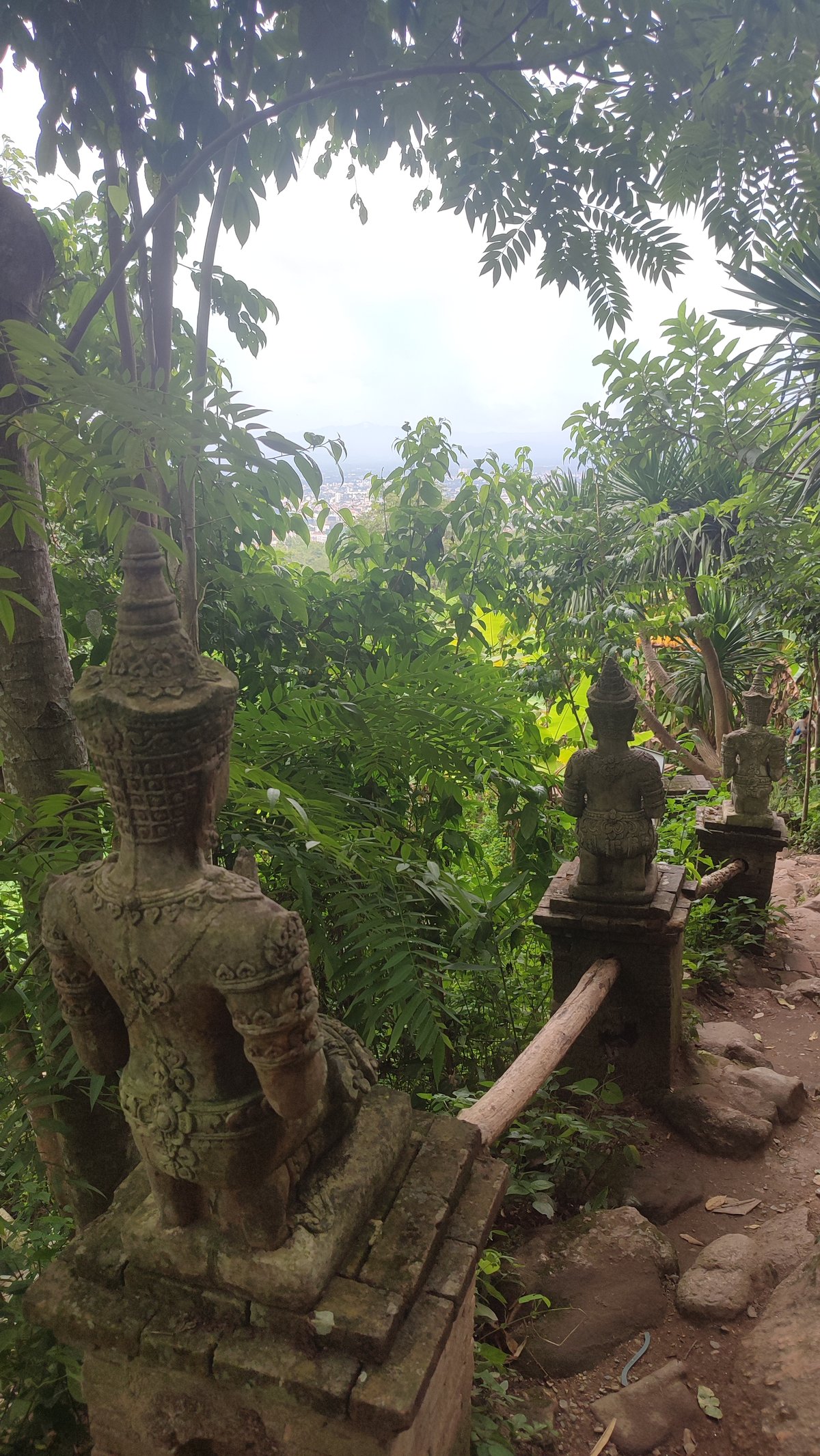
Nestled in the lush forests of Doi Suthep in Chiang Mai, Thailand, Wat Pha Lat is a hidden gem that offers a serene and spiritual retreat for visitors. Often overshadowed by its more famous neighbor, Wat Phra That Doi Suthep, Wat Pha Lat stands out for its tranquil atmosphere, rich history, and architectural beauty. This comprehensive guide will delve into the multifaceted aspects of Wat Pha Lat, from its origins and cultural significance to practical visitor information and nearby attractions.
Wat Pha Lat, known as the 'Monastery at the Sloping Rock,' dates back to the 14th century during the reign of King Kuena (1355-1385). According to local legend, the temple was established as a resting place for a white elephant carrying a sacred relic of the Buddha, marking it as a site of profound spiritual significance (Chiang Mai Citylife). Over the centuries, the temple has evolved architecturally, reflecting the intricate wood carvings and multi-tiered roofs characteristic of the Lanna tradition (Lonely Planet).
Traditionally, Wat Pha Lat served as a rest stop for pilgrims en route to Wat Phra That Doi Suthep, underscoring its role as a spiritual waypoint (Culture Trip). Today, it continues to function as a living center of Buddhist practice, offering a peaceful environment for meditation and reflection. This guide aims to provide readers with all the essential information needed to make the most of their visit, from travel tips to the temple's cultural and religious significance.

History and Significance
Origins and Early History
Wat Pha Lat, also known as the 'Monastery at the Sloping Rock,' dates back to the 14th century during the reign of King Kuena (1355-1385). According to local legend, the temple was established as a resting place for a white elephant carrying a sacred relic of the Buddha. The elephant stopped at this location, marking it as a site of spiritual significance (Chiang Mai Citylife).
Architectural Evolution
The architectural style of Wat Pha Lat reflects the Lanna tradition, characterized by intricate wood carvings, multi-tiered roofs, and serene Buddha statues. The temple has undergone several renovations over the centuries, each adding layers of cultural and historical significance. Main structures include a viharn (assembly hall), a chedi (stupa), and several smaller shrines and meditation areas, all harmonizing with the natural surroundings (Lonely Planet).
Role in the Pilgrimage to Doi Suthep
Traditionally, pilgrims would stop at Wat Pha Lat to rest and meditate before continuing their journey up the mountain to Wat Phra That Doi Suthep, one of Northern Thailand's most revered temples. This practice underscores the temple's role as a spiritual waypoint, offering a place for reflection and rejuvenation (Culture Trip).
Visitor Information
Visiting Hours and Tickets
Wat Pha Lat is open daily from 6:00 AM to 6:00 PM. There is no entrance fee, but donations are welcome to help maintain the temple.
Travel Tips
For the best experience, visit early in the morning to avoid crowds and enjoy the tranquility. Wear modest clothing as this is a place of worship. Comfortable walking shoes are recommended as the paths can be uneven.
Accessibility
The temple is accessible by car, motorbike, or a hike from the base of Doi Suthep. The hike is a popular choice for those who want to experience the natural beauty of the area.
Nearby Attractions
Wat Phra That Doi Suthep
Located further up the mountain, Wat Phra That Doi Suthep is a must-visit. It offers stunning views of Chiang Mai and is home to a relic of the Buddha.
Huay Kaew Waterfall
A short distance from Wat Pha Lat, this waterfall is a great spot for a refreshing break and offers beautiful natural scenery.
Cultural and Religious Significance
Living Center of Buddhist Practice
Wat Pha Lat is not just a historical site but also a living center of Buddhist practice. Monks and laypeople come here to meditate, chant, and perform rituals. The serene environment, enhanced by the sound of flowing water from nearby waterfalls, makes it an ideal location for spiritual activities (Thailand Tourism).
Preservation Efforts
Recent efforts have focused on preserving the temple's historical and cultural heritage. Restoration projects aim to maintain the temple's structures and natural surroundings, ensuring future generations can experience its unique blend of history, spirituality, and natural beauty (TripAdvisor).
Artistic and Cultural Artifacts
Art and Culture
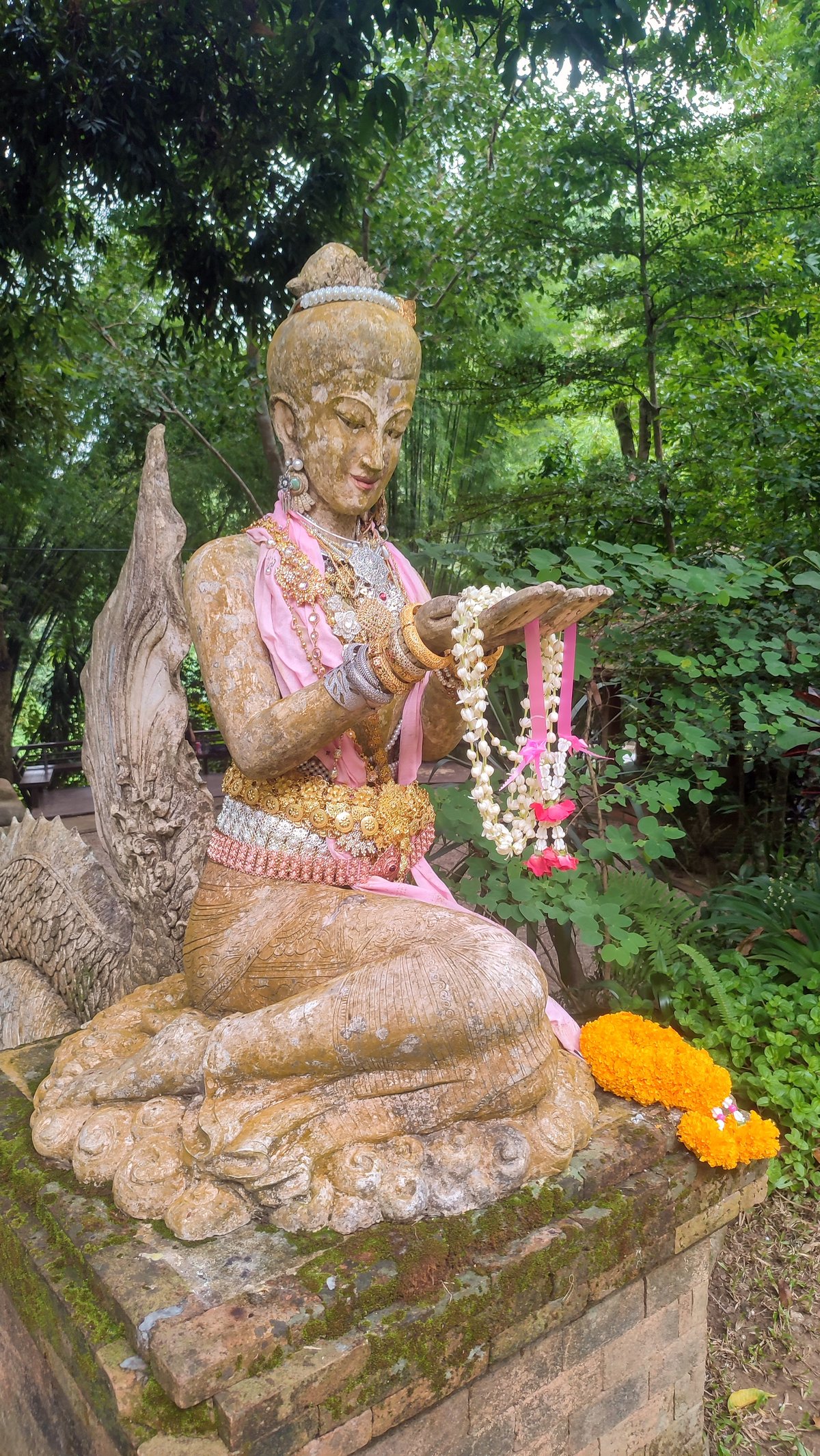
Wat Pha Lat houses several important artistic and cultural artifacts, including ancient Buddha statues, intricate murals, and traditional Lanna-style architecture. These artifacts serve as both religious symbols and historical records, offering insights into the beliefs and practices of the Lanna people (Art and Culture).
Community and Social Impact
Local Community Engagement
The temple serves as a center for social and educational activities, providing a space for community gatherings, religious instruction, and cultural events. The monks at Wat Pha Lat actively engage in community outreach, offering guidance and support to local residents (Chiang Mai News).
FAQ
What are the visiting hours for Wat Pha Lat?
Wat Pha Lat is open daily from 6:00 AM to 6:00 PM.
How much are tickets for Wat Pha Lat?
There is no entrance fee, but donations are welcome.
Listen to the full story in the app
The whole Wat Pha Lat,
told well.
Audio guides for 1,100+ cities across 96 countries. History, stories, and local insight — offline ready.
Verified, and shown.
Researched and written by the Audiala editorial team from historical records, architectural archives, and local expertise.
Researched from Wikidata, Wikipedia & official sources · fact-checked · How we make our guides →