Origins and the Lan Na Era
Established as the Lan Na Kingdom’s capital, Mueang Chiang Mai’s strategic location on the Ping River enabled it to thrive as a trade, agricultural, and religious center (Wikipedia). Its city walls and moat, still visible in the Old City, reflect the city’s defensive origins (thechiangmai.com).
Periods of Change
After flourishing as a center of Buddhist learning and art, Chiang Mai experienced periods of decline and Burmese occupation before being peacefully integrated into Siam in the late 18th century (Wikipedia). The arrival of the Northern Railway in 1922 marked the city’s modernization and expansion (chiangmai-alacarte.com).
Top Historical Landmarks: Visiting Hours & Tickets
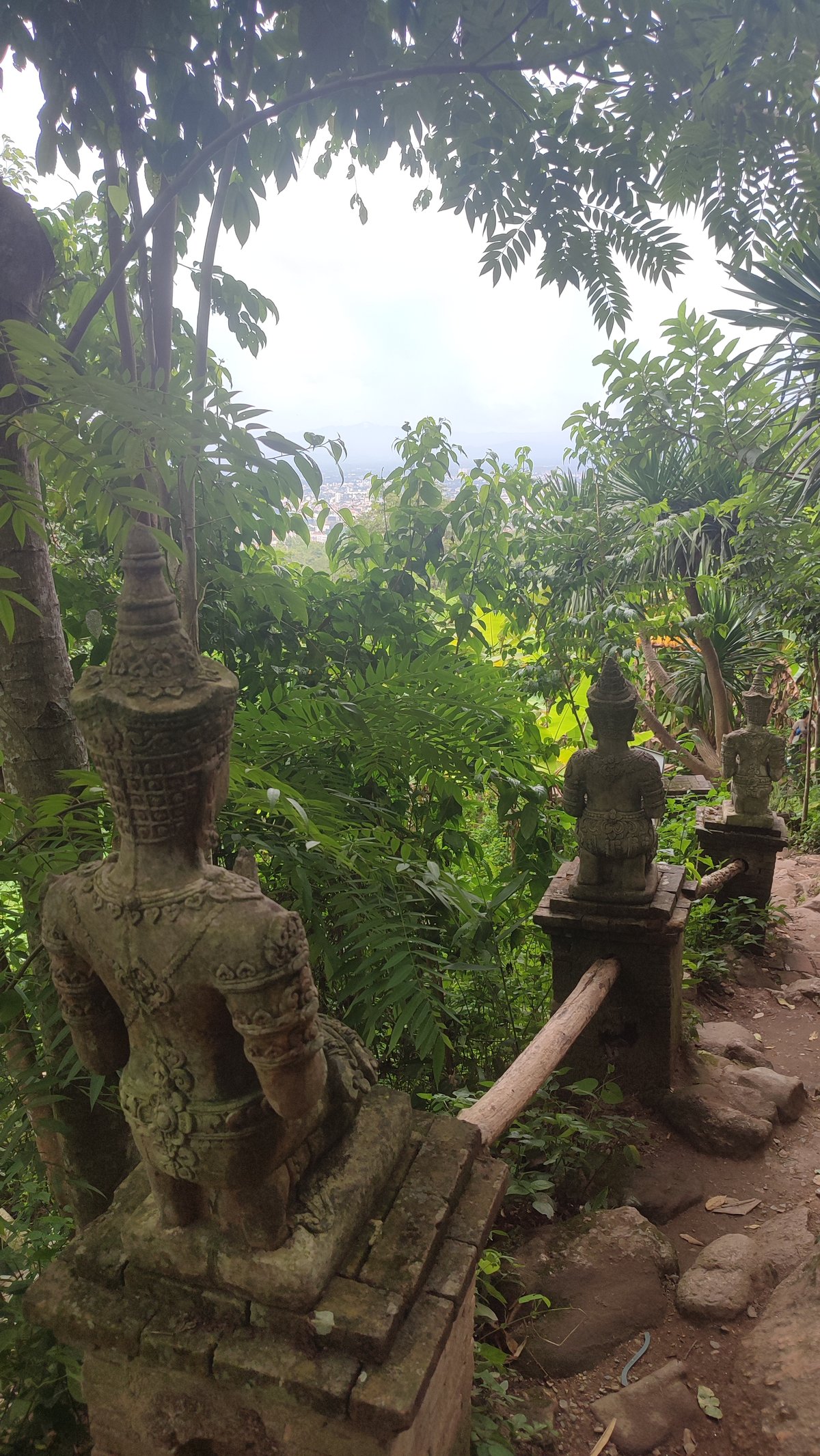
Wat Phra That Doi Suthep
- Hours 6:00 AM – 6:00 PM daily
- Tickets 30–50 THB for foreigners (free for Thais)
- Highlights Golden chedi, panoramic city views, naga staircase or funicular access (Wikipedia; My Travel Buzzg)
Wat Chedi Luang
- Hours 8:00 AM – 5:00 PM daily
- Tickets 40 THB for foreigners (free for Thais)
- Highlights Ruined chedi, city pillar shrine, daily monk chats (World City History)
Wat Phra Singh
- Hours 6:00 AM – 5:00 PM daily
- Tickets 40 THB for foreigners (free for Thais)
- Highlights Classic Lanna architecture, Phra Singh Buddha image, Songkran festivities (My Travel Buzzg)
Wat Chiang Man
- Hours 8:00 AM – 5:00 PM daily
- Tickets 20 THB for foreigners (free for locals)
- Highlights Elephant Chedi, ancient Buddha images, city’s oldest temple (My Travel Buzzg)
Wat Umong
- Hours 8:00 AM – 5:00 PM daily
- Tickets Free
- Highlights Forest monastery, meditation tunnels (World City History)
Museums and Cultural Centers
Chiang Mai City Arts & Cultural Centre
- Hours Wed–Sun, 8:30 AM – 4:30 PM
- Tickets 90 THB
- Exhibits Local history, multimedia displays (Travel + Leisure Asia)
Chiang Mai National Museum
- Hours Wed–Sun, 9:00 AM – 4:00 PM
- Tickets 100 THB for foreigners
- Focus Lanna art and culture (Travel + Leisure Asia)
Lanna Traditional House Museum
- Hours Daily, 8:30 AM – 4:30 PM
- Tickets Free
- Highlights Traditional teakwood houses (Travel + Leisure Asia)
Markets, Festivals, and Living Heritage
Markets
- Warorot Market 6:00 AM – 7:00 PM, local produce and snacks
- Sunday Walking Street 4:00 PM – 10:00 PM, handicrafts and street food
Festivals
- Yi Peng Lantern Festival (Nov) Spectacular lantern releases (Tourteller)
- Songkran (April) Water festival and parades (Palm Villa Chiang Mai)
- Chiang Mai Flower Festival (Feb) Floral displays, parades (Chiang Mai Voyage)
- Bo Sang Umbrella Festival (Jan) Artisan umbrella-making demonstrations (Palm Villa Chiang Mai)
Living Traditions
- Lanna cuisine Khao soi, sai ua, nam prik ong (MFU Connexion)
- Handicrafts Umbrella-making, woodcarving, silverwork (Chiang Mai Travel Hub)
- Performing arts Kham Mueang language, traditional music, and dance (Chiang Mai Citylife)
Practical Travel Tips & Accessibility
- Dress Code Modest clothing (shoulders and knees covered) for temple visits; shoes off inside.
- Accessibility Most temples have stairs and uneven ground; inquire about cable cars (e.g., Doi Suthep) or wheelchair access.
- Language Thai and Northern Thai (Kham Mueang); English is widely spoken in tourist areas.
- Best Time to Visit November–February for cool weather and festivals.
- Entry Fees Temples 20–50 THB; museums 90–100 THB.
- Safety Chiang Mai is tourist-friendly and safe; secure valuables and use mosquito repellent.
Transportation and Accommodation
Getting Around
- Songthaews Shared red trucks (30–50 THB), negotiate fare (Nomadic Matt)
- Tuk-Tuks 60–120 THB per ride, agree fare in advance
- Grab App Convenient for cashless rides
- Bicycle/Scooter Rental available; helmets required (Frequent Traveller)
- Walking Old City is pedestrian-friendly
Where to Stay
- Old City Close to main historical sites and temples
- Nimmanhaemin Road Trendy, youthful, cafes and nightlife
- Riverside Scenic, quieter accommodations
Peak season (Nov–Feb, festival periods) requires early booking. Off-peak months offer lower prices and fewer crowds (Odynovo Tours).
Day Trips and Nearby Attractions
- Doi Inthanon National Park Highest mountain in Thailand, waterfalls, and trekking (6:00 AM–6:00 PM; 300 THB for foreigners)
- Chiang Rai White Temple, Blue Temple—ideal for overnight trip
- Pai Mountain town, waterfalls, relaxed atmosphere (about 3 hours by road)
- Ethical Elephant Sanctuaries Book ahead, especially in high season (Asia Highlights)
Frequently Asked Questions (FAQ)
Q: What are the main temple visiting hours?
A: Most temples open 6:00 AM–6:00 PM; Wat Chedi Luang and Wat Chiang Man from 8:00 AM–5:00 PM.
Q: Are tickets required for temples?
A: Yes, most major temples charge 20–50 THB for foreigners; some are free for locals.
Q: Is Chiang Mai walkable?
A: Yes, especially the Old City. Use tuk-tuks or Grab for longer distances.
Q: What should I wear when visiting temples?
A: Dress modestly—cover shoulders and knees; remove shoes before entering temple buildings.
Q: Are guided tours available?
A: Yes, at most major temples and museums; English-speaking guides are widely available.
Q: When is the best time to visit?
A: November–February for cool weather and major festivals.
Discover More
Mueang Chiang Mai invites travelers to immerse themselves in centuries-old traditions, awe-inspiring temples, and a dynamic cultural scene. With this guide, you’ll navigate visiting hours, ticketing, and etiquette with confidence—ensuring a respectful and enriching journey through the city’s storied past and vibrant present.
Ready to experience Chiang Mai’s wonders? Download the Audiala app for personalized itineraries, real-time updates, and exclusive offers. Follow us on social media for the latest insider tips, festival news, and travel inspiration!