Chiang Mai International Airport (CNX) is the primary gateway to Northern Thailand and the region’s main aviation hub, connecting millions of travelers annually with destinations across Asia and beyond. It serves leisure and business travelers and provides access to Chiang Mai’s culture, historic landmarks, markets, and natural attractions.
The airport is about 3 kilometers from Chiang Mai’s city center. It supports tourism, business travel, and regional development, and influences urban planning and infrastructure investment across the city (flyairports.com; futuresoutheastasia.com).
CNX serves airlines including Thai Airways, Bangkok Airways, AirAsia, Nok Air, and China Eastern Airlines. Routes connect Chiang Mai to Bangkok, Phuket, Hong Kong, Seoul, Kuala Lumpur, and various Chinese cities (flyairports.com).
History and Development
Established as Suthep Airport in 1921, CNX began as a modest airfield serving the Lanna Kingdom’s provincial capital. It expanded over the decades to accommodate increasing domestic and international flights (official website; embassyworld.org).
The airport’s strategic role was underscored during the 2008 Bangkok political unrest, when it handled additional international flights and supported international carriers, maintaining air connectivity for the region (official website; embassyworld.org).
Major expansions began in 2015, including a new international terminal that significantly increased passenger capacity (embassyworld.org). The Airports of Thailand (AOT) is also leading a 10-year expansion aimed at increasing capacity to 20 million passengers by 2033, with infrastructure, sustainability, and passenger-experience improvements (Nation Thailand; Thailand Construction and Engineering News).
The expansion plans include:
- Phase One (2022–2029) Feasibility studies and environmental assessments from 2022–2025; new terminal construction from 2026–2029; and upgrades to runways, taxiways, and support infrastructure.
- Phase Two (2030–2033) Further expansion to support 20 million passengers and 38 aircraft bays, additional terminal enhancements, and improved access roads.
Plans also target 34 flights per hour and up to 20 million passengers annually by 2033. Renovations to existing facilities and sustainability initiatives to reduce the airport’s environmental footprint are part of the plans (chiangmaicitylife.com; nationthailand.com; futuresoutheastasia.com).
A second airport, Lanna International Airport, is planned for San Kamphaeng and Ban Thi districts. It is intended to supplement CNX and support passenger and air cargo traffic. A plan for a new airport in Ban Thi district is also described as a way to ease congestion and support domestic flights (futuresoutheastasia.com; Future Southeast Asia).
What to See at the Airport
CNX reflects Lanna culture through its architecture, interior design, and public art displays. It hosts exhibitions and community events and partners with local artists to celebrate Northern Thai traditions and enrich the traveler experience (chiangmaicitylife.com).
Practical Visiting Information
Opening Hours
The airport operates 24 hours a day. Airline check-in counters and some services are available only at specific times, usually from early morning until late evening. Check with your airline or the official airport website for specific hours.
Tickets and Booking
Flight tickets to and from CNX can be purchased through airline websites, travel agencies, and online booking platforms. Booking ahead is strongly recommended during peak tourist seasons and festivals.
Facilities and Accessibility
Facilities include lounges, restaurants, shops, currency exchange, ATMs, and free Wi-Fi. Accessibility services are available for travelers with disabilities; staff assistance can be requested.
Getting To and From the Airport
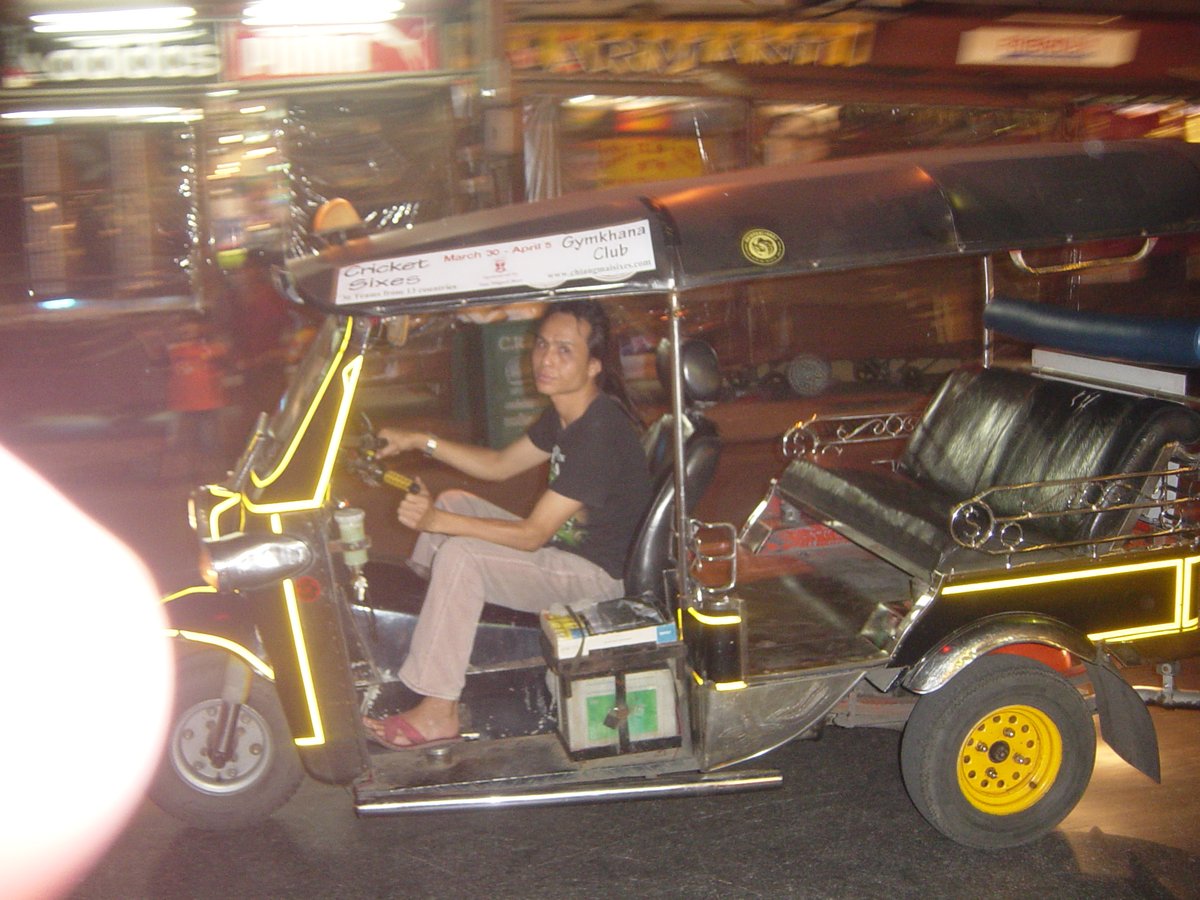
Located about 3 kilometers from Chiang Mai city center, the airport can be reached by taxi, airport shuttle, ride-hailing services, and pre-booked transfers. Car rentals are also available for travelers who want to explore Chiang Mai and its surroundings independently. The city center is about 10–15 minutes away by car.
Tips
During construction, allow extra time for check-in and security. Check real-time updates through the official airport website or travel apps, prepare travel documents in advance, and use the airport’s lounges and other amenities. The airport website and travel apps such as Audiala are also suggested for real-time updates and personalized recommendations.
Nearby Places
Nearby sights include Wat Phra Singh and Wat Chedi Luang in the Old City; Wat Phra That Doi Suthep, a revered hilltop temple with panoramic city views; Doi Suthep-Pui National Park, with hiking trails and waterfalls; and the Chiang Mai Night Bazaar, known for local crafts and cuisine. Doi Suthep-Pui National Park is also home to the royal Bhuping Palace. See the Chiang Mai International Airport tourist attractions page.
Wat Phra That Doi Suthep
Wat Phra That Doi Suthep is Chiang Mai’s most iconic temple. Situated atop Doi Suthep mountain, it is known for its golden chedi, panoramic city views, Lanna craftsmanship, and Buddhist heritage.
Founded in 1383, the temple enshrines a revered Buddha relic. According to legend, a monk brought a sacred shoulder bone that was placed in the temple’s central chedi. The temple has since become a pilgrimage site and a symbol of Chiang Mai’s spiritual and cultural legacy.
Highlights include:
- Golden Chedi The central stupa, covered in gold tiles, enshrines the Buddha relic.
- Viharn Luang The main prayer hall, with intricate murals.
- Naga Stairway An ornate balustrade along the staircase leading to the temple.
- Panoramic views Overlooks Chiang Mai and the surrounding region.
The temple is approximately 15 kilometers from Chiang Mai’s Old City. Visitors can travel by shared songthaew (red truck) from the city center, private taxi or ride-hailing service, or rented motorbike. Access to the temple is by a 309-step naga staircase or cable car. The cable car assists visitors with mobility challenges, although some areas may remain difficult for wheelchair users.
The temple is open daily from 6:00 AM to 6:00 PM. The entrance fee is 50 Thai Baht for foreign visitors; entry is free or subject to a nominal fee for Thai nationals. Parking fees apply, and guided tours are available for an extra cost. Limited refreshments and food stalls are available near the entrance.
Dress modestly, with shoulders and knees covered. Remove shoes in prayer halls and be mindful when photographing. Visitors are advised to bring water. Early morning or late afternoon offers cooler temperatures and fewer crowds; arriving early can also help avoid midday heat.
Other nearby places include Bhuping Palace, the royal winter residence; Doi Suthep-Pui National Park, with hiking, waterfalls, and natural scenery; and Hmong Village, associated with traditional hill tribe culture and crafts.
Frequently Asked Questions
What are CNX’s visiting hours?
The airport is open 24/7, but airline counters typically operate from early morning to late evening. Confirm hours with your airline.
Where can I buy flight tickets?
Tickets are available through airline websites, travel agencies, and online booking platforms.
How far is CNX from the city center?
About 3 kilometers, or 10–15 minutes by car.
Are there direct international flights from CNX?
Yes. Destinations include Hong Kong, Seoul, Kuala Lumpur, and several cities in China.
What historical sites are nearby?
Wat Phra Singh, Wat Chedi Luang, and Wat Phra That Doi Suthep.
Are there entrance fees for children at Wat Phra That Doi Suthep?
Children under 12 often enter free; confirm at the entrance.
Is food sold at the temple?
Limited refreshments and food stalls are available near the entrance.
Are guided tours of Wat Phra That Doi Suthep available?
Yes. Many operators in Chiang Mai offer guided tours.
Is the temple accessible for visitors with disabilities?
The cable car assists visitors with mobility challenges, but some areas remain challenging.
What is the best time to visit Wat Phra That Doi Suthep?
Early morning or late afternoon, when temperatures are cooler and crowds are fewer.