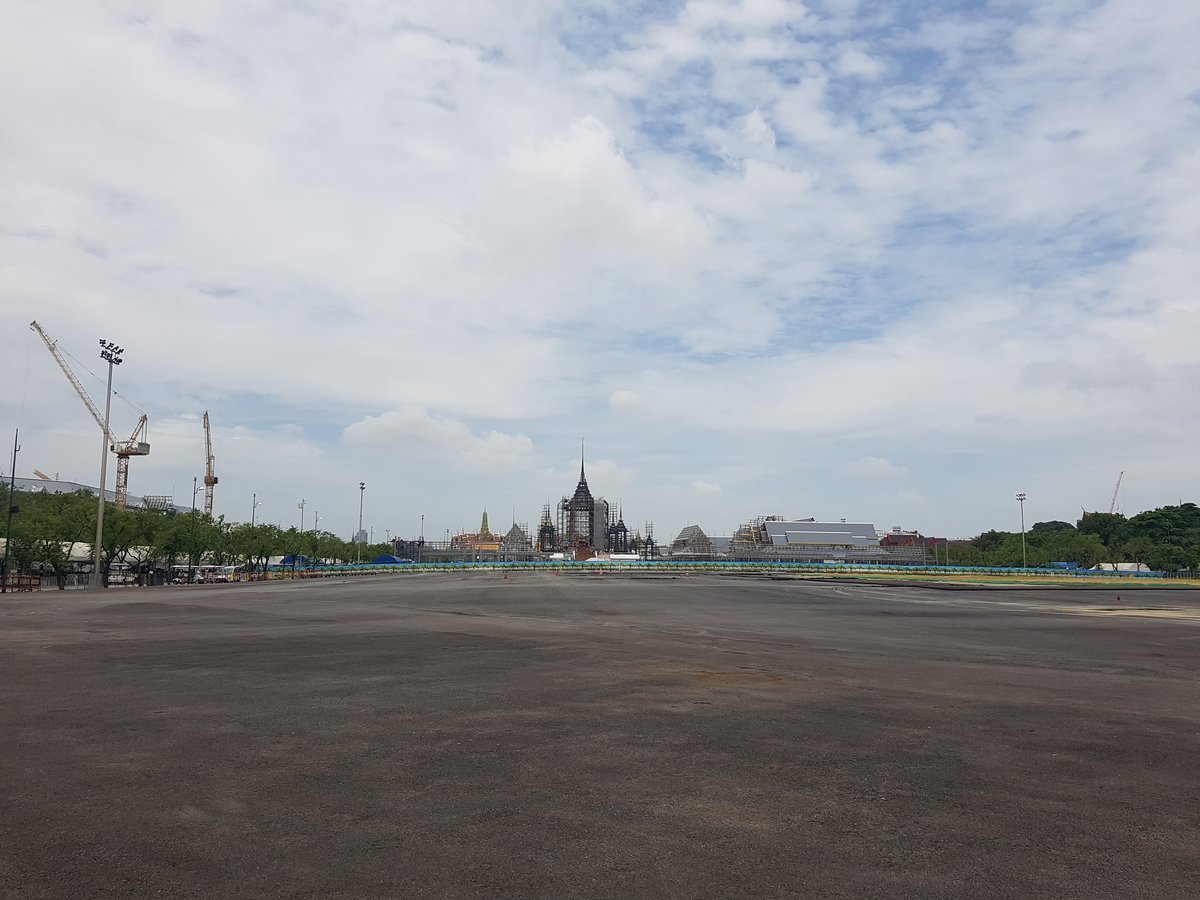
Plan and listen to Wat Mahathat Yuwaratrangsarit with Audiala.
Audio guide in your pocket, itinerary in your browser. Built for the way you actually visit.
Introduction to Wat Mahathat Yuwaratrangsarit: Historical and Cultural Significance
Wat Mahathat Yuwaratrangsarit is one of Bangkok’s most revered temples, offering deep insights into Thailand’s royal history, Buddhist tradition, and architectural heritage. Established in the 14th century during the Ayutthaya period, this temple—originally known as Wat Salak—became a focal point for religious activity after enshrining a sacred Buddha relic. Its evolution, especially through the Rattanakosin era, reflects centuries of royal patronage, making it a first-class royal monastery integral to royal ceremonies, Buddhist education, and monastic life. Located close to the Grand Palace, Wat Mahathat is not only a spiritual haven but also a vibrant center for cultural and educational pursuits, housing Thailand’s oldest Buddhist university and a renowned Vipassana meditation center. Visitors can explore a blend of Thai and Khmer architectural styles, engage in meditation programs, experience local festivals, and browse the adjacent amulet market. This guide provides essential information on visiting hours, accessibility, etiquette, and travel tips to help you plan a respectful and enriching visit. For more details, consult Nomads Travel Guide, Trip.com, and UME Travel.
Historical Background and Royal Patronage
Origins in the Ayutthaya Period
Wat Mahathat Yuwaratrangsarit traces its origin to the 14th century and was initially named Wat Salak. King Borommaracha I is credited with enshrining a sacred Buddha relic here, establishing the temple’s religious significance and leading to its current name, which means “Great Relic.” Throughout the Ayutthaya era, the temple served as a major Buddhist learning center and the site of important royal ceremonies.
Transformation During the Rattanakosin Period
After Ayutthaya’s fall, the temple’s proximity to the Grand Palace elevated its prominence. Renovations in the late 18th century by Prince Surasinghanart and King Rama I reinforced its role as a center for Buddhist scripture revision and royal rituals. Over time, the temple was renamed several times, with its final designation as Wat Mahathat reflecting its status as the guardian of sacred relics.
Royal Patronage and Elevation to First-Class Status
Successive monarchs, particularly King Rama III, expanded and enhanced the temple, adding notable structures such as the bell tower and library. Wat Mahathat was designated a first-class royal temple, signifying its central role in Thailand’s spiritual and royal life. In 1996, it received the royal title Wat Mahathat Yuwaratrangsarit Ratchaworamahawihan in honor of King Rama IX’s Golden Jubilee.
Role in Royal Ceremonies and Monastic Life
The temple has long been a site for royal ceremonies, state funerals, ordinations, and other key rituals. It is also the residence of Thailand’s Supreme Patriarchs, underscoring its importance in the Thai Buddhist hierarchy.
Architectural Evolution
The temple covers approximately 2.2 hectares and features:
- Ordination Hall (Ubosot): A grand hall for important ceremonies.
- Scripture Hall (Phra Mondop): Houses sacred Buddhist texts.
- Bell Tower and Library: Reflect the temple’s focus on worship and learning.
- Chedis (Stupas): Ornate shrines containing relics.
Architectural elements blend Thai and Khmer styles, with gilded doors, intricate stucco, and symbolic motifs representing both spiritual and royal themes.
(Nomads Travel Guide, Trip.com)
Visiting Information
Visiting Hours
- General Hours: 7:00 AM – 5:00 PM daily (some sections may open at 6:00 AM and close at 6:00 PM).
- Best Time to Visit: Early mornings on weekdays offer a serene experience and fewer crowds. Buddhist festivals present vibrant cultural displays.
Entry Fee
- Admission: Free; donations are appreciated to support temple upkeep and community programs.
Accessibility
- Wheelchair-Friendly: Main temple paths are accessible; some older buildings may have limited access.
- Dress Code: Modest attire required—shoulders and knees must be covered.
Getting There
- Riverboat: Chao Phraya Express Boat to Tha Chang or Tha Phrachan piers.
- Taxi/Tuk-Tuk: Readily available from major Bangkok districts.
- Public Transit: Buses serve the area; walking from Grand Palace is possible.
Nearby Attractions
- Grand Palace
- Wat Pho (Temple of the Reclining Buddha)
- National Museum Bangkok
- Sanam Luang Park
Guided Tours and Special Events
Local operators offer guided tours focusing on temple history, art, and meditation practice. During Buddhist holidays, the temple hosts public ceremonies and special events.
Modern and Educational Significance
Wat Mahathat Yuwaratrangsarit is home to Mahachulalongkornrajavidyalaya University, Thailand’s oldest Buddhist university. This institution offers degree programs in Buddhist studies and meditation, including courses in English. The temple’s Vipassana Meditation Center attracts both local and international practitioners, underscoring its continued spiritual and educational relevance.
Meditation Experience at Wat Mahathat
Vipassana Meditation Center
The Wat Mahathat International Meditation Center (WIMC) is renowned for Vipassana (insight) meditation instruction, primarily following the Mahasi Sayadaw tradition. Both beginners and experienced practitioners are welcome.
Typical Meditation Schedule:
-
6:30 AM: Breakfast
-
7:00–11:00 AM: Chanting and meditation
-
11:30 AM: Lunch
-
1:00–4:00 PM: Afternoon meditation
-
4:00 PM: Tea break
-
6:00–8:00 PM: Evening meditation and chanting
-
Languages: Instruction is mainly in Thai, though English support is available.
-
Dress Code: Simple, modest clothing is required. White attire is customary for those participating in extended sessions.
-
Participation: Overnight retreats are generally not permitted for foreign lay visitors; however, day sessions are available. Silence is observed during meditation.
-
Accessibility: The meditation area is accessible; notify staff in advance for specific assistance.
The Amulet Market
Adjacent to Wat Mahathat is Bangkok’s famous Amulet Market, operating daily from 8:00 AM to 5:00 PM. Here, visitors can explore a vast selection of Buddhist amulets, talismans, and sacred objects, ranging from affordable charms to rare, high-value pieces.
- Tips: Bargain politely, seek reputable sellers, and always ask before taking photos.
- Cultural Note: Amulets are believed to bring luck, protection, and merit. The market offers a unique window into Thai spirituality and local customs.
(Trip.com)
Practical Visitor Information
- Dress Code: Shoulders and knees must be covered; avoid tight or revealing clothes.
- Footwear: Remove shoes before entering temple buildings.
- Conduct: Maintain silence in meditation areas and show respect during ceremonies.
- Facilities: Restrooms, gardens, and nearby cafes (e.g., Roaster Tha Phra Chan) are available. The temple bookstore offers English-language Buddhist literature.
- Photography: Permitted in most outdoor areas; ask before photographing monks or during ceremonies.
- Accessibility: Main walkways are wheelchair-friendly; assistance is available upon request.
Frequently Asked Questions (FAQ)
Q: What are the visiting hours?
A: 7:00 AM to 5:00 PM daily.
Q: Is there an entrance fee?
A: No, entry is free; donations are welcome.
Q: Are meditation sessions open to tourists?
A: Yes, day sessions are available, with some English support.
Q: What is the dress code?
A: Modest attire covering shoulders and knees is required.
Q: Is the temple accessible for visitors with disabilities?
A: Yes; main paths are wheelchair-friendly. Contact ahead for assistance.
Q: How do I reach Wat Mahathat?
A: By riverboat to Tha Chang or Tha Phrachan piers, taxi, tuk-tuk, or bus.
Q: Can I participate in guided tours?
A: Yes, guided tours are available through local operators and during special events.
Listen to the full story in the app
The whole Wat Mahathat Yuwaratrangsarit,
told well.
Audio guides for 1,100+ cities across 96 countries. History, stories, and local insight — offline ready.

Verified, and shown.
Researched and written by the Audiala editorial team from historical records, architectural archives, and local expertise.
Researched from Wikidata, Wikipedia & official sources · fact-checked · How we make our guides →