Plan and listen to Vimanmek Mansion with Audiala.
Audio guide in your pocket, itinerary in your browser. Built for the way you actually visit.
Introduction
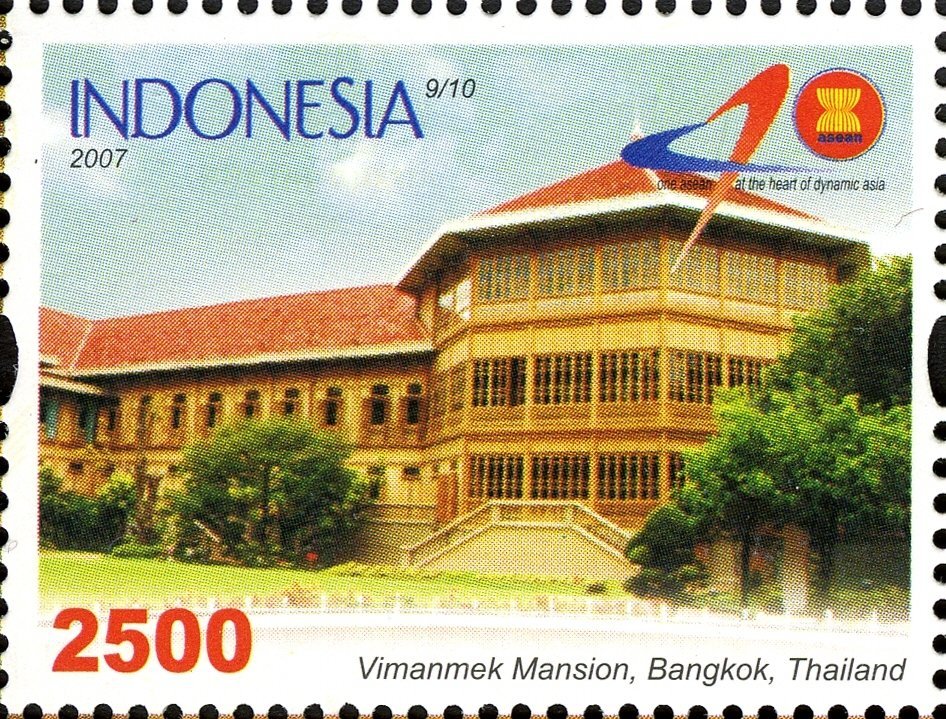
Nestled within Bangkok’s historic Dusit Palace complex, Vimanmek Mansion stands as a striking emblem of Thailand’s royal heritage and architectural innovation. Recognized as the world’s largest golden teakwood building, the mansion was constructed in 1900 under King Chulalongkorn (Rama V) and showcases a unique synthesis of traditional Thai craftsmanship with Victorian and Chinese influences. Its nail-free construction, elaborate fretwork, and lavish interiors exemplify the artistic and cultural achievements of the era, as well as Siam’s drive toward modernization. Although the mansion has been closed to public visits since 2016 for ongoing restoration, Vimanmek remains a vital cultural icon, accessible through virtual resources and historical documentation. This guide provides a detailed exploration of the mansion’s history, architectural features, cultural significance, visitor information, and practical tips for engaging with Bangkok’s royal legacy and nearby attractions. For the latest updates and virtual experiences, consult official sources such as the Tourism Authority of Thailand and the Dusit Palace official website (Tour Bangkok Legacies, shiysihang.com).

Origins and Construction of Vimanmek Mansion
Vimanmek Mansion is a testament to the progressive vision of King Chulalongkorn, blending modernization with Thai tradition. The structure was initially built on Si Chang Island in 1900 after the King’s influential European tour. It was then meticulously dismantled and reconstructed in Bangkok’s Dusit Garden, using traditional joinery methods that required no nails, a feat of Thai woodworking mastery (Tour Bangkok Legacies, Bangkok for Visitors). The mansion opened on March 27, 1901, and served as King Rama V's residence for five years. Its design, combining Thai, European, and Chinese elements, features 22 main rooms and stands as the world’s largest golden teakwood mansion (UNESCO Bangkok).
Historical Significance and Royal Use
King Chulalongkorn’s reign (1868–1910) is remembered as a period of sweeping reforms, including the abolition of slavery and the modernization of Siam’s infrastructure. Vimanmek Mansion symbolized this transformative era. After the King’s death, the mansion’s royal function diminished, and it was repurposed for various uses—including as a royal warehouse—following political changes such as the 1932 coup (Bangkok Post, Tour Bangkok Legacies).
Restoration and Preservation Efforts
In 1982, Queen Sirikit led a major restoration to commemorate Bangkok’s bicentennial and revive Vimanmek as a museum honoring King Rama V. The restoration preserved original materials and interiors, including the King’s private chambers, trophy rooms, and the Throne Room. Surrounding halls within the Dusit Gardens were also conserved, creating a cultural complex that highlights Thai history and craftsmanship (Tour Bangkok Legacies, Thai PBS).
Ongoing Challenges: Since 2016, Vimanmek Mansion has been closed for significant structural repairs and conservation efforts, focusing on protecting the teakwood from humidity, pests, and urban pressures (shiysihang.com).
Architectural Features and Interior Highlights
Structure & Style:
Vimanmek Mansion’s three-story, L-shaped layout combines Thai, Victorian, and Chinese motifs. The main wing features a four-story octagonal tower, while the rest of the building stands three stories high (Wikipedia). The mansion’s golden teakwood structure glows with warmth, while intricate fretwork and gingerbread details serve both decorative and practical (ventilation) functions (Places and Foods).
Interiors:
- Reception rooms display souvenirs and gifts from King Rama V’s travels.
- Trophy and antique weapons rooms highlight royal interests.
- The library contains rare books and the world’s largest topaz.
- The grand Throne Room and preserved royal chambers offer insight into daily court life.
- Furnishings include European and Thai antiques, period photographs, and handicrafts (Thaiways Magazine).
Gardens & Surroundings:
The mansion is set amid lush gardens and ponds, and is surrounded by other historic structures such as the Ananta Samakhom Throne Hall and Abhisek Dusit Throne Hall (TravelSetu).
Visiting Hours, Tickets, and Visitor Information
Admission and Virtual Access
- Current Status:
Vimanmek Mansion is closed for restoration and not open to the public as of June 2025. No tickets are being sold (Wikipedia, Trip.com). - Virtual Tours:
Visitors can explore the mansion through virtual tours and online exhibitions on platforms such as Tour Bangkok Legacies and the Tourism Authority of Thailand.
Accessibility
- The mansion’s historic design presents challenges for wheelchair users, especially upper floors. Some ramps and accessible restrooms are available near entrances when open.
Dress Code and Etiquette
- Modest attire is required: no shorts, sleeveless tops, or revealing clothing. Shoes are to be removed before entering the mansion. Rental sarongs are available at the entrance (Discovery Thailand).
Guided Tours and Events
- Guided tours in Thai and English have historically been offered, providing deeper context on the mansion’s history and artifacts. Check official tourism sources for any future reopening or special events.
Photography and Security
- Photography and videography are not allowed inside the mansion; permitted only in garden areas.
Nearby Attractions
- Ananta Samakhom Throne Hall: Italian Renaissance-style palace nearby (currently closed for renovations).
- Wat Benchamabophit (Marble Temple): Renowned for its architecture.
- Abhisek Dusit Throne Hall: Another royal building within the Dusit Palace complex.
- National Museum and Bangkok National Gallery: For extended historical exploration.
Practical Visitor Tips
- Getting There:
- BTS Skytrain: Alight at Victory Monument; taxi or tuk-tuk to Dusit Palace.
- River Boat: Chao Phraya Express Boat to Thewet Pier, then taxi.
- Local Buses: Several routes serve the Dusit district.
- Allocate enough time (2–3 hours) for a comprehensive visit to the mansion and nearby sites.
- Check official sites for reopening updates and event announcements.
- Respect dress code and photography policies to protect the site’s heritage.
Frequently Asked Questions (FAQs)
Q: Is Vimanmek Mansion open to visitors?
A: No. The mansion has been closed since 2016 for restoration. Virtual tours are available online.
Q: How can I buy tickets?
A: Tickets are not available due to closure. Check the Tourism Authority of Thailand or Dusit Palace official website for updates.
Q: Is the mansion wheelchair accessible?
A: Accessibility is limited due to the historic wooden structure and staircases.
Q: Are guided tours available?
A: Tours were available before closure. Watch for announcements when the mansion reopens.
Q: Is photography allowed?
A: Photography is prohibited inside the mansion, but permitted in the gardens and exterior areas.
Listen to the full story in the app
The whole Vimanmek Mansion,
told well.
Audio guides for 1,100+ cities across 96 countries. History, stories, and local insight — offline ready.
Verified, and shown.
Researched and written by the Audiala editorial team from historical records, architectural archives, and local expertise.
Researched from Wikidata, Wikipedia & official sources · fact-checked · How we make our guides →