Plan and listen to Dusit Maha Prasat Throne Hall with Audiala.
Audio guide in your pocket, itinerary in your browser. Built for the way you actually visit.
Introduction
Dusit Maha Prasat Throne Hall, set in the heart of Bangkok’s Grand Palace complex, is a compelling symbol of Thailand’s royal heritage, architectural splendor, and spiritual traditions. Commissioned by King Rama I in 1782, the hall was designed for ceremonial purposes, especially the lying-in-state of monarchs, and continues to play a vital role in royal rituals today. This guide provides a thorough overview of Dusit Maha Prasat’s history, architectural features, cultural significance, practical visitor information—including visiting hours, tickets, dress code—and tips for exploring nearby attractions. Whether you are a first-time visitor or a seasoned traveler, this resource will help you make the most of your experience at one of Bangkok's most revered historical sites. (Traveling Thru History; Caroun.com)

Historical Background and Significance
Dusit Maha Prasat Throne Hall was constructed in the late 18th century by King Rama I as part of his vision to establish Rattanakosin (Bangkok) as the new capital. Built on the site of an earlier wooden structure lost to fire, the hall was modeled after Ayutthaya’s Suriyamarin and intended to legitimize the new dynasty by linking it to the former seat of Thai power. Over time, the hall has remained largely unchanged, standing as one of the best-preserved examples of Rattanakosin-era architecture and a key venue for royal funerals, coronations, and state ceremonies. (Traveling Thru History; Caroun.com)
Architectural Features and Symbolism
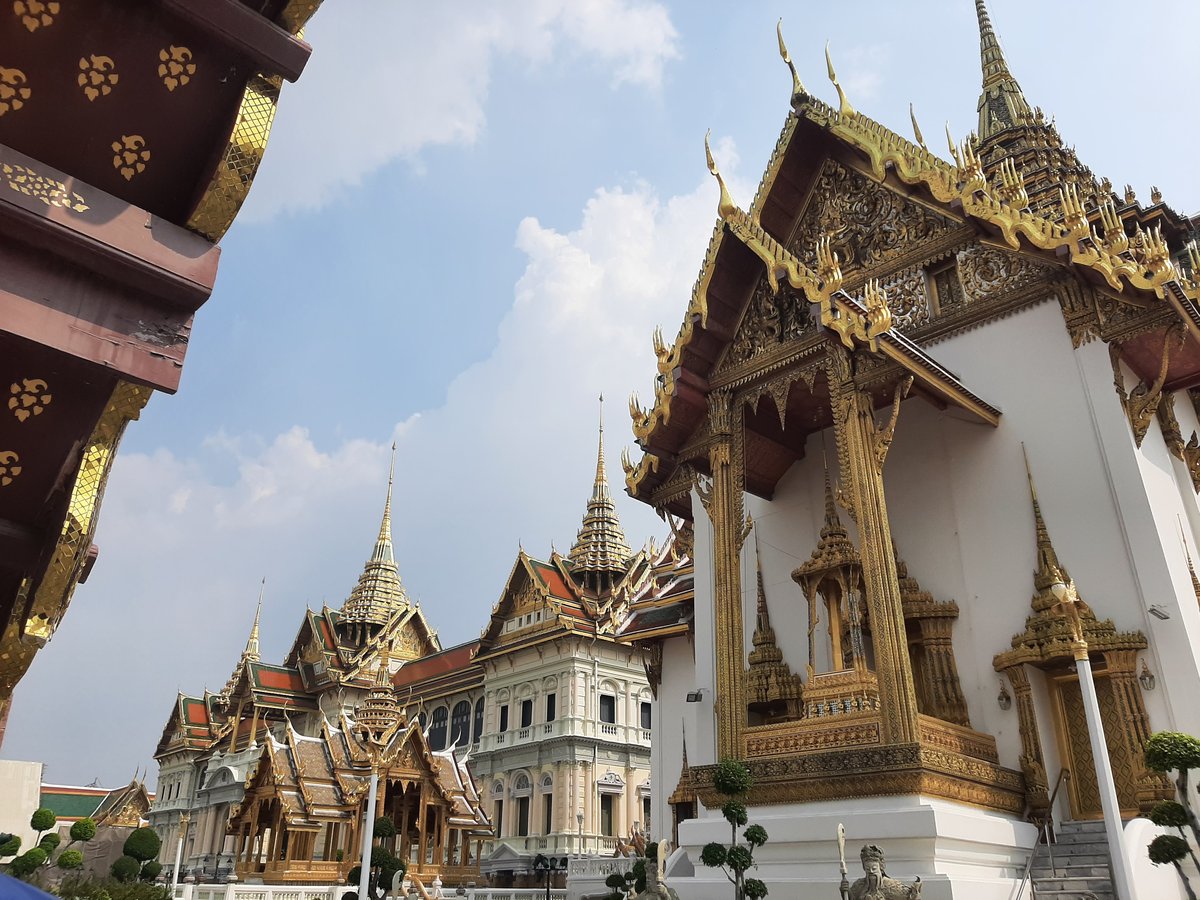
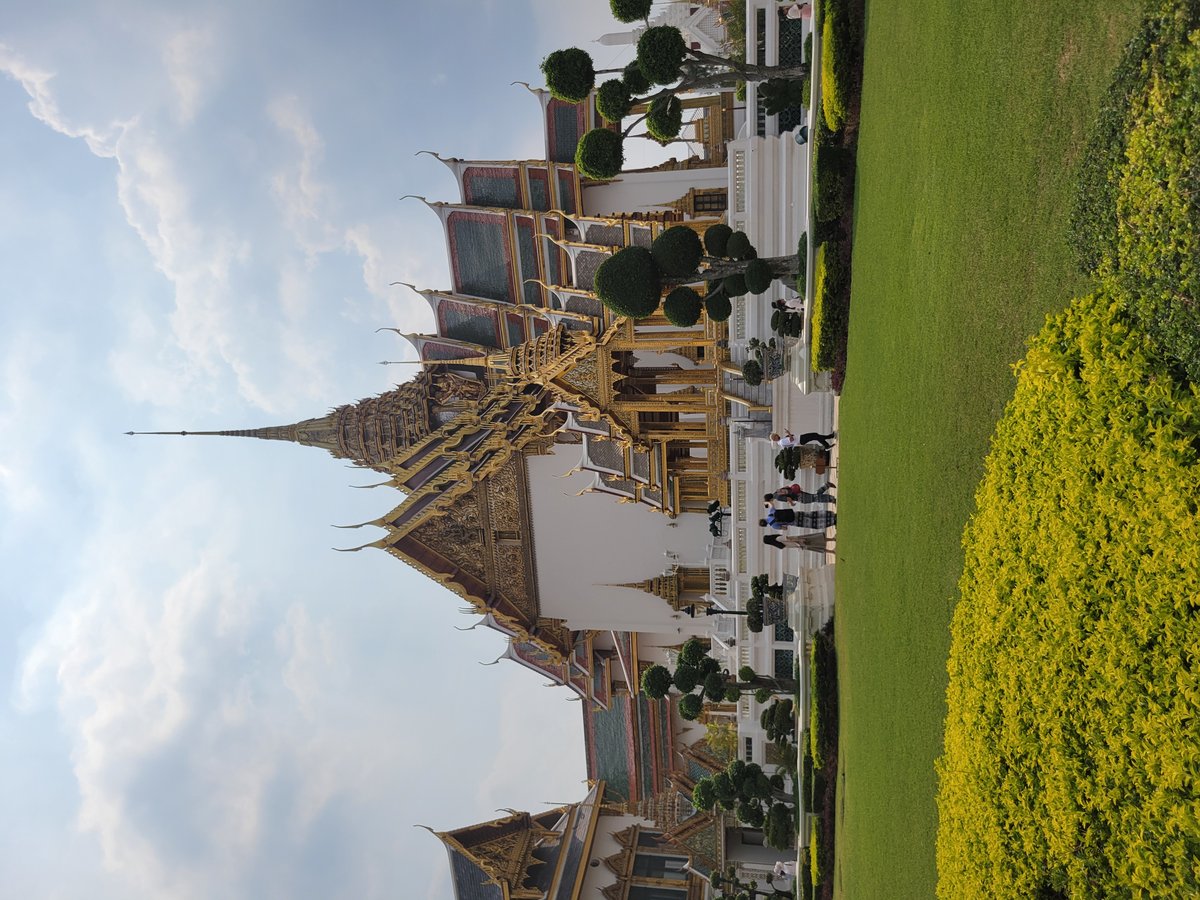
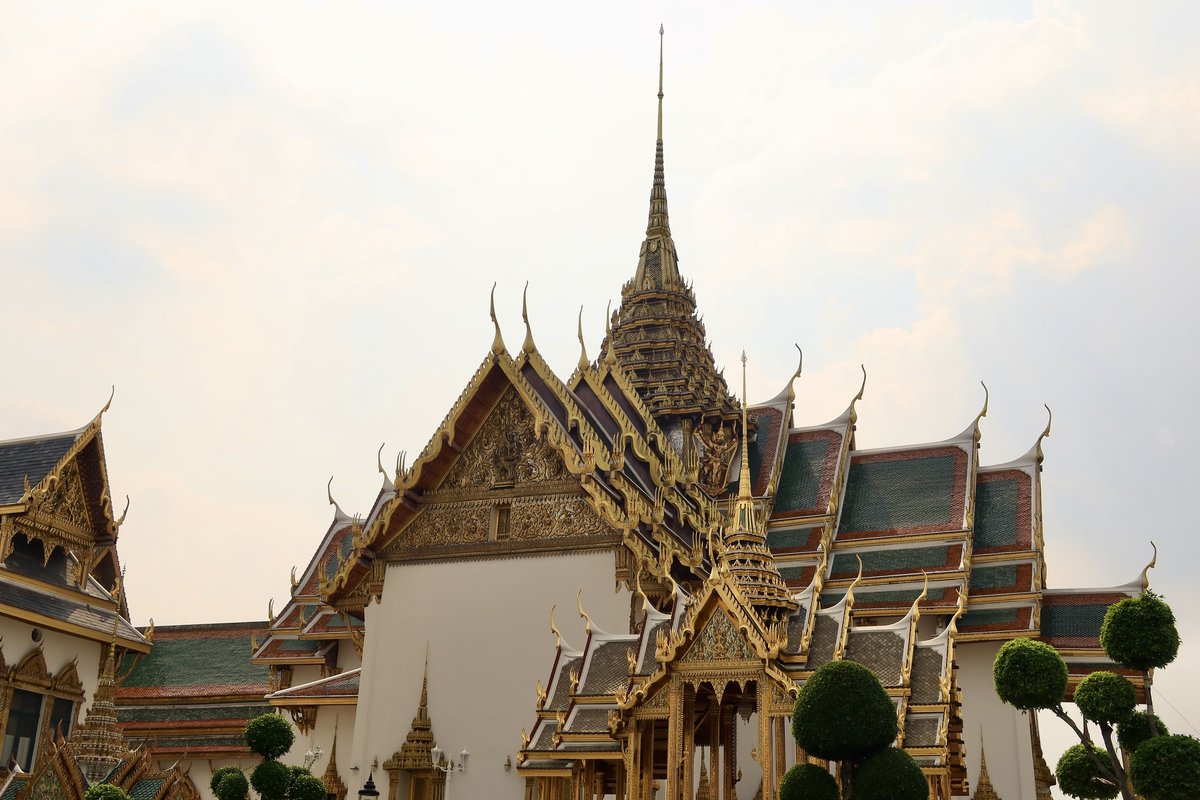
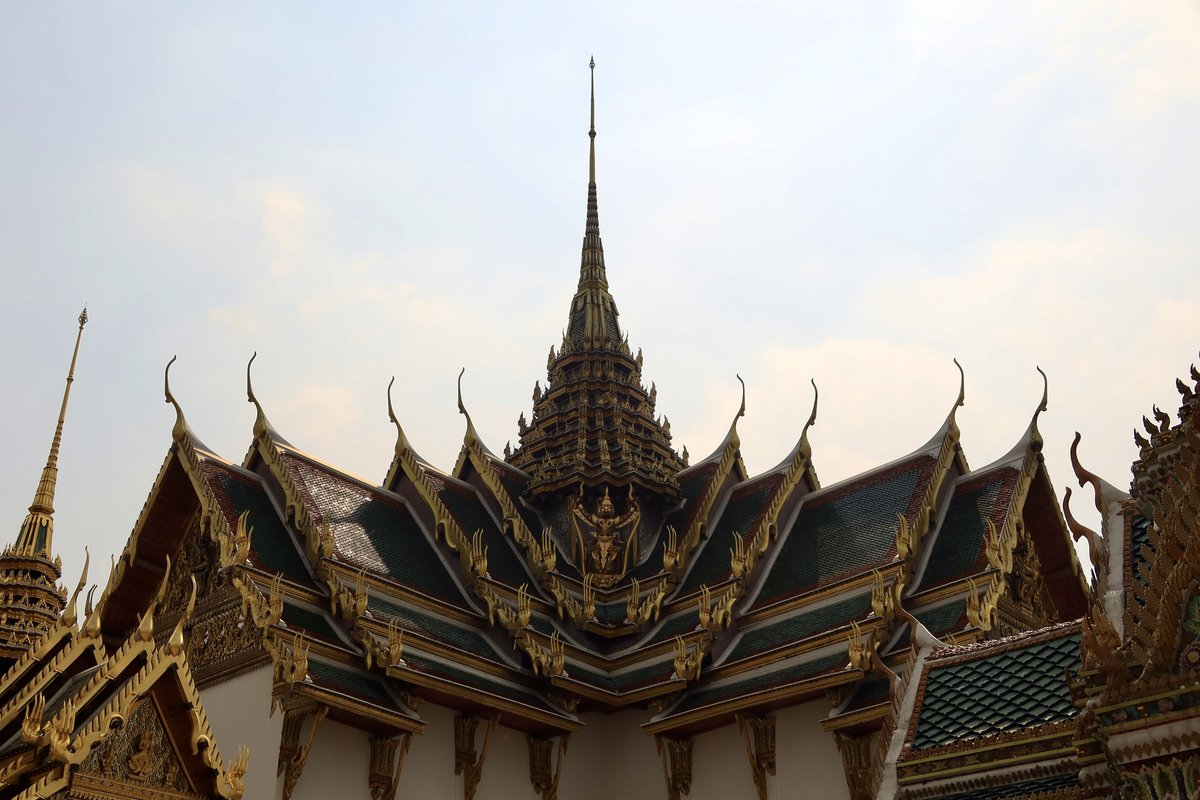
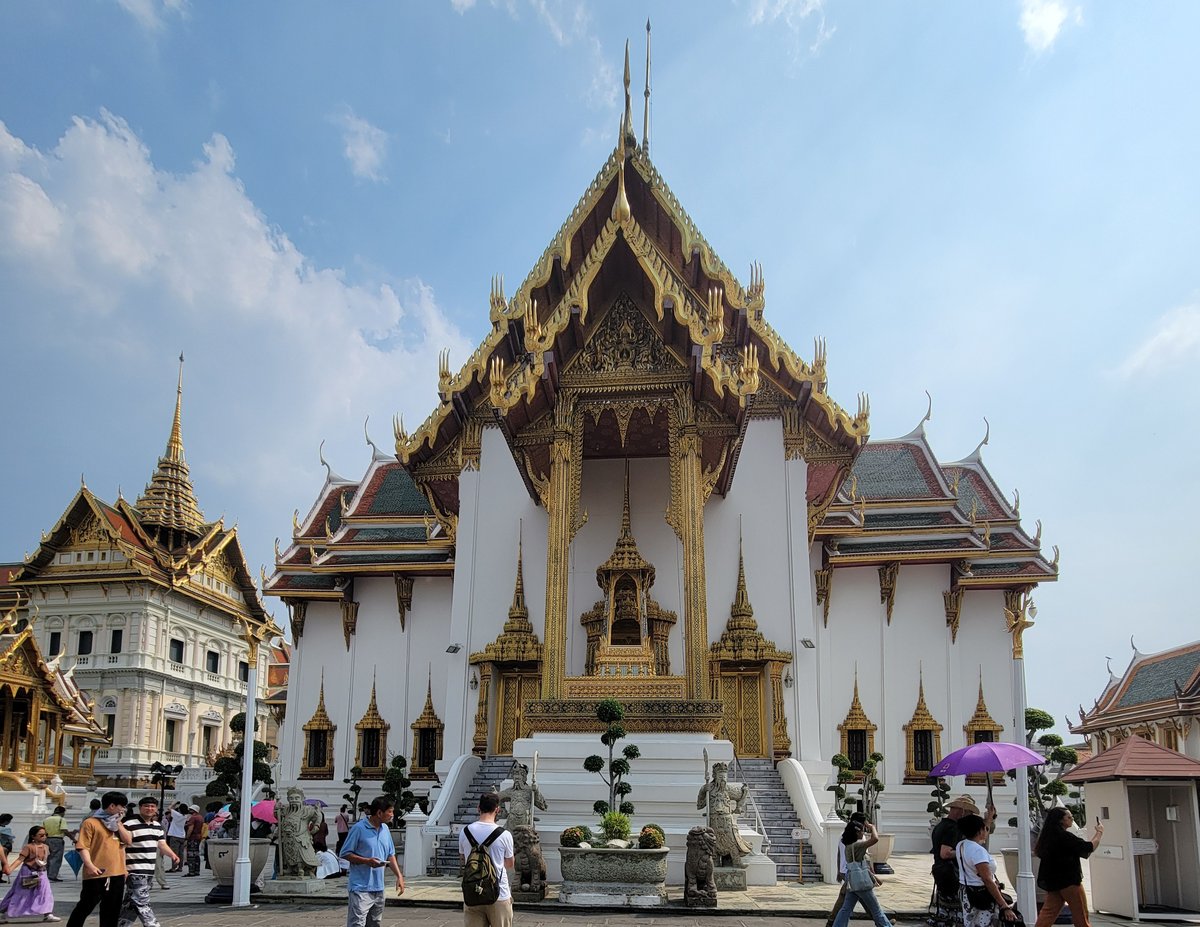
Dusit Maha Prasat exemplifies traditional Thai design, with a triple-tiered roof, gilded chofahs, and a tall central spire symbolizing Mount Meru from Buddhist cosmology. The white exterior represents purity, and the hall is elevated on a high base to signify the king’s semi-divine status. The facade features tall, narrow windows, elaborately carved porticos, and ornate mother-of-pearl inlays, while the interior showcases exquisite murals and the Phra Ratcha Banlang Pradap Muk—the royal throne—set on a base adorned with mythical Himavanta animals. These artistic details reinforce the hall’s spiritual and royal symbolism. (Backpackers Thailand; so02.tci-thaijo.org)
Ceremonial and State Functions
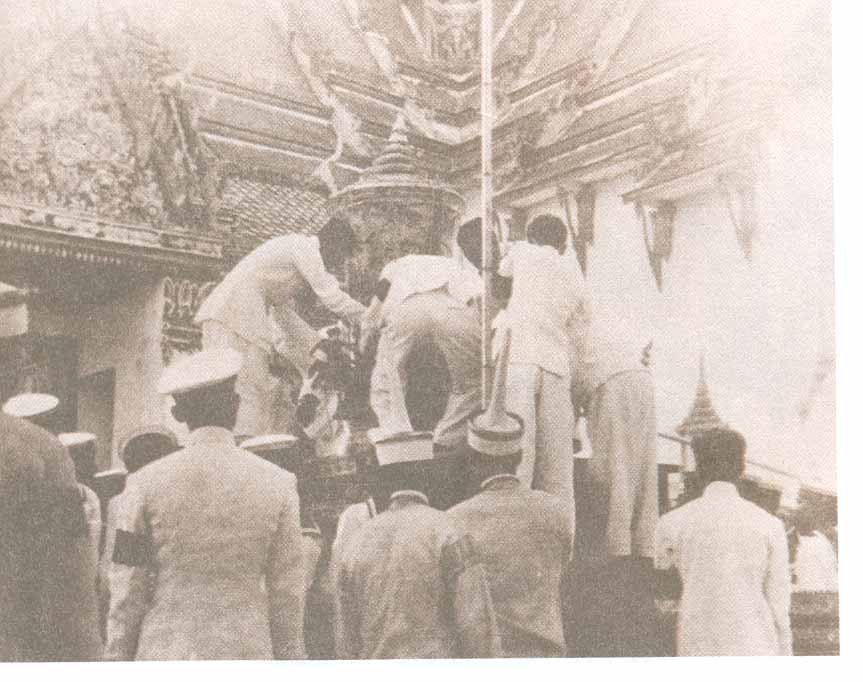
The primary function of Dusit Maha Prasat is to host the lying-in-state ceremonies for Thai monarchs and members of the royal family. It is also used for coronations, consecration rituals, and audiences with foreign dignitaries, underlining its status as a sacred and political space. These events are steeped in Buddhist and royal symbolism, with the hall’s architecture and decor designed to evoke the celestial realm and the king’s role as a dhammaraja (righteous ruler). (Caroun.com; Shipped Away)
Visiting Dusit Maha Prasat Throne Hall: Hours, Tickets, and Essential Tips
Opening Hours
- Daily: 8:30 AM – 3:30 PM (last admission 3:00 PM).
- Closures: The hall may be closed during royal ceremonies; check the official Grand Palace website for the latest updates.
Ticket Information
- Admission Fee: 500 THB for foreign visitors (includes Grand Palace, Dusit Maha Prasat, Wat Phra Kaew, and Queen Sirikit Museum of Textiles).
- Thai Nationals: Free entry.
- Tickets: Available online or at the Grand Palace entrance.
- Audio Guides: Rentable for 100 THB in multiple languages.
(Renown Travel; Agoda Travel Guide)
Dress Code and Visitor Etiquette
- Required Attire: Long pants or skirts, sleeved shirts, closed-toe shoes.
- Prohibited: Shorts, sleeveless tops, ripped jeans, sandals without heel straps.
- Clothing Rental: Available near the entrance (~200 THB).
- Shoes: Remove before entering the hall. (Agoda Travel Guide; Renown Travel)
Accessibility
- Palace grounds are mostly flat and paved; wheelchair access is available though some areas may be challenging.
- Restrooms and shaded seating are located throughout the complex.
Photography
- Allowed outdoors; restricted indoors, especially near sacred objects. Always follow posted signs and staff instructions.
Travel Tips
- Best Time to Visit: Early morning (opening at 8:30 AM) for smaller crowds and cooler weather.
- Peak Hours: 10:00 AM – 2:00 PM, especially on weekends and holidays.
- Season: November to February is ideal for comfortable temperatures.
Getting There
- Chao Phraya Express Boat: Disembark at Tha Chang Pier (N9), short walk to entrance.
- MRT Subway: Sanam Chai Station (Blue Line), about 1 km north.
- Taxi/Tuk-Tuk: Widely available; confirm fare before travel.
- BTS and Boat: BTS to Saphan Taksin, transfer to riverboat.
- Bus: Routes 12, 25, or 44 stop nearby. (Evendo)
Key Nearby Attractions
Within the Grand Palace Complex
- Wat Phra Kaew (Temple of the Emerald Buddha): Thailand’s most sacred Buddhist temple, featuring the revered Emerald Buddha and detailed murals. (TagThai)
- Chakri Maha Prasat Hall: A blend of European and Thai architecture, used for state banquets and royal receptions.
- Queen Sirikit Museum of Textiles: Exhibition of royal costumes and traditional fabrics.
Around Rattanakosin Island
- Wat Pho (Temple of the Reclining Buddha): Famous for its massive reclining Buddha and Thai massage school.
- Wat Arun (Temple of Dawn): Iconic riverside temple with stunning prang, accessible by ferry.
- Museum of Siam: Interactive museum on Thai history and identity.
- Pak Khlong Talat (Flower Market): Lively, colorful market open 24/7.
- Sanam Luang: Public square for royal ceremonies and gatherings.
(Bangkok for Visitors; PlanetWare; Bangkok Ways)
Dining and Refreshments
- Thip Samai: Famous for pad thai (~2 km from palace).
- Street Vendors: Offer mango sticky rice, coconut ice cream, fresh fruit.
- Riverside Cafés: Scenic views along the Chao Phraya River.
Guided Tours
- Official guided tours (English) at 10:00, 10:30, 13:30, and 14:00.
- Audio guides available for self-paced exploration. (Trip.com)
Special Events & Photography
- The hall may close for royal events—always verify ahead.
- Notable photo spots: exterior roofs, throne, murals (where permitted).
Frequently Asked Questions (FAQ)
Q: What are the Dusit Maha Prasat visiting hours?
A: 8:30 AM to 3:30 PM daily, with last admission at 3:00 PM. Closed during royal ceremonies.
Q: How much are tickets?
A: 500 THB for foreign visitors; includes Grand Palace, Dusit Maha Prasat, and other sites.
Q: Is there a dress code?
A: Yes. Modest clothing covering shoulders and knees is required.
Q: Can I take photos inside?
A: Generally restricted inside; outdoor photography is allowed.
Q: Are guided tours available?
A: Yes, free English tours and rentable audio guides are offered.
Practical Tips for a Smooth Visit
- Arrive early to avoid crowds.
- Bring water and wear comfortable shoes.
- Respect the dress code and cultural etiquette.
- Check the official Grand Palace website for closure updates.
- Plan additional time to explore adjacent landmarks for a richer experience.
Preservation and Cultural Impact
Dusit Maha Prasat Throne Hall stands as a testament to Thailand’s royal lineage and spiritual traditions, merging Buddhist cosmology with the monarchy’s ceremonial duties. Its ongoing preservation and continued use for state functions highlight the importance placed on cultural heritage and national identity. (Shipped Away; historyhit.com)
Discover More
Dusit Maha Prasat Throne Hall is not only a stunning example of traditional Thai architecture but also a living symbol of Thailand's royal heritage and national unity. To ensure a meaningful and respectful visit, check opening hours, secure tickets in advance, comply with dress codes, and take advantage of guided tours for historical context. Extend your exploration to nearby attractions to fully experience the cultural heart of Bangkok.
For further travel tips and exclusive content on Bangkok’s historical sites, download the Audiala app and follow us on social media.
Listen to the full story in the app
The whole Dusit Maha Prasat Throne Hall,
told well.
Audio guides for 1,100+ cities across 96 countries. History, stories, and local insight — offline ready.
Verified, and shown.
Researched and written by the Audiala editorial team from historical records, architectural archives, and local expertise.
Researched from Wikidata, Wikipedia & official sources · fact-checked · How we make our guides →