Plan and listen to Bangkok City Pillar Shrine with Audiala.
Audio guide in your pocket, itinerary in your browser. Built for the way you actually visit.
Introduction to City Pillar Shrine
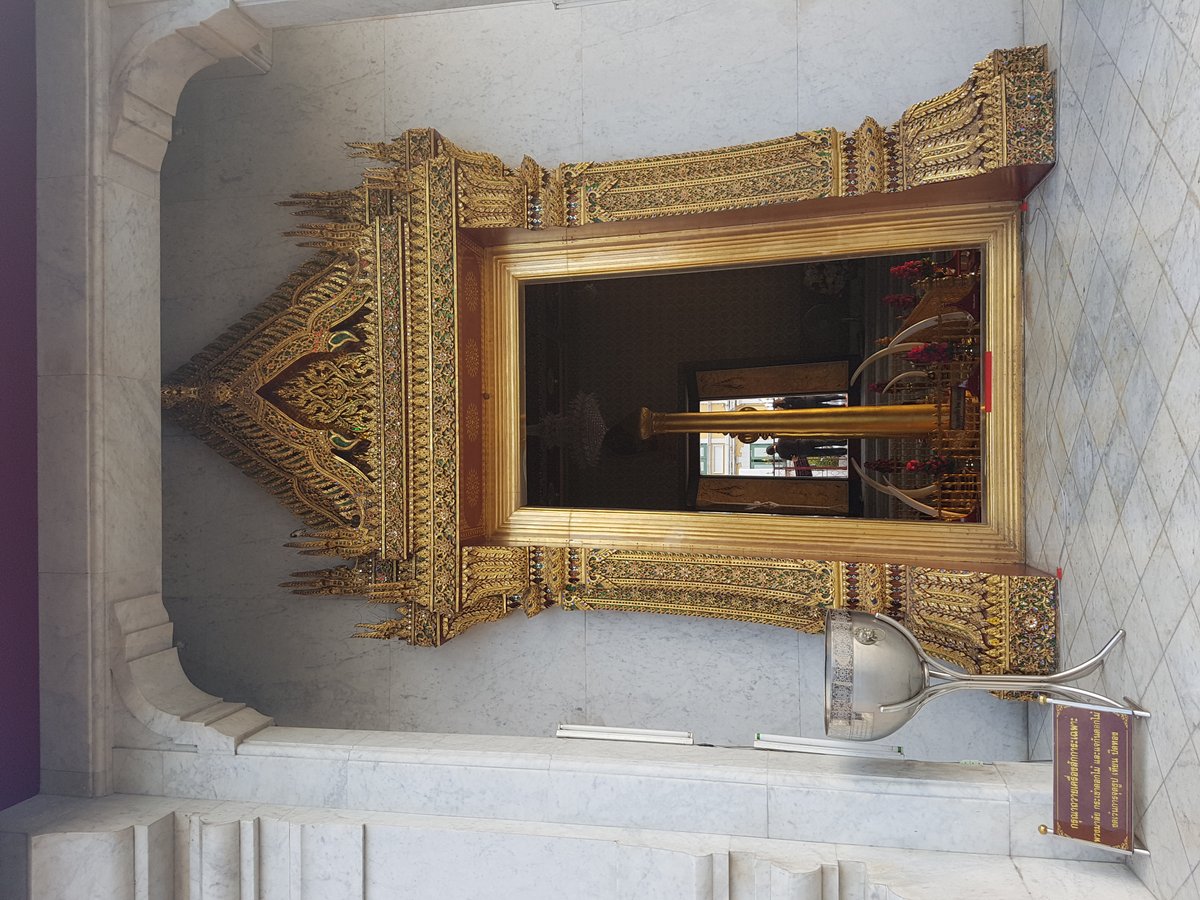
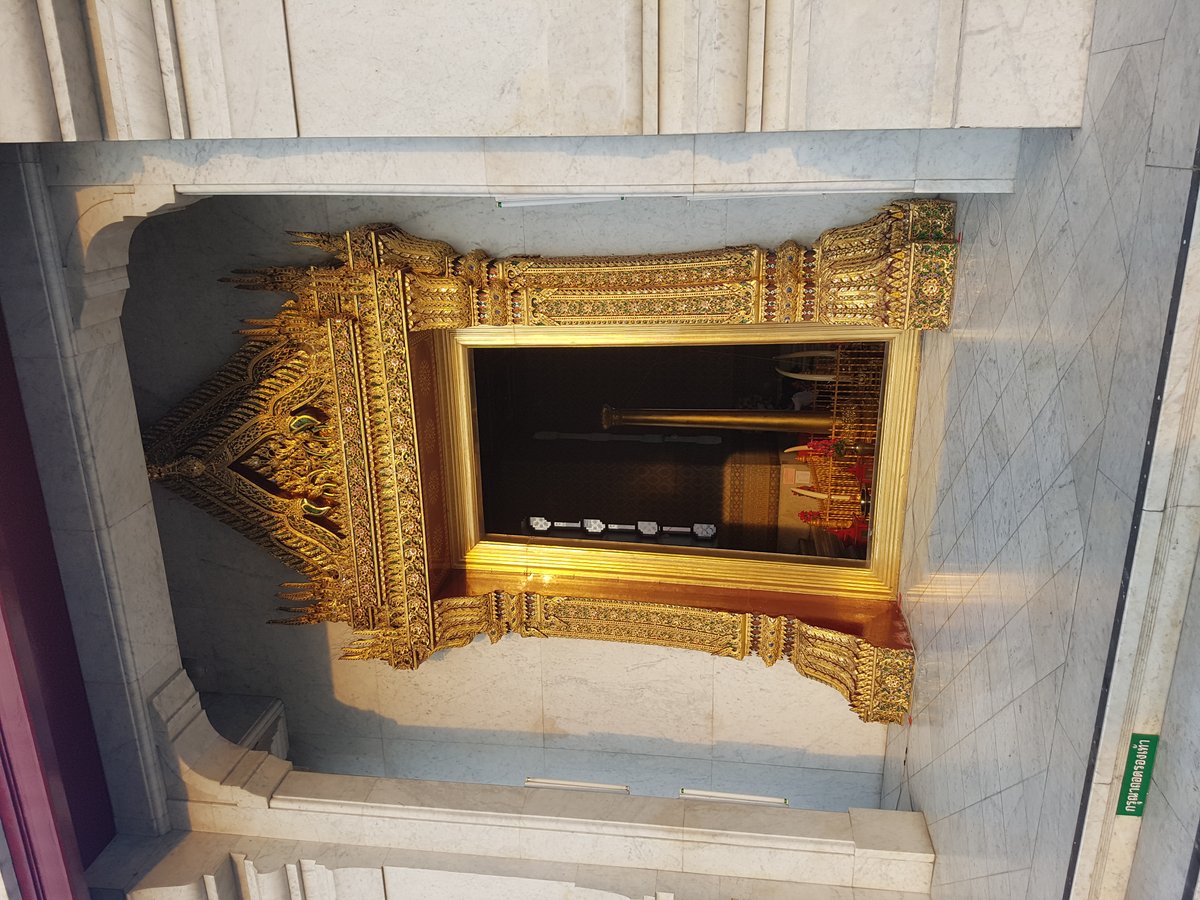
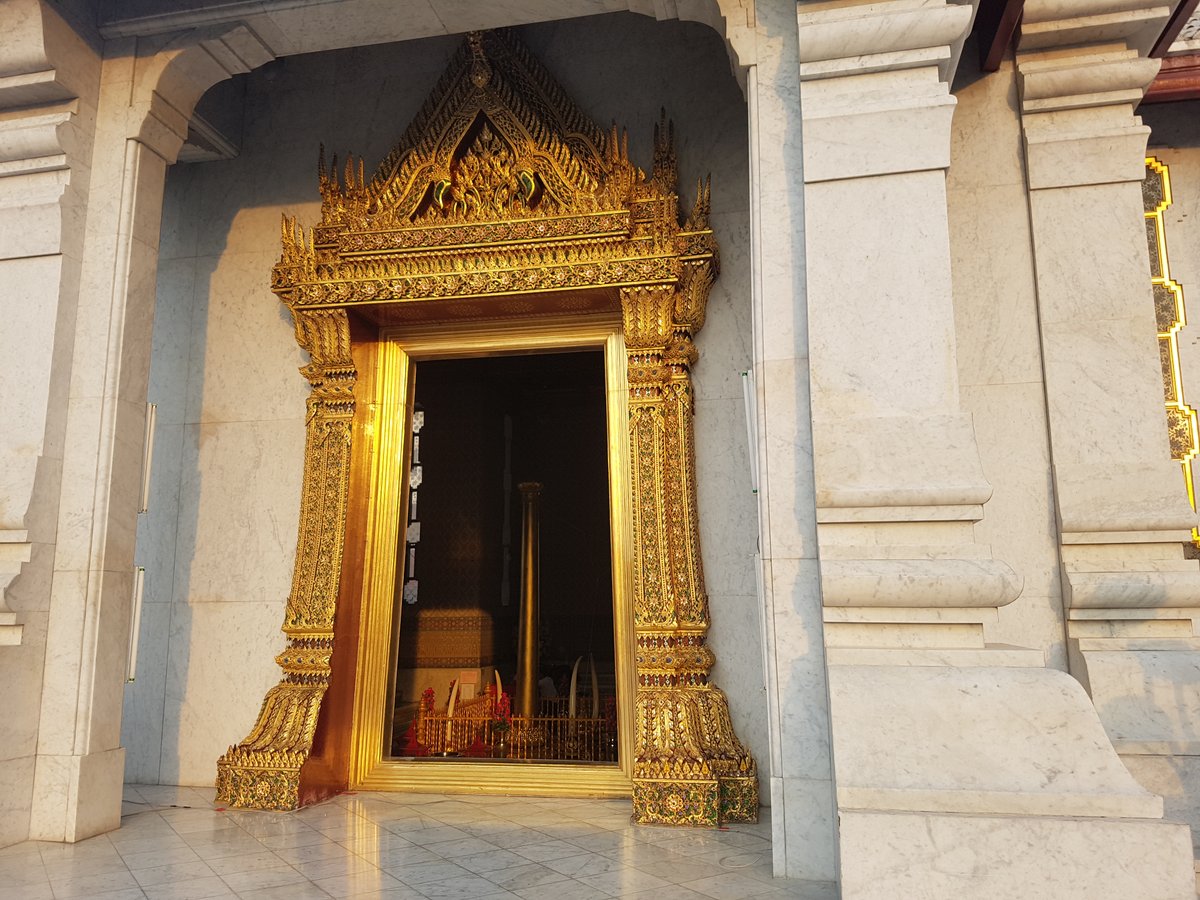
Nestled at the heart of Bangkok, the ศาลหลักเมืองกรุงเทพมหานคร, or the Bangkok City Pillar Shrine, stands as a monumental testament to the city's rich history and spiritual heritage. Established in 1782 by King Rama I, the shrine marks the founding of Bangkok as the new capital following the fall of Ayutthaya. It symbolizes not only the city's inception but also the enduring beliefs and traditions that have shaped its identity over centuries. The shrine houses the sacred City Pillar (Lak Muang), believed to be imbued with the city's guardian spirit, Chao Pho Lak Mueang, who offers protection and prosperity to Bangkok and its residents. The architectural splendor of the shrine, which reflects a harmonious blend of Thai, Chinese, and Khmer styles, is a reflection of Thailand's diverse cultural tapestry. This comprehensive guide will delve into the shrine's historical significance, architectural evolution, and the various religious practices and rituals that continue to draw both locals and tourists alike. Whether you are a history enthusiast, a cultural explorer, or a spiritual seeker, the Bangkok City Pillar Shrine offers a unique window into the soul of this vibrant city. (The Ultimate Guide to Visiting the City Pillar Shrine in Bangkok), (Discover the Architectural Splendor and Religious Practices at the Bangkok City Pillar Shrine).

Founding and Early Years
King Rama I, the founder of the Chakri dynasty and the builder of Bangkok, established the City Pillar Shrine in 1782. This act held profound significance, marking the official establishment of the new capital after the fall of Ayutthaya. The pillar, crafted from fragrant sandalwood, was originally situated south of Wat Pho. However, when the Grand Palace's construction began, the pillar was carefully moved to its present location within the Grand Palace complex.
Architectural Evolution
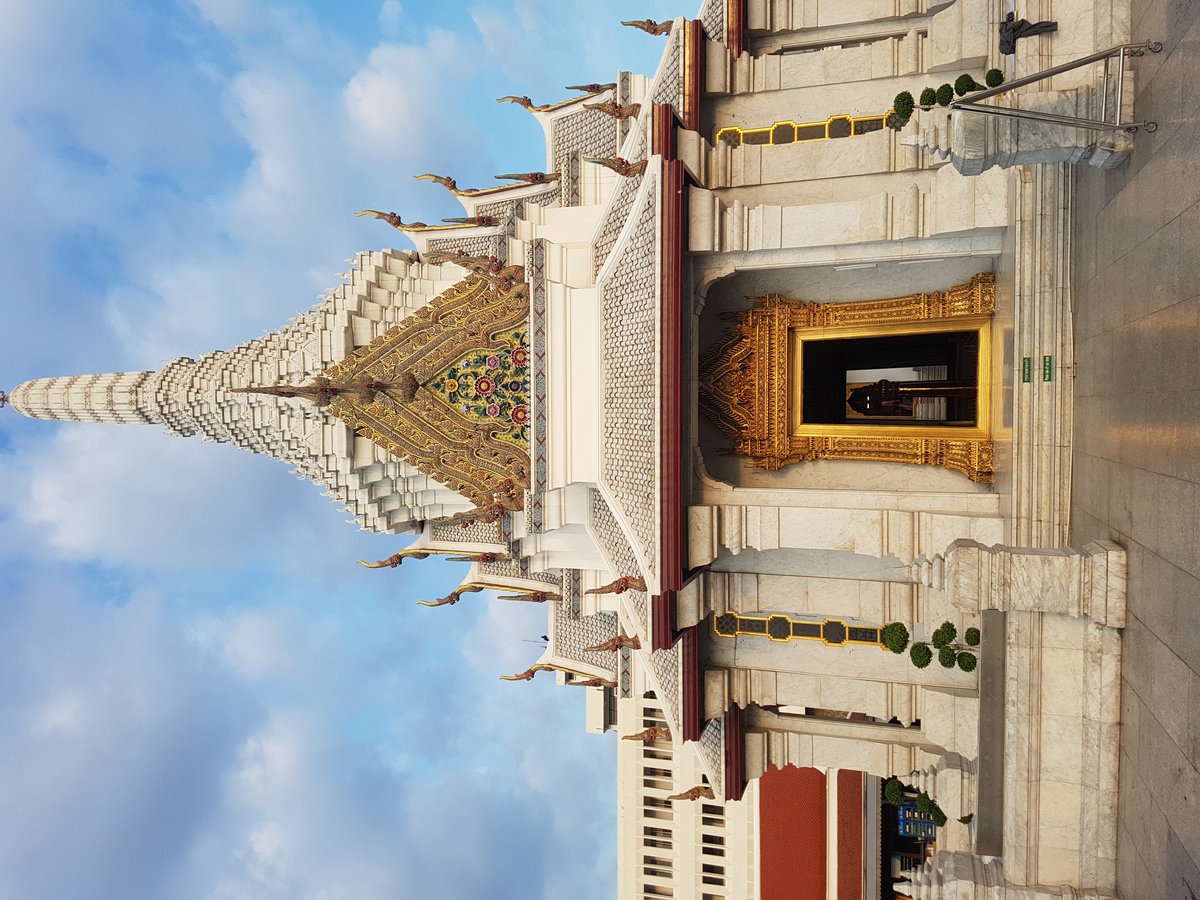
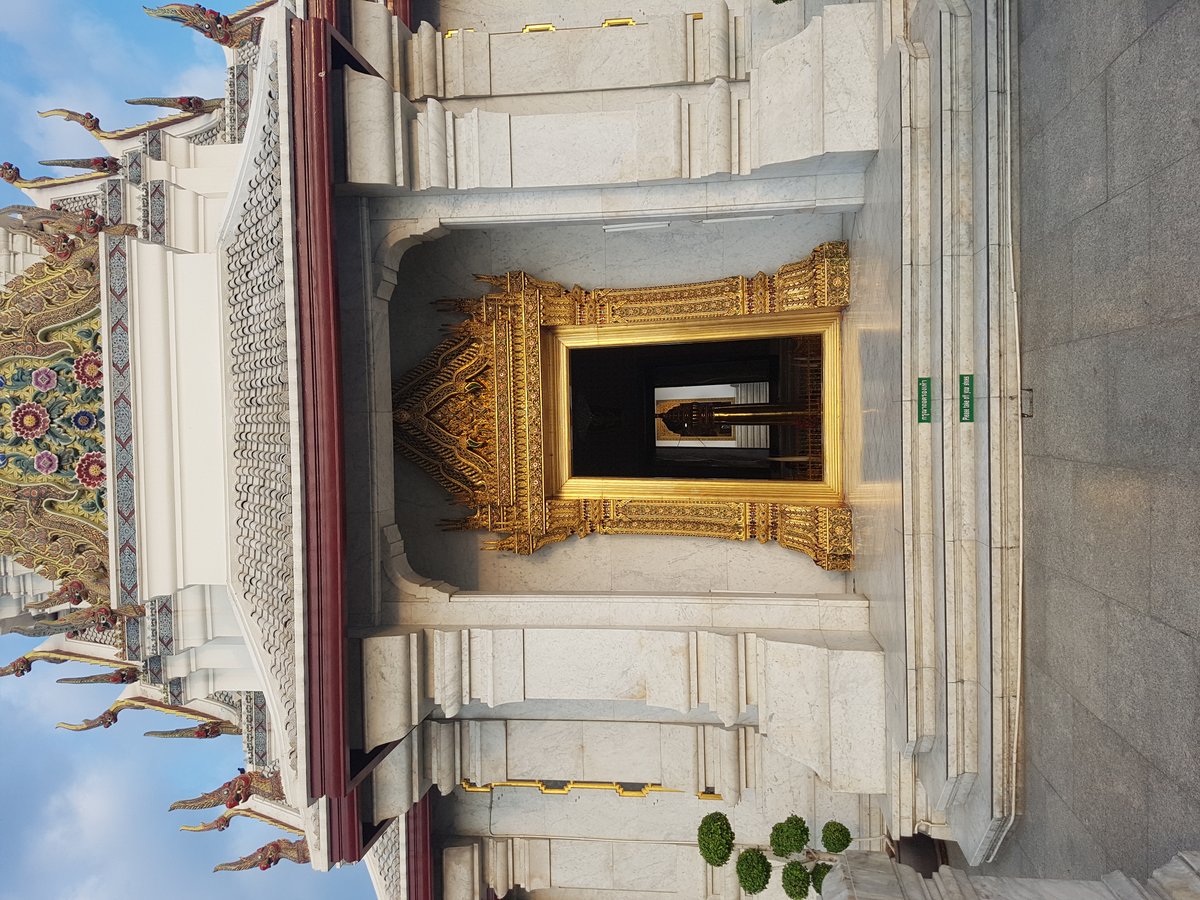
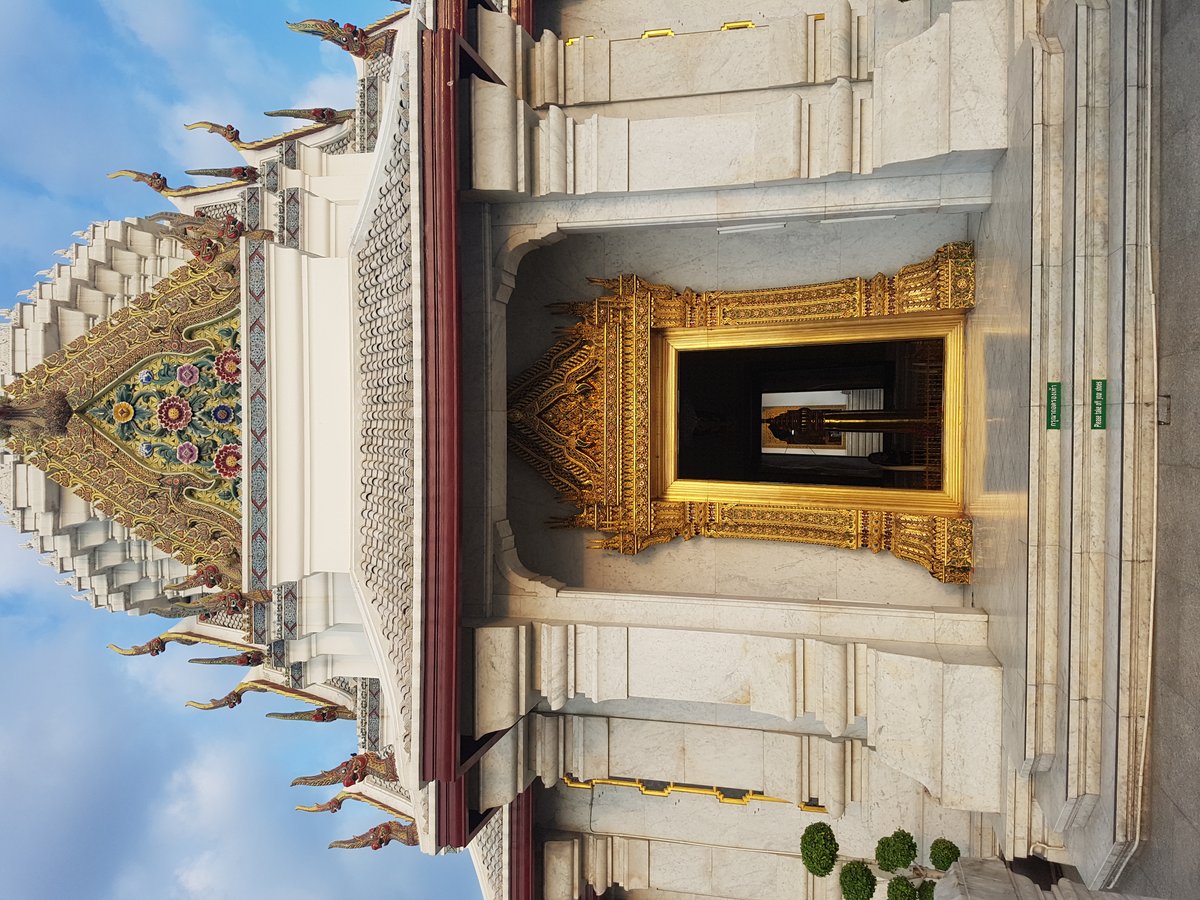
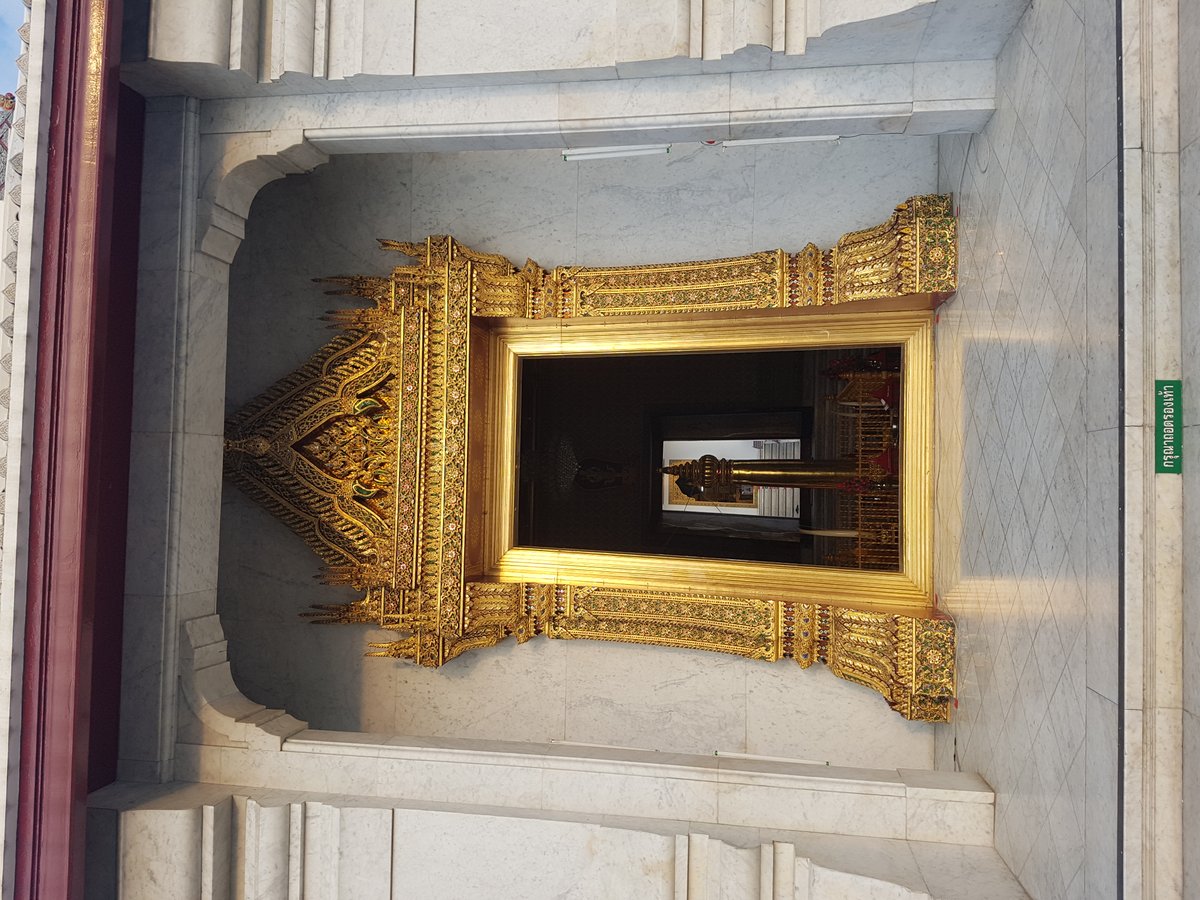
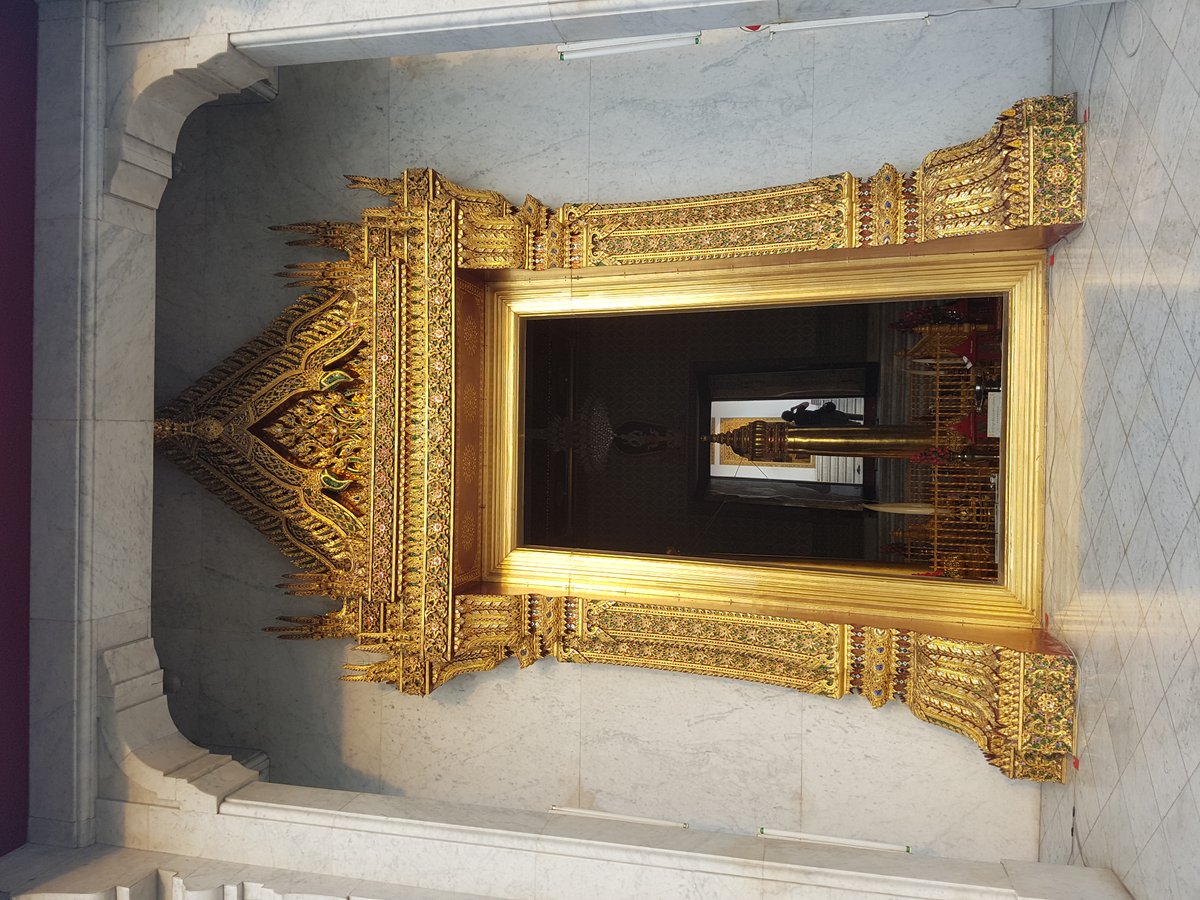
The shrine's architecture reflects a blend of styles, mirroring the evolving artistic sensibilities of the Rattanakosin period. Initially, a modest pavilion housed the sacred pillar. However, under the reign of King Rama III (1824-1851), the shrine underwent significant expansion and renovation. The king, known for his patronage of the arts, commissioned the construction of the elegant mondop (prayer hall) that we see today. This structure, with its multi-tiered roof, intricate carvings, and vibrant colors, exemplifies the grandeur of traditional Thai architecture.
The Sacred Pillar - A Symbol of Harmony and Prosperity
At the heart of the shrine lies the City Pillar (Lak Muang), a 270 cm tall pillar made of acacia wood, encased in a gilded and lacquered ironwood sheath. It is believed to be imbued with the city's guardian spirit, Chao Pho Lak Mueang, who protects and blesses Bangkok and its inhabitants.
The pillar's significance extends beyond its physical form. It embodies the concept of the "cosmic axis," a central point connecting the earthly realm to the heavens. This connection is crucial in Thai cosmology, representing harmony between the human and divine worlds.
Rituals and Offerings
The City Pillar Shrine is a site of active worship, attracting both locals and tourists seeking blessings and guidance. People offer lotus buds, incense sticks, and gold leaf to the pillar, symbolizing their respect and seeking good fortune.
One particularly popular offering is the colorful fabric sashes known as "Pha Kiao Ma." These sashes, often adorned with auspicious symbols, are believed to bring good luck and ward off evil spirits. Visitors tie these sashes around the pillar, creating a vibrant tapestry of wishes and prayers.
Visiting Hours, Tickets, and Accessibility
- Visiting Hours: The City Pillar Shrine is open daily from 8:00 AM to 6:00 PM.
- Tickets: Entry is free, but donations are welcome to help maintain the shrine.
- Accessibility: The shrine is wheelchair accessible, and there are facilities for elderly and disabled visitors.
Travel Tips and Nearby Attractions
- Guided Tours: Consider hiring a local guide to fully appreciate the shrine's history and significance.
- Photographic Spots: The intricate carvings and vibrant colors of the shrine provide excellent photo opportunities. Early morning or late afternoon offers the best lighting.
- Nearby Attractions:
- The Grand Palace: This is adjacent to the shrine and a must-visit landmark.
- Wat Pho: Known for its reclining Buddha statue, it is a short walk away.
- Temple of the Emerald Buddha (Wat Phra Kaew): Another iconic site within walking distance. (Grand Palace official site), (Wat Pho official site).
The Shrine Today - A Cultural and Spiritual Landmark
The City Pillar Shrine remains a vital part of Bangkok's cultural and spiritual landscape. It serves as a reminder of the city's historical roots, its connection to the divine, and the enduring power of tradition.
For tourists, the shrine offers a glimpse into the heart of Thai spirituality and a chance to experience the beauty and serenity of traditional Thai architecture. Whether seeking blessings, learning about Thai history, or simply appreciating the intricate craftsmanship, a visit to the City Pillar Shrine is an enriching experience.
FAQs
1. What is the best time to visit the City Pillar Shrine?
The best time to visit is early in the morning or late in the afternoon to avoid the heat and crowds.
2. Are there any special events held at the City Pillar Shrine?
Yes, the shrine hosts various ceremonies and festivals throughout the year, especially during the Thai New Year (Songkran) and other significant Thai holidays.
3. Can I take photos inside the shrine?
Yes, photography is allowed, but be respectful of worshippers and avoid using flash.
4. Are there guided tours available?
Yes, guided tours are available and highly recommended to fully appreciate the shrine's history and significance.
Summary and Key Takeaways
The Bangkok City Pillar Shrine remains a vital cultural and spiritual landmark in the heart of Thailand's bustling capital. It is a place where history, spirituality, and artistic expression converge, offering visitors a profound glimpse into the soul of Bangkok. The shrine not only commemorates the city's founding but also serves as a living testament to its enduring traditions and beliefs. From its intricate architectural details to the vibrant rituals performed by devotees, the shrine encapsulates the harmonious coexistence of various cultural influences that define Thailand. Visiting the Bangkok City Pillar Shrine is more than just a touristic experience; it is an opportunity to connect with the city's historical roots and spiritual essence. Whether you are seeking blessings, exploring architectural marvels, or simply immersing yourself in the serene atmosphere, the shrine promises an enriching and memorable experience. For those planning a visit, the shrine's central location near other major attractions like the Grand Palace and Wat Pho makes it an essential stop on any cultural itinerary in Bangkok. (Complete Guide to Visiting the Bangkok City Pillar Shrine), (Discover the Architectural Splendor and Religious Practices at the Bangkok City Pillar Shrine).
Listen to the full story in the app
The whole Bangkok City Pillar Shrine,
told well.
Audio guides for 1,100+ cities across 96 countries. History, stories, and local insight — offline ready.
Verified, and shown.
Researched and written by the Audiala editorial team from historical records, architectural archives, and local expertise.
Researched from Wikidata, Wikipedia & official sources · fact-checked · How we make our guides →