Introduction
The first surprise in Bangkok, Thailand is how quickly the city changes temperature and tempo: incense smoke at a shrine, diesel heat from a river ferry, then cold mall air a block later. You can watch saffron-robed monks collecting alms at dawn and sip a cocktail above the skyline by night without ever feeling a seam between old and new. Bangkok doesn’t hide its contradictions; it stages them in public.
This is a river city pretending to be a megacity and a megacity that still remembers its canals. Along the Chao Phraya, the Grand Palace glitters beside temple compounds where bells and chanting carry through the morning haze, while express boats and long-tail engines stitch neighborhoods together. If you arrive early—before 9:00 a.m.—the light on Wat Arun’s porcelain spire and the tiled roofs of Rattanakosin is soft and almost painterly, a different city from the neon one most people expect.
Bangkok’s real genius is not a single monument but its street-level intelligence: wok smoke on Yaowarat Road, flower garlands stacked at Pak Khlong Talat before dawn, design studios tucked into old warehouses on Charoenkrung, and families eating noodles under BTS tracks in neighborhoods many visitors never reach. You can spend 100 THB on a perfect bowl of noodles or 1,000 THB on a rooftop drink and learn something from both. The city rewards curiosity more than checklists.
What changes your understanding of Bangkok is leaving the postcard route just slightly. Take a canal boat through Thonburi, step into a near-empty temple like Wat Ratchabophit, or bike in Bang Kachao’s green lanes and you realize this capital is less a single city than a set of overlapping worlds. Bangkok asks you to look twice—at buildings, at rituals, at daily life—and usually gives you more on the second look.
Places to Visit
The Most Interesting Places in Bangkok
Grand Palace
The Grand Palace in Bangkok, Thailand, known in Thai as พระบรมมหาราชวัง, is an iconic symbol of Thailand's rich cultural and historical heritage.
Sanam Luang
Sanam Luang, also known as the 'Royal Field,' is a historic and culturally significant public square situated in the Phra Nakhon District of Bangkok, Thailand.
Mahanakhon
King Power Mahanakhon, an architectural marvel in the heart of Bangkok, symbolizes the city's rapid development and modern aspirations.
Bangkok National Museum
The Bangkok National Museum stands as a pivotal cultural landmark in Thailand, offering visitors a profound journey into the rich tapestry of Thai history,…
Sea Life Bangkok Ocean World
Siam Paragon is more than just an upscale shopping complex; it stands as a testament to Bangkok's evolution into a global metropolis.
Wat Suthat
Wat Suthat Thepwararam Ratchawaramahawihan, commonly known as Wat Suthat, is an exceptional emblem of Thailand's rich cultural and religious heritage.
Rama Viii Bridge
The Rama VIII Bridge stands as one of Bangkok’s most remarkable landmarks, seamlessly merging modern engineering prowess with deep-rooted Thai cultural…
Benjasiri Park
Emporium and EmQuartier stand as two of Bangkok's most distinguished shopping destinations, offering a glimpse into the luxurious retail scene of the city.
Wat Pathum Wanaram
Wat Pathum Wanaram, also known as the Lotus Temple, is a significant historical and cultural landmark situated in the heart of Bangkok, Thailand.
The Museum of Siam
Built inside a 1922 ministry on Sanam Chai Road, Museum Siam turns Thai identity into a playful, question-driven museum by Wat Pho and the MRT station.
Queen Sirikit Park
Bangkok, the bustling capital of Thailand, is a city teeming with vibrant energy, rich history, and a unique blend of traditional and modern culture.
Chatuchak Park
Nestled in the vibrant heart of Bangkok, Chatuchak Park stands as one of the city’s oldest and most cherished green spaces, offering visitors a serene escape…
What Makes This City Special
Royal Bangkok on the River
Bangkok’s old city is stitched together by the Chao Phraya: Grand Palace walls, Wat Pho’s 46-meter Reclining Buddha, and Wat Arun’s porcelain-clad spire all sit within a short boat hop. Arrive early and you’ll hear chanting and ferry engines before the tour groups flood in.
A City of Architectural Whiplash
In one afternoon you can move from 19th-century Rattanakosin temples to Art Deco civic buildings on Ratchadamnoen, then end under the pixel-cut facade of King Power Mahanakhon (314 m). Bangkok rewards people who look up: even bank towers can be postmodern jokes, like the Robot Building on Silom.
Street Food as Daily Ritual
Yaowarat at night smells of charcoal, wok smoke, and peppery broth; pre-dawn at Pak Khlong Talat, jasmine and marigold take over. The city’s best meals still come from carts, shophouses, and market stalls where one dish is perfected over decades.
Green Escapes in a Mega-City
Bangkok isn’t only concrete: Lumphini and Benjakitti fill with runners at sunset, and monitor lizards patrol the lake edges like small dinosaurs. Cross the river to Bang Kachao and the soundscape flips to birds, bicycle bells, and wind through mangroves.
Notable Figures
Phutthayotfa Chulalok (King Rama I)
1737–1809 · Founder of the Chakri dynastyAfter the fall of Ayutthaya, Rama I established the new capital on the east bank of the Chao Phraya and built the Grand Palace and Wat Phra Kaew as its symbolic core. His city plan still shapes how travelers experience Bangkok today: royal island, river arteries, temple hierarchy. He would probably recognize the sacred geography even amid skyscrapers.
Mongkut (King Rama IV)
1804–1868 · Monk-king and reformerBefore ruling, Mongkut spent decades as a monk in Bangkok, where he studied languages and science and helped reshape Thai monastic practice. As king, he opened Siam to broader diplomatic and scientific exchange without formal colonization. In today’s Bangkok—where old ritual and modern infrastructure coexist—his influence is everywhere.
Chulalongkorn (King Rama V)
1853–1910 · Modernizing monarchRama V remade Bangkok with boulevards, administrative reforms, and European-influenced civic architecture, especially in Dusit. Buildings like the Ananta Samakhom Throne Hall reflect his desire to present Siam as modern and sovereign. The city’s blend of Thai court culture and global style is his signature.
Jim Thompson
1906–1967 · Entrepreneur and art collectorAn American former OSS officer, Thompson revived Thailand’s silk industry from Bangkok and turned it into a global design story. His teak house near Saen Saep Canal became a salon of Southeast Asian art and remains one of the city’s most atmospheric museums. His unexplained disappearance in Malaysia only deepened his Bangkok legend.
Corrado Feroci (Silpa Bhirasri)
1892–1962 · Sculptor and art educatorItalian-born Feroci became Silpa Bhirasri in Thailand and helped shape modern Thai public art, including key civic monuments in Bangkok. He trained generations of artists through Silpakorn University, giving the capital a new visual language in the 20th century. If you stand at Democracy Monument, you’re looking at part of his legacy.
Bhumibol Adulyadej (King Rama IX)
1927–2016 · Long-reigning monarchFor seven decades, Rama IX was a constant presence in Bangkok’s political and emotional life, from royal ceremonies to periods of national crisis. Areas around the Grand Palace and Sanam Luang became places of collective mourning at his death. The city still carries his memory in institutions, portraits, and daily rituals.
Plan your visit
Practical guides for Bangkok — pick the format that matches your trip.
Bangkok Money-Saving Passes & Cards
Should you buy a Bangkok pass? Usually only if you stack several sights or rides. Compare TAGTHAi, MegaPass, ThaiGo, and the limits before you pay.
Bangkok First-Time Visitor Tips for Saving Time
Bangkok first-time visitor tips from a practical local angle: where queues bite, how scams work, when to go, and what to prioritize if you only have a few days.
Photo Gallery
Explore Bangkok in Pictures
A vibrant view of the modern Bangkok skyline from the Chao Phraya River, featuring the iconic river boat flag against a backdrop of towering skyscrapers.
Simon Hurry on Pexels · Pexels License
The stunning architecture of the ceremonial gate in Bangkok, Thailand, stands as a vibrant landmark against a bright, cloudy sky.
Optical Chemist on Pexels · Pexels License
A detailed view of the iconic blue street sign marking Charoen Krung 16, also known as Soi Itsaranuphap, in the heart of Bangkok, Thailand.
Miguel González on Pexels · Pexels License
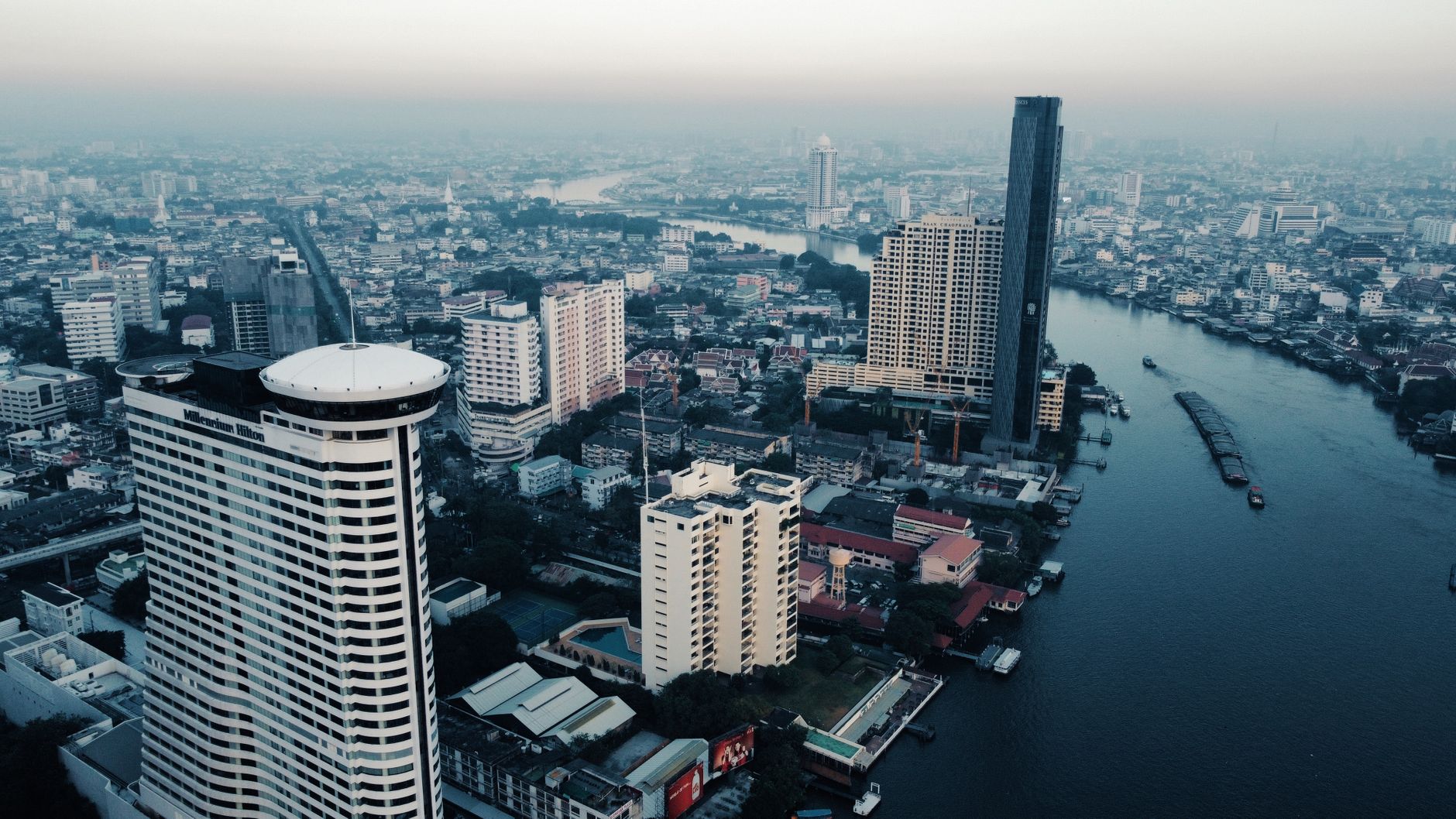
An elevated drone perspective captures the winding Chao Phraya River flowing through the heart of Bangkok, Thailand, framed by iconic riverside hotels and city architecture.
Nokwheet Photography on Pexels · Pexels License
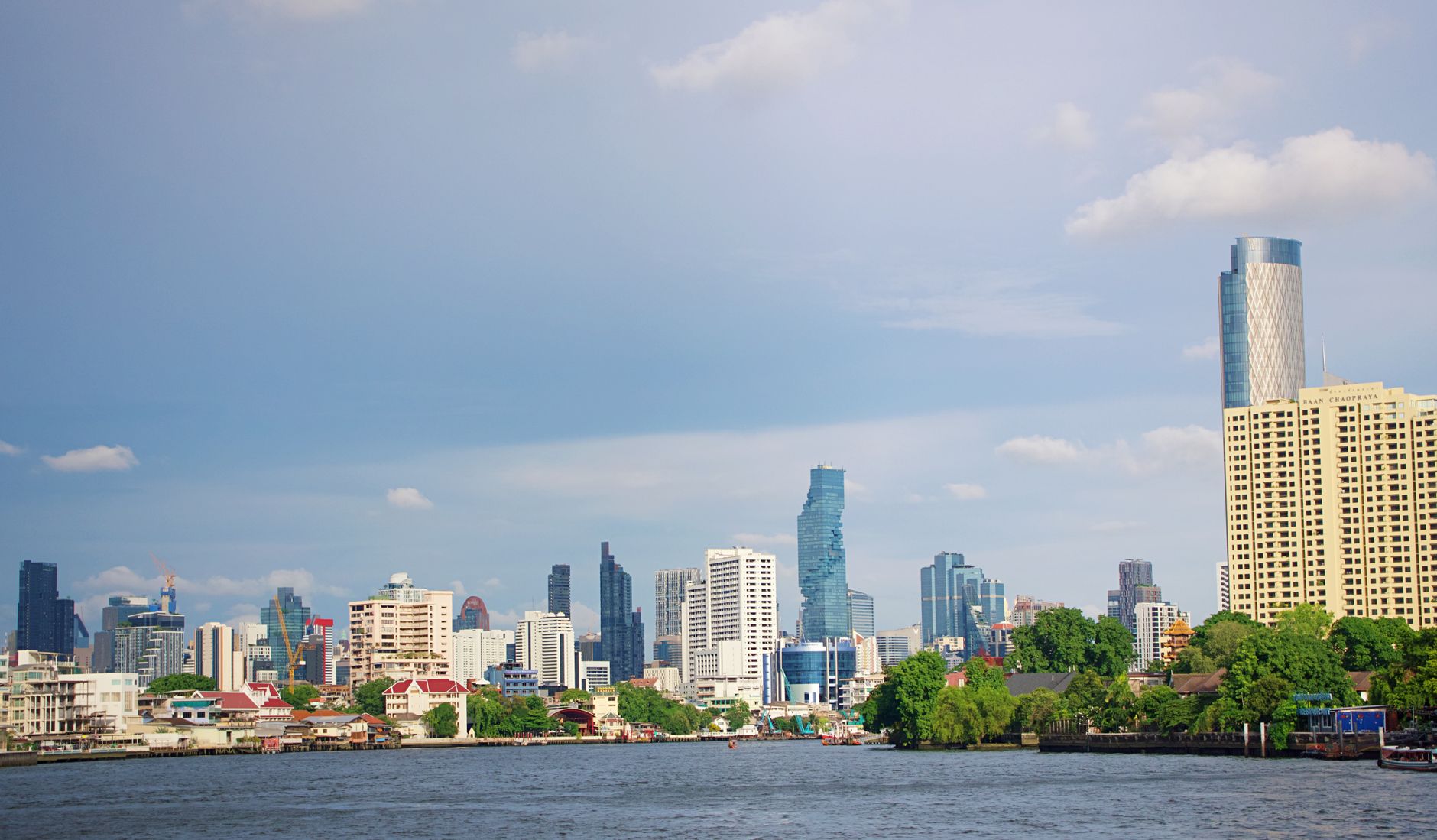
The modern skyline of Bangkok rises above the Chao Phraya River, showcasing a blend of iconic skyscrapers and lush riverside landscapes.
Khan Ishaan on Pexels · Pexels License
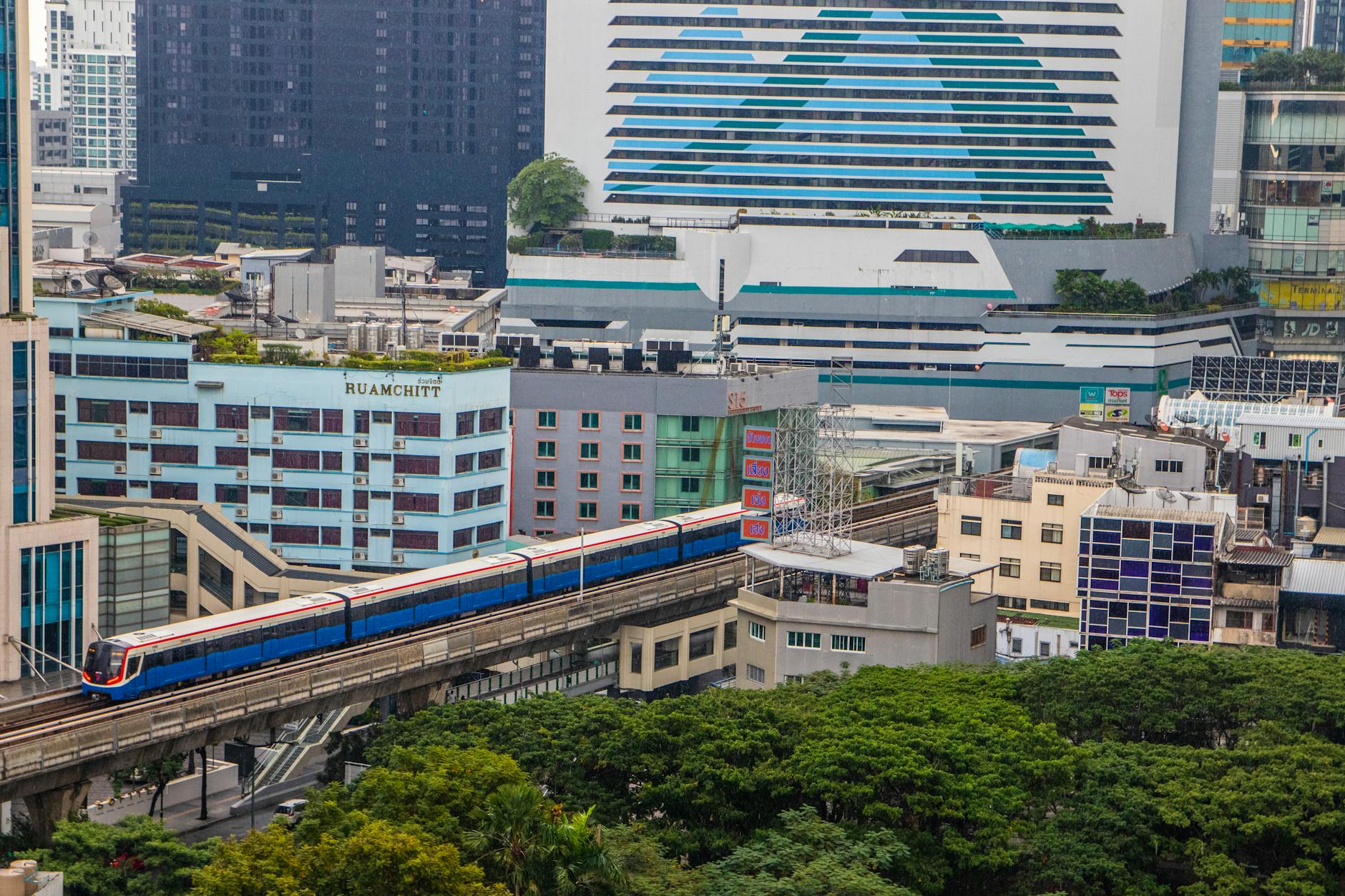
A modern BTS Skytrain glides through the vibrant urban landscape of Bangkok, showcasing the city's unique blend of high-rise architecture and greenery.
Wilfried Strang on Pexels · Pexels License
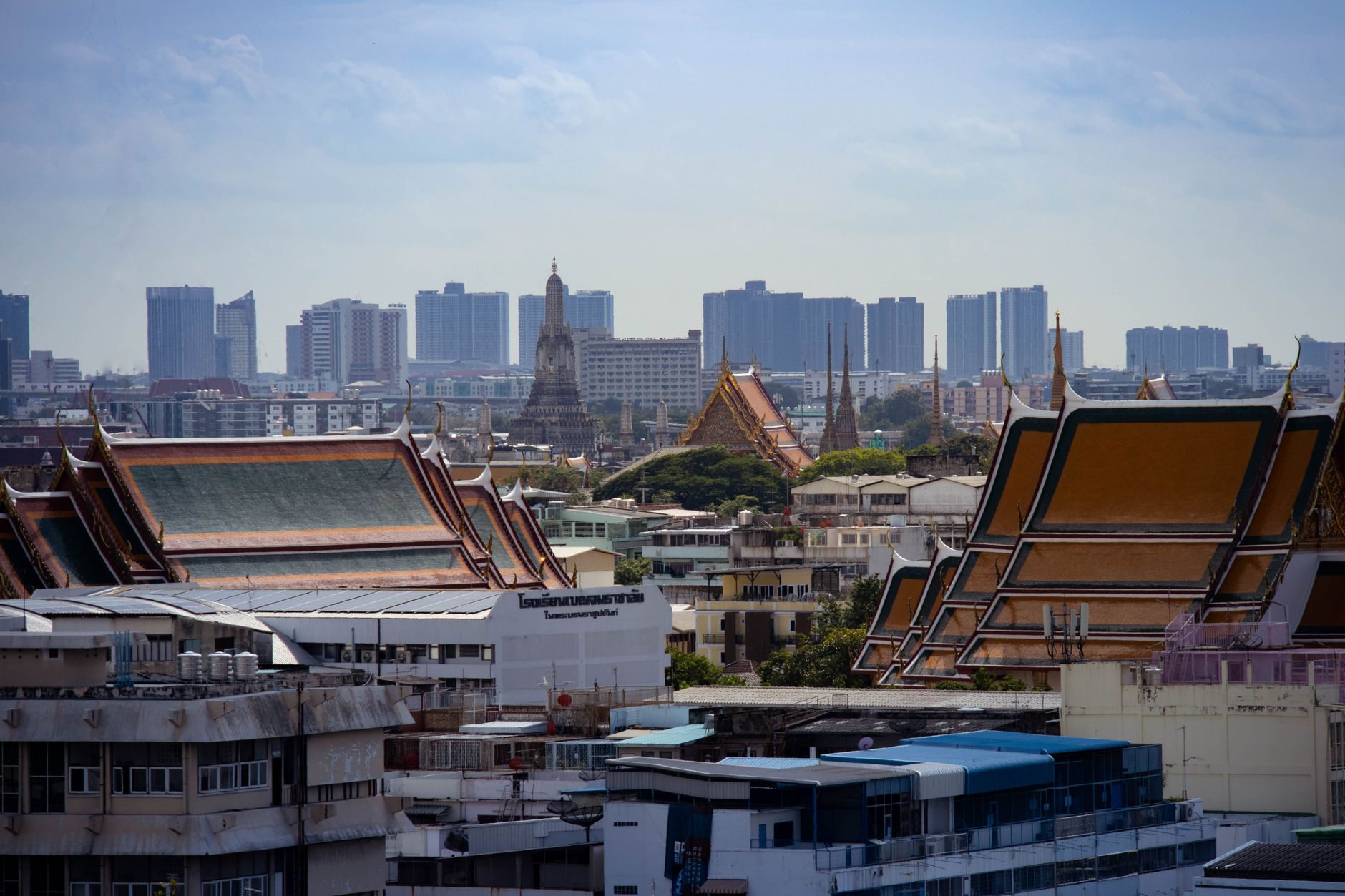
The historic spires of Wat Arun stand in contrast against the modern high-rise skyline of Bangkok, Thailand.
Zaonar Saizainalin on Pexels · Pexels License
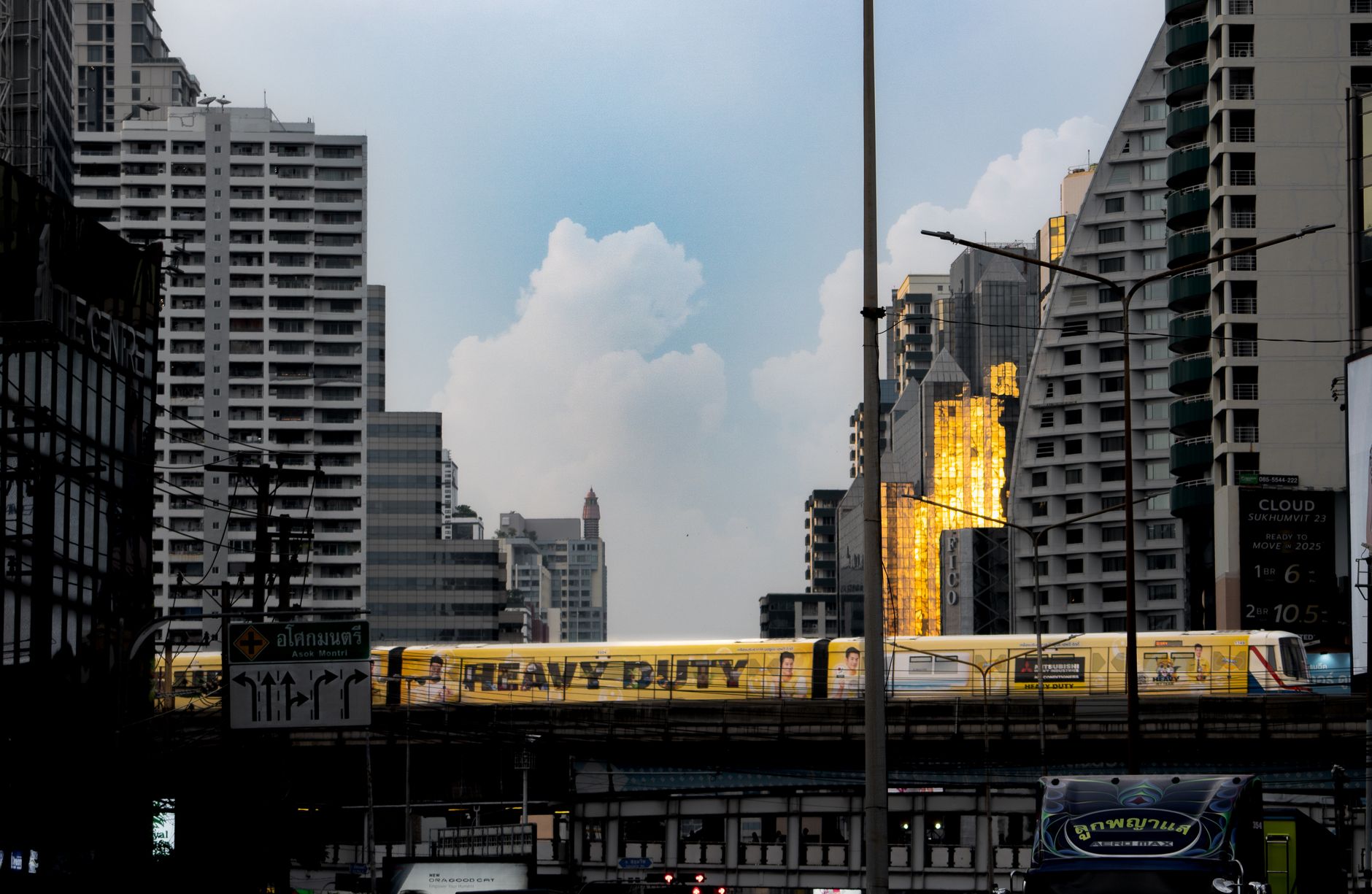
A vibrant yellow BTS Skytrain glides through the heart of Bangkok, framed by towering modern architecture and the warm glow of the setting sun.
Felix Schickel on Pexels · Pexels License
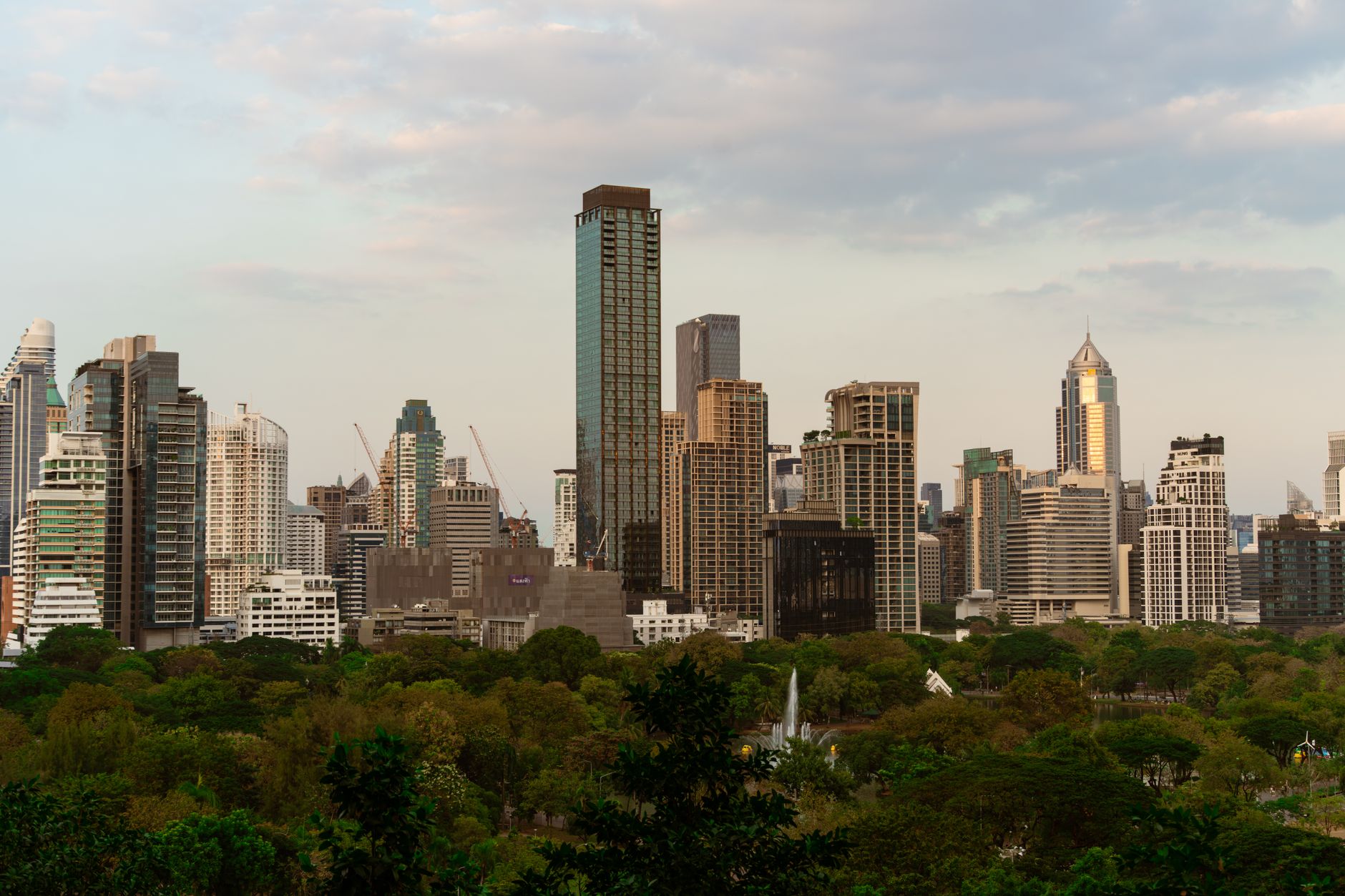
The modern skyscrapers of Bangkok rise majestically above the lush, green expanse of Lumphini Park during a golden sunset.
Khoi Pham on Pexels · Pexels License
A scenic view of the Chao Phraya River flowing through the modern urban landscape of Bangkok, Thailand, under a dramatic cloudy sky.
Zaonar Saizainalin on Pexels · Pexels License
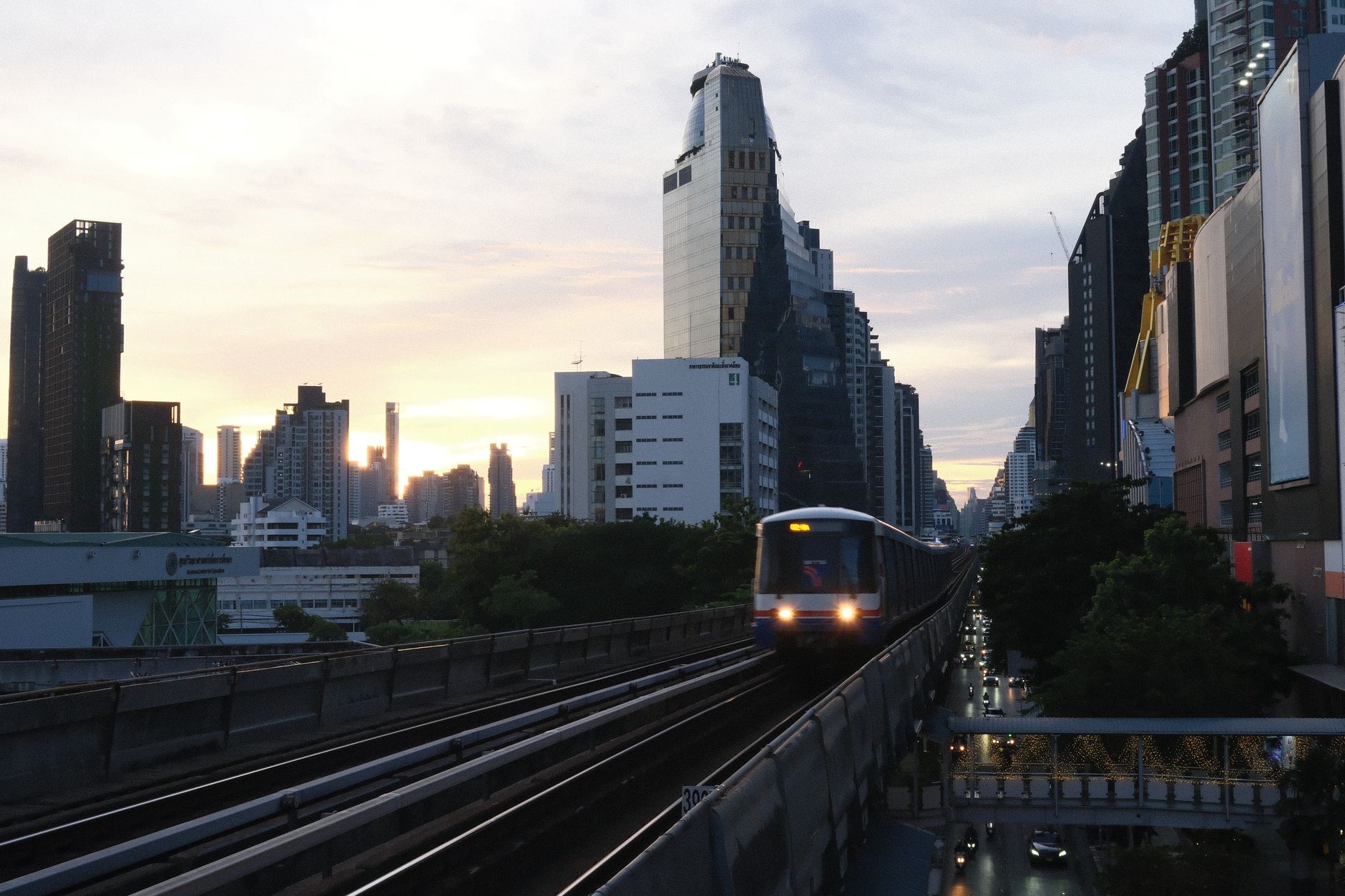
The BTS Skytrain glides through the heart of Bangkok as the sun sets behind the city's striking modern skyline.
min Thway on Pexels · Pexels License
Practical Information
Getting There
Bangkok is served by Suvarnabhumi Airport (BKK) for most long-haul flights and Don Mueang International Airport (DMK) for many low-cost regional/domestic routes. The main intercity rail hub is Krung Thep Aphiwat Central Terminal (Bang Sue), with Hua Lamphong still handling limited services and heritage-era departures. Key road links are Motorway 7 (to Pattaya/EEC), Motorway 9 (Outer Ring), Route 1 (north), Route 4 (west/southwest), and Route 35 (Rama II, toward the south).
Getting Around
As of 2026, Bangkok’s rapid transit includes BTS Skytrain (2 core lines plus Gold Line), MRT (Blue and Purple), and the Yellow/Pink monorail corridors, with fares typically around ฿17–฿59 depending on system and distance. River transport is excellent for sightseeing: Chao Phraya Express Orange Flag remains the budget favorite (about ฿15), while the Blue Tourist Boat day pass is around ฿150. There is no single citywide pass for all systems, so combine Rabbit card (BTS) with contactless/tokens on MRT and use boats or Grab/taxi for last-mile gaps in the old city.
Climate & Best Time
Spring (Mar–May) is hottest at roughly 30–36°C, summer (Jun–Aug) stays around 27–34°C with frequent storms, autumn (Sep–Nov) is wettest in Sep–Oct before easing, and winter (Dec–Feb) is driest at about 22–33°C. Peak tourism runs November to February; August to October is quieter but humidity, heavy rain, and occasional flooding can disrupt plans. For the best balance of walkability and clear skies in 2026, target late November through early February.
Language & Currency
Thai is the working language, but English is widely usable in transit hubs, malls, and major hotels; carrying your destination in Thai script still saves time with taxi drivers. Currency is Thai baht (THB), and cash is essential for street food, markets, and many small shops even in 2026. Foreign-card ATM fees are commonly high (often around ฿220 per withdrawal), so larger withdrawals and reputable exchange counters in the city usually beat airport rates.
Safety
Bangkok is generally safe for visitors, with most problems being scams and petty theft rather than violent crime. The classic trap near major sights is the “Grand Palace is closed” detour to gem shops; insist on official ticket counters and metered taxis (or ride-hailing) instead. Keep the Tourist Police number (1155) handy, and use extra caution with valuables in nightlife zones such as Nana, Patpong, and Khao San after midnight.
Where to Eat
Don't Leave Without Trying
Mont NomSod
quick biteOrder: Toasted bread with pandan custard and a cold bottle of fresh milk; add egg custard if you want the classic combo.
This is Bangkok old-school dessert culture in its purest form: simple menu, fast turnover, and generations of locals. It is one of those places where a humble toast run becomes a ritual.
The Deck by Arun Residence
fine diningOrder: Tom yum goong mae nam (river prawn soup) and soft-shell crab curry, then finish with mango sticky rice.
The Wat Arun view is the headline, but this spot is more than a view restaurant. It is one of the strongest date-night tables in Old Town when you want polished food without tasting-menu formality.
Mont Nomsod Itsaraphap
quick biteOrder: Steamed bread with pandan custard and egg custard, plus iced milk tea for balance.
Same Mont DNA, less hectic than the flagship, and great if you are exploring the Thonburi side. The texture contrast between fluffy bread and rich custard is the whole point.
Buddy Beer Wine Bar & Grill
local favoriteOrder: Grilled meats with a cold local lager; if you are hungry, add a fried rice or stir-fry plate.
Khao San can feel chaotic, and this is one of the more reliable places to sit down, eat properly, and reset. Big portions, easy energy, and long opening hours make it practical.
sala rattanakosin Bangkok
fine diningOrder: Yam talay (spicy seafood salad) and prawn skewers, then move upstairs for a signature cocktail at sunset.
This is one of Bangkok’s iconic temple-view dining addresses. It works best when you treat it as a full evening: dinner downstairs, rooftop drinks after dark.
Konnichipan Bakery
cafeOrder: Go early for almond croissant, a savory sandwich, and coffee before the top trays sell out.
Tiny, beloved, and very consistent, this is one of the best-value bakery stops in Old Town. It feels local, not staged for visitors.
Brick Bar
local favoriteOrder: A whiskey soda or local beer with spicy Thai bar snacks while the live band is on.
If you want the loud, social, late-night Bangkok bar experience, this is a proven pick. The draw is the atmosphere first, drinks second.
Thong Heng Lee Restaurant
local favoriteOrder: Shrimp pad thai and curry dishes, plus mango sticky rice if you still have room.
With its very high rating and steady local following, this is a strong meal anchor near major sights. It is the kind of place you return to because the cooking stays consistent.
Baan Wang Lang Riverside
local favoriteOrder: Order Thai mains to share with a craft beer and ask for a river-facing table.
This side of the river feels more local, and the setting gives you big Chao Phraya views without the same crowds as the main tourist bank. Great stop after Wang Lang Market wandering.
Fu Bar
local favoriteOrder: Start with a house cocktail and pair it with spicy shareable bar bites.
Ram Buttri has plenty of bars, but Fu Bar stands out for a cleaner cocktail-focused vibe. Useful when you want nightlife energy without full Khao San intensity.
Swing Bar
local favoriteOrder: Go for a classic cocktail or cold beer and a light snack platter while the skyline lights up.
A dependable rooftop option in Old Town where the view is the point. It is an easy pre- or post-dinner drink move around Giant Swing and City Hall.
Café Velodome – All day Breakfast
cafeOrder: All-day breakfast set with a buttery croissant and a latte; add pastry if you are staying awhile.
When you need a break from heavy Thai meals, this is a smart reset stop. Good coffee standards, strong breakfast game, and a relaxed daytime crowd.
Dining Tips
- check Tip by rounding up or leaving about 5-10% at casual places; upscale restaurants often add service charge already.
- check Street food and older shophouses are still cash-first, so keep small bills.
- check Many bars and hotels accept cards, but some add service charge and VAT on top.
- check Peak dinner time is around 7:00-9:00 PM; popular riverside spots are best booked in advance.
- check Lunch in Bangkok often runs earlier than in Europe; many local kitchens are busiest around 12:00-1:30 PM.
- check If you cannot handle heat, ask for 'mai phet' (not spicy), but expect some chili anyway.
- check For bars in Old Town and Khao San zones, late arrivals (after 9:30 PM) usually mean louder crowds and waits.
- check At busy local spots, shared tables and quick turnover are normal; order decisively and keep the line moving.
Restaurant data powered by Google
Tips for Visitors
Temple Dress Rules
At the Grand Palace, Wat Pho, and most major temples, shoulders and knees must be covered for all genders. Arrive in lightweight long pants or a midi skirt so you don’t waste time renting cover-ups at the gate.
Start Before 9
Bangkok’s headline temples are calmest from about 7:30-9:30am, before tour buses and peak heat. You’ll get softer light for photos and shorter queues at ticket booths.
Use Orange Boats
For old-city sightseeing, the Chao Phraya Express orange-flag boats are usually the best value at around ฿15. They’re far cheaper than many tourist boats and connect key piers for Wat Arun, Wat Pho, and Chinatown areas.
Mix Rail + River
The old city is not fully covered by BTS, so combine BTS/MRT with river ferries instead of forcing long taxi rides in traffic. A practical combo is BTS to Saphan Taksin, then boat upriver to temple zones.
Avoid Closure Scams
If someone on the street says “Grand Palace is closed today,” assume it’s a scam unless you verify at the official entrance. Go directly to the gate and check posted opening hours before changing plans.
Street Food Timing
Yaowarat (Chinatown) is best after sunset, while Pak Khlong Talat flower market is magical pre-dawn around 3-5am. Plan meals around neighborhood rhythms rather than fixed restaurant hours.
Airport Taxi Math
From BKK or DMK, official taxis add a ฿50 airport surcharge plus tolls on top of the meter. Keep small notes ready and confirm the driver uses the meter before departure.
Explore the city with a personal guide in your pocket
Your Personal Curator, in Your Pocket.
Audio guides for 1,100+ cities across 96 countries. History, stories, and local insight — offline ready.
Audiala App
Available on iOS & Android
Join 50k+ Curators
Frequently Asked
Is bangkok worth visiting? add
Yes—Bangkok is absolutely worth visiting, especially if you like cities with real contrast. In one day you can move from 18th-century royal temples to contemporary art spaces and rooftop bars, then eat world-class street food for a few dollars. Few capitals offer this much culture, transport access, and value in one place.
How many days in bangkok? add
Plan 4-6 days for a first trip. Three days covers the essentials (Grand Palace, Wat Pho, Wat Arun, Chinatown), but extra days let you explore Thonburi canals, creative districts, museums, and a day trip like Ayutthaya. Bangkok rewards slow neighborhood exploration more than checklist travel.
What is the best way to get around bangkok? add
The best strategy is mixed transport: BTS/MRT for long hops, river boats for the old city, and short taxi rides when needed. BTS and MRT are fast and air-conditioned, while Chao Phraya boats bypass road traffic entirely. During rush hour, rail is usually much faster than taxis.
How do I get from Suvarnabhumi Airport to central bangkok? add
The Airport Rail Link is usually the easiest budget option, with fares around ฿15-฿45 to Phaya Thai. Taxis are door-to-door but add meter fare, ฿50 airport surcharge, and tolls, typically totaling around ฿300-฿500 to central districts. Grab works well too, but fares vary with surge pricing.
Is bangkok safe for tourists? add
Yes, Bangkok is generally safe for most travelers, including solo visitors using normal city precautions. The most common issues are scams (especially around major sights), overcharging by non-meter taxis, and petty theft in crowded areas. Use official transport queues, keep valuables secure, and verify information at attraction entrances.
Is bangkok expensive for travelers? add
Bangkok can be very affordable, though it scales to luxury if you want it. Street meals can be cheap, public transport is low-cost, and many temples have modest entry fees compared with other global capitals. Costs rise quickly with rooftop bars, upscale malls, and premium hotels.
When is the best time to visit bangkok? add
The most comfortable season is November to February, when humidity and temperatures are lower. March to May is hottest, with April often intense unless you specifically want Songkran festival energy. Rainy season trips are still workable, but expect sudden heavy showers and plan indoor backups.
Should I use tuk-tuks in bangkok? add
Use tuk-tuks for short, fun rides—not as your default transport. They often cost more than metered taxis and are exposed to heat and traffic fumes. Always agree the price before getting in, or choose BTS/MRT/taxi for longer routes.
Sources
- verified Tourism Authority of Thailand (TAT) - Bangkok Attractions — Official attraction profiles, temple details, and district overviews used for landmark and cultural site validation.
- verified Bangkok Mass Transit System (BTS) Official Site — Used for BTS lines, operating hours, and fare structure references.
- verified Mass Rapid Transit Authority of Thailand (MRTA) — Used for MRT network and fare information.
- verified Chao Phraya Express Boat — Used for river boat routes, flag services, and indicative fares.
- verified Museum Siam — Used for museum identity, programming style, and practical visitor notes.
- verified Bangkok Art and Culture Centre (BACC) — Used for contemporary art venue context and location relevance.
Last reviewed: