Origins and Historical Significance
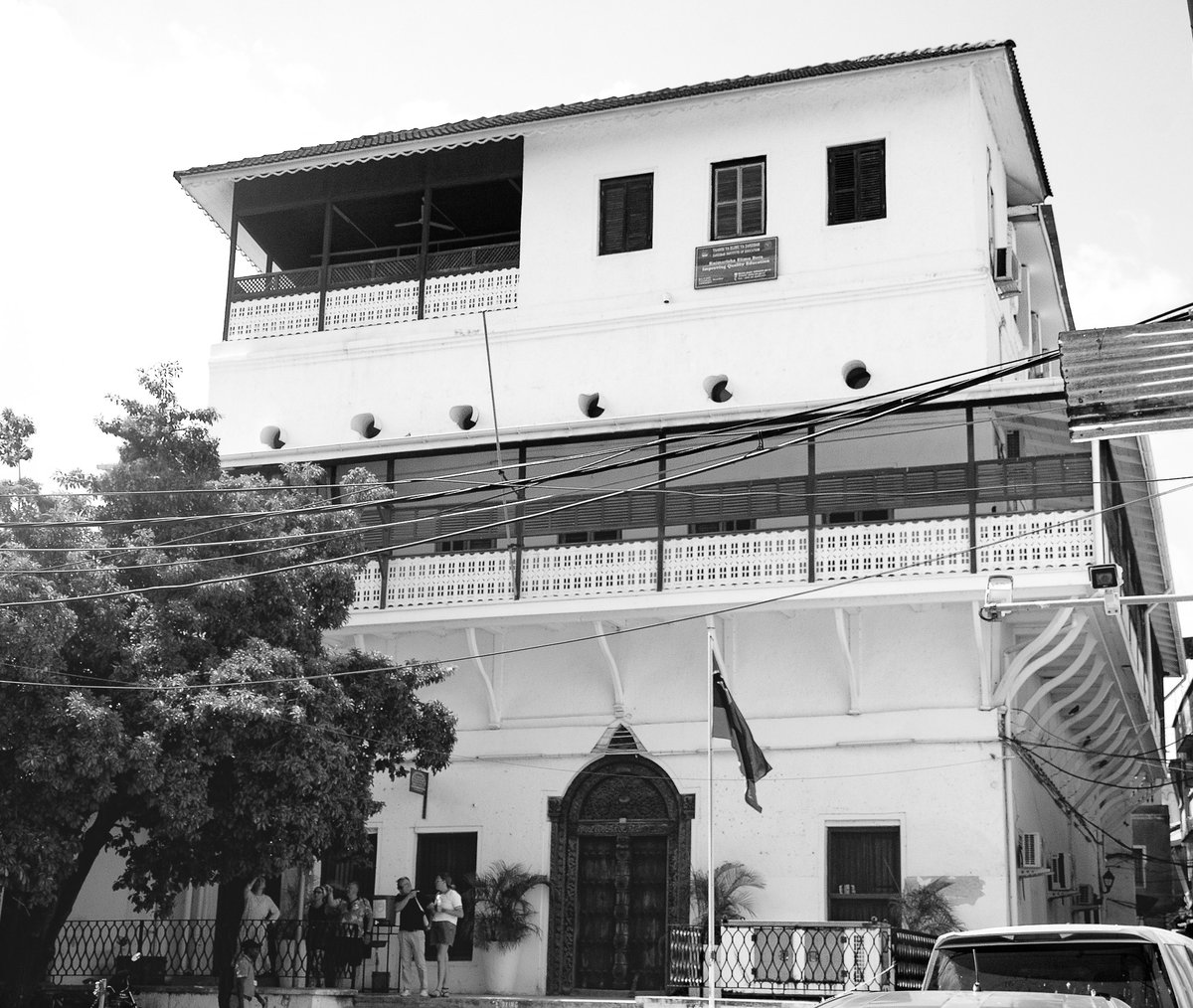
The Peace Memorial Museum was inaugurated in 1925, designed by Government Architect P.C. Harris and constructed under the direction of British consul J.H. Sinclair. Built to commemorate the peace accords following World War I, its name—"House of Peace"—symbolizes Zanzibar’s aspirations for unity and coexistence among its diverse communities (zanmuseum.go.tz). The museum was officially opened on Armistice Day by Sultan Seyyid Khalifa bin Haroub.
Initially, the museum served as a war memorial, but the scope quickly expanded to include ethnology, archaeology, and natural history. The 1927 Antiquities and Historical Sites Act established the Department of Museums and Antiquities, further cementing the museum’s role as Zanzibar’s primary custodian of heritage (zanmuseum.go.tz).
Architecture and Collections
Architectural Style
The museum’s domed structure and arched windows reflect a unique synthesis of Islamic, Indian, and European architectural influences, inspired by icons such as the Hagia Sophia and Taj Mahal (Michael Backman Ltd). Constructed primarily from coral rag stone, the building is both robust and emblematic of Stone Town’s architectural heritage. The central rotunda, with galleries radiating outward, ensures an intuitive visitor flow and abundant natural light.
The museum’s collections are thematically organized and include:
- Art and Architecture Showcasing Swahili, Arab, Indian, and European influences (discoverwalks.com).
- Pottery, Basketry, and Textiles Illustrating daily life and multicultural society.
- Wood Carving & Metalwork Including ornate doors and furniture (ourplanetinmylens.com).
- Natural History Displays of Zanzibar’s flora and fauna (zanzibar.com).
- Cultural Artifacts Items such as a 19th-century drum with Arabic inscriptions, a wooden sedan chair, and a chief’s carved chair from Lamu (Michael Backman Ltd).
Interpretive displays include real objects, photographs, explanatory texts, and some video simulations, offering a multi-sensory experience (zanmuseum.go.tz).
Exhibitions and Highlights
- The Spice Trade Zanzibar’s role as a hub in global spice commerce, depicted through artifacts, maps, and photographs.
- The Slave Trade Shackles, personal stories, and documents confronting this painful history.
- Colonial to Modern Eras Archival photos and documents trace Zanzibar’s transition from sultanate to British rule and eventual independence.
- Peace and Reconciliation Displays focused on the island’s ongoing journey toward coexistence (Evendo).
The museum regularly updates temporary exhibits and hosts cultural events, lectures, and workshops.
Practical Visitor Information
Visiting Hours
- Open Daily, 9:00 AM – 5:00 PM (last entry at 4:30 PM)
- Note As of June 2025, the museum may be temporarily closed for renovations. Always check official sources for the latest updates (Trip.com).
Tickets and Admission
- Adults 10,000 TZS (~$4.30 USD)
- Children (under 12) 5,000 TZS (~$2.15 USD)
- Students and Seniors 7,000 TZS (~$3 USD, with valid ID)
- Payment Onsite, cash in Tanzanian Shillings is recommended as credit cards may not be accepted. Advanced booking is recommended during peak seasons.
Accessibility
- The museum is generally wheelchair accessible, with ramps and accessible restrooms. However, as a historic building, some areas may present challenges—contact the museum in advance for details (Lonely Planet).
Guided Tours and Events
- Guided Tours Offered daily at 10:00 AM and 3:00 PM in English and Swahili.
- Special Events Lectures, workshops, and temporary exhibitions occur periodically—check the museum’s website or social media channels for updates (Evendo).
Travel Tips
- Best Time to Visit Mornings and late afternoons are quieter; the dry season (June to October) is most comfortable (Easy Travel).
- Dress Code Modest, breathable clothing and comfortable footwear.
- Cash Bring small denominations of Tanzanian Shillings.
- Photography Permitted in most areas without flash; always confirm with staff.
- Safety Stone Town is generally safe, but remain vigilant in crowded areas (Easy Travel).
Nearby Attractions
Enhance your visit by exploring other notable Stone Town sites within walking distance:
- House of Wonders (Beit-el-Ajaib) Former Sultan’s palace, now a museum of Swahili culture.
- Old Fort (Ngome Kongwe) 17th-century fortress hosting events and markets.
- Sultan’s Palace Museum (Beit-el-Sahel) Former royal residence.
- Anglican Cathedral Built on the site of the old slave market.
- Darajani Market Bustling local market for spices and crafts.
- Freddie Mercury Museum Commemorating the Queen frontman’s Zanzibar origins (Anna Everywhere, Anja on Adventure).
Cultural and Educational Value
The Peace Memorial Museum not only preserves artifacts but also fosters peace, dialogue, and community engagement. Through educational programs, public lectures, and collaborations with local schools and organizations, the museum plays a key role in promoting cultural understanding and heritage stewardship (zanmuseum.go.tz).
Frequently Asked Questions (FAQ)
Q: What are the opening hours?
A: Daily from 9:00 AM to 5:00 PM, last entry at 4:30 PM. Check the official website for updates, especially during renovation periods.
Q: How much do tickets cost?
A: Adults: 10,000 TZS; children: 5,000 TZS; students/seniors: 7,000 TZS.
Q: Is the museum wheelchair accessible?
A: Most areas are accessible, but some parts may have steps or uneven flooring. Contact the museum for assistance.
Q: Are guided tours available?
A: Yes, daily at 10:00 AM and 3:00 PM in English and Swahili.
Q: Can I take photographs?
A: Yes, but avoid flash and check for any restrictions with museum staff.
Q: Is there a shop or café?
A: There is a small shop selling books and crafts; no café onsite.