Historical Background: Zanzibar and the Slave Trade
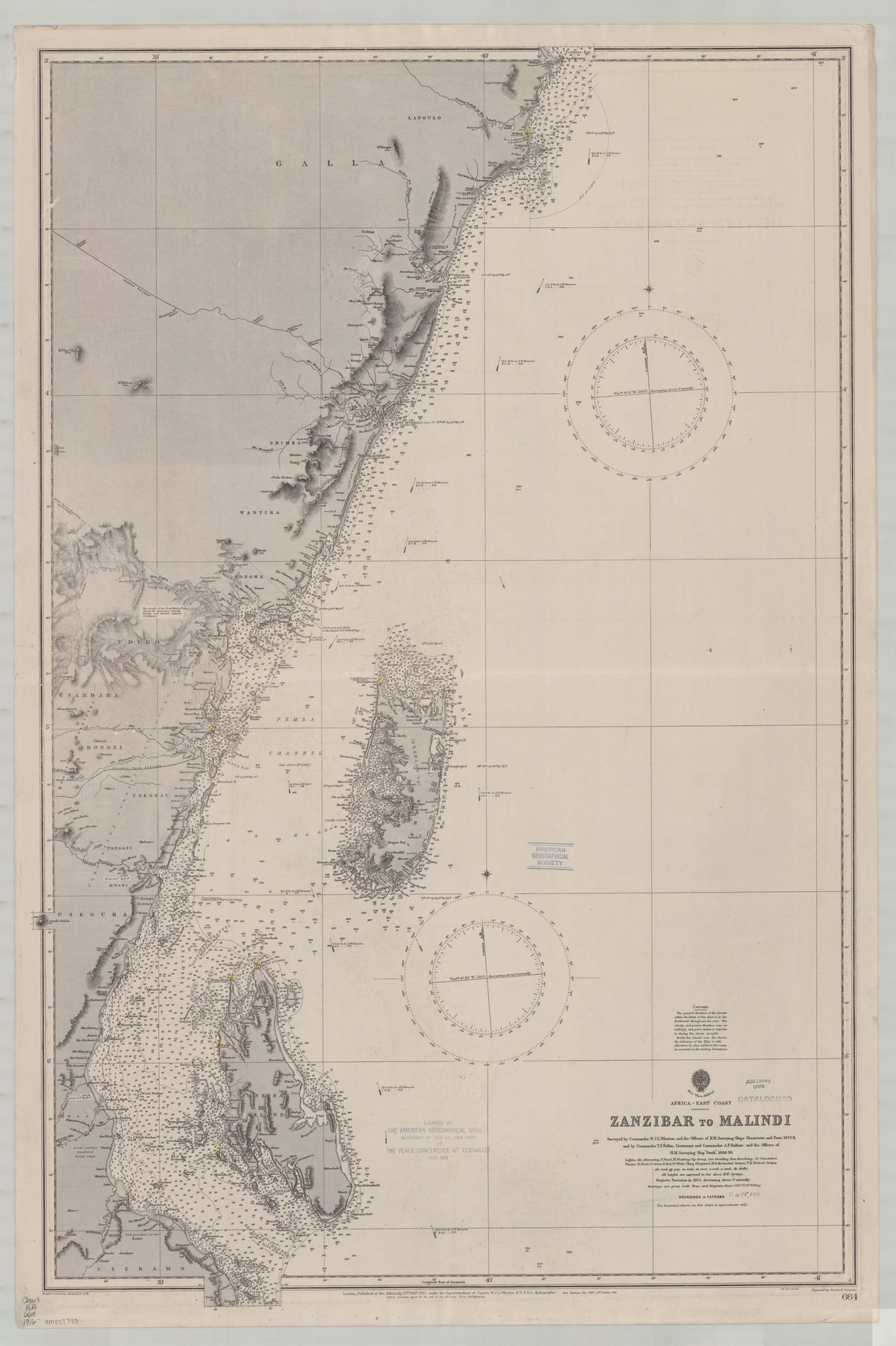
Zanzibar’s strategic position in the Indian Ocean made it a major slave trading hub from the 17th through the 19th centuries. By the mid-1800s, Stone Town had become East Africa’s largest slave market, funneling tens of thousands of enslaved Africans to destinations in the Middle East, North Africa, and Indian Ocean islands. The rise of clove plantations and the ivory trade under Omani Arab rule dramatically increased the demand for slave labor (africanlanders.com; nataniatravel.com).
Enslaved individuals were typically captured far inland, forced on brutal marches to the coast, and held in cramped, airless chambers beneath the slave market before being auctioned. At its peak, up to 50,000 people passed through Zanzibar each year. The market was finally closed in 1873, following strong British abolitionist pressure (nataniatravel.com).
The Memorial Sculpture
At the heart of the memorial stands a group of life-sized stone sculptures, created by Swedish sculptor Clara Sörnäs in 1998. The figures—men and women—are chained by the neck with original iron shackles, standing in a sunken pit below ground level. This powerful arrangement forces visitors to look down upon the sculptures, confronting the dehumanizing reality of slavery (growingupwithoutborders.com).
Underground Slave Chambers
Visitors can descend into preserved slave chambers beneath the site where up to 70 people were held at a time, often in appalling conditions for days before auction (zanzibarsafaristours.com). Original chains and iron fastenings remain visible, providing a visceral connection to the past.
Anglican Cathedral of Christ Church
Built in 1879 atop the former market, the Anglican Cathedral’s altar marks the location of the whipping post. The cathedral, with its distinctive architecture, symbolizes the end of the slave trade and a transition toward reconciliation. Inside, a wooden cross carved from the tree where Dr. David Livingstone’s heart was buried honors his abolitionist work (zanzibarsafaristours.com).
Exhibition Center
A small museum adjacent to the cathedral displays documents, photographs, and artifacts relating to the history of slavery in East Africa, providing context and personal stories (wildlifesafaritanzania.com).
Visiting Information: Hours, Tickets, Accessibility
- Location New Mkunazini Road, central Stone Town, adjacent to the Anglican Cathedral (Zanzibar Tourist Guide).
- Opening Hours Generally open daily from 8:00 AM to 6:00 PM. The cathedral may open from 10:00 AM; check locally for updates (Travel the World Pages).
- Tickets Entry costs between 10,000–12,000 Tanzanian Shillings (approx. $5 USD) for foreign visitors. The ticket includes access to the memorial, museum, slave chambers, and cathedral. Additional fees may apply for guided tours (Travel the World Pages).
- Accessibility The memorial grounds and cathedral are wheelchair accessible, but the underground slave chambers may be difficult for visitors with mobility challenges due to narrow stairs and low ceilings.
- Facilities Restrooms and refreshments are available nearby. The area is pedestrian-friendly and close to other Stone Town attractions.
Guided Tours and Interpretation
While self-guided visits are possible, hiring a local guide is highly recommended. Guides offer detailed historical background, personal narratives, and can answer specific questions. Tours last 30–60 minutes, cost around $5–10 USD, and can be booked at the entrance or through hotels and tour operators (ourplanetinmylens.com; Zanzibar Tourist Guide).
Some tours include additional sites, such as Livingstone House or the Maruhubi Palace ruins (Tanzania Tourism).
Nearby Attractions in Stone Town
The Slavery Memorial is centrally located in Stone Town, a UNESCO World Heritage Site. Nearby attractions include:
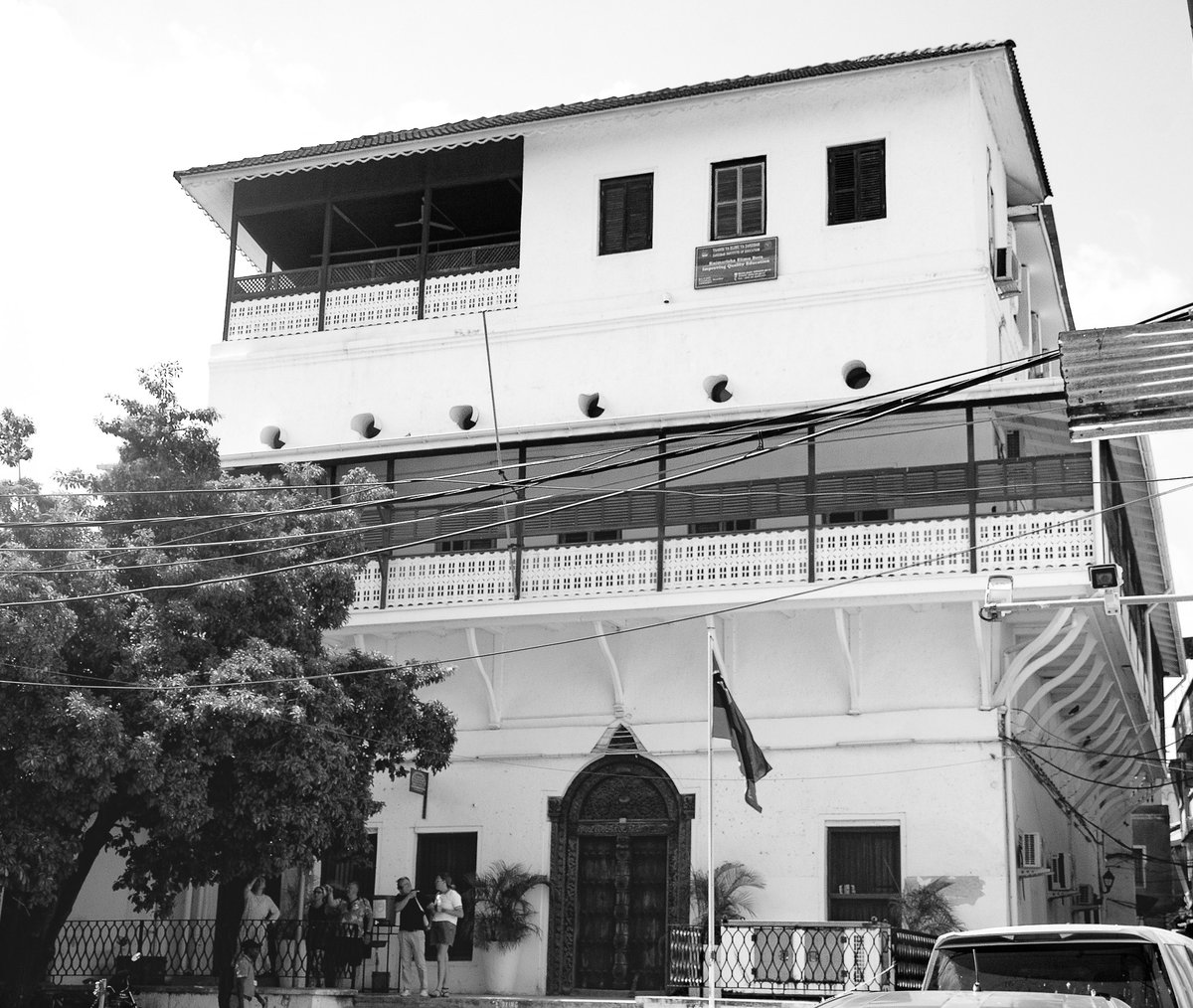
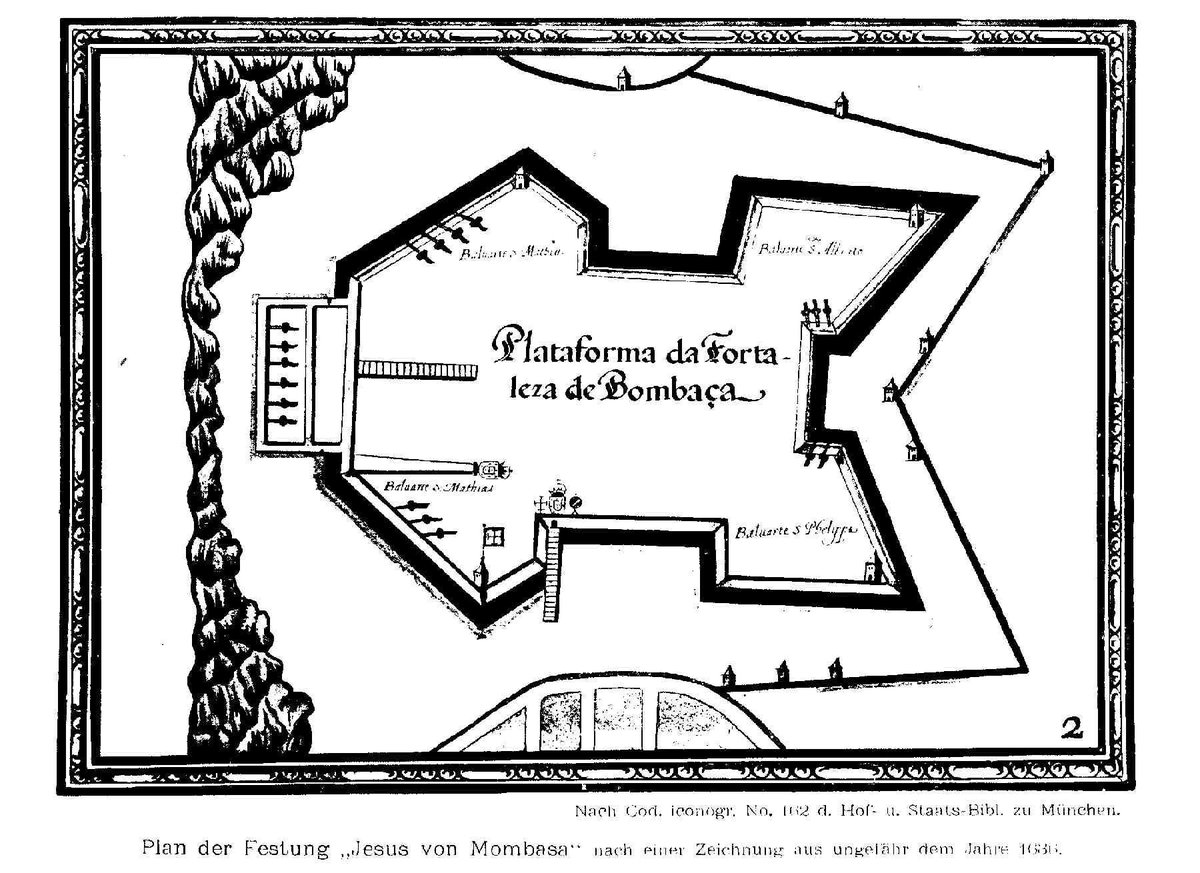
- Old Fort – Historic fortification and cultural center
- House of Wonders – Former sultan’s palace, now a museum
- Forodhani Gardens – Waterfront park and night food market
- Livingstone House – Linked to the abolitionist explorer
- Maruhubi Palace Ruins – 19th-century royal residence (Travel the World Pages; storiesofraku.com)
Travel Tips and Practical Considerations
- Best Time to Visit Dry season (June–October) offers comfortable weather.
- Dress Code Modest attire is recommended, especially inside the cathedral (covered shoulders and knees).
- Photography Allowed, but be respectful in solemn areas.
- Emotional Impact The memorial is a place of reflection; allow time to process your experience.
- Payment Fees can be paid in Tanzanian Shillings or US Dollars; carry small denominations.
- Duration Plan 30–60 minutes for the memorial, longer with a guided tour.
- Safety Stone Town is generally safe. Stay aware of your belongings in crowded areas (Easy Travel).
Annual Events and Commemorations
The memorial is the site of ceremonies for the UN International Day of Remembrance of the Victims of Slavery and the Transatlantic Slave Trade, held in March. Educational programs and commemorations are organized throughout the year (IPP Media).
Frequently Asked Questions (FAQ)
Q: What are the opening hours for the Slavery Memorial?
A: Generally 8:00 AM–6:00 PM daily, but verify locally as times may vary.
Q: How much are tickets?
A: 10,000–12,000 Tanzanian Shillings (approx. $5 USD), including access to the memorial, museum, and cathedral.
Q: Are guided tours available?
A: Yes, for an additional fee; they are highly recommended.
Q: Is the site accessible for people with disabilities?
A: Main areas are accessible, but the underground chambers may present challenges.
Q: Can I take photographs?
A: Yes, but please be respectful, especially in the most solemn areas.
Q: What else can I visit nearby?
A: The House of Wonders, Old Fort, Forodhani Market, Livingstone House, and Maruhubi Palace ruins are all nearby.