Early History and Swahili Foundations
Stone Town, the historical nucleus of Zanzibar City, began as a Swahili settlement in the 10th century CE. The region—including present-day Rahaleo—emerged as a hub for trade between Africa, Persia, Arabia, and India (Atlas Obscura). The Shirazi Persians left a lasting imprint, evident in the architectural and social traditions that persist today.
The Rise of Stone Town: Trade, Slavery, and Urban Growth
By the 15th century, Stone Town was a thriving port. Portuguese rule in the 16th and 17th centuries gave way to Omani Arab dominance in 1698, when Zanzibar became the Omani sultans’ East African capital (Wikipedia). The spice and slave trades fueled rapid urban growth, and Rahaleo became both a residential and commercial hub. The 19th century saw Stone Town infamously become a major slave market, with Rahaleo and neighboring districts housing traders and local elites (UNESCO; WeAreZanzibar).
Colonial Era and Architectural Transformation
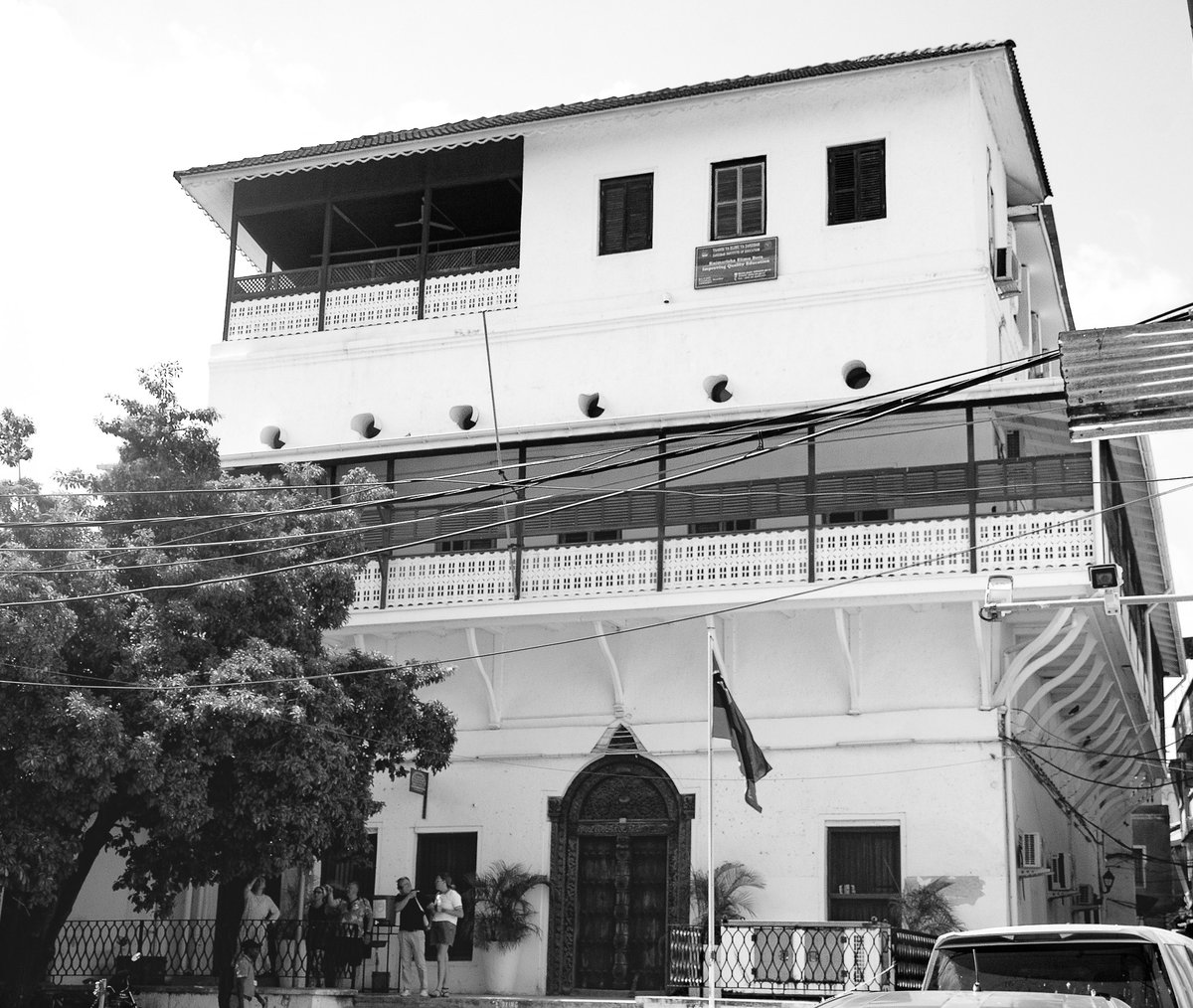
Stone Town became a British protectorate in 1890, shifting the local economy toward the spice trade after the 1873 abolition of slavery (UNESCO). Rahaleo saw the construction of administrative buildings, schools, and religious sites, blending Swahili, Arab, Indian, and European architectural styles. Notable features include carved wooden doors, Indian-style shopfronts, balconies, and fretwork. Key landmarks like the House of Wonders, Old Fort, and Anglican Cathedral are all within easy reach of Rahaleo (ZanzibarWorld).
Rahaleo’s Place in Stone Town’s Urban Fabric
Rahaleo is a traditional mtaa (neighborhood) that has long been home to Swahili, Arab, and Indian families. Its coral-stone houses and narrow, shaded streets are adapted to the tropical climate (UNESCO). Located near the Old Dispensary, Darajani Market, and Anglican Cathedral, Rahaleo is both a lively corridor and a peaceful retreat within bustling Stone Town. Its markets, eateries, mosques, and schools illustrate daily life and community resilience (WeAreZanzibar).
Visitor Information: Tickets, Visiting Hours & Tours
Visiting Hours
- Most museums and historical sites: 8:00 AM – 5:00 PM (some close for lunch between 12:00 PM and 1:00 PM)
- Darajani Market: Early morning – late afternoon
- Rahaleo: Open access during daylight hours (typically 8:00 AM – 6:00 PM)
Tickets and Entry Fees
- House of Wonders, Old Fort:
10,000 TZS ($4 USD) for adults - Tickets available onsite and via authorized operators
- Rahaleo: No entry fee; guided tours may have fees
Guided Tours and Special Events
- Guided walking tours of Rahaleo and Stone Town are highly recommended for historical and cultural context (ZanzibarWorld)
- Special events and festivals: Check local listings and visitor centers
Photographic Spots
- Zanzibari carved doors, coral stone architecture, bustling markets
- Best light: Early morning or late afternoon
- Always ask permission before photographing people or private residences
Accessibility
- Stone Town is a 15-minute drive from Zanzibar International Airport, or accessible by ferry from Dar es Salaam
- Many streets are narrow and uneven, but some sites offer wheelchair access—check in advance
Cultural Significance and UNESCO Recognition
Stone Town was declared a UNESCO World Heritage Site in 2000 for its unique blend of Swahili, Arab, Persian, Indian, and European cultures (UNESCO). Rahaleo remains vital to this heritage, preserving traditions such as Ramadan festivities and the daily call to prayer. The Anglican Cathedral and slave memorial serve as powerful reminders of Stone Town’s role in the history of slavery and emancipation (ZaraTours).
Conservation Challenges and Community Life
Stone Town’s historic buildings, including those in Rahaleo, face threats from sea-level rise, saltwater intrusion, and the fragility of coral stone (Wikipedia). The 1994 Stone Town Conservation and Development Act and restoration projects by the Aga Khan Trust for Culture are helping, though rising costs and gentrification threaten community stability (Travel Essence Magazine).
Cultural Experiences and Community Life
Markets and Artisan Workshops
Rahaleo’s markets and workshops showcase traditional crafts such as woodcarving, basket weaving, and textiles. Visitors can purchase souvenirs and interact with artisans (Easy Travel).
Culinary Exploration
Sample local specialties like Zanzibar pizza, urojo, and mishkaki at Rahaleo’s markets and food stalls. Guided food tours are available, highlighting the area’s legendary spices (Easy Travel).
Religious and Social Sites
Rahaleo is home to several mosques and community centers. While some mosques restrict non-Muslim entry, respectful observation is welcome. Community centers host events, music performances, and language classes.
Key Attractions and Architectural Highlights
Zanzibari Doors
Rahaleo is recognized for its hand-carved doors, some over 200 years old, featuring Swahili, Arabic, and Indian motifs—each telling a unique story (Architect Russell).
Colonial and Omani-Era Buildings
Many structures date to the Portuguese, Omani, and British periods, with signature balconies, arched doorways, timber ceilings, and stained glass (Architect Russell).
Proximity to Major Landmarks
- Old Slave Market & Anglican Cathedral Guided tours from 8:00 AM – 6:00 PM; ~$5 entrance fee
- House of Wonders & Old Fort Open 9:00 AM – 5:00 PM;
10,000 TZS ($4 USD) entry (Architect Russell)
Souvenir Shopping
Family-run shops offer hand-carved chests, jewelry, and textiles (Easy Travel).
Practical Visitor Tips
- Use guided walking tours or GPS for easier navigation
- Dress modestly, especially near religious sites and during Ramadan
- Best times to visit: June–October and December–February (dry seasons)
- Support sustainable tourism by choosing community-based initiatives and eco-lodges
- Learn basic Swahili phrases for better local interaction (We Will Nomad)
Annual Events and Festivals
Rahaleo is an active participant in Stone Town’s festival calendar, including the Zanzibar International Film Festival (ZIFF) and Sauti za Busara music festival, bringing the streets alive with music, art, and food.
Frequently Asked Questions (FAQ)
What are visiting hours for Rahaleo and Stone Town sites?
Most operate 8:00 AM – 5:00 PM; Rahaleo’s streets are accessible during daylight.
Are tickets required?
No ticket for Rahaleo itself; museums and key sites require entry fees.
Are guided tours available?
Yes, daily walking and food tours can be booked locally or online.
Is Rahaleo accessible for people with disabilities?
Accessibility is limited due to narrow, uneven streets, but some sites offer assistance.
Can I take photos?
Photography is encouraged for architecture and markets; always ask before photographing people.
Summary and Final Tips
Rahaleo and Stone Town offer a unique window into Zanzibar’s rich cultural and historical tapestry. From Swahili and Shirazi Persian roots through Portuguese, Omani, and British eras, these neighborhoods blend architectural marvels with vibrant community life. There are no entry fees for Rahaleo, though guided tours provide deeper context and access to nearby attractions such as the Old Fort, House of Wonders, and Anglican Cathedral. Respect local customs, support sustainable tourism, and use resources like the Audiala app for an enriched, responsible visit. Rahaleo and Stone Town are living narratives—embrace their stories and traditions during your journey (UNESCO; AA News; ZanzibarWorld).