
Princess Salme: Early Life and Royal Heritage
Born in 1844 at the opulent Beit el Mtoni palace, Princess Salme was the youngest of at least 36 children of Sultan Said bin Sultan and his Circassian concubine, Jilfidan (Wikipedia). Raised amid the splendor and intrigue of Zanzibar's royal court, Salme received an unconventional education—learning Arabic, Swahili, riding, and even secretly teaching herself to write, a rarity for women of her era (FlipHTML5). Her childhood was spent in various royal residences, including the Mtoni Palace and the Hamamni Persian Baths, reflecting the diverse influences that shaped her upbringing.
Defiance and Exile
Salme’s adolescence was marked by family conflict and political intrigue. After supporting a failed coup, she faced exile before making her most defining decision: eloping with German merchant Rudolph Heinrich Ruete in 1866 (Lonely Planet). She converted to Christianity, adopted the name Emily Ruete, and moved to Hamburg, Germany, where she raised three children. This act of defiance symbolized her rejection of royal conventions and highlighted the broader cultural tensions of her time.
Literary Legacy and Memoirs
After being widowed in 1877, Emily Ruete authored "Memoirs of an Arabian Princess from Zanzibar" (1886), the first known autobiography by an Arab woman (Archive.org). Her writings provide a rare first-person account of palace life, women's roles, and the social landscape of the Zanzibar Sultanate. The memoir and her correspondence with European intellectuals offer invaluable perspectives on identity, migration, and cross-cultural exchange.
The Museum's Cultural and Historical Significance
The Princess Salme Museum not only preserves Salme’s legacy but also serves as a hub for dialogue on women’s history, multicultural heritage, and the evolution of Zanzibar as a major trading and cultural center. Its exhibitions contextualize the decline of the Omani Sultanate, the onset of European colonialism, and the transformation of Zanzibar into a British protectorate (FlipHTML5). The museum also fosters discussions on women’s empowerment, tolerance, and the negotiation of identity in a globalized world (UNESCO).
Visiting Information: Hours, Tickets & Accessibility
Location & Getting There
- Address 236 Hurumzi Street, Stone Town, Zanzibar (Destinations AI)
- Easily accessible by foot from Stone Town’s main landmarks, the ferry terminal, and local transportation.
Visiting Hours
- Open Tuesday to Sunday, 9:00 AM – 5:00 PM (last entry at 4:30 PM)
- Closed Mondays and public holidays
- Note Confirm visiting hours on the official website prior to your visit.
Ticket Prices
- Adults 10,000 Tanzanian Shillings (~$4 USD)
- Children under 12 Free
- Guided tours Additional 5,000 Tanzanian Shillings
- Tickets are sold on-site; online booking is not yet available.
Accessibility
- The historic structure presents some limitations (narrow stairs and doorways), but staff are available to assist visitors with mobility challenges. Advance notice is recommended.
Museum Architecture and Exhibition Highlights
Architectural Structure
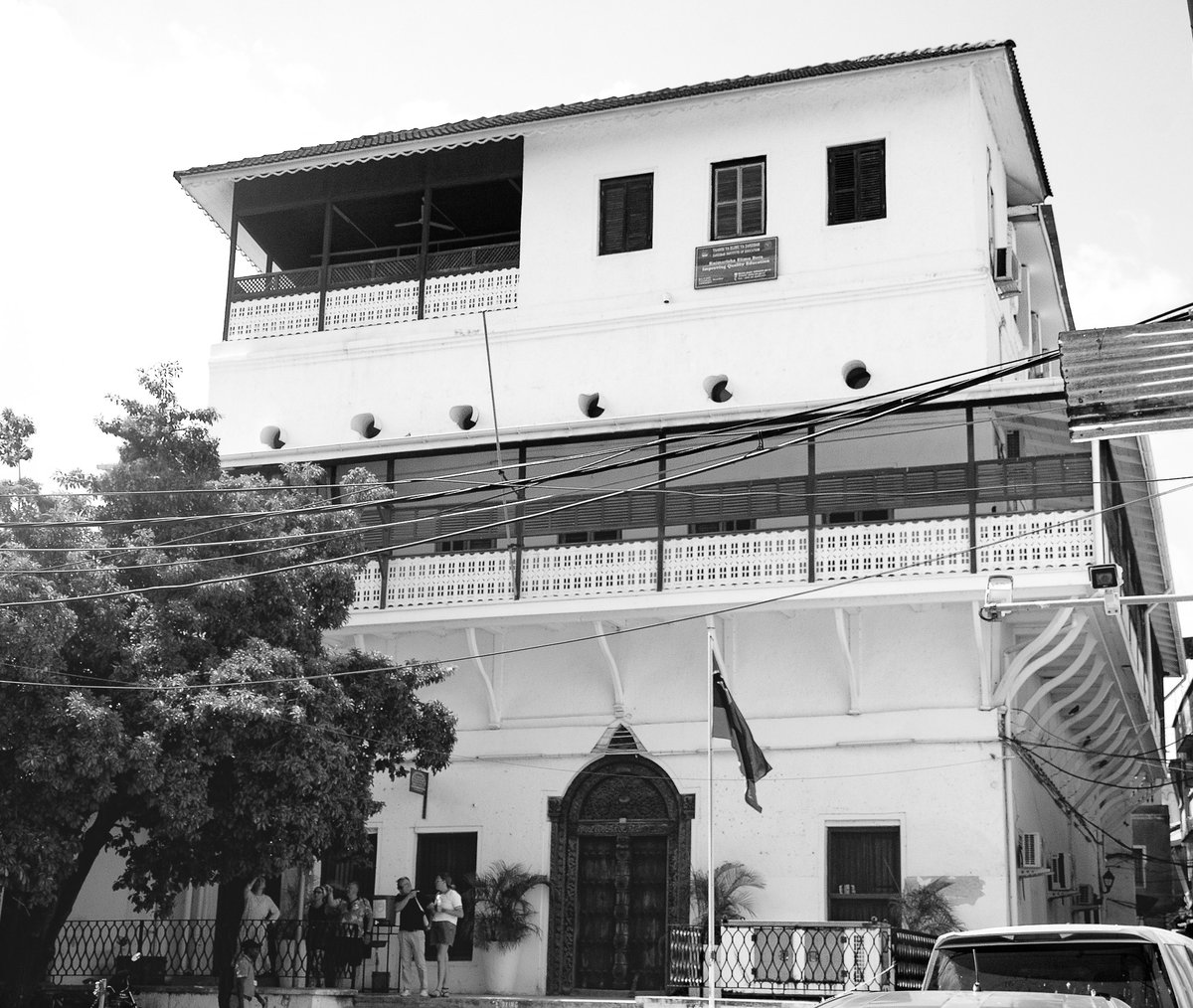
The museum occupies a classic coral stone building with thick walls, intricate wooden doors, and high ceilings, reflecting the fusion of Swahili, Arab, Persian, and European architectural influences (Destinations AI).
Exhibition Spaces & Collections
- Personal Artifacts Clothing, jewelry, household items, and original manuscripts (The Citizen).
- Memoirs and Letters Facsimiles and originals of Salme’s autobiography and correspondence (Biblioteca Natalie).
- Photographs Rare images of the royal family and Stone Town in the 19th century.
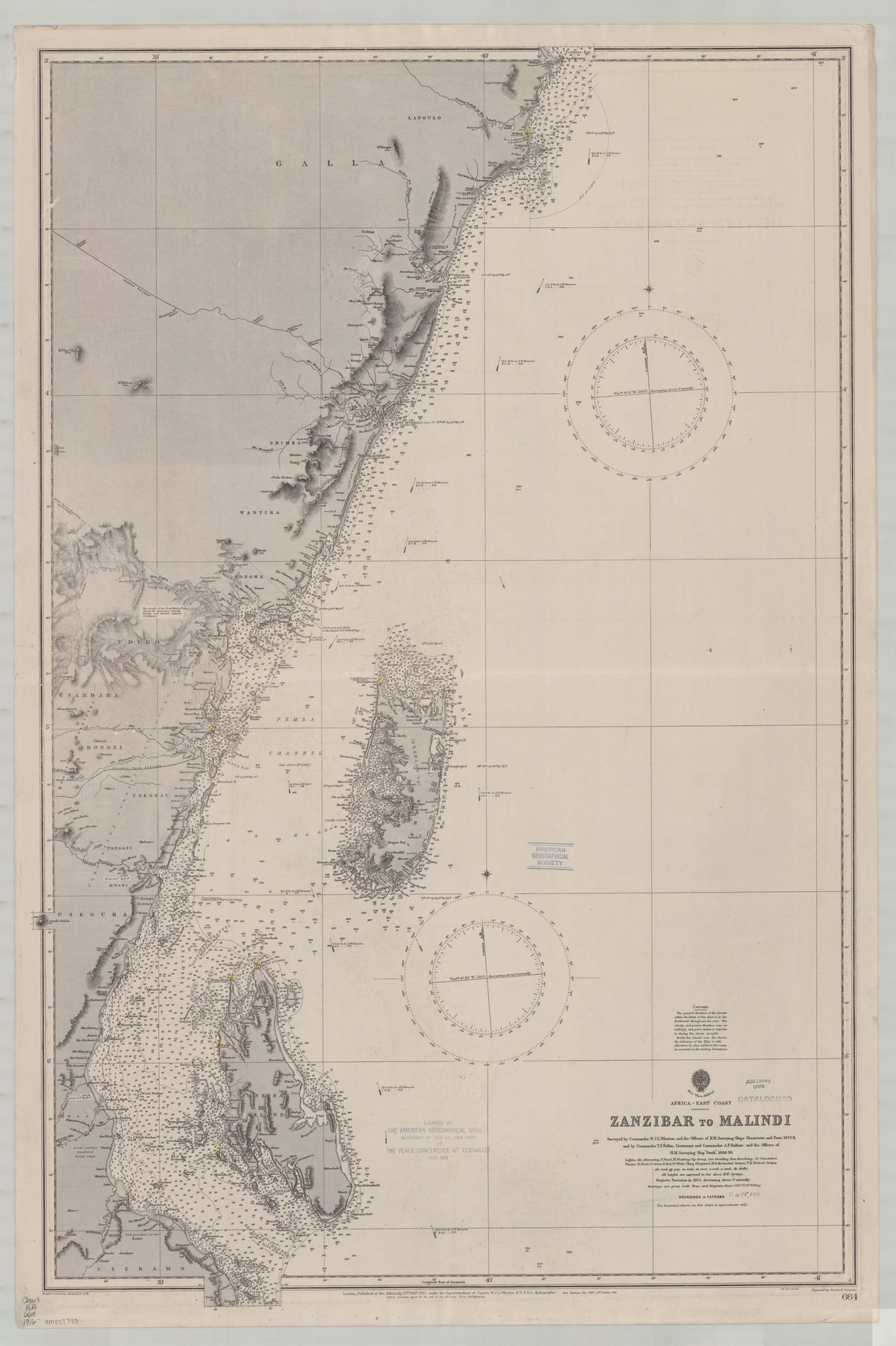
- Omani Empire Artifacts Ceremonial items and maps illustrating Zanzibar’s role in regional trade.
- "Her Story" Collection Interactive exhibits amplifying women’s voices from Zanzibar’s past and present.
- Multimedia Displays Films, timelines, and virtual reality experiences to deepen engagement.
Visitor Experience: Tours, Photography, and Amenities
Guided Tours
- Offered in English and Swahili, typically on the hour between 10:00 AM and 3:00 PM.
- Enhance the visit with rich historical context and personal stories.
Photography
- Non-flash photography is welcome in most areas, with some restrictions in the memorial zone.
Amenities
- Nearby hotels: Princess Salme Inn and other accommodations within walking distance (Biblioteca Natalie).
- Cafés, restaurants, and shops are plentiful in the surrounding Hurumzi neighborhood.
Best Times to Visit
- Early mornings or late afternoons on weekdays are recommended for a quieter experience.
- The dry season (June–October, December–February) offers the most comfortable climate for exploring Stone Town.
Related Historical Sites in Stone Town
Enrich your cultural itinerary by visiting:
- House of Wonders Iconic palace and museum
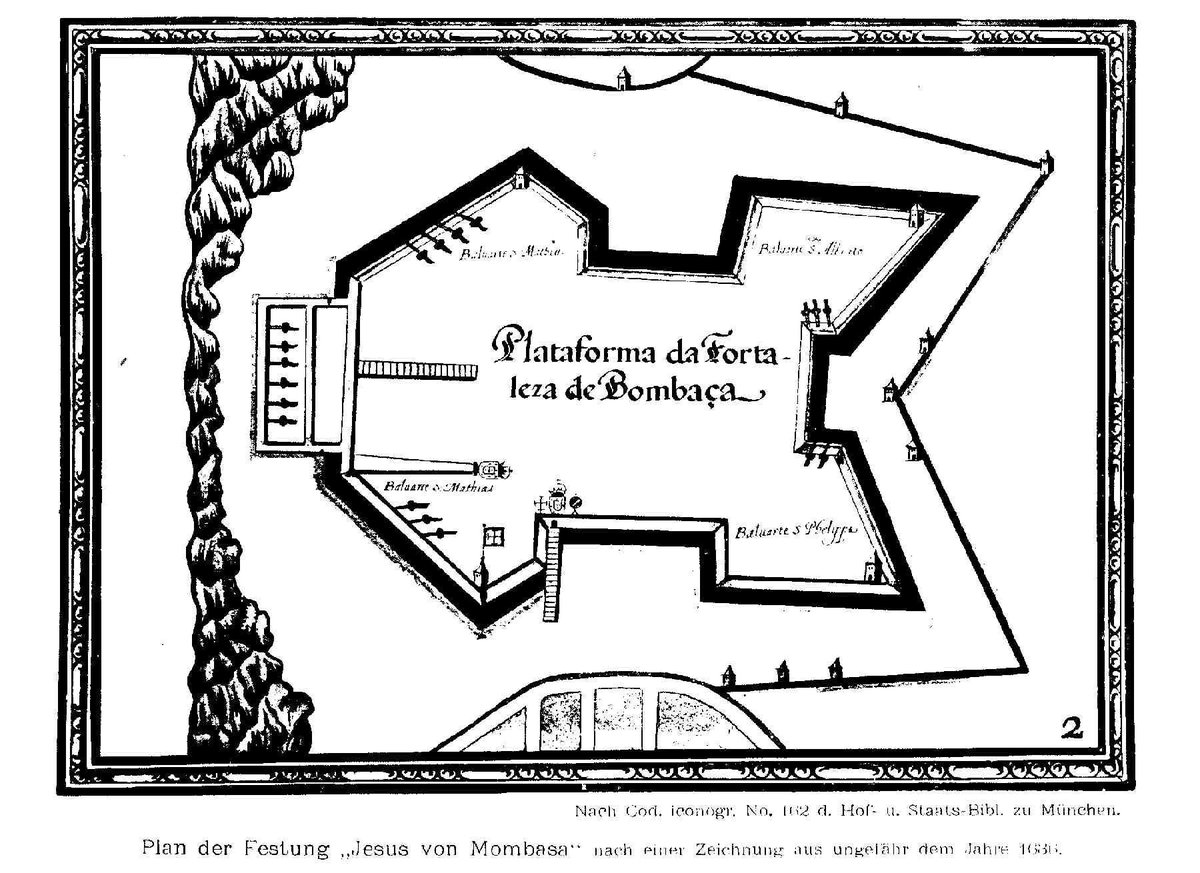
- Old Fort 17th-century fortress
- Forodhani Gardens Popular waterfront market
- Palace Museum Features a room dedicated to Princess Salme
Find more travel tips and guides to these attractions in our related articles.
Frequently Asked Questions (FAQ)
Q: What are the Princess Salme Museum visiting hours?
A: Tuesday to Sunday, 9:00 AM – 5:00 PM; closed Mondays and public holidays.
Q: How much are tickets?
A: Adults: 10,000 TZS; children under 12: free; guided tours: 5,000 TZS extra.
Q: Are guided tours available?
A: Yes, offered daily in English and Swahili.
Q: Is the museum accessible for visitors with disabilities?
A: Some areas are limited due to the historic building, but staff provide assistance on request.
Q: Can I buy tickets online?
A: Currently, tickets are only available on-site.
Q: Is photography allowed?
A: Yes, except for flash in certain sensitive areas.
Discover More
For up-to-date information, special events, and interactive guides, download the Audiala app and follow us on social media. Stay informed about exhibitions and educational programs, and make the most of your Zanzibar journey.