Swahili Origins and Early Foundations
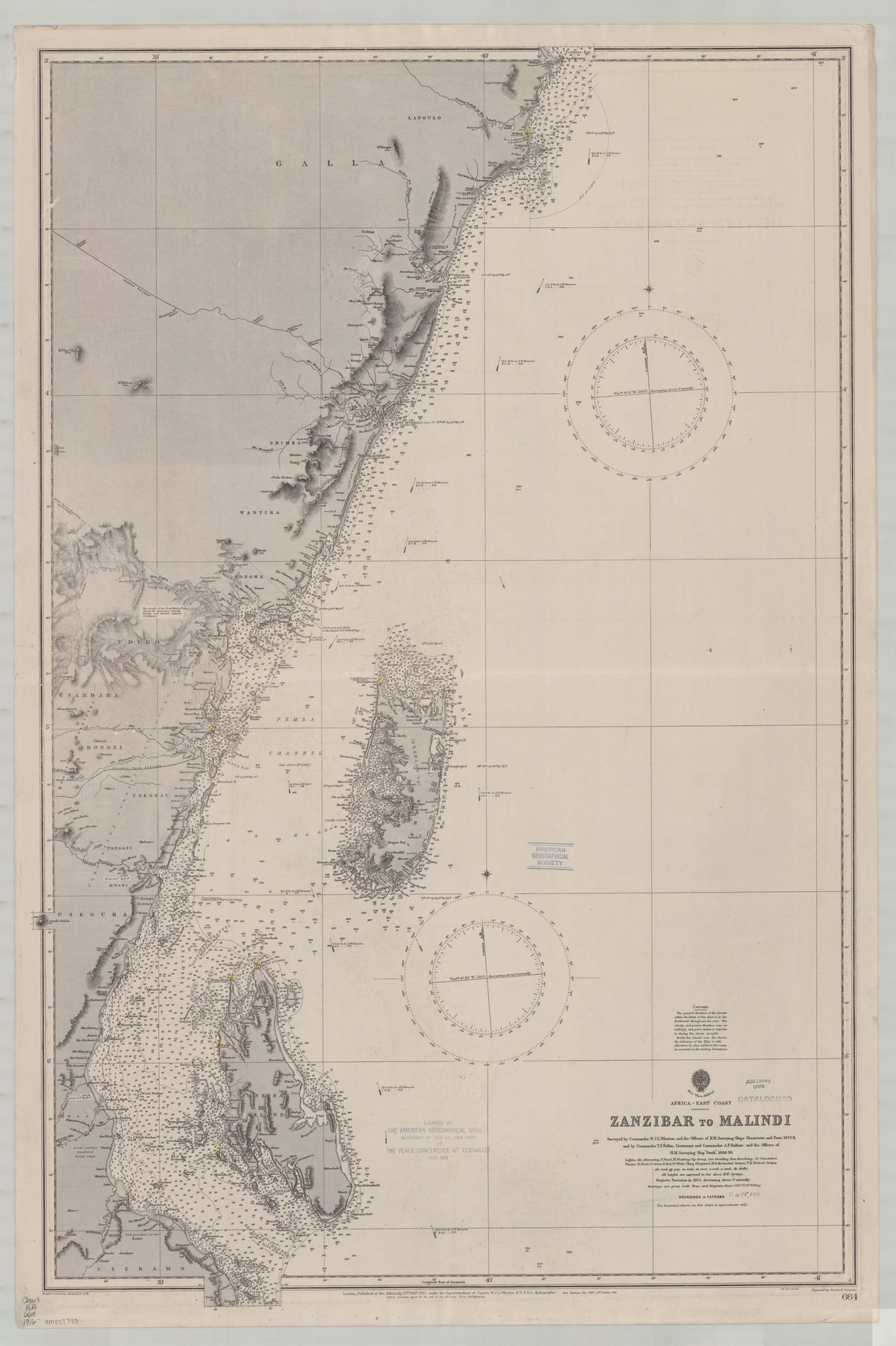
Stone Town’s roots trace back to 10th-century Swahili settlements along the East African coast. The settlement flourished due to its strategic location on the Indian Ocean trade routes, attracting merchants from Arabia, Persia, and India (Wikipedia).
Arab, Persian, and Omani Influences
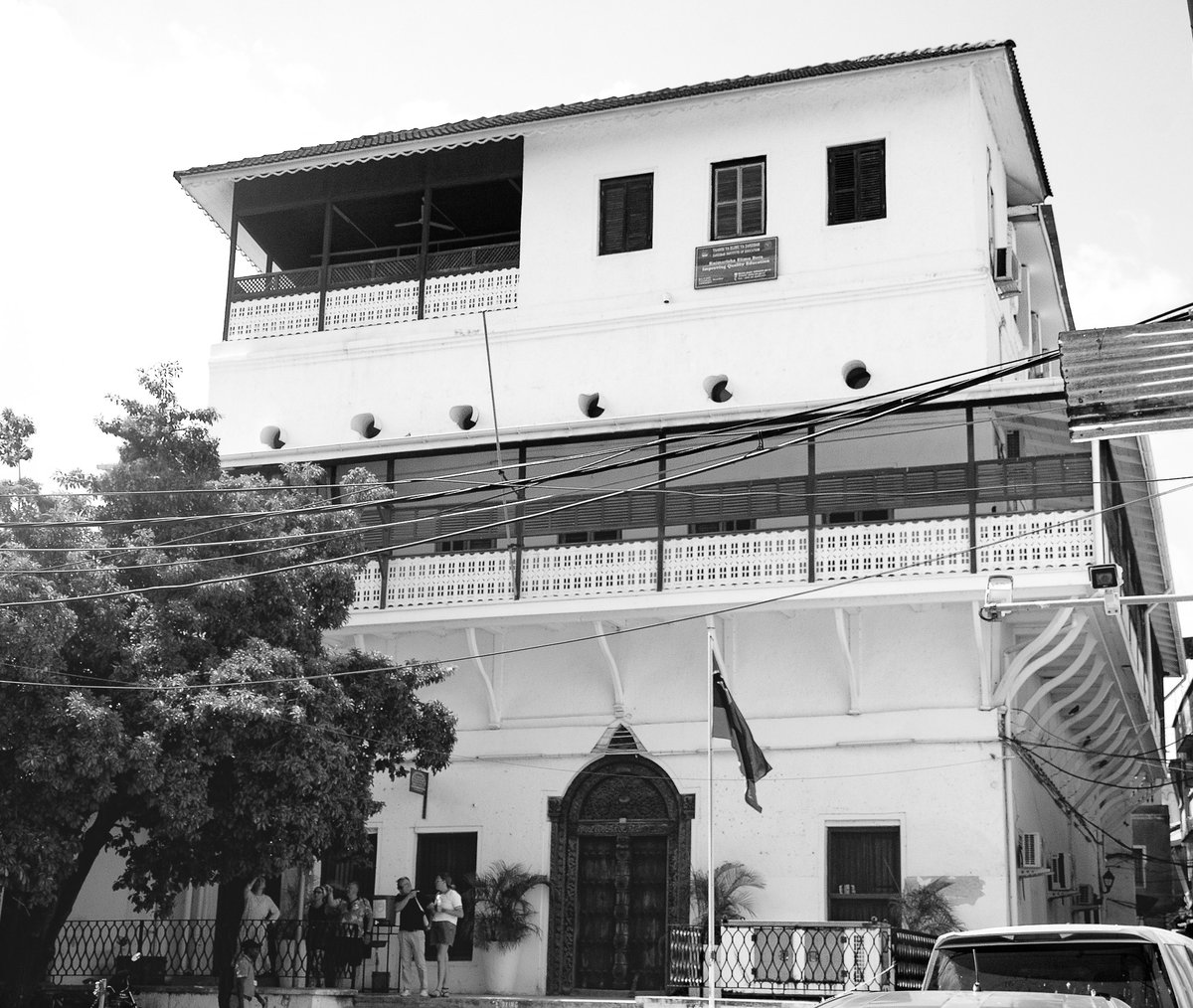
By the 11th century, Arab and Persian traders established themselves in Zanzibar. The Shirazi Persians and later Omani Arabs shaped the town’s urban design, governance, and culture. Omani rule, established in 1698, transformed Stone Town into the capital of the Zanzibar Sultanate and a major center for the trade of spices, ivory, and enslaved people. Many of Stone Town’s oldest buildings, including the Old Fort and seafront palaces, date from this period (TheUrgeToWander; HappyIrishWanderers).
Colonial Era and the Slave Trade
The 19th century saw Stone Town become the world’s largest slave market. The Anglican Cathedral now stands as a memorial on the former slave market site. Simultaneously, the spice trade earned Zanzibar the nickname “Spice Island,” funding the construction of grand mansions and public buildings like the House of Wonders (WeAreZanzibar).
Indian, European, and Modern Influences
Indian merchants contributed significantly to Stone Town’s commercial life, as seen in landmarks like the Old Dispensary. The British established a protectorate in 1890, leaving their own imprint. The Zanzibar Revolution of 1964 led to the merging of Zanzibar with Tanganyika, forming modern Tanzania (Wikipedia).
UNESCO Status and Conservation
Stone Town’s unique urban fabric was recognized with UNESCO World Heritage status in 2000. Conservation remains a challenge, with ongoing restoration projects led by local and international organizations (UNESCO).
Major Landmarks and Visitor Information
Old Fort (Ngome Kongwe)
- Description Built by Omani Arabs in the late 17th century, it is the oldest structure in Stone Town and now serves as a cultural venue with shops and performances.
- Visiting Hours 8:00 AM – 6:00 PM
- Entry Fee Approx. $3–$5 USD
- Accessibility Limited wheelchair access
House of Wonders (Beit-el-Ajaib)
- Description Built in 1883 for Sultan Barghash, it was the first building in East Africa with electricity and an elevator. Currently under restoration, its imposing exterior is still visible (Anna Everywhere).
- Visiting Hours Typically 9:00 AM – 5:00 PM (check for updates)
- Entry Fee Previously $5–$10 USD
Anglican Cathedral and Former Slave Market
- Description Built over the slave market, this landmark is a powerful memorial to the town’s role in the slave trade (Johnny Africa).
- Visiting Hours 8:00 AM – 5:00 PM
- Entry Fee $2–$3 USD
Sultan’s Palace Museum (Beit el-Sahel)
- Description Once the sultan’s residence, now a museum showcasing royal artifacts and history (Anja on Adventure).
- Visiting Hours 9:00 AM – 4:30 PM
- Entry Fee Approx. $8 USD
Hamamni Persian Baths
- Description 19th-century baths reflecting Persian influence, open for tours (Our Planet in My Lens).
- Visiting Hours 9:00 AM – 5:00 PM
- Entry Fee Modest fee
Forodhani Gardens
- Description Seafront park famous for its evening food market.
- Hours Open 24 hours; night market starts around sunset
- Entry Fee Free
Darajani Market
- Description Bustling market for spices, produce, and crafts.
- Hours 7:00 AM – 1:00 PM for peak activity
- Entry Fee Free
Cultural Experiences
- Zanzibar Doors The city’s elaborately carved wooden doors, often with brass studs and Arabic inscriptions, symbolize wealth and heritage (Africa Freak).
- Music & Festivals Annual events like Sauti za Busara (African music festival) and the Zanzibar International Film Festival are held at the Old Fort (Rolux Safaris).
- Local Cuisine Sample Zanzibar pizza, biryani, pilau, and fresh seafood at Forodhani Gardens and Darajani Market (Anna Everywhere).
- Spice Tours Guided visits to nearby spice farms offer insights into Zanzibar’s agricultural heritage (Anja on Adventure).
Practical Information
Visiting Hours & Tickets
- Most historical sites: 8:00/9:00 AM – 5:00/6:00 PM.
- Tickets: $2–$10 USD per site; guided walking tours start at $15–$25 USD.
- Tickets are usually purchased on-site; some can be booked online or through hotels.
Getting There and Around
- By Air Abeid Amani Karume International Airport is 8 km from Stone Town, with taxis ($10–$20 USD) and dala-dalas available.
- By Ferry Regular ferries connect Dar es Salaam and Stone Town (The Citizen).
- Within Town Stone Town’s narrow streets are best navigated on foot. Taxis and dala-dalas are available for longer distances.
Accommodation
- Luxury Emerson on Hurumzi, Park Hyatt Zanzibar, Dhow Palace Hotel
- Budget Guesthouses and hostels are available but basic.
- Tip Book in advance, especially during high season (We Will Nomad).
Safety, Health, and Money
- Stone Town is generally safe; use standard precautions against petty theft.
- Health: Yellow fever vaccination required if arriving from affected areas; malaria prophylaxis recommended.
- Currency: Tanzanian Shilling (TZS) and US dollars accepted; ATMs available.
Local Etiquette
- Dress modestly (cover shoulders and knees).
- Ask permission before photographing people or religious sites.
- Swahili is official; English is widely spoken.
Unique Experiences & Day Trips
- Prison Island (Changuu) See giant tortoises and snorkel, accessible by boat (Discover Over There).
- Rooftop Dining Enjoy sunset views and local cuisine at Emerson on Hurumzi or Maru Maru Hotel.
- Art Galleries Explore local art, crafts, and jewelry, especially at the Old Fort (Our Planet in My Lens).
- Boutique Hotels Stay in restored palatial residences for an authentic experience.
Frequently Asked Questions (FAQ)
Q: What are Stone Town’s visiting hours for major attractions?
A: Most open from 8:00 or 9:00 AM to 5:00 or 6:00 PM.
Q: How do I buy tickets?
A: On-site at attractions, or through hotels/tour operators for tours.
Q: Are guided tours available?
A: Yes, highly recommended for historical and cultural context.
Q: Is Stone Town accessible for visitors with disabilities?
A: Accessibility is limited due to narrow, uneven streets and historic buildings.
Q: Is Stone Town safe for solo travelers?
A: Generally yes, but standard precautions are advised.
Summary & Travel Tips
Stone Town is a living chronicle of East Africa’s rich heritage. Explore the Old Fort, Sultan’s Palace Museum, and the solemn Anglican Cathedral to understand Zanzibar’s past, while wandering through markets, savoring local cuisine, and engaging in music and festivals. Support conservation efforts by respecting local customs and heritage. For up-to-date information, guided tours, and personalized travel planning, download the Audiala app (UNESCO; Zanzibar World).