Plan and listen to Tshian-Tshiu-Ke Shophouses with Audiala.
Audio guide in your pocket, itinerary in your browser. Built for the way you actually visit.
Introduction
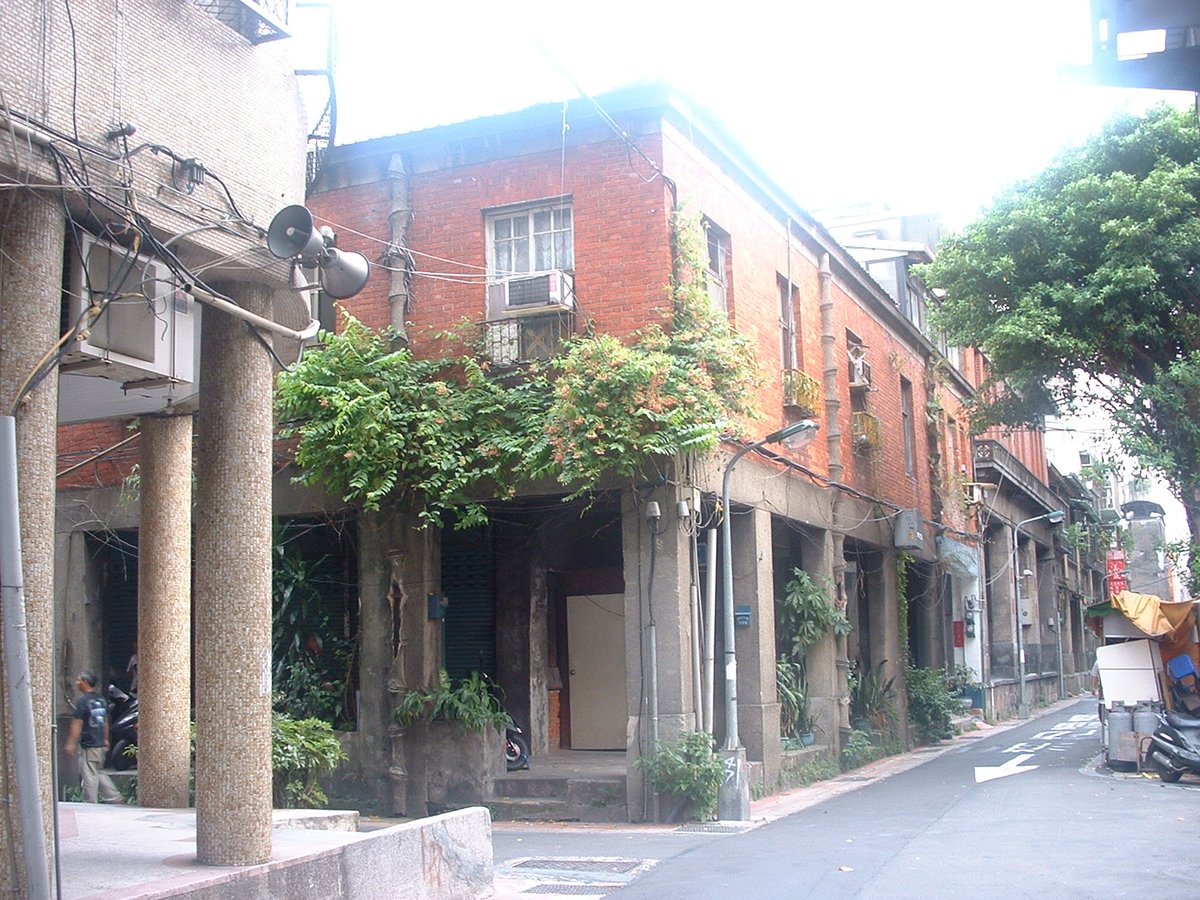
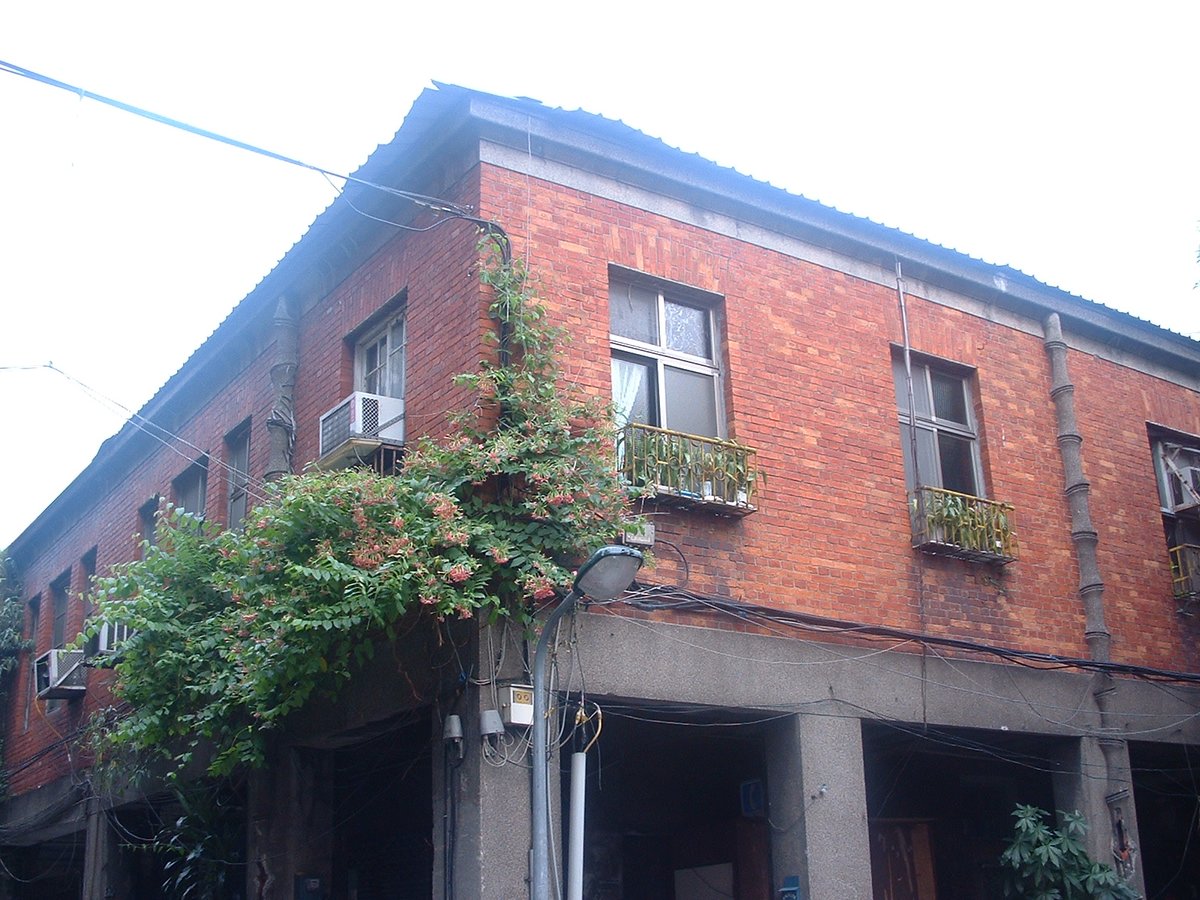
Nestled in the heart of Taipei’s historic Dadaocheng district, the Tshian-Tshiu-Ke Shophouses are living testaments to the city’s storied commercial past and architectural evolution. These distinctive buildings, originally constructed during the late Qing Dynasty, blend residential and commercial functions into a single structure, exemplifying the entrepreneurial spirit that once made Taipei a thriving trade hub. Today, the shophouses are celebrated for their ornate facades, multicultural influences, and dynamic adaptation into modern cafés, galleries, and artisan boutiques. This guide offers an in-depth look at their history, architecture, visitor information, and practical travel tips, ensuring a rewarding exploration for history buffs, architecture enthusiasts, and curious travelers alike (Taipei Travel; Kurby Blog).

Historical Context and Significance
The Tshian-Tshiu-Ke Shophouses trace their origins to the late 19th century, a period when Taipei was emerging as a pivotal commercial center due to its strategic location along the Tamsui River. Dadaocheng, in particular, flourished as a nexus for tea export, textiles, and traditional Chinese medicine, drawing merchants from regions such as Fujian and Guangdong (Taipei Travel). The shophouses—locally termed “tshian-tshiu-ke”—were ingeniously designed to serve both as family residences and as bases for business, maximizing limited urban land and nurturing a close-knit merchant community (Shophouse Club).
Architectural Evolution
Early Influences
The earliest shophouses in Taipei were deeply influenced by southern Fujianese architecture, featuring brick walls, wooden beams, and sloped tiled roofs adorned with Koji pottery and intricate wood carvings (Taipei Travel).
Japanese Colonial Period (1895–1945)
Japanese rule brought new urban planning concepts, building codes, and materials. Shophouses from this era often feature arched windows, stucco facades, and decorative stonework, coupled with increased use of reinforced concrete for added durability (Kurby Blog). Structures like the Qian Yuan Chinese Medicine Store on Dihua Street exemplify this blend of Chinese motifs and Western Art Deco or neoclassical details (Taipei Travel).
Post-War Adaptations
Following World War II, Taipei’s rapid modernization led to further modifications. Many shophouses were expanded or subdivided for rental purposes, yet retained their essential mixed-use character, maintaining their influence on the streetscape (Shophouse Club).
Preservation and Revitalization
Recent decades have seen significant efforts to preserve and revitalize these historic buildings. Restoration projects and adaptive reuse have transformed many shophouses into vibrant cafés, galleries, and specialty shops, thus safeguarding their cultural and architectural legacy (Kurby Blog).
Key Architectural Features
- Facades and Ornamentation: Expect a fascinating mix of family crests, trade symbols, prosperity motifs, and European-inspired columns and geometric patterns (Taipei Travel).
- Spatial Layout: Shophouses typically have narrow frontages (4–6 meters wide) but deep interiors (up to 40 meters), with a public shopfront, central open-air courtyard (tianjing), and private living quarters behind or above.
- Materials: Traditional structures use locally sourced brick, timber, and clay tiles, while later versions adopt reinforced concrete and imported tiles (Kurby Blog).
- Covered Walkways: “Five-foot ways” provide shelter for pedestrians, fostering vibrant street life (Buildmax).
Cultural and Social Importance
Economic Hubs
The shophouses powered the economic development of Dadaocheng, housing generations of merchant families and nurturing a vibrant street culture (Taipei Travel).
Architectural Palimpsest
Each shophouse is a living record of Taipei’s multicultural evolution, bearing the marks of different eras, migrations, and architectural trends (Kurby Blog).
Modern Revitalization
Today, these spaces host creative businesses, cultural venues, and artisan workshops, enhancing local creative industries and tourism.
Visitor Information
Visiting Hours and Tickets
- General Hours: Most shophouses and shops are open daily from 10:00 AM to 6:00 PM. Some cafés, galleries, and guided tours may have different schedules.
- Admission: Strolling through the streets and viewing facades is free. Guided tours or special exhibitions may charge NT$100–300 (AroundUs).
- Guided Tours: In-depth walking tours are available, highlighting architectural details and historical narratives. Book via Taipei Travel or local agencies.
- Accessibility: Main streets and ground-floor shops are mostly wheelchair accessible; upper floors and some interiors may not be.
Getting There
- Location: Dadaocheng district, near Dihua Street (AroundUs).
- Transport: Taipei MRT (Beimen or Daqiaotou stations, 10–15 min walk). Buses run along Dihua Street and Yanping North Road.
Facilities
- Restrooms: Public facilities at MRT stations and larger shops/cafés.
- Wi-Fi: Available in many cafés; Taipei Free Wi-Fi is accessible in public areas.
- Visitor Centers: Nearest is at Taipei Main Station, open daily 09:00–19:00 (Taipei Travel).
Notable Walking Routes and Nearby Attractions
Dihua Street
This thoroughfare is the heart of Taipei’s shophouse heritage, featuring continuous rows of restored facades such as:
- Yan Yi Cheng Commercial Firm: Intricate stone carvings and well-preserved shopfronts.
- Qian Yuan Chinese Medicine Store: Eclectic Japanese-era design (Taipei Travel).
Baoan Temple
A nearby national monument, renowned for its Koji pottery and woodwork, complements any architectural itinerary (Taipei Travel).
Other Sights
- Xiahai City God Temple: For religious and matchmaking rituals.
- Yongle Market: Famous for fabrics and local delicacies.
- Dadaocheng Wharf: Riverside promenade for sunset views.
Preservation and Future Challenges
Despite successful restoration projects, Tshian-Tshiu-Ke faces ongoing threats from urban redevelopment, rising property values, and the need for specialized conservation skills. Public awareness and government support are crucial in ensuring these architectural treasures endure (Kurby Blog). The revitalization of Dadaocheng stands as a model for balancing heritage conservation with urban growth.
Frequently Asked Questions (FAQ)
Q: What are the visiting hours?
A: Most shops and cafés are open 10:00 AM–6:00 PM daily. Hours may vary by venue.
Q: Is there an entrance fee?
A: The area is free to explore. Some exhibitions or guided tours may charge a small fee.
Q: Are guided tours available?
A: Yes, several organizations offer guided walks focusing on history and architecture.
Q: Is the area accessible for those with disabilities?
A: Main streets and ground-floor shops are accessible; some interiors may not be.
Q: What is the best time to visit?
A: Weekdays and early mornings for fewer crowds; October–April for pleasant weather.
Visuals and Interactive Media


Interactive maps and virtual tours are available on Taipei’s official tourism websites, letting you explore highlights before your visit.
Travel Tips
- Weekday visits offer quieter experiences.
- Dress for the weather: Taipei is humid and rainy in summer—bring water and a raincoat.
- Respect local customs: Ask before photographing interiors, and support local artisans.
- Language: English is spoken in most tourist venues; basic Mandarin phrases are appreciated.
- Payment: Cash is common, but credit cards are accepted in some shops; ATMs are widely available.
Discover More
The Tshian-Tshiu-Ke Shophouses embody Taipei’s dynamic blend of tradition and modernity, offering visitors a window into the city’s layered history and multicultural identity. Plan your visit by checking updated hours, booking a guided tour, and exploring nearby heritage sites like Dihua Street and Baoan Temple. For curated walking routes, event updates, and insider travel tips, download the Audiala app and follow Taipei’s official cultural platforms.
Embrace the charm of Tshian-Tshiu-Ke and witness how heritage and innovation intersect in one of Asia’s most vibrant capitals.
Listen to the full story in the app
The whole Tshian-Tshiu-Ke Shophouses,
told well.
Audio guides for 1,100+ cities across 96 countries. History, stories, and local insight — offline ready.
Verified, and shown.
Researched and written by the Audiala editorial team from historical records, architectural archives, and local expertise.
Researched from Wikidata, Wikipedia & official sources · fact-checked · How we make our guides →