Plan and listen to Tomb Of Lin Xiu-Jun with Audiala.
Audio guide in your pocket, itinerary in your browser. Built for the way you actually visit.
Introduction
The Tomb of Lin Xiu-Jun is an essential but often overlooked historical site in Taipei, Taiwan. Tucked away in the Neihu District, this tomb is not only a resting place for one of Taipei’s foremost heritage preservationists, but also stands as a testament to the city’s blend of tradition, architectural innovation, and cultural resilience. This comprehensive guide provides detailed information about the tomb’s historical context, architectural features, cultural significance, visiting hours, ticketing procedures, accessibility, travel tips, and nearby attractions. Whether you are a history buff, architecture enthusiast, or culturally curious traveler, this guide will help you plan an enriching and respectful visit.
Historical Background and Legacy of Lin Xiu-Jun
Early Life and Family Heritage
Lin Xiu-Jun (林秀君) hailed from a prominent Han Chinese family originally from Fujian province. The Lin family migrated to Taiwan during the Qing Dynasty and became influential landowners and merchants in the Taipei region. Their success was reflected in the construction of grand residences, such as the Lin An Tai Historical House, and in the family’s lasting contributions to local commerce, governance, and cultural life (Taipei Quarterly).
The Lin Family in Taipei
The family’s rise paralleled Taipei’s transformation from a rural settlement to an urban hub, particularly during the late Qing Dynasty and Japanese colonial era. The Lins were instrumental in fostering community cohesion, philanthropy, and the preservation of local traditions. Lin Xiu-Jun, inheriting this legacy, emerged as a leading advocate for heritage preservation during Taiwan’s rapid modernization.
Lin Xiu-Jun’s Contributions to Heritage Preservation
As urban development threatened Taipei’s historic sites, Lin Xiu-Jun spearheaded campaigns to protect ancestral homes and temples. Her efforts were pivotal in the successful relocation and restoration of the Lin An Tai Historical House, now a celebrated museum of traditional Taiwanese architecture. These campaigns helped shape Taiwan’s Cultural Heritage Preservation Act and raised public awareness about safeguarding the island’s cultural assets (Taipei Quarterly; Taiwan Tourism Administration).
The Tomb’s Architectural and Symbolic Features
Design and Layout
The tomb is a classic example of southern Fujianese-influenced Qing dynasty funerary architecture. Its main features include:
- Central burial mound: The heart of the tomb, constructed for durability and symbolism.
- Carved stone stele: Inscribed with Lin Xiu-Jun’s achievements and family details.
- Curved enclosing wall: Creating a sense of protection and harmony.
- Oriented by feng shui: Ensuring spiritual auspiciousness and peace for descendants.
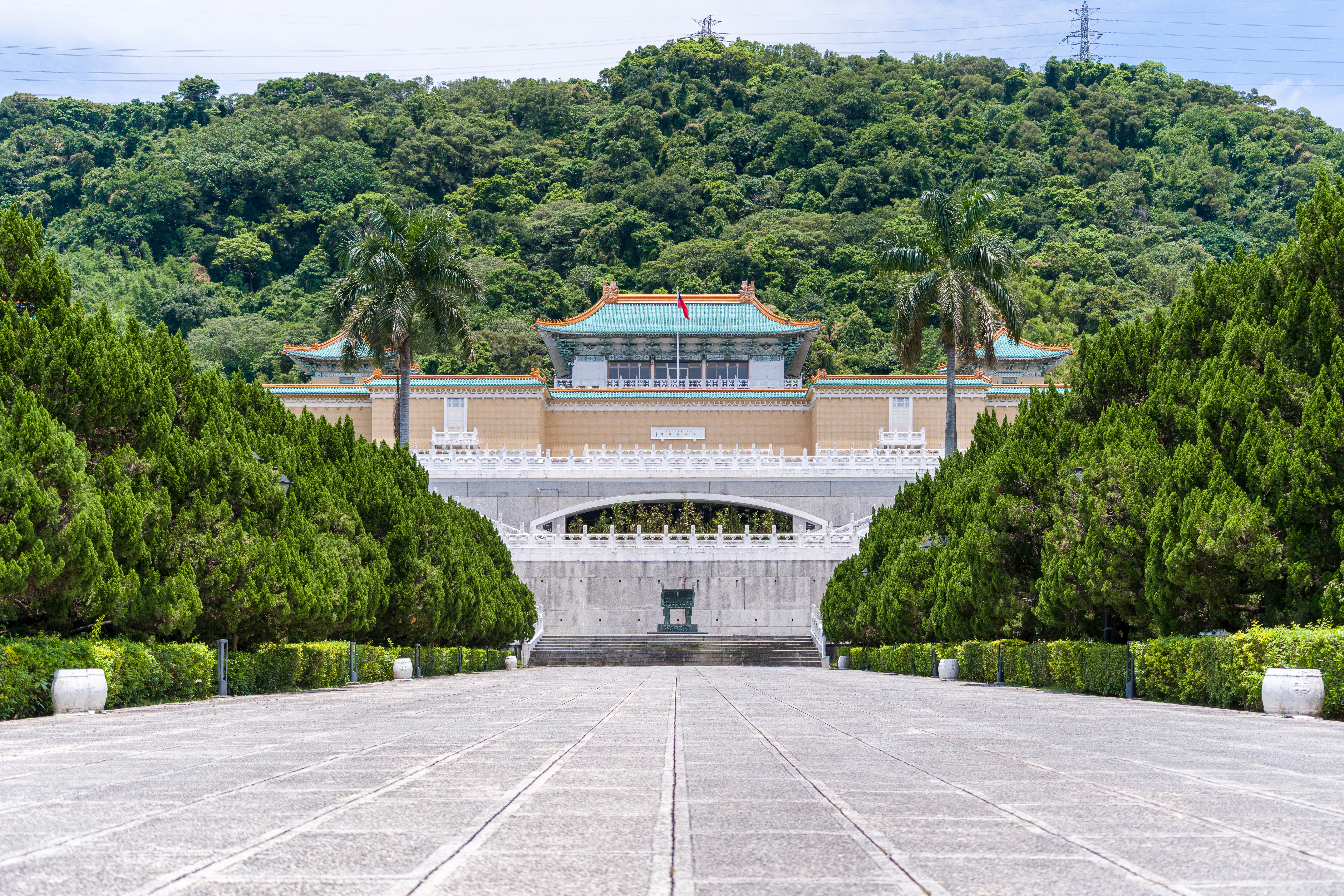
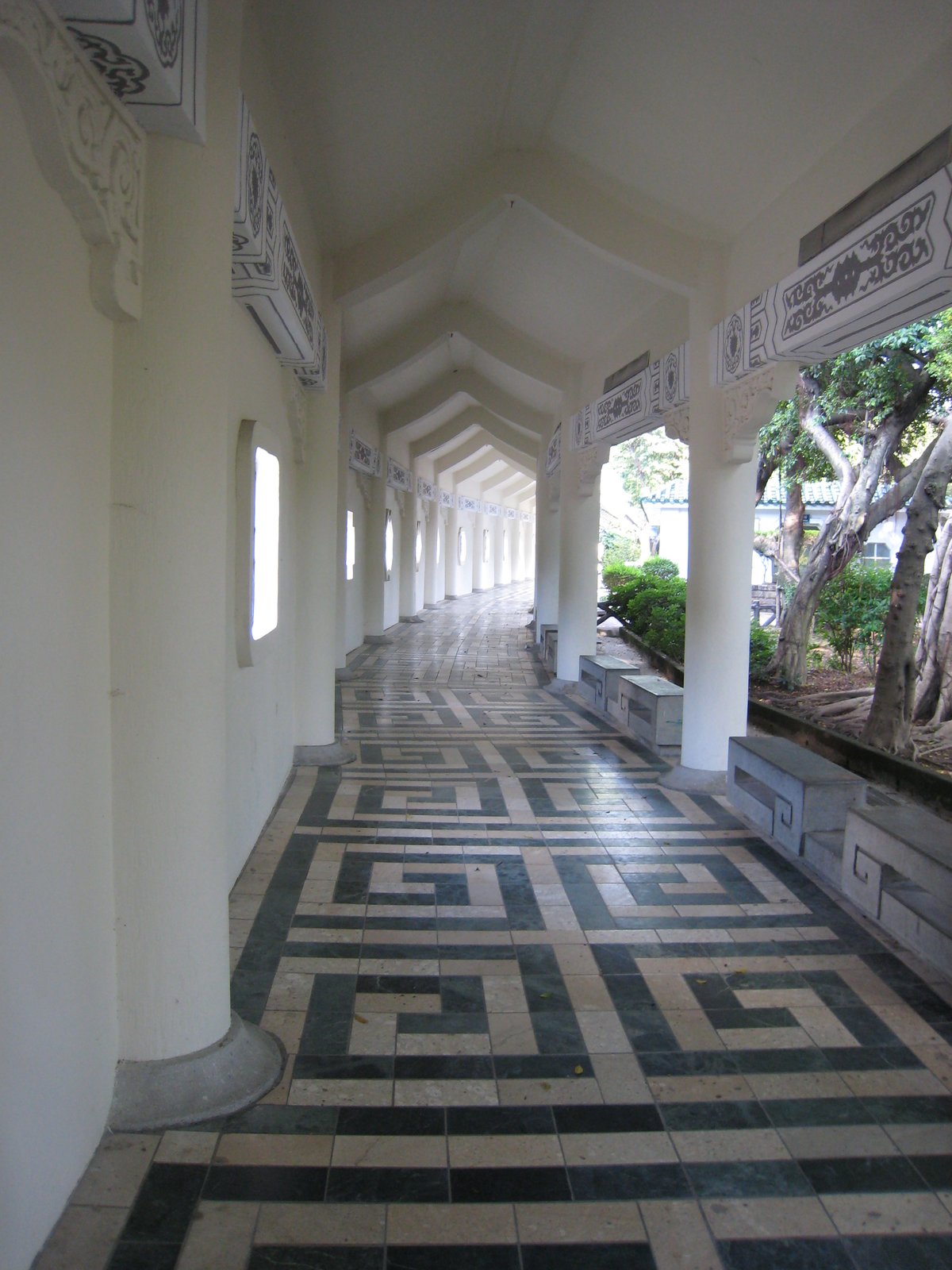
Landscaping elements such as ponds, rockeries, and pruned trees evoke the feel of a classical Chinese garden, while motifs like dragons, clouds, and bats are carved into stone and wood, symbolizing longevity and good fortune (National Palace Museum).
Architectural Influences
The tomb’s design reflects the innovative work of Xiu Zelan, Taiwan’s pioneering female architect, who skillfully blended traditional Chinese motifs with modernist construction techniques. Use of reinforced concrete alongside traditional roof forms and decorative details embodies Taiwan’s mid-20th-century architectural trends (National Palace Museum).
Preservation and Conservation Efforts
Despite environmental challenges such as Taipei’s humidity and typhoons, the tomb remains well-preserved through:
- Routine maintenance: Regular cleaning and inspection of tiles, woodwork, and stone.
- Environmental management: Drainage systems and vegetation control to prevent water and root damage.
- Restoration: Use of reversible, documented methods to retain authenticity (ICCROM).
Visiting the Tomb of Lin Xiu-Jun
Hours and Admission
- Open: Tuesday to Sunday, 9:00 AM–5:00 PM
- Closed: Mondays and select public holidays
- Admission: Free of charge (Taipei City Department of Cultural Affairs)
Getting There
- Location: Neihu District, Taipei
- Public Transport: Take the MRT Brown Line to Neihu Station, then transfer to a local bus or taxi.
- Signage: Local signs guide visitors from the station; navigation apps are helpful.
Accessibility
- Wheelchair-friendly: Paved paths and ramps; some grassy or uneven areas may require assistance.
- Restrooms: Not available on site; plan accordingly.
Travel Tips
- Best Times: Early morning or late afternoon for mild weather and fewer crowds (Taiwan Obsessed).
- Weather: Summers are hot and humid with sudden rain—bring water, sunblock, and rain gear.
- Dress Code: Modest attire recommended, especially during festivals or when ceremonies are taking place.
Cultural Etiquette
- Remain quiet and respectful.
- Do not climb, sit, or leave trash on the tomb.
- Ask permission before taking close-up photos, especially during rituals.
- During Qingming Festival (April), be mindful of local families conducting ancestor worship (Taipei Times).
Interpretation and Tours
- Signage: Limited English panels on-site; more information available online (Taipei City Department of Cultural Affairs).
- Guided Tours: Can be arranged via Klook or Viator, especially recommended for in-depth understanding.
- Special Events: Qingming Festival ceremonies provide insight into traditional Taiwanese rituals.
Nearby Attractions
Enhance your cultural itinerary by visiting:
- Lin An Tai Historical House: A restored Fujian-style residence and museum.
- Dadaocheng’s Dihua Street: Historic shops, tea houses, and vibrant markets (Chloe’s Travelogue).
- Bishan Temple: Scenic religious site with panoramic views.
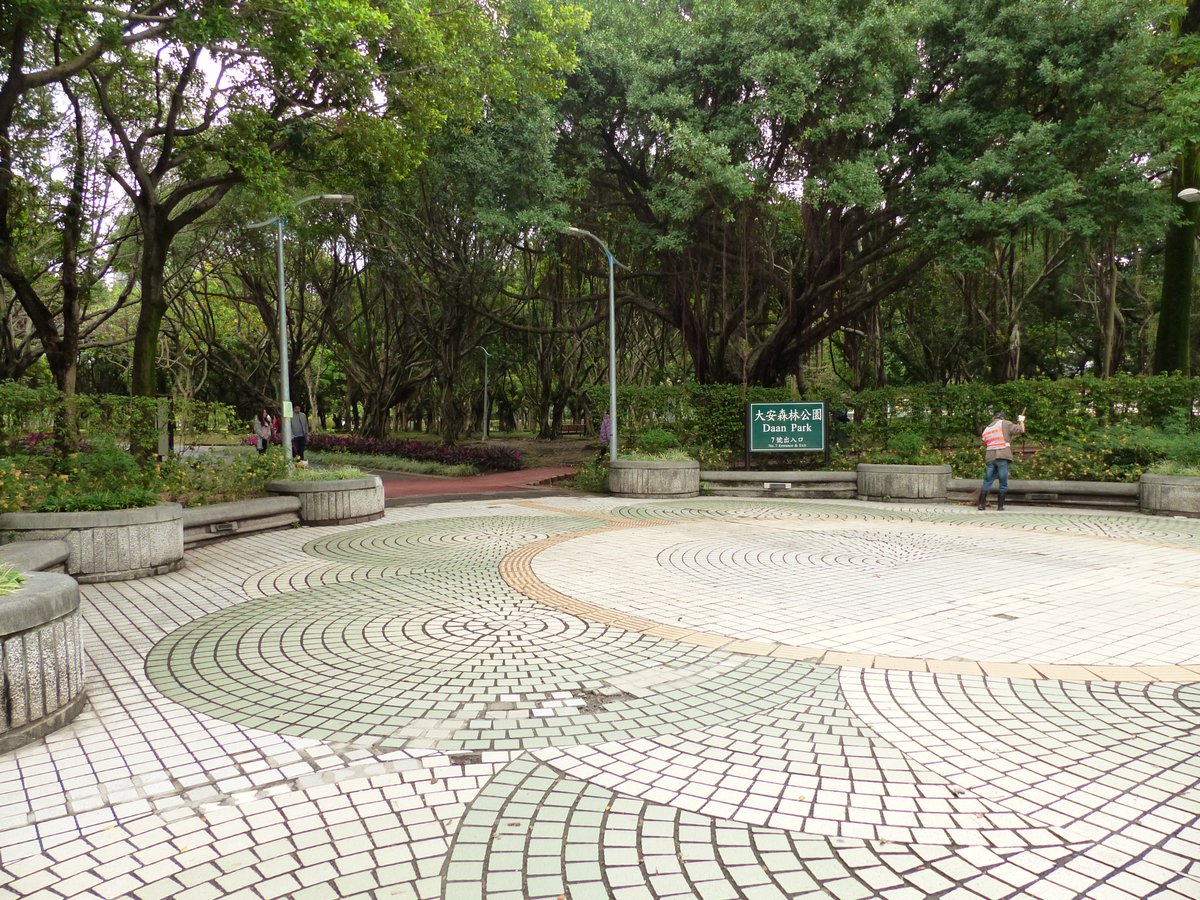
- Dahu Park: Lake and trails for relaxation.
- Taipei Fine Arts Museum: Modern and traditional artworks.
Frequently Asked Questions (FAQ)
Q: What are the Tomb of Lin Xiu-Jun’s visiting hours?
A: Tuesday to Sunday, 9:00 AM–5:00 PM. Closed on Mondays and certain holidays.
Q: Is there an admission fee?
A: No, entry is free.
Q: How do I get there by public transport?
A: MRT Brown Line to Neihu Station, then local bus/taxi.
Q: Is the site wheelchair accessible?
A: Yes, with some uneven paths—assistance may be helpful after rain.
Q: Are restroom facilities available?
A: No, please plan ahead.
Q: Can I visit during Qingming Festival?
A: Yes, but respect ongoing rituals.
Related Articles
- Top Historical Sites to Visit in Taipei
- Exploring Neihu District: Nature and Culture
- A Visitor's Guide to Qing Dynasty Architecture
Listen to the full story in the app
The whole Tomb Of Lin Xiu-Jun,
told well.
Audio guides for 1,100+ cities across 96 countries. History, stories, and local insight — offline ready.

Verified, and shown.
Researched and written by the Audiala editorial team from historical records, architectural archives, and local expertise.
Researched from Wikidata, Wikipedia & official sources · fact-checked · How we make our guides →