Plan and listen to Little South Gate Of Taipei City with Audiala.
Audio guide in your pocket, itinerary in your browser. Built for the way you actually visit.
Introduction
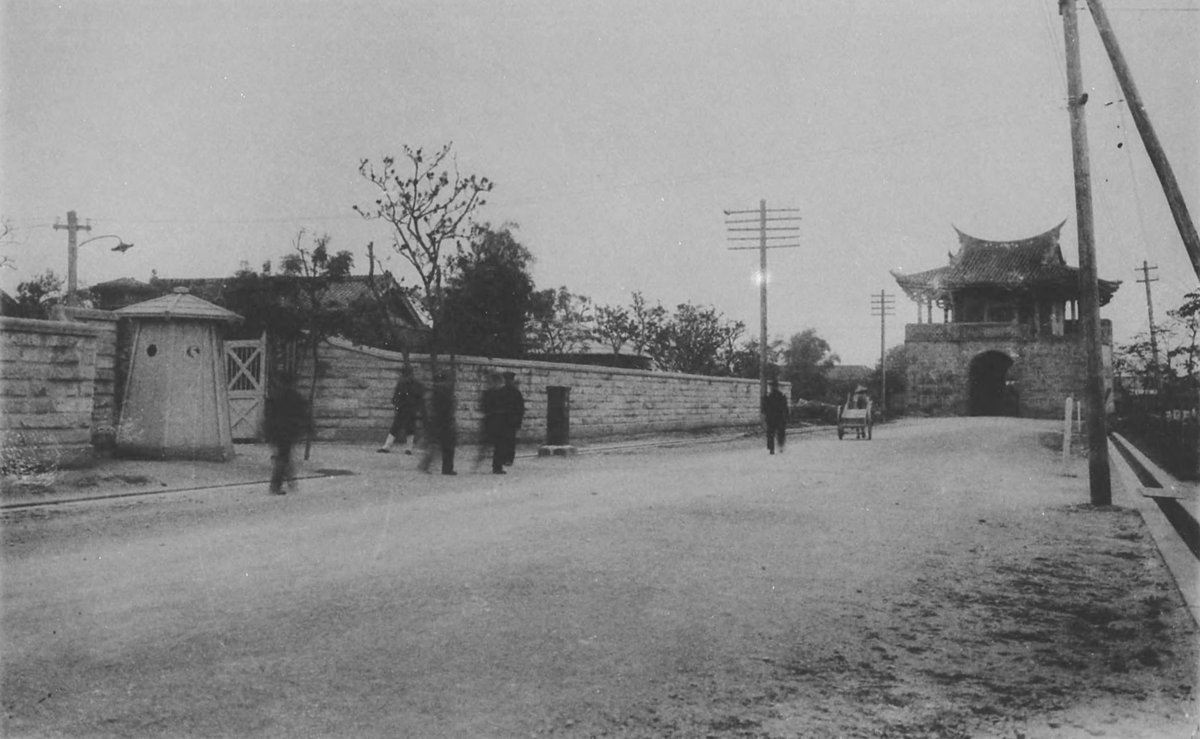
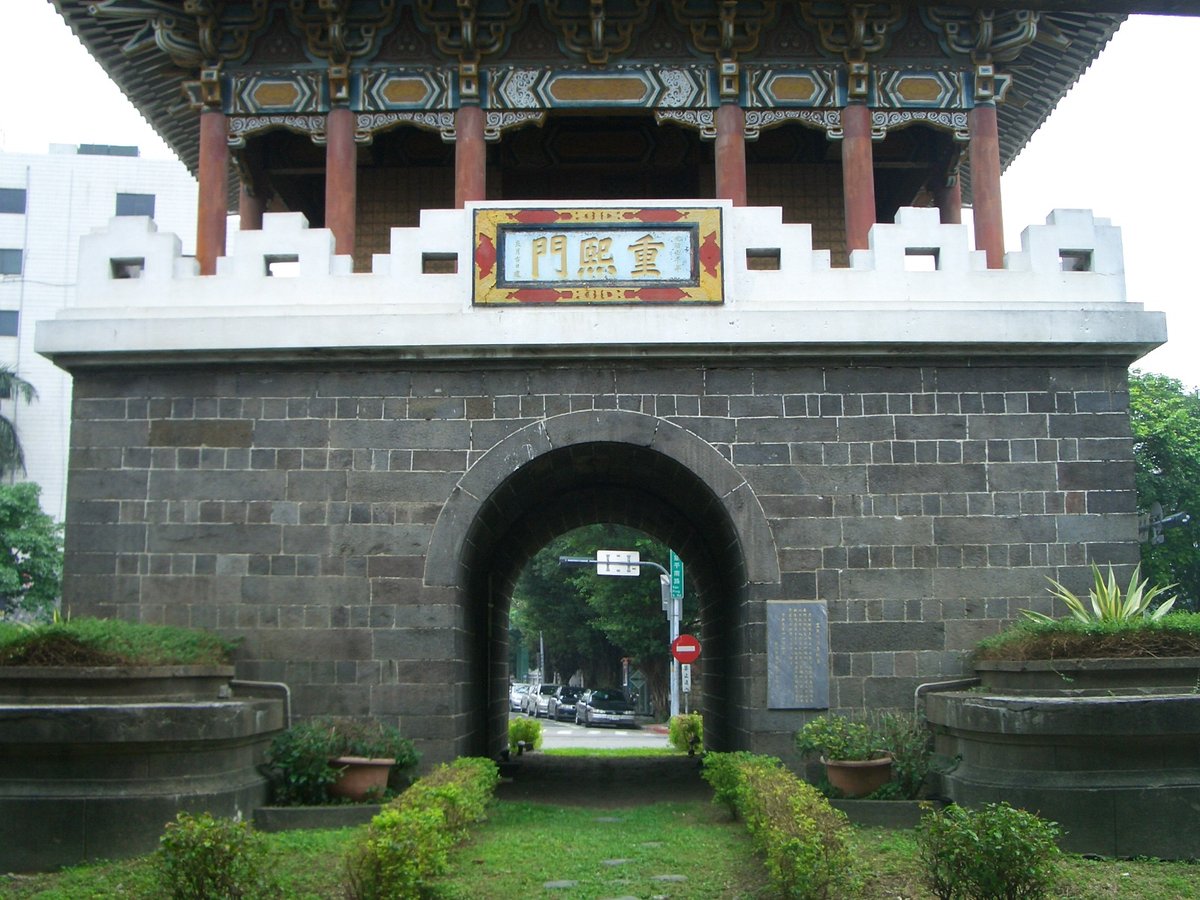
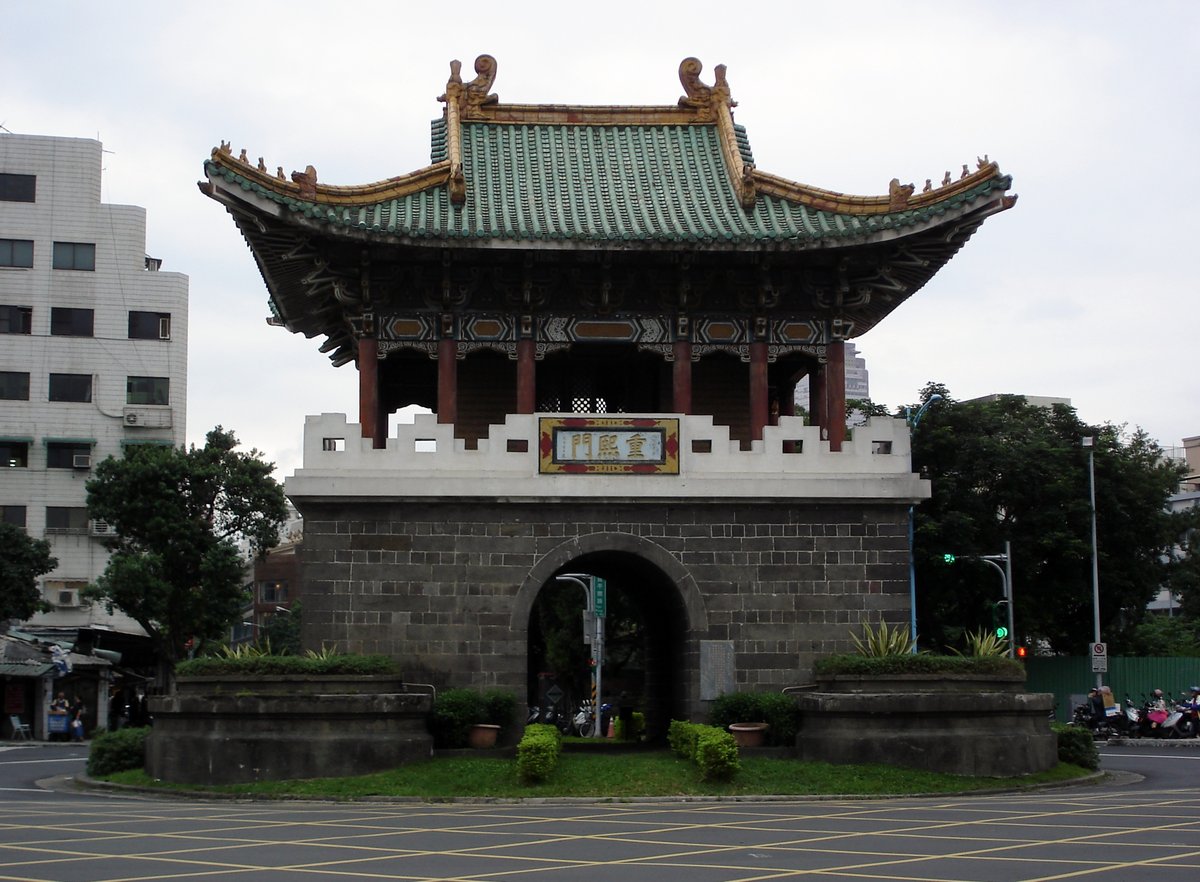
The Little South Gate, also known as Chongxi Gate, is a historical gem nestled within the bustling cityscape of Taipei, Taiwan. As one of the few remaining gates from the original Taipei City Wall, constructed during the Qing Dynasty in 1884, this site offers a unique glimpse into the city's rich past (Taipei City Government). The gate was built under the direction of Liu Mingchuan, the first governor of Taiwan Province, who sought to fortify the city against potential invasions. This monumental structure, crafted from stone and brick, embodies traditional Chinese military architecture and reflects the cultural and political landscape of its era (Taiwan Tourism Bureau).
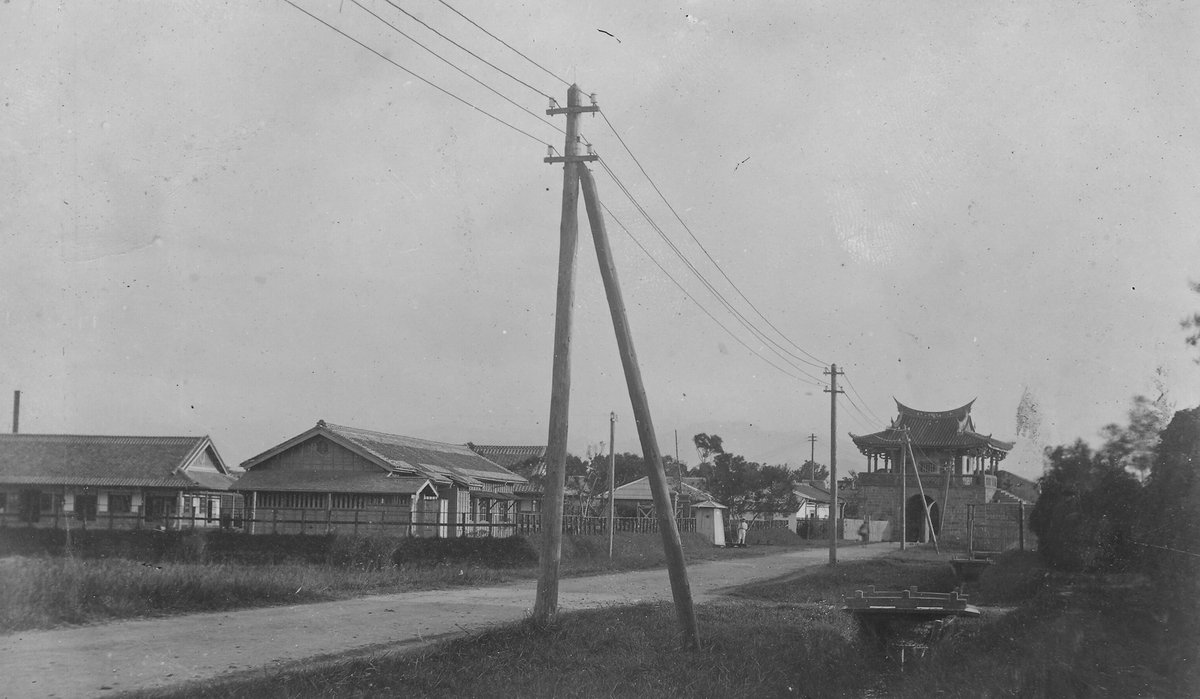
Today, The Little South Gate stands as a testament to Taipei's historical and cultural heritage. It not only served a vital defensive role but also played a significant part during the Japanese colonial period between 1895 and 1945. Although much of the city wall was demolished during this era, the gate was preserved due to its historical importance (Academia Sinica). For visitors, The Little South Gate offers more than just historical insights; it provides a serene spot amidst the city's modernity, with easy access to other attractions such as the Taipei Botanical Garden and the National Taiwan Museum. This guide aims to provide comprehensive information on the gate's history, architectural significance, visitor tips, and nearby attractions to enhance your visit to this iconic site.

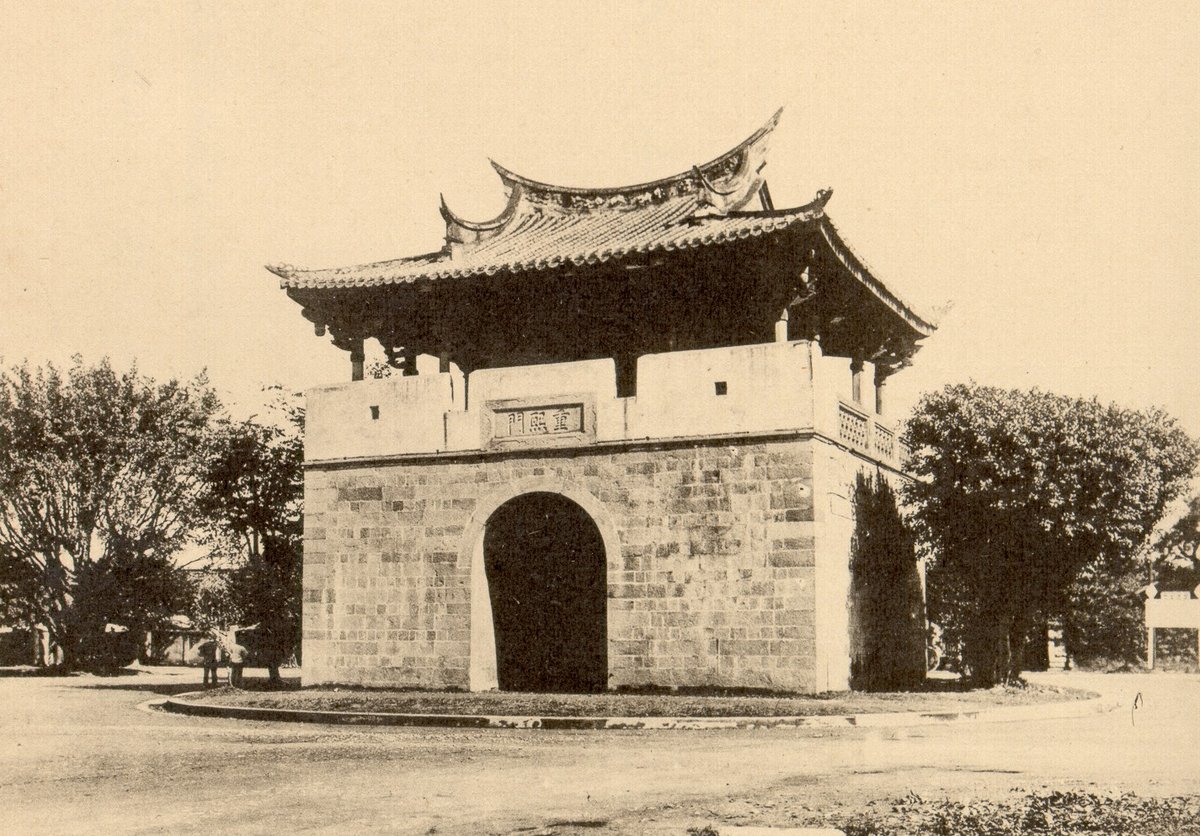
History of The Little South Gate (Chongxi Gate)
Origins and Construction
The Little South Gate, one of the five original gates of the Taipei City Wall, was constructed during the Qing Dynasty in 1884 under the direction of Liu Mingchuan, the first governor of Taiwan Province. Built to fortify the city against potential invasions, the construction was a significant undertaking involving local labor and materials. Strategically placed, the gates controlled access to the city and facilitated trade and defense (Taipei City Government).
Architectural Design
Reflecting traditional Chinese military architecture, the gate is constructed from stone and brick. The gatehouse, a two-story wooden pavilion with upturned eaves, is a common feature in Qing Dynasty architecture. The robust and imposing structure not only served defensive purposes but also symbolized the authority and power of the Qing government (Taiwan Tourism Bureau).
Historical Significance
The Little South Gate is significant as it represents the Qing Dynasty rule in Taiwan. It played a crucial role during the Japanese colonial period (1895-1945), when Taiwan was ceded to Japan following the First Sino-Japanese War. Although parts of the city wall were demolished during Japanese urban planning efforts, the gate was preserved due to its historical and cultural importance (Academia Sinica).
Visitor Information
Visiting Hours and Ticket Prices
The Little South Gate is open to visitors daily from 9 AM to 5 PM. Admission is free, making it an accessible attraction for all visitors. For updated information, it is recommended to check the Taipei City Government's official website.
Travel Tips
- Getting There: The gate is easily accessible via public transportation. The nearest MRT station is Ximen Station (Blue Line), followed by a short walk.
- Best Time to Visit: Early mornings or late afternoons are ideal to avoid the midday heat and large crowds.
- Photography: The gate is a popular spot for photography, especially during sunset when the lighting enhances its architectural beauty.
Nearby Attractions
Taipei Botanical Garden
A serene spot for nature lovers, located just a short walk from the gate.
National Taiwan Museum
Offers a deep dive into Taiwan's history and culture, situated nearby.
Ximending Shopping District
A vibrant area perfect for shopping and dining after your visit.
Special Events and Guided Tours
The Little South Gate hosts various cultural events and festivals throughout the year. Guided tours are available, providing in-depth historical insights and stories about the gate. For tour schedules and bookings, visit the Taiwan Tourism Bureau's website.
Preservation and Restoration
In the post-World War II era, the gate faced challenges due to urban development. Recognizing its historical significance, the Taipei City Government undertook preservation efforts. Designated as a historical monument in the 1960s, restoration projects have maintained the gate's structural integrity and authenticity (Taipei City Government).
Cultural Impact
The Little South Gate has a lasting impact on Taipei's cultural landscape. It appears in various cultural representations, including literature, paintings, and films. The gate is also a focal point for cultural events, highlighting the importance of preserving historical landmarks (Academia Sinica).
FAQ
Q: What are the visiting hours for The Little South Gate? A: The gate is open daily from 9 AM to 5 PM.
Q: Is there an admission fee to visit The Little South Gate? A: No, admission is free.
Q: How can I get to The Little South Gate? A: The gate is accessible via Ximen Station (Blue Line) on the MRT, followed by a short walk.
Q: Are guided tours available? A: Yes, guided tours are available. Visit the Taiwan Tourism Bureau's website for more information.
Listen to the full story in the app
The whole Little South Gate Of Taipei City,
told well.
Audio guides for 1,100+ cities across 96 countries. History, stories, and local insight — offline ready.
Verified, and shown.
Researched and written by the Audiala editorial team from historical records, architectural archives, and local expertise.
Researched from Wikidata, Wikipedia & official sources · fact-checked · How we make our guides →