Plan and listen to Japanese Dormitory Of Nancaiyuan with Audiala.
Audio guide in your pocket, itinerary in your browser. Built for the way you actually visit.
Introduction
The Japanese Dormitory of Nancaiyuan, also known as the Forestry Section Dormitory Complex of the Government-General of Taiwan, stands as one of Taipei's most significant historical sites. This early 20th-century wooden residential complex, constructed during the Japanese colonial era (1895–1945), offers visitors an immersive journey through Taiwan’s layered past. Its preserved architecture and serene gardens encapsulate the cultural and social legacy of the Japanese period while serving as a vibrant public heritage destination in modern Taipei.
In this comprehensive guide, you’ll find essential information on visiting hours, admission, accessibility, guided tours, and nearby attractions—alongside an in-depth exploration of the dormitory's history, architecture, restoration, and ongoing preservation efforts. Whether you’re a history enthusiast, architecture lover, or a traveler seeking a tranquil urban retreat, the Japanese Dormitory of Nancaiyuan is a must-visit landmark that bridges Taipei’s past and present (Taipei City Government, Taiwan Literature Base, VibeDaily).
Origins and Historical Context
The Japanese Dormitory of Nancaiyuan traces its roots to the era of Japanese colonial administration in Taiwan. Strategically located near administrative and educational hubs—including the former Taipei Imperial University (now National Taiwan University)—Nancaiyuan was designed to accommodate Japanese officials, educators, and staff, serving as a microcosm of colonial social hierarchy and fostering efficient governance (visitinsidejapan.com).
The dormitories not only provided functional housing but also symbolized the modernity and order that the Japanese sought to introduce to Taiwan. Their urban planning reflected careful integration with the city’s expanding infrastructure, supporting the transformation of Taipei into a modern colonial capital (Taipei City Government).
Architectural Features and Cultural Influences
The Nancaiyuan complex is a prime example of traditional Japanese wooden residential architecture adapted to Taiwan’s climate. Key features include:
- Timber Frame Construction: Utilizing joinery techniques without nails for seismic resilience.
- Tatami-Matted Rooms and Sliding Doors: Flexible living spaces divided by shoji and fusuma, with tatami flooring for comfort and cultural authenticity.
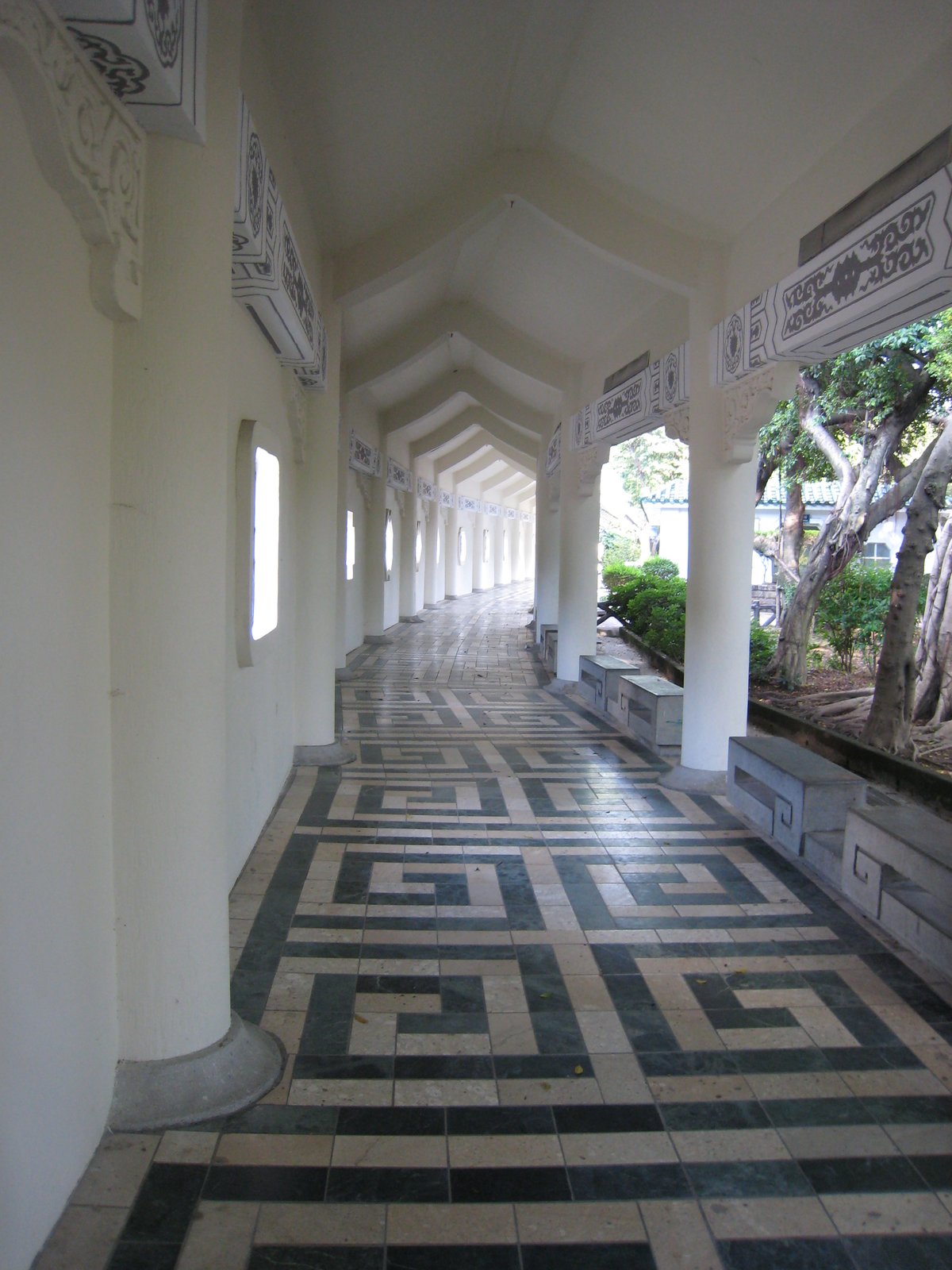
- Engawa Verandas: Covered wooden walkways that blend indoor and outdoor environments.
- Tiled Roofs and Deep Eaves: Providing shelter from subtropical rain and sun.
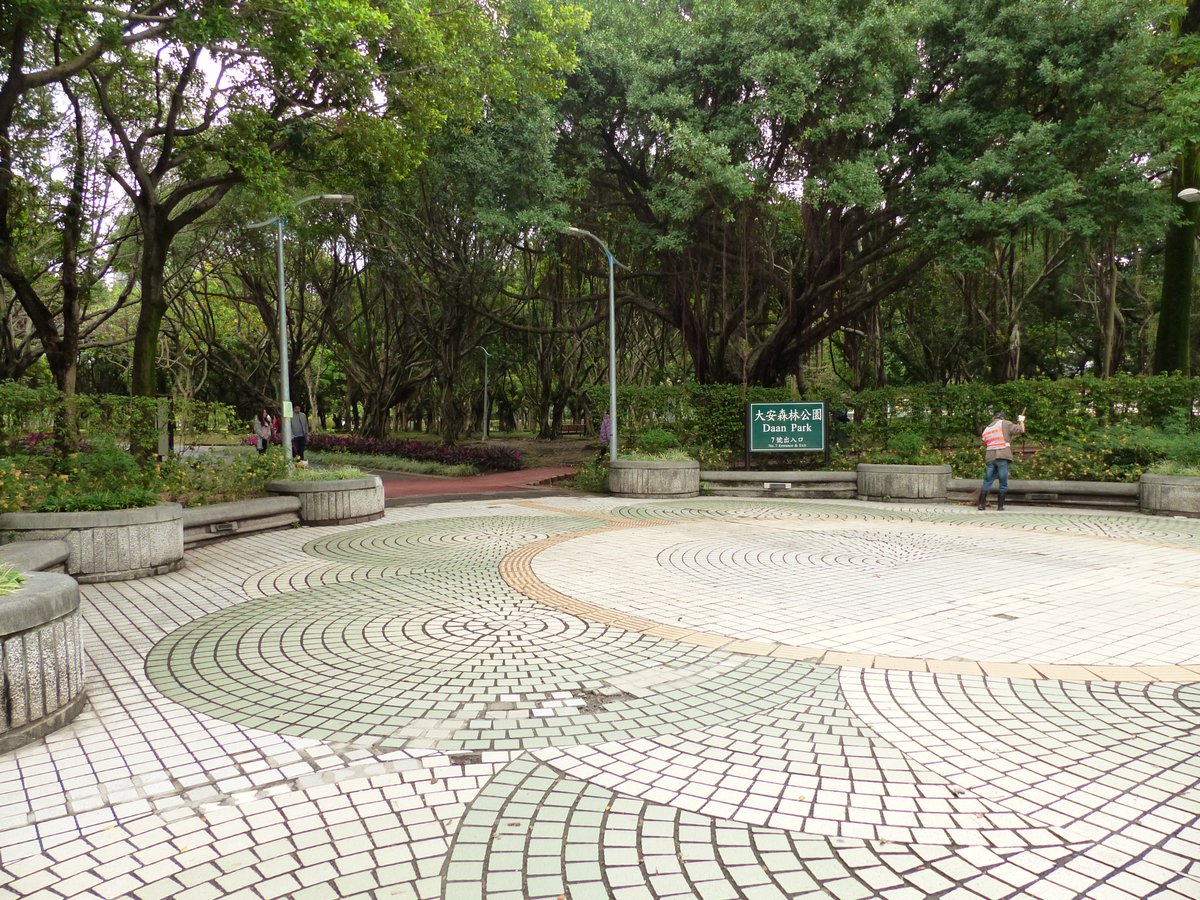
- Landscaped Gardens: Communal gardens and mature trees that foster tranquility and a connection to nature.
These elements collectively reflect Japanese ideals of harmony, community, and efficient use of space, while also responding to Taiwan’s local context (ResearchGate).
Political Transitions and Transformation
After World War II, with the end of Japanese rule, the dormitories were repurposed by the incoming Chinese Nationalist government to house officials and forestry bureau employees. This transition resulted in modifications to the original structures—such as the addition of partitions and modern amenities—but the core architectural character remained intact.
Throughout the latter 20th century, the dormitories faced threats from urban development and neglect. Preservation efforts initiated in the early 2000s were vital to their survival, leading to their designation as protected municipal monuments (Taipei City Government).
Preservation and Restoration
Designation and Conservation
Recognizing the site's historical and cultural value, the Taipei City Government designated the Forestry Section Dormitory Complex as a municipal monument in 2006. This status enabled comprehensive restoration overseen by experts in architecture, history, and forestry. The project prioritized authenticity, material conservation, and sustainable landscape integration, with an emphasis on preserving original timber, roof tiles, and mature trees (Taipei City Government).
Legislative Support
Restoration benefited from nationwide reforms to cultural heritage policy, including amendments to the Cultural Heritage Preservation Act and the enactment of the Cultural Fundamental Act. These provided legal frameworks and funding for holistic, ecosystem-based heritage management (Executive Yuan, R.O.C. (Taiwan)).
Social and Educational Functions
Dormitories like Nancaiyuan historically fostered a culture of punctuality, cooperation, and mutual support among residents. Today, that legacy continues through educational programs, guided tours, and community events that promote public appreciation for both the architectural and intangible heritage of the site (visitinsidejapan.com).
Integration with Modern Taipei
The Japanese Dormitory of Nancaiyuan is now a tranquil enclave within bustling Taipei, offering a unique contrast to the surrounding urban landscape. Its preservation stands as a model for balancing urban development with heritage conservation, inspiring similar efforts across the city (Taipei City Government).
Visitor Information
Hours and Admission
- Open: Tuesday to Sunday, 9:00 AM – 5:00 PM (some sources list 10:00 AM – 6:00 PM; check the official website for updates).
- Closed: Mondays and public holidays.
- Admission: Free of charge; registration may be required during peak periods.
Guided Tours
Guided tours are available on weekends and public holidays, offering in-depth insights into the site’s history and architecture. Advance booking is recommended.
Accessibility
The site strives for accessibility with ramps, smooth pathways, and staff assistance. Some original features, such as narrow doorways and wooden floors, may present challenges for wheelchair users—contact the site in advance to discuss accommodations (DisabledTours).
Getting There
- By MRT: 10-minute walk from Nanjing Fuxing Station (Brown/Green lines) or Zhongxiao Xinsheng Station (Bannan/Xinzhuang lines).
- By Bus: Several bus routes stop nearby; check local schedules.
- By Taxi/Bike: Taxis are readily available, and bike-sharing stations are nearby.
Nearby Attractions
- National Taiwan University
- Taipei Botanical Garden
- Beitou Hot Springs Museum
- Longshan Temple
- Daan District night markets
These sites can be combined for a full day of cultural and leisure activities (SIAAS).
Practical Travel Tips
- Footwear: Slippers are provided indoors; wear comfortable shoes for garden areas.
- Mosquitoes: Bring repellent or wear long sleeves during warmer months (VibeDaily).
- Language: English is moderately spoken; basic Mandarin is helpful.
- Best Time to Visit: Weekday mornings or late afternoons are quietest.
- Photography: Permitted without flash; respect the site and other visitors.
Community Engagement and Sustainability
Local residents, artists, and scholars actively participate in the site's programming, fostering a sense of ownership and ensuring vibrancy. The restoration approach emphasizes sustainable design, integrating natural heritage with heritage conservation (Taipei Times, GoTeamJosh).
Visuals and Media
High-quality images and interactive maps enhance the visitor experience, showcasing the dormitory’s timber construction, gardens, and tranquil spaces. Virtual tours and event calendars are available on official heritage websites.
Frequently Asked Questions (FAQ)
Q: What are the visiting hours?
A: Generally Tuesday to Sunday, 9:00 AM – 5:00 PM (some sources list 10:00 AM – 6:00 PM); closed Mondays and public holidays.
Q: Is there an entry fee?
A: No, admission is free.
Q: Are guided tours available?
A: Yes, on weekends and public holidays; booking is recommended.
Q: Is the site wheelchair accessible?
A: Most outdoor paths are accessible, but some buildings have steps or narrow entrances.
Q: How do I get there by public transport?
A: The nearest MRT stations are Nanjing Fuxing and Zhongxiao Xinsheng; both are about a 10-minute walk away.
Listen to the full story in the app
The whole Japanese Dormitory Of Nancaiyuan,
told well.
Audio guides for 1,100+ cities across 96 countries. History, stories, and local insight — offline ready.

Verified, and shown.
Researched and written by the Audiala editorial team from historical records, architectural archives, and local expertise.
(Taiwan) – Cultural Heritage Preservation Policy, 2024,
Researched from Wikidata, Wikipedia & official sources · fact-checked · How we make our guides →