Plan and listen to Gallery Of National Taiwan University History with Audiala.
Audio guide in your pocket, itinerary in your browser. Built for the way you actually visit.
Introduction
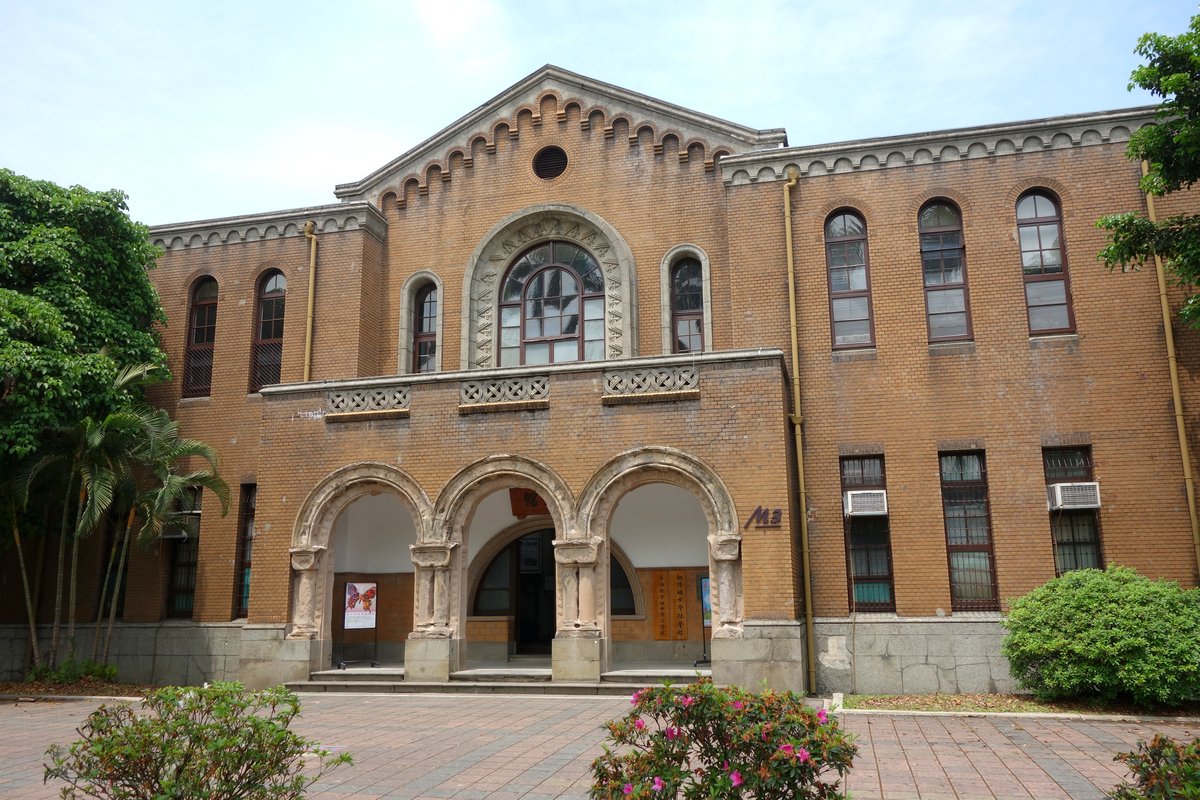
Nestled in the heart of Taipei, the Gallery of National Taiwan University (NTU) History is a living archive of Taiwan’s premier academic institution and its vital role in shaping the island’s intellectual, cultural, and social evolution. Housed in the historic Old Main Library, the Gallery presents a compelling narrative of NTU’s journey from its 1928 establishment as Taihoku Imperial University under Japanese colonial rule, to its transformation into a world-class research university. Through meticulously curated exhibitions, rare artifacts, and immersive displays, visitors gain insight into nearly a century of educational milestones, societal change, and academic achievement (Wikipedia; NTU Highlights).
This guide provides everything you need to plan a visit: from practical information about opening hours, tickets, and accessibility to highlights of the Gallery’s collections, tips for exploring the campus, and recommendations for nearby historical attractions in Taipei. Whether you’re a history enthusiast, student, or cultural traveler, the Gallery of NTU History is a must-see destination that illuminates Taiwan’s academic legacy and its ongoing impact on society (NTU Visitor Center; NTU Anthropology).


NTU’s Origins and Historical Evolution
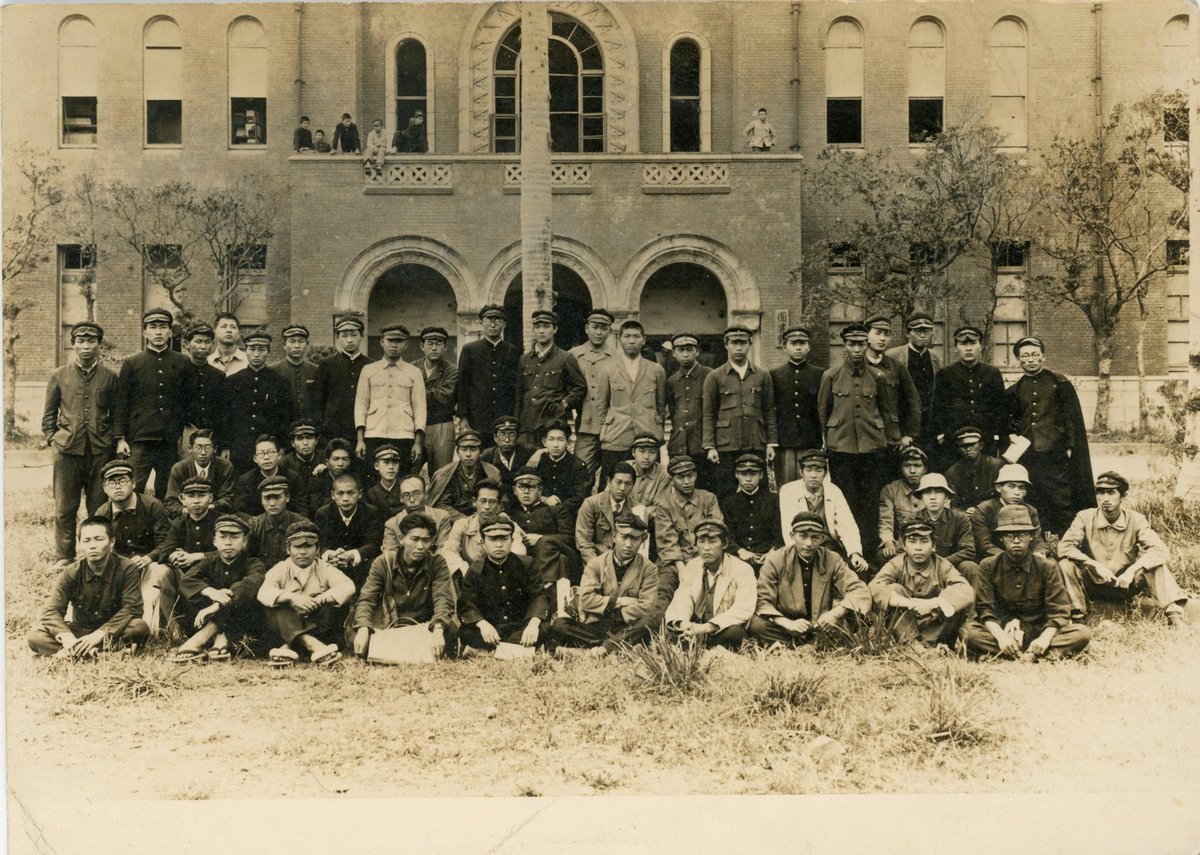
Founded in 1928 as Taihoku Imperial University, NTU was established during the Japanese colonial era as the empire’s seventh Imperial University. Its creation reflected Japan’s drive to modernize Taiwan’s education system, with the original campus occupying the grounds of the former Taihoku Senior School of Agriculture and Forestry (Wikipedia). The university’s early academic focus included literature, politics, science, agriculture, and medicine, led by celebrated Japanese scholars such as Taira Shidehara and Toyohachi Fujita.
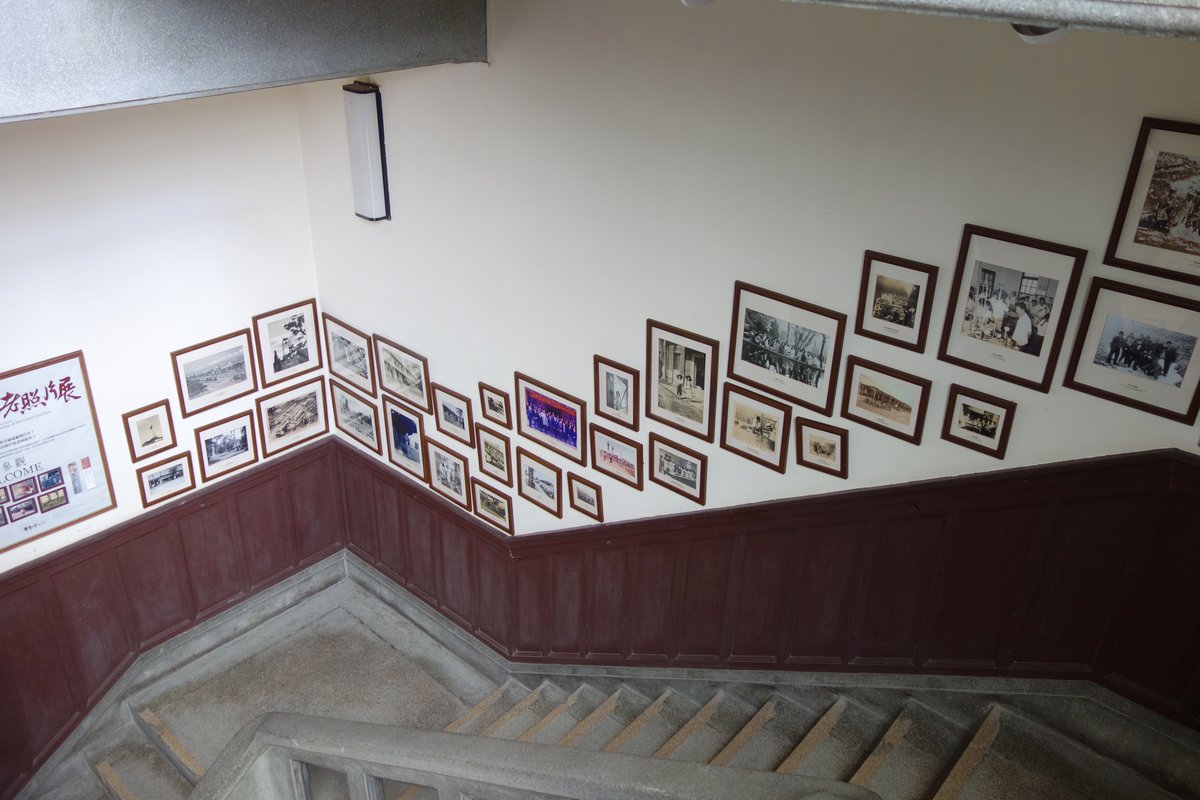
The Gallery’s first exhibits capture this period through founding charters, faculty rosters, and evocative photographs, illustrating how NTU’s academic and social life evolved under colonial administration (NTU Highlights). The impact of World War II is also documented, with displays on campus life during air raids and the subsequent 1945 transition to National Taiwan University under the Republic of China, marking a new era of Taiwanese self-governance and academic autonomy (NTU official history).
Institutional Growth and Academic Prestige
After the war, NTU expanded rapidly, establishing new colleges such as Management, Public Health, and Electrical Engineering, and growing to become Taiwan’s most prestigious university. By the early 2000s, NTU had over 27,000 students and a reputation for academic excellence recognized worldwide—ranking 68th in the 2025 QS World University Rankings (Wikipedia). Notable alumni include five presidents of the Republic of China and Nobel, Turing, and Wolf Prize laureates.
The Gallery’s permanent exhibitions chronicle these achievements, highlighting landmark research, international collaborations, and NTU’s role in advancing public health, agriculture, and democratic reform (NTU Highlights).
The NTU Museum Group & Gallery of NTU History
NTU’s heritage is preserved through the NTU Museum Group, a network of ten museums including the Gallery of NTU History, the Museum of Anthropology, and the Geology Museum (NTU Anthropology). The Gallery, launched in 2005, serves as the public face of this group, offering access to rare manuscripts, official documents, and multimedia exhibits that illuminate the university’s legacy.
Collections and Exhibitions
Permanent Exhibitions
- Founding Documents & Early Campus Life: Original charters, faculty lists, and rare photographs from the university’s inception.
- Artifacts from the Japanese Colonial Era: Ceremonial regalia, student uniforms, and laboratory equipment.
- Academic and Research Milestones: Displays on Nobel laureates, scientific breakthroughs, and NTU’s societal impact.
- Architectural Heritage: The Old Main Library’s unique arched windows and preserved interior design.
Rotating and Special Exhibitions
- Prehistoric NTU & Qing Dynasty Settlements: Exploring the land’s history prior to the university’s founding.
- Azalea Festival Exhibitions: Celebrating the campus’s botanical heritage and cultural life.
- Anniversary and Themed Displays: Focusing on global collaborations, alumni achievements, and special historical moments.
Multimedia and Interactive Features
- Interactive kiosks with oral histories and videos.
- Virtual tours and augmented reality (AR) experiences via the NTU Visitor Center.
- High-quality images available through the Gallery’s photo archive.
Visitor Information: Hours, Tickets, and Accessibility
- Location: Old Main Library, No. 1, Section 4, Roosevelt Rd., Da’an District, Taipei 10617, Taiwan (NTU Visitor Center)
- Opening Hours: Generally, Tuesday to Sunday, 9:00 AM – 5:00 PM. Closed Mondays and public holidays. Some sources note weekday-only hours; always check the official website or call ahead for holiday or academic break variations.
- Admission: Free for all visitors. No tickets required.
- Accessibility: The Gallery is wheelchair accessible, with ramps and elevators. Some areas in the historic building may require advance notice for elevator use; contact the Visitor Center in advance if you have mobility concerns.
- Getting There:
- By MRT: Gongguan Station (Green Line), Exit 2, approximately a 5-minute walk.
- By Bus: Multiple routes stop at the NTU main gate.
- By Bicycle: YouBike stations are available nearby (YouBike Guide).
- Parking: Limited on campus; public transportation is recommended.
- Photography: Non-flash photography is generally permitted; check signage for any restrictions.
Tours, Workshops, and Special Events
- Self-Guided Visits: Downloadable brochures and campus maps are available (NTU Visitor Brochure).
- Guided Tours: Available for groups (5–40 people) by reservation at least three weeks in advance. Tours offered in Mandarin and, upon request, English. No tours during university breaks.
- Educational Workshops: Themed guided tours and educational activities, especially during university festivals and anniversaries.
- Special Exhibitions: Aligned with the Azalea Festival (March) and NTU’s anniversary (November).
Facilities and Visitor Services
- Inside the Gallery: Exhibition spaces, natural lighting, NTU Press Bookstore (second floor), public restrooms, and Wi-Fi.
- On Campus: Dining at Xiao-Fu Food Services, convenience and souvenir shops, recreational areas like Drunken Moon Lake, and sports facilities.
- Visitor Center: Located near the main gate, offering assistance, maps, and multilingual support. Contact: +886-2-3366-2029, [email protected].
- Luggage: No storage at the Gallery; MRT stations nearby offer lockers.
Nearby Historical Sites and Attractions
Extend your visit with these nearby highlights:
- NTU Museum of Anthropology and other NTU Museum Group venues (NTU Museum Group)
- Drunken Moon Lake and scenic campus gardens
- Gongguan Night Market for local cuisine and shopping
- Treasure Hill Artist Village (Living Nomads)
Frequently Asked Questions (FAQ)
Q: What are the Gallery’s visiting hours?
A: Typically Tuesday–Sunday, 9:00 AM–5:00 PM. Closed on Mondays and public holidays. Check the official website for updates.
Q: Is there an admission fee?
A: No, entry is free.
Q: Are guided tours available?
A: Yes, for groups by reservation; English tours available upon request.
Q: Is the Gallery wheelchair accessible?
A: Yes, with ramps and elevators. Contact the Visitor Center for special arrangements.
Q: Can I take photographs inside?
A: Non-flash photography is permitted unless otherwise posted.
Q: How do I get there by public transport?
A: Take the MRT Green Line to Gongguan Station (Exit 2), then walk five minutes.
Essential Visitor Tips
- Best Time to Visit: Morning or late afternoon to avoid heat and crowds, especially in June (Taiwan Obsessed).
- What to Bring: Comfortable shoes, sun/rain protection, and water.
- Campus Exploration: The 115-hectare campus offers plenty to explore—plan extra time for gardens and landmarks.
- Respect University Rules: Maintain a low noise level and avoid restricted areas.
- Accessibility: Contact the Visitor Center in advance for special needs or elevator access.
Summary and Recommendations
The Gallery of National Taiwan University History provides a vivid window into Taiwan’s educational and cultural transformation. Free admission, thoughtful exhibitions, and a welcoming environment make it an essential Taipei destination. Enhance your experience by exploring the broader NTU Museum Group and nearby historical neighborhoods. For immersive tours, download the Audiala app and check NTU’s official channels for event updates (NTU Visitor Center; NTU Highlights).
The Gallery is more than a museum—it’s a vibrant hub for history, culture, and community, offering visitors of all backgrounds a chance to engage with Taiwan’s story at its intellectual heart.
Listen to the full story in the app
The whole Gallery Of National Taiwan University History,
told well.
Audio guides for 1,100+ cities across 96 countries. History, stories, and local insight — offline ready.
Verified, and shown.
Researched and written by the Audiala editorial team from historical records, architectural archives, and local expertise.
Researched from Wikidata, Wikipedia & official sources · fact-checked · How we make our guides →