Plan and listen to Fuzhou Street No. 11 Japanese Dormitory with Audiala.
Audio guide in your pocket, itinerary in your browser. Built for the way you actually visit.
Introduction
Fuzhou Street No. 11 Japanese Dormitory, located in Taipei’s Zhongzheng District, is a rare architectural gem that bridges Taiwan’s Japanese colonial heritage with its contemporary cultural revival. As one of the best-preserved wooden official residences from the Japanese era (1895–1945), it provides a tangible connection to a period that shaped Taipei’s urban fabric, architectural trends, and social structure. Today, the dormitory is not just a site of historical significance—it is also a dynamic cultural venue hosting exhibitions, workshops, and community events that highlight both its unique design and the broader colonial history of the city (Taipei Times; GoTeamJosh; VibeDaily).
This guide delivers all the essential details you need to plan your visit, including visiting hours, ticketing information, directions, accessibility, and highlights of the dormitory’s history and architectural features. Whether you are an architecture enthusiast, history buff, or cultural traveler, a visit to Fuzhou Street No. 11 promises a rich and immersive experience.
Historical Context
Japanese Colonial Era and Urban Development
During the Japanese colonial period (1895–1945), Taipei underwent significant urban transformation. The Japanese government systematically redeveloped the city, replacing Qing-era structures with modern administrative and residential districts. Fuzhou Street and neighboring Qidong Street became designated areas for official residences—known as “dormitories” (官舍)—for Japanese civil servants, educators, and military officers (Taipei Times; VibeDaily).
The Role of Dormitories in Colonial Society
These dormitories were more than just housing; they symbolized administrative authority and social status. Assigned to mid- and high-ranking officials, the residences reinforced colonial hierarchies. After 1945, many were repurposed by the incoming Republic of China government for their own officials, extending their legacy as elite residences (Taipei Times).
Architectural Significance
Design Features and Construction Methods
Fuzhou Street No. 11 exemplifies the “Japanese-Western Eclectic” style, blending traditional Japanese features—such as wooden post-and-beam construction, tatami-matted rooms, sliding shoji doors, and an engawa (veranda)—with Western influences like tiled roofs and glass windows (GoTeamJosh). Notable elements include:
- Wooden Structure: Built with native Taiwanese cypress and pine.
- Black-Tiled Roof: Distinctive ceramic tiles for insulation and visual identity.
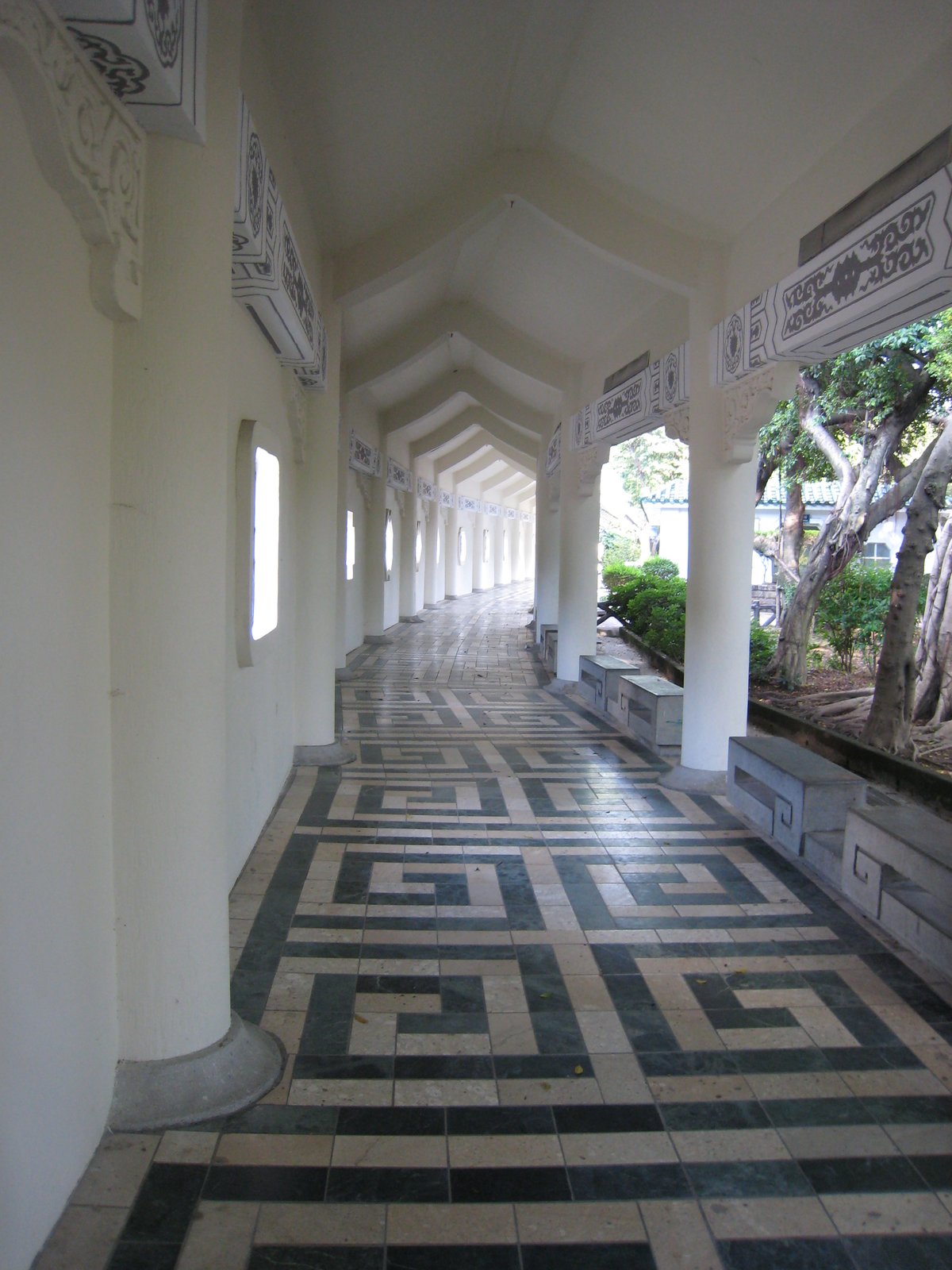
- Engawa (Veranda): A covered wooden walkway that connects inside and outside spaces.
- Multi-Entrance Layout: Separate access for residents and guests.
- Western-Style Rooms: Some areas adapted for Western-style dining and bathing (GoTeamJosh).
Preservation and Restoration
While many similar structures were lost to urban redevelopment, Fuzhou Street No. 11 survived thanks to growing heritage awareness and protective policies. Restoration projects focused on authentic materials, structural reinforcement, and adaptive reuse, ensuring both safety and historical integrity (GoTeamJosh; VibeDaily).
Urban and Cultural Landscape
The dormitory is part of Taipei’s largest and most intact cluster of Japanese-era official residences. Mature banyan trees, tranquil gardens, and narrow lanes preserve the early 20th-century atmosphere, contrasting with Taipei’s modern skyscrapers and busy streets (Taipei Times).
Notable Details and Unique Features
- Jerkinhead Roof: A rare hybrid roof style blending Japanese and Western aesthetics.
- Garden Courtyards: Landscaped spaces echoing Japanese traditions.
- Cultural Programming: The dormitory hosts literary salons, art exhibitions, and heritage workshops (VibeDaily).
Restoration and Adaptive Reuse
Restoration Process
The restoration of No. 11 Fuzhou Street prioritized authenticity and minimal intervention:
- Structural Rehabilitation: Reinforcement and replacement of wooden elements using traditional joinery.
- Architectural Detailing: Careful restoration of sliding doors, tatami rooms, and the engawa, guided by historical documentation (rtaiwanr.com).
- Climate Adaptation: Wide eaves and elevated floors for Taipei’s humid climate.
Community Involvement
Community advocacy was pivotal in preventing demolition and securing heritage status. Local groups, historians, and the Taipei City Department of Cultural Affairs worked together to document, restore, and repurpose the dormitory (taipeitimes.com).
Adaptive Reuse: From Dormitory to Cultural Space
Today, the dormitory operates as a cultural venue and café, Drop Coffee House, while retaining its traditional layout and ambiance. The site hosts events, workshops, and is open to the public for exploration and relaxation (rtaiwanr.com).
Visitor Information
Visiting Hours
- General Public: Tuesday–Sunday, 10:00 AM–6:00 PM (some sources cite 5:00 PM closing).
- Closed: Mondays and public holidays.
- Note: Special exhibitions may have extended hours; check the official website for updates.
Tickets and Admission
- Entry: Free for general visitors.
- Events/Workshops: Some may require tickets or advance registration.
How to Get There
- Address: No. 11, Fuzhou Street, Zhongzheng District, Taipei City.
- MRT: NTU Hospital Station (Red Line), 10-minute walk.
- Bus: Multiple routes nearby.
- Bike: YouBike stations are close to the venue.
Accessibility
- Facilities: Ramps, accessible restrooms, and multilingual signage.
- Note: Some structural limitations exist due to historic preservation; contact in advance for assistance.
Guided Tours and Events
- Guided Tours: Available on request or scheduled days; inquire ahead for group bookings.
- Special Events: Regular workshops, exhibitions, and cultural festivals; check the Department of Cultural Affairs for the calendar.
Photographic Spots
- Best Views: The façade, engawa, garden courtyards, and architectural details.
- Etiquette: No flash or tripods indoors; respect privacy of other guests.
Nearby Attractions
- Qidong Street dormitory cluster
- National Taiwan Museum
- Chiang Kai-shek Memorial Hall
- Dihua Street Historical District
- Ningxia Night Market
- 228 Peace Memorial Park
Visitor Experience and Practical Tips
- Atmosphere: Peaceful and immersive, with traditional tatami rooms, shoji screens, and landscaped gardens.
- Cultural Activities: Tea ceremonies, calligraphy, kimono experiences, and seasonal festivals.
- Amenities: Gift shop, tea room, rest areas, and activity booklets for children.
- Best Time to Visit: Weekday mornings for tranquility; spring and autumn for garden beauty.
- Etiquette: Remove shoes where indicated; food and drinks only in designated areas.
Frequently Asked Questions (FAQ)
Q: What are the visiting hours?
A: Tuesday to Sunday, 10:00 AM–6:00 PM. Closed Mondays and public holidays.
Q: Is there an admission fee?
A: General entry is free; some events may require a fee.
Q: Are guided tours available?
A: Yes, by prior arrangement.
Q: Is the site wheelchair accessible?
A: Yes, though some limitations exist due to the historic structure.
Q: Can I take photographs inside?
A: Yes, except where posted; no flash or tripods.
Q: How do I get there by MRT?
A: NTU Hospital Station, Exit 1, then a 10-minute walk.
Conservation and Urban Context
Fuzhou Street No. 11 is emblematic of Taipei’s efforts to balance modernization with heritage conservation. Legal frameworks such as the Cultural Heritage Preservation Act protect such sites, and adaptive reuse ensures their ongoing relevance (ScienceDirect).
Listen to the full story in the app
The whole Fuzhou Street No. 11 Japanese Dormitory,
told well.
Audio guides for 1,100+ cities across 96 countries. History, stories, and local insight — offline ready.

Verified, and shown.
Researched and written by the Audiala editorial team from historical records, architectural archives, and local expertise.
11 Japanese Dormitory: Hours, Tickets, and Taipei's Historic Sites, 2021, Taipei Times
11 Japanese Dormitory, 2021, rtaiwanr.com
11 Japanese Dormitory: Hours, Tickets, and What to Expect at This Taipei Historical Site, 2021, Taipei City Government
11 Japanese Dormitory: Hours, Tickets & Taipei Historical Sites Guide, 2021, TripZilla
Researched from Wikidata, Wikipedia & official sources · fact-checked · How we make our guides →