Plan and listen to Bell Tower Of Soto School Taiwan Branch with Audiala.
Audio guide in your pocket, itinerary in your browser. Built for the way you actually visit.
Introduction
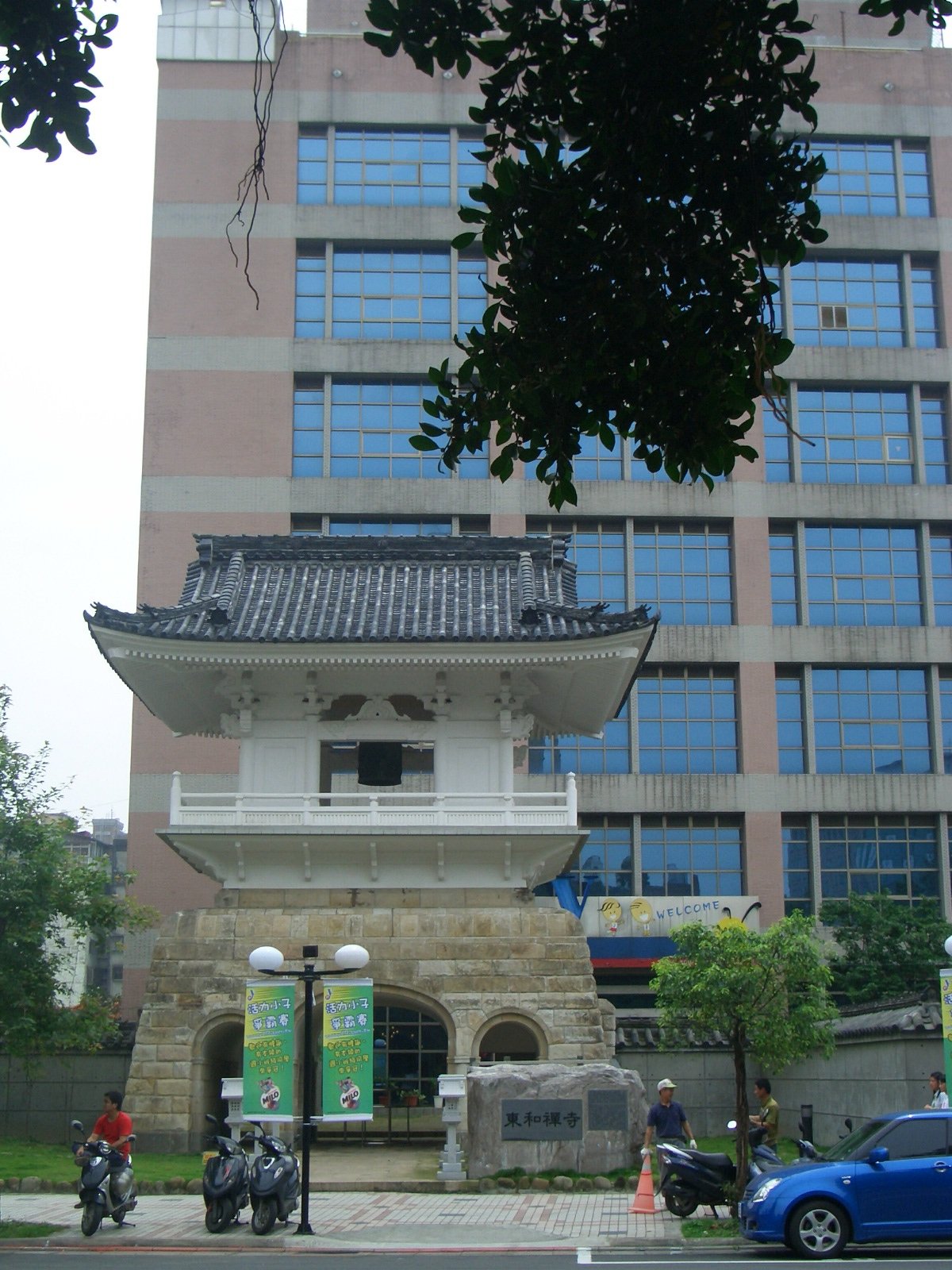
Situated in the lively heart of Taipei, the Bell Tower of Soto School Taiwan Branch stands as a remarkable testament to Taiwan’s multifaceted cultural and religious heritage. This structure, a rare survivor from the Japanese colonial era, not only embodies the architectural finesse of early 20th-century Japanese Buddhist design but also reflects the enduring cultural dialogues between Taiwan and Japan. Today, the Bell Tower is celebrated as one of Taipei’s essential historical sites—an accessible, educational, and serene destination for history buffs, architecture enthusiasts, and cultural travelers alike (Taipei City Youth Development and Family Education Center; Taiwan Religious Culture Map).

Historical Background and Heritage Significance
The Bell Tower was originally erected as part of the Soto Zen Daihonzai Temple complex, established in 1908 to serve the Japanese expatriate and Buddhist community during the colonial period. The bell tower itself, completed in 1930, is a fine example of the “hakamagoshi” (褲腰) style—an enclosed, two-storey structure that houses a large ceremonial bell on the upper floor. After 1945 and the end of Japanese rule, most of the temple complex was dismantled, but the bell tower and adjacent Guanyin Hall were preserved, largely due to community advocacy and official recognition of their historical value.
The tower has since been designated as a protected historic site, symbolizing both Taiwan’s colonial-era history and its ongoing commitment to preserving cultural diversity (Taiwan Religious Culture Map).
Architectural Features
Typology and Construction
- Typology: The tower exemplifies the Japanese Buddhist "shōrō" (鐘楼) design, specifically the hakamagoshi type, featuring a walled lower level and an open bell chamber above.
- Materials: The base is constructed from solid masonry with a symbolic “sanmon” (three-gate) motif representing enlightenment. The upper structure uses reinforced concrete with faux-wood finishes, combining earthquake resilience with traditional aesthetics.
- Roof: The irimoya-zukuri (hip-and-gable) roof, a hallmark of Japanese temple architecture, crowns the structure with elegant lines and upturned eaves.
- Bell: The bonshō (temple bell) was cast in Kyoto in 1920 and installed the following year. It is adorned with Buddhist inscriptions and is used during special ceremonies (GoTeamJosh).
Ornamentation and Unique Elements
- Overhanging balcony with traditional joinery motifs.
- Integration of faux-wood detailing to emulate Japanese carpentry.
- Architectural blending of Japanese and Taiwanese styles visible in the juxtaposition with the nearby Guanyin Hall.
Religious and Cultural Importance
The Bell Tower’s continued presence highlights the long-standing influence of Soto Zen Buddhism in Taiwan. It is a focal point for religious ceremonies, such as the ringing of the bell to mark time, meditation cycles, and annual purification rituals like the New Year’s Eve “Joya no Kane,” during which the bell is rung 108 times to symbolize the cleansing of earthly desires.
The tower also serves as a symbol of peace and reconciliation, hosting interfaith events and community gatherings that foster intercultural dialogue. Its historical resonance makes it a living monument to both spiritual practice and Taiwan’s multicultural heritage (Taiwan Religious Culture Map).
Preservation and Restoration Efforts
Legal Framework and Conservation
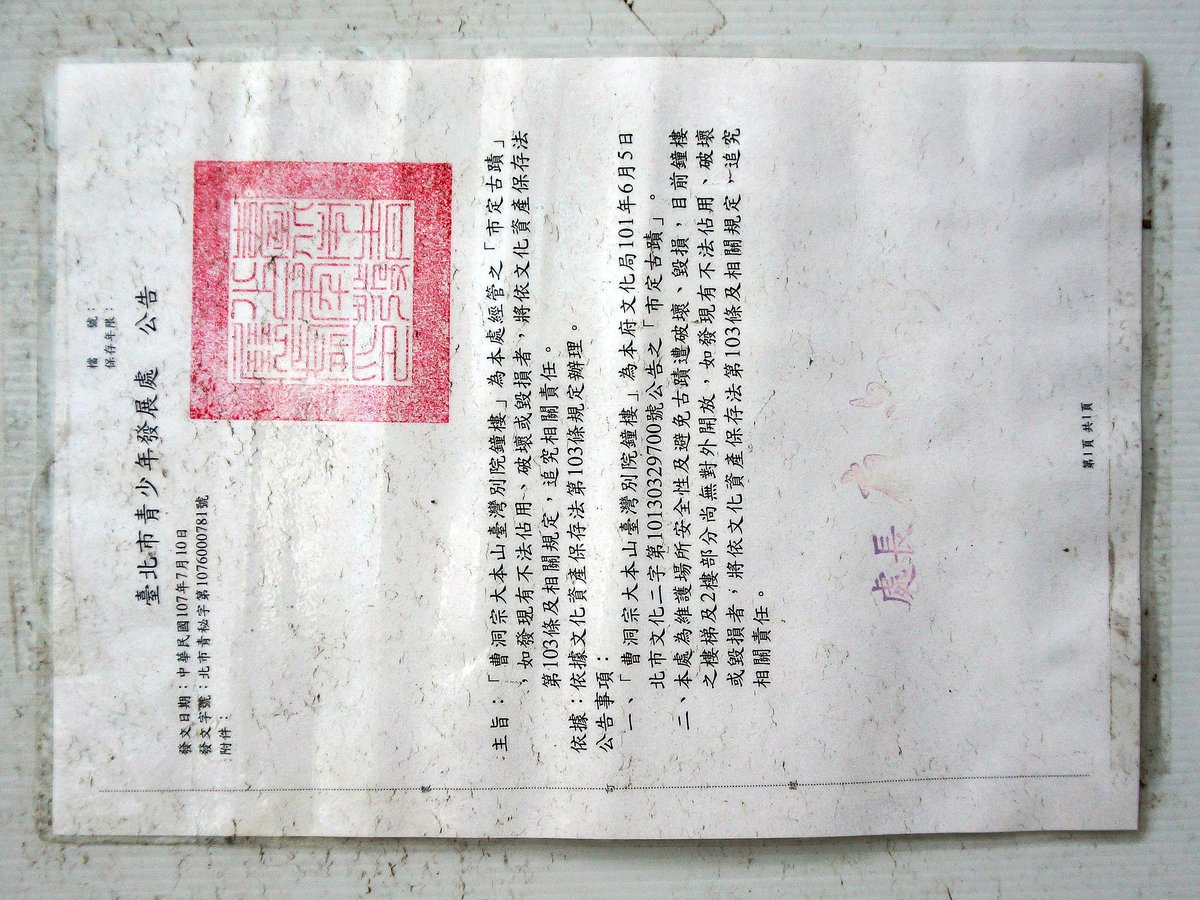
Protected under Taiwan’s Cultural Heritage Preservation Act and the Cultural Fundamental Act, the Bell Tower has benefited from extensive restoration efforts. These include:
- Historical Research: Ensuring accuracy in reconstruction.
- Material Conservation: Reusing or replicating original materials.
- Structural Reinforcement: Enhancing seismic safety with modern engineering.
- Artisan Involvement: Employing traditional Japanese and Taiwanese techniques.
Restoration projects are supported by the Ministry of Culture and often involve international collaboration with Japanese experts, maintaining authenticity and fostering cross-cultural exchange (Ministry of Culture; Executive Yuan).
Community and Educational Engagement
Local residents, historians, and volunteers actively participate in preservation, ensuring the site remains a space for learning and community building. Educational programs and workshops are regularly held, deepening public appreciation for the tower’s heritage values.
Visitor Information
Visiting Hours and Tickets
- Hours: Open daily from 9:00 AM to 5:00 PM (last entry at 4:30 PM). Closed on some public holidays or for periodic maintenance—check the official website before your visit.
- Tickets: Admission is NT$100 for adults, NT$50 for students and seniors, and free for children under 12. Purchase tickets onsite or online.
Accessibility and Facilities
- Location: Easily reached via Taipei MRT (nearest stations: NTU Hospital, Chiang Kai-Shek Memorial Hall, or Ximen), bus, or taxi.
- Facilities: Visitor Information Center (with multilingual guides), accessible restrooms, rest areas, and a gift shop featuring local crafts and Buddhist-themed souvenirs.
- Accessibility: Ramps, tactile paving, and accessible toilets are provided. The grounds are mostly barrier-free, but the bell chamber is accessed by stairs.
Guided Tours and Programs
- Guided Tours: Available in Mandarin, English, and Japanese—book in advance for a richer experience.
- Audio Guides: Rent onsite or use QR codes for a self-guided tour.
- Workshops: Includes bell-ringing demonstrations, calligraphy sessions, and Zen Buddhism lectures.
Etiquette and Conduct
- Dress modestly (cover shoulders and knees).
- Remove shoes where indicated.
- Photography is allowed outdoors; refrain from taking pictures during ceremonies or in restricted areas.
- Maintain a quiet and respectful demeanor (Lonely Planet).
Sustainable Tourism Initiatives
- Recycling and reduced single-use plastics.
- Energy-efficient lighting and solar power.
- Gift shop supports local artisans (Executive Yuan).
Highlights and Nearby Attractions
- Photography: Capture the tower’s unique blend of Japanese and Taiwanese architecture, especially in the morning or late afternoon light.
- Special Events: Attend bell-ringing ceremonies and cultural festivals to experience the site’s living traditions.
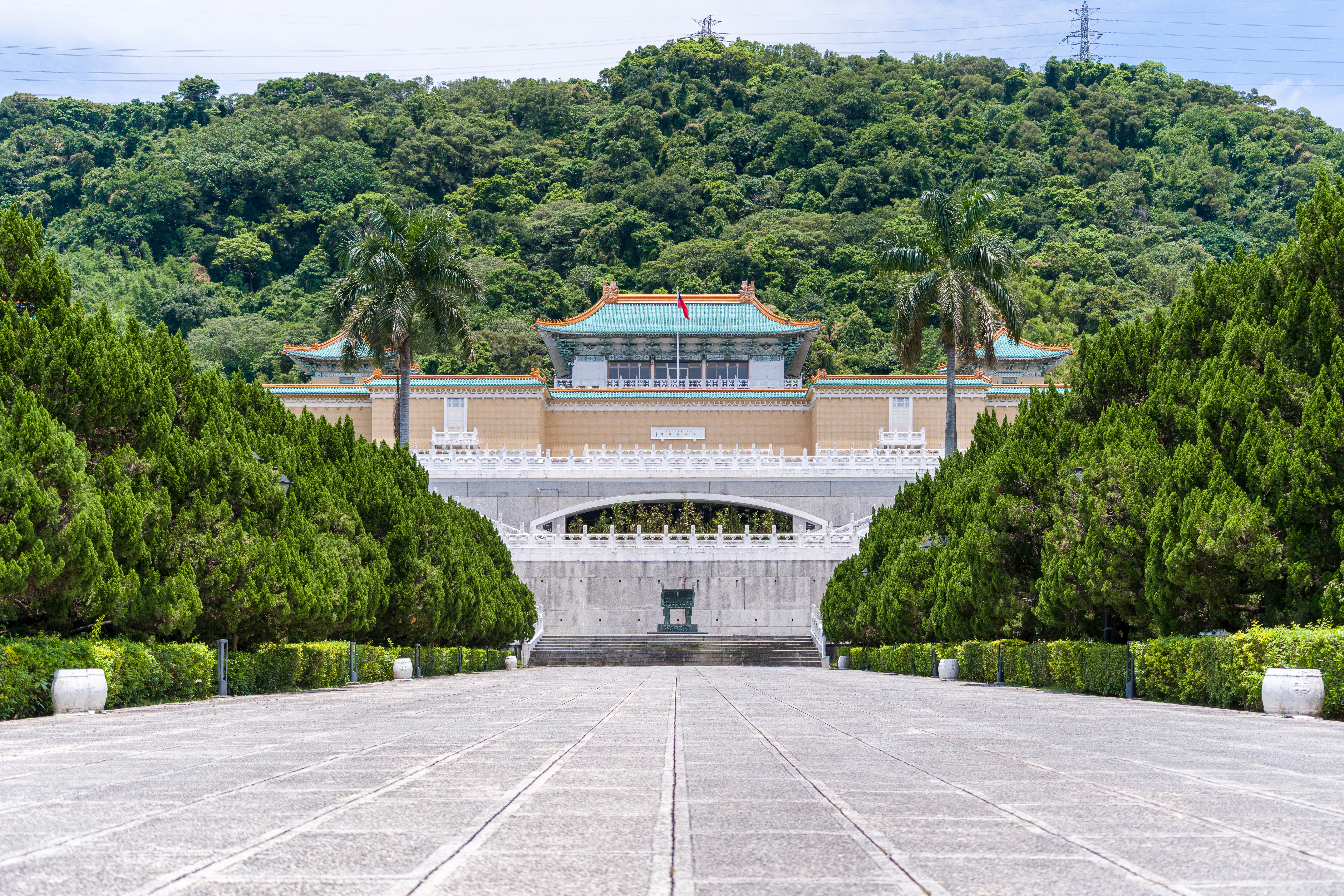
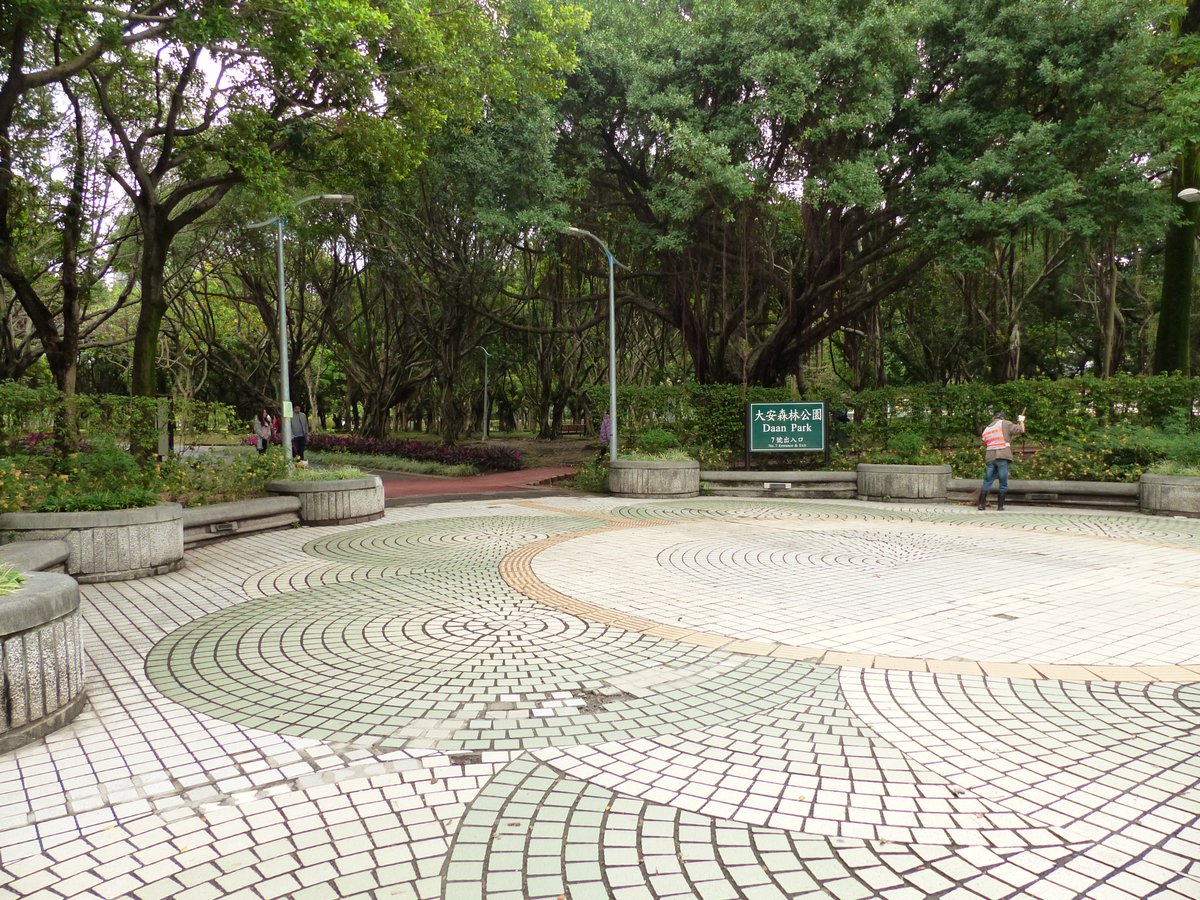
- Nearby Sites: Combine your visit with Longshan Temple, Chiang Kai-shek Memorial Hall, Daan Forest Park, and the National Palace Museum for a comprehensive cultural tour (Pinoy Adventurista; Taipei Historical Sites Collection).
Frequently Asked Questions (FAQ)
Q: What are the Bell Tower’s visiting hours?
A: 9:00 AM to 5:00 PM daily (last entry at 4:30 PM).
Q: How much is admission?
A: NT$100 for adults, NT$50 for students/seniors, free for children under 12.
Q: Is the site accessible for people with disabilities?
A: Yes, with ramps and accessible restrooms, though the bell chamber is only accessible by stairs.
Q: Are guided tours available?
A: Yes, in multiple languages—advance booking recommended.
Q: Is photography allowed?
A: Outdoors, yes; indoors and during ceremonies, restrictions apply.
Summary Table: Key Features
| Feature | Description |
|---|---|
| Typology | Japanese Buddhist “shōrō” bell tower, hakamagoshi (enclosed) style |
| Materials | Masonry base, reinforced concrete upper level, faux-wood finishes |
| Roof | Irimoya-zukuri (hip-and-gable) with traditional Japanese tiles |
| Bell | Bonshō, cast in Kyoto (1920), Buddhist inscriptions |
| Accessibility | Wheelchair ramps, accessible restrooms, tactile paving |
| Programs | Guided tours, audio guides, workshops, bell-ringing ceremonies |
| Sustainability | Energy-efficient lighting, recycling, support for local artisans |
Map and Images
Discover More
The Bell Tower of Soto School Taiwan Branch is a living symbol of Taipei’s rich heritage. Its careful preservation, educational programs, and ongoing cultural activities make it an essential stop for anyone interested in the city’s history and spiritual tapestry. Plan your visit by checking the latest updates and ticket information on the official website, and enhance your experience with a guided tour or special event.
For more information, download the Audiala app for an audio guide, and follow official channels for the latest news and event updates. Don’t miss the opportunity to experience this harmonious blend of architecture, history, and spirituality in the heart of Taipei.
Listen to the full story in the app
The whole Bell Tower Of Soto School Taiwan Branch,
told well.
Audio guides for 1,100+ cities across 96 countries. History, stories, and local insight — offline ready.
Verified, and shown.
Researched and written by the Audiala editorial team from historical records, architectural archives, and local expertise.
Researched from Wikidata, Wikipedia & official sources · fact-checked · How we make our guides →