Plan and listen to Bangka Dizang Temple with Audiala.
Audio guide in your pocket, itinerary in your browser. Built for the way you actually visit.
Introduction
Bangka Dizang Temple (艋舺地藏庵), nestled in Taipei’s historic Wanhua District, is one of the city’s oldest and most revered religious sites. Founded in 1760 during the Qing dynasty, it honors Kṣitigarbha Bodhisattva (Dizang Wang Pusa), the guardian of departed souls. This temple embodies centuries of Taiwanese religious syncretism—melding Buddhism, Daoism, and folk traditions—and offers a vivid glimpse into Taipei’s early settlement, architecture, and community life. With its distinctive Qing-era design, ongoing cultural festivals, and central location near Longshan Temple MRT station, Bangka Dizang Temple is a must-visit for anyone exploring Taipei’s heritage. This detailed guide provides essential visiting information, historical background, practical tips, and cultural insights to ensure a meaningful and respectful visit.
Historical Background
Origins and Development
Bangka Dizang Temple was established in 1760 by early Han settlers from Fujian Province, China, in response to the spiritual needs of the burgeoning Bangka (now Wanhua) community. As one of Taipei’s earliest religious structures, the temple quickly became a focal point for worship, community gatherings, and social support. Its founding coincided with a period of rapid immigration, reflecting the transmission of Kṣitigarbha Bodhisattva worship and related folk beliefs (Taipei City Government).
Architectural Evolution and Significance
The temple exemplifies mid-Qing dynasty architecture, featuring a restrained single-hall layout, swallowtail roofs, and intricate wood and stone carvings. Distinctive elements include narrative murals, ornate lanterns, and vibrant ceramic decorations. Renovations in 1838 and the 21st century have preserved these features, and on August 19, 1985, Bangka Dizang Temple was officially recognized as Taipei’s 11th historical site (Taipei City Government).
Religious and Social Role
Bangka Dizang Temple has long served as a spiritual and social anchor for the local community, offering solace to migrants and honoring both city guardian deities and Master Tiandu. Its rituals blend Buddhist, Daoist, and folk traditions, while the neighboring Zhaoxian Temple’s focus on unknown souls underscores a commitment to marginalized groups (Taipei City Government).
Wanhua District Context
The temple’s location in Wanhua, Taipei’s oldest district and original trading hub, reflects the area’s layered history. Bangka Dizang Temple has survived the Qing, Japanese colonial, and modern Republic of China eras, symbolizing both resilience and continuity (Wikipedia).
Visiting Information
Visiting Hours
- General Hours: Daily, 6:00 AM – 9:00 PM (Trip.com)
- Note: Hours may vary for major festivals or special events—check official sources before your visit.
Tickets & Admission
- Admission: Free for all visitors.
- Guided Tours: Occasionally available through local organizations or as part of Taipei historical site tours. Check with the temple or city tourism office in advance.
Accessibility
- Mobility: The temple is wheelchair accessible, with ramps and wide paths.
- Transport: Take the Taipei Metro to Longshan Temple Station (Blue Line), then walk 5–10 minutes to the temple.
- Facilities: Restrooms, shaded seating, and multilingual signage are provided.
Travel Tips
- Visit early morning or late afternoon to avoid crowds.
- Dress modestly (cover shoulders and knees).
- Combine your visit with nearby sites like Longshan Temple, Bopiliao Historic Block, and Huaxi Street Night Market.
Architectural Highlights
Main Gate and Courtyard
Visitors enter through an ornate granite paifang (main gate) carved with dragons, phoenixes, and lotus motifs, signaling prosperity and protection. The spacious forecourt is lined with incense burners and lanterns, setting a contemplative atmosphere.
Roof and Decorative Elements
The temple’s signature swallowtail roof features upturned eaves and colorful glazed tiles. Ceramic figures atop the roof depict dragons, mythical creatures, and deities, each carrying symbolic meanings of protection and blessing. Roof structures use traditional dougong (bracket sets) and earthquake-resistant joinery.
Main Hall and Subsidiary Shrines
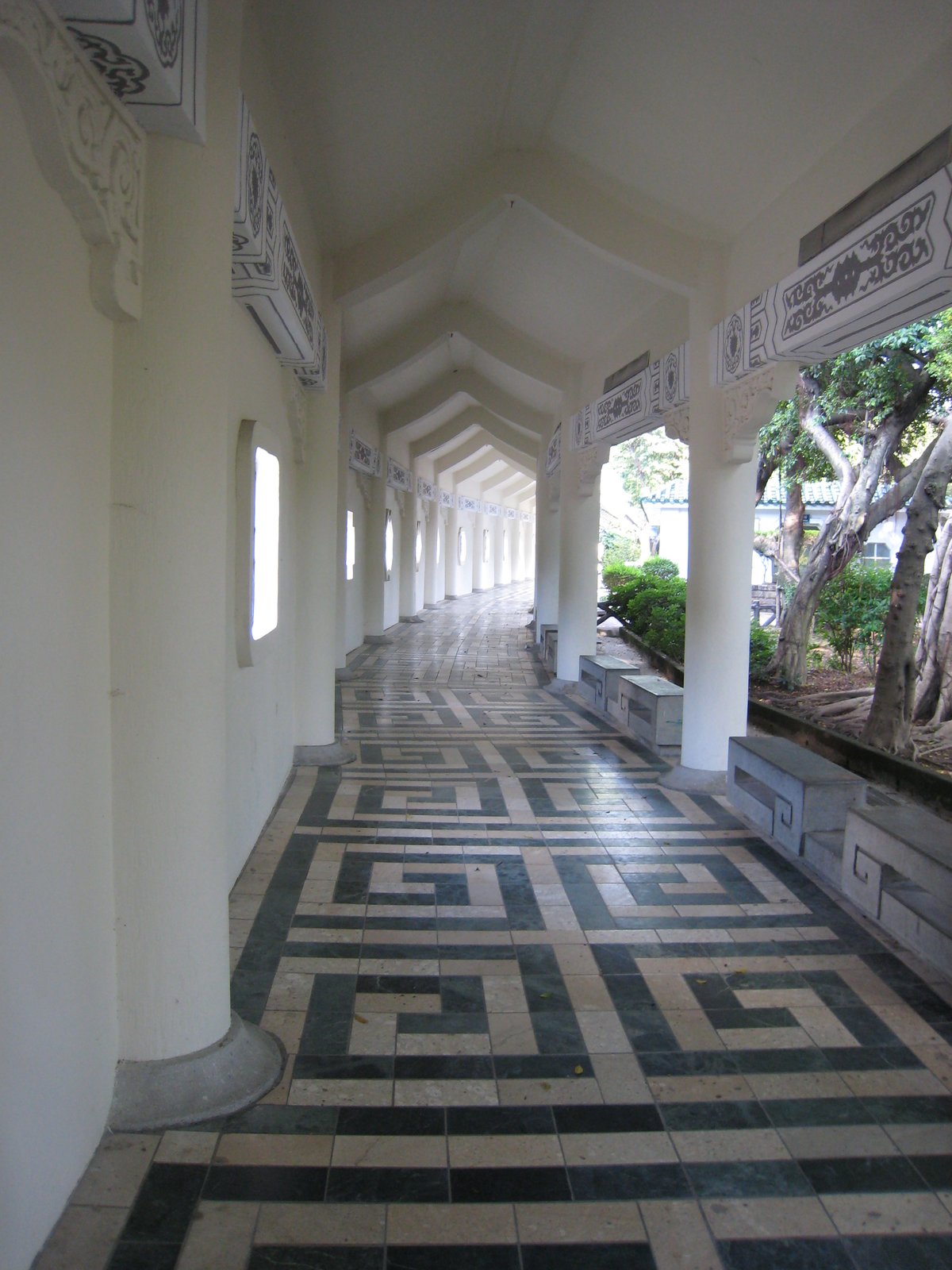
The main hall (Dadian) enshrines Kṣitigarbha Bodhisattva, surrounded by intricate woodwork and gilded statues. Side halls are dedicated to Guanyin, Mazu, and local earth gods, each with their own artistic flourishes and symbolic carvings. Covered walkways facilitate ritual processions and offer shelter.
Construction Materials and Techniques
Built from granite and native woods such as camphor and cypress, the temple showcases traditional Taiwanese craftsmanship. Kiln-fired ceramics and painted calligraphy enhance both aesthetics and spiritual significance.
Artistic Features
Murals and carvings narrate Buddhist sutras, local legends, and auspicious motifs. Dragons symbolize power, peonies wealth, and lotus flowers purity. Calligraphic inscriptions impart blessings and wisdom.
Preservation Efforts
Continuous restoration uses traditional materials and methods. Collaborations with heritage groups ensure the temple’s authenticity and longevity, while educational programs raise awareness of its cultural value (Pop-Rooms).
Rituals and Festivals
- Kṣitigarbha Bodhisattva’s Birthday: Celebrated on the 30th day of the 7th lunar month with processions, chanting, and offerings.
- Ghost Festival (Zhongyuan Jie): Takes place throughout the 7th lunar month; rituals aim to appease wandering spirits.
- Regular Rituals: Incense burning, fruit/flower offerings, and sutra chanting are common practices.
- Community Events: Charity drives, traditional music, and educational workshops foster local unity (Taiwan Obsessed).
Community and Educational Roles
The temple hosts workshops on Buddhist teachings, traditional arts, and local history. It plays a vital social role through charity initiatives and disaster relief, embodying the temple’s ongoing commitment to community welfare (Pop-Rooms).
Urban Integration and Modern Challenges
Amidst Taipei’s dynamic urban landscape, Bangka Dizang Temple remains a peaceful sanctuary. Recent efforts focus on balancing heritage preservation with urban development, using digital outreach to engage younger generations and international visitors (Pop-Rooms).
Nearby Attractions
- Longshan Temple: Another major temple just minutes away.
- Bopiliao Historic Block: Preserved Qing-era architecture.
- Huaxi Street Night Market: Famous for local delicacies.
- Xichang Street Night Market: Bustling with food vendors and street performances.
- Ximending District: Trendy shopping and entertainment area (Gamin Traveler).
Visitor Facilities and Etiquette
- Facilities: Wheelchair access, restrooms, shaded seating, and basic English signage.
- Etiquette: Enter through the dragon gate, exit via the tiger gate. Remove hats and sunglasses inside halls, speak softly, and avoid touching religious objects. Dress modestly and bow slightly when passing altars (Gamin Traveler).
Best Visiting Times
- Weather: Spring (March–May) and autumn (October–November) offer mild, pleasant weather (Treksplorer; NaviTaiwan).
- Festivals: Major festivals offer lively cultural experiences but can be crowded.
- Avoid: Peak summer (heat/humidity) and typhoon season.
Unique Experiences
- Early Mornings: Enjoy a peaceful atmosphere and observe daily rituals.
- Festivals: The temple glows with lanterns and traditional music during special occasions.
- Local Fortune Telling: Some nearby temples offer English-language fortune-telling (Get Me to Taiwan).
Safety and Comfort
Taipei is a safe city. Exercise standard travel precautions, keep valuables secure, and stay hydrated during warmer months. The temple is family-friendly and the district offers amenities for all ages (Gamin Traveler).
Frequently Asked Questions (FAQ)
Q: What are the temple’s visiting hours?
A: 6:00 AM to 9:00 PM daily; hours may vary during festivals.
Q: Is there an entrance fee?
A: No, admission is free.
Q: How do I get there by MRT?
A: Take the Blue Line to Longshan Temple Station, then walk 5–10 minutes.
Q: Are guided tours available?
A: Occasionally, or as part of broader Taipei historical tours.
Q: Can I take photos?
A: Yes, in public areas, but avoid flash and photography during ceremonies.
Listen to the full story in the app
The whole Bangka Dizang Temple,
told well.
Audio guides for 1,100+ cities across 96 countries. History, stories, and local insight — offline ready.

Verified, and shown.
Researched and written by the Audiala editorial team from historical records, architectural archives, and local expertise.
Exploring Bangka Dizang Temple
News on Bangka Dizang Temple
Wanhua District. Wikipedia
(2023). The Incredible Temples of Taipei: A Visitor’s Guide
(2022). The 25 Best Temples in Taipei
(2023). Taiwan in June: Festivals and Events
(2024). Things to Know Before Visiting Taipei
Bangka Dizang Temple Travel Guide
Things to Know Before Traveling to Taipei
Best Time to Visit Taipei
Best Time to Visit Taiwan
Bangka Dizang Temple Architectural Details
Things to Do in Taipei Part 2
Download and Travel Tips
Researched from Wikidata, Wikipedia & official sources · fact-checked · How we make our guides →