Introduction
登山街60巷, located in Kaohsiung, Taiwan, is a site of immense historical and cultural significance. This fascinating location offers visitors a unique opportunity to explore the city's rich heritage, dating back to the Qing Dynasty. Originally serving as a crucial water source for merchant ships, 登山街60巷 has played various roles throughout its history, including military defense and community formation (source). The area is renowned for its blend of architectural styles, from traditional Taiwanese to colonial influences, and features key historical structures such as the 大坪頂砲台 (Dapingding Battery) and the 壽山紀念公園 (Shoushan Memorial Park) (source). Today, 登山街60巷 is not only a window into the past but also a vibrant cultural and educational site, offering guided tours, special events, and interactive experiences like the 時空廊道滑梯 (Time Corridor Slide) (source). In this comprehensive guide, we delve into the rich history, key attractions, and practical visitor information to help you make the most of your visit to this remarkable historical site.
Photo Gallery
Explore Wude Martial Arts Center in Pictures
Early History and Development
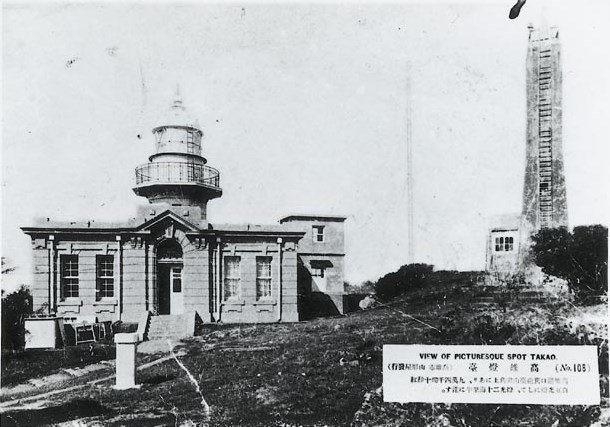
登山街60巷's significance dates back to 1864 when the port of 打狗 (Takao, now Kaohsiung) officially opened. During this period, mountain spring water from 壽山 (Shoushan) flowed through 登山街60巷 to the port, providing fresh water for merchant ships. This water source was named 打水灣 (Freshwater Bay) (source).
Military Significance in the Qing Dynasty
In 1886, Taiwan's first governor, 劉銘傳 (Liu Mingchuan), initiated the construction of the 大坪頂砲台 (Dapingding Battery) on 壽山 to strengthen the defenses of 打狗港 (Takao Port). By 1889, three Armstrong breech-loading cannons purchased from the United Kingdom were transported up the stone steps of 登山街60巷 and installed at the battery (source).
Japanese Colonial Period
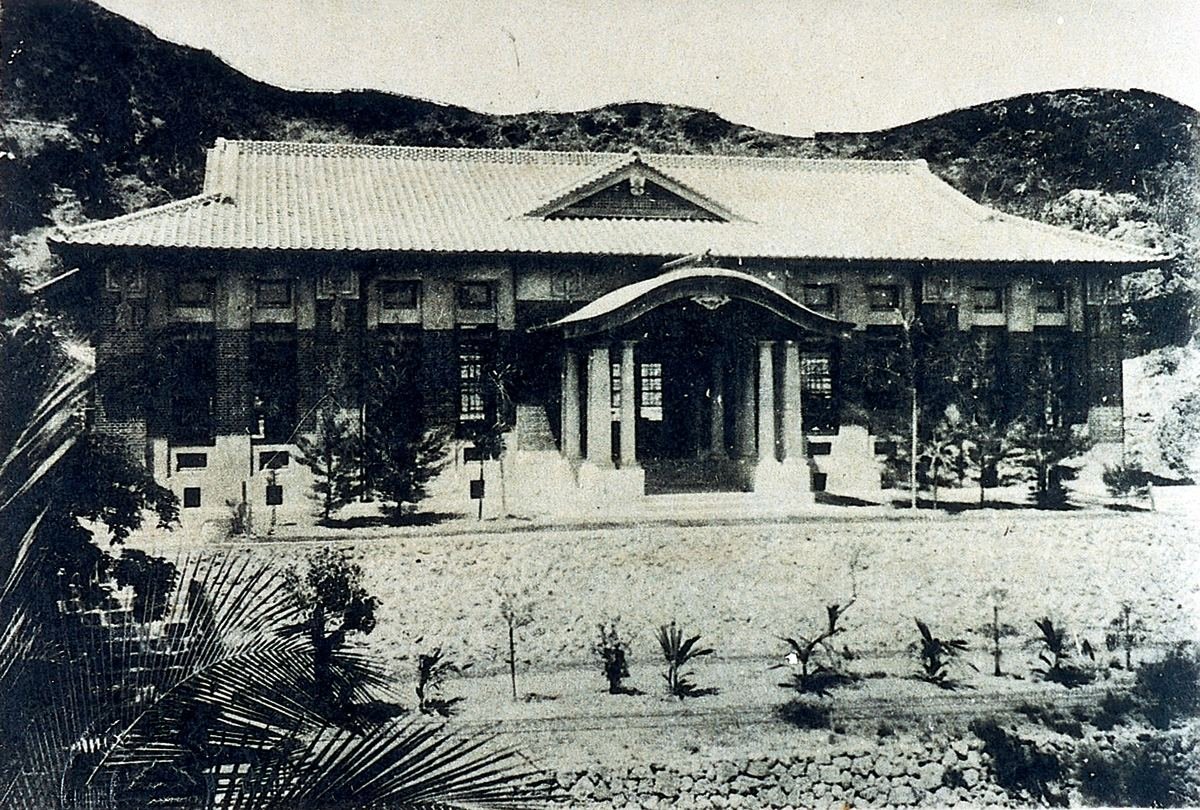
The Japanese colonial period brought further developments to 登山街60巷. In 1923, Crown Prince Hirohito of Japan visited the area, walking the ancient path to overlook the scenic harbor. By 1925, the path was transformed into a scenic observation path as part of the construction of 壽山紀念公園 (Shoushan Memorial Park) (source).
During the same period, two platforms were built on the eastern side of the ancient path to serve as residences for officials of the Kaohsiung Port Construction Office. After World War II, in 1945, these residences were repurposed as housing for the Kaohsiung Harbor Bureau (source).
Post-War Developments and Community Formation
Following the end of World War II, the area saw an influx of military dependents and rural migrants from China. These new residents constructed simple houses on the slopes, forming a mountain settlement. While the western side of the settlement remains largely intact, most of the eastern structures have been demolished, leaving behind partial walls, columns, and decorative tiles (source).
Modern Restoration and Preservation Efforts
In 1998, the land encompassing 登山街60巷 was allocated to National Sun Yat-sen University. The university has since undertaken efforts to restore and preserve the historical significance of the area. This includes the creative design of viewing spaces and the integration of the historical site with the university's pedestrian walkway system (source).
Key Historical Structures and Features
高雄築港出張所官舍區和防空壕 (Kaohsiung Port Construction Office Residences and Air-Raid Shelters)
The upper platform of the Kaohsiung Port Construction Office Residences, now part of National Sun Yat-sen University, features a two-story wooden house and a garage. The lower platform includes a wooden bungalow and a meticulously crafted air-raid shelter built in 1938 using limestone from 壽山 (source).
機槍堡 (Machine Gun Bunkers)
In response to the outbreak of the Second Sino-Japanese War in 1937, the Japanese military established the Kaohsiung Fortress Command on 壽山. By 1944, the U.S. military began intensive bombing of Kaohsiung Port, leading to significant damage. In 1945, the Japanese army constructed numerous machine gun bunkers in the 壽山 area, including one at the entrance to the mountain road (source).
清代古道與日治展望道 (Qing Dynasty Ancient Path and Japanese Observation Path)
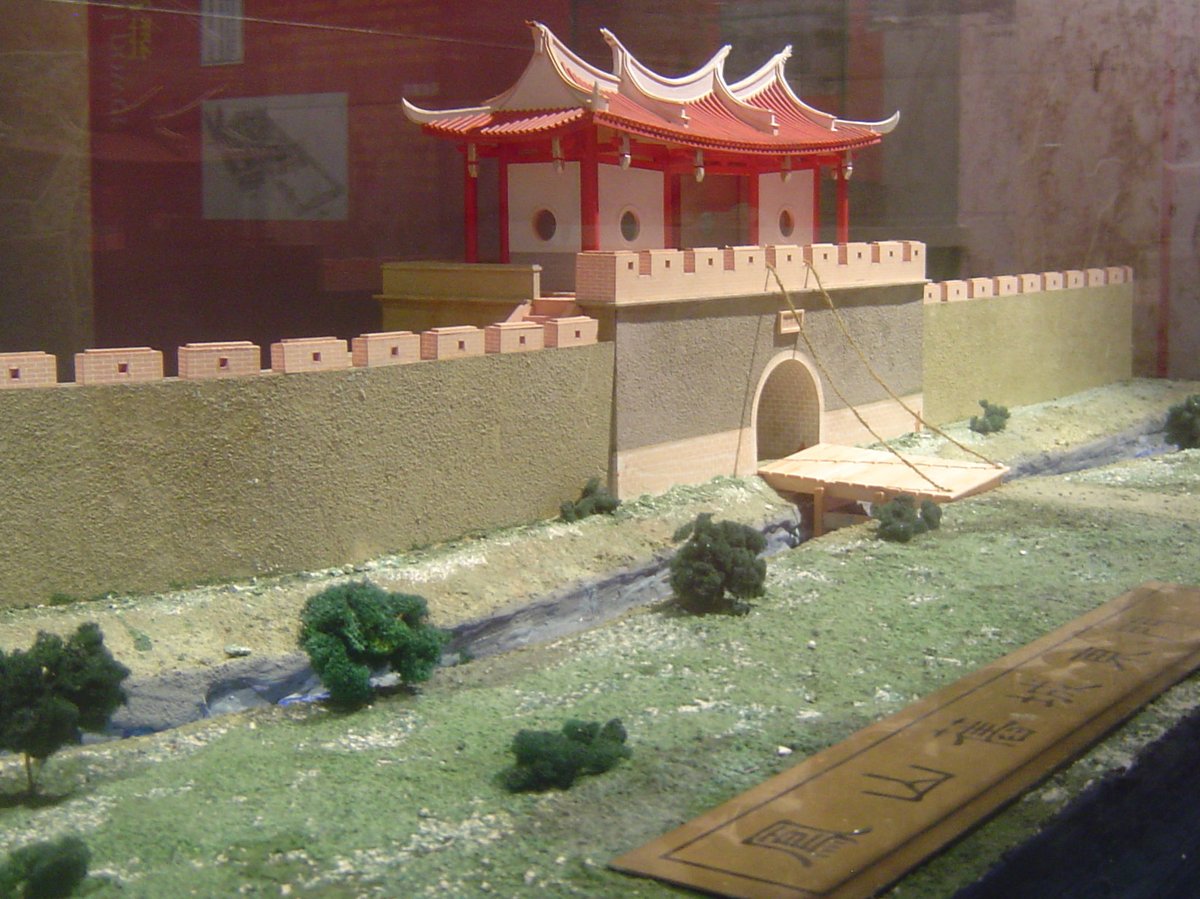
登山街60巷 serves as a historical route connecting the 大坪頂砲台 and the 雄鎮北門 (Xiongzhen North Gate) during the Qing Dynasty. The path was later designated as an observation path during the Japanese colonial period, providing panoramic views of Kaohsiung Harbor (source).
硓咕石排水道 (Limestone Drainage Ditch)
Constructed in 1938, the limestone drainage ditch was part of the slope engineering for the Kaohsiung Port Construction Office Residences. The ditch features three-sided limestone masonry and was originally connected to a natural mountain stream (source).
打水灣水道遺跡 (Freshwater Bay Waterway Ruins)
The intersection of the military ancient path and the Freshwater Bay waterway at 登山街60巷 has left historical remnants that have endured for over a century. The water source, located in the dense forest behind 壽山館, flows down to 登山街60巷 and the 西子灣 campus of National Sun Yat-sen University, creating a natural wetland with various wetland plants (source).
Community Memories and Cultural Heritage
The 登山街60巷 area has a rich cultural heritage, shaped by the diverse communities that have lived there over the years. The first residents in 1954 were military dependents, followed by migrants from Zhejiang, Hunan, and Hubei provinces. The area also saw an influx of rural migrants from Tainan and Penghu counties after the 1977 Typhoon Selma, which destroyed many of the simple houses in the mountain settlement (source).
Visitor Information
To enhance your visit to 登山街60巷, here is some essential information:
- Visiting Hours: The site is open daily from 8:30 AM to 12:00 PM and 1:30 PM to 5:30 PM.
- Tickets: Entry is free, but visitors must obtain a number ticket for certain attractions, such as the 時空廊道滑梯 (Time Corridor Slide).
- Special Events: The Kaohsiung City Government periodically hosts events and guided tours. Check their official website for the latest updates.
- Travel Tips: Wear comfortable shoes as the area involves walking on ancient paths and uneven terrain.
- Nearby Attractions: While in Kaohsiung, consider visiting the 壽山紀念公園 (Shoushan Memorial Park) and the 西子灣 campus of National Sun Yat-sen University.
- Accessibility: The site has some challenging terrain; however, efforts are being made to improve accessibility for all visitors.
Recent Developments and Visitor Experience
In recent years, 登山街60巷 has been revitalized as a historical and cultural site. The Kaohsiung City Government has implemented a plan to recreate the historical scene of 哈瑪星 (Hamasen) over eight years, with 登山街60巷 being the first site to undergo this transformation. A notable feature is the 時空廊道滑梯 (Time Corridor Slide), which allows visitors to experience a journey through history as they slide down the slope, passing by historical sites such as the ancient path and air-raid shelters (source).
The slide is open to visitors aged six and above, with a daily limit of 600 participants. The experience is free, but visitors must obtain a number ticket to participate. The slide operates from 8:30 AM to 12:00 PM and 1:30 PM to 5:30 PM daily (source).
FAQ
Q: What are the visiting hours for 登山街60巷? A: The site is open daily from 8:30 AM to 12:00 PM and 1:30 PM to 5:30 PM.
Q: Are there any ticket requirements? A: Entry is free, but visitors must obtain a number ticket for certain attractions, such as the 時空廊道滑梯 (Time Corridor Slide).
Q: What should I wear when visiting? A: Wear comfortable shoes as the area involves walking on ancient paths and uneven terrain.
Q: Are there guided tours available? A: Yes, the Kaohsiung City Government periodically hosts events and guided tours. Check their official website for the latest updates.
Q: Is the site accessible for all visitors? A: The site has some challenging terrain; however, efforts are being made to improve accessibility for all visitors.
Listen to the full story in the app
Your Personal Curator, in Your Pocket.
Audio guides for 1,100+ cities across 96 countries. History, stories, and local insight — offline ready.
Audiala App
Available on iOS & Android
Join 50k+ Curators
Sources
- verified
- verified
- verified
- verified
Last reviewed: