Introduction
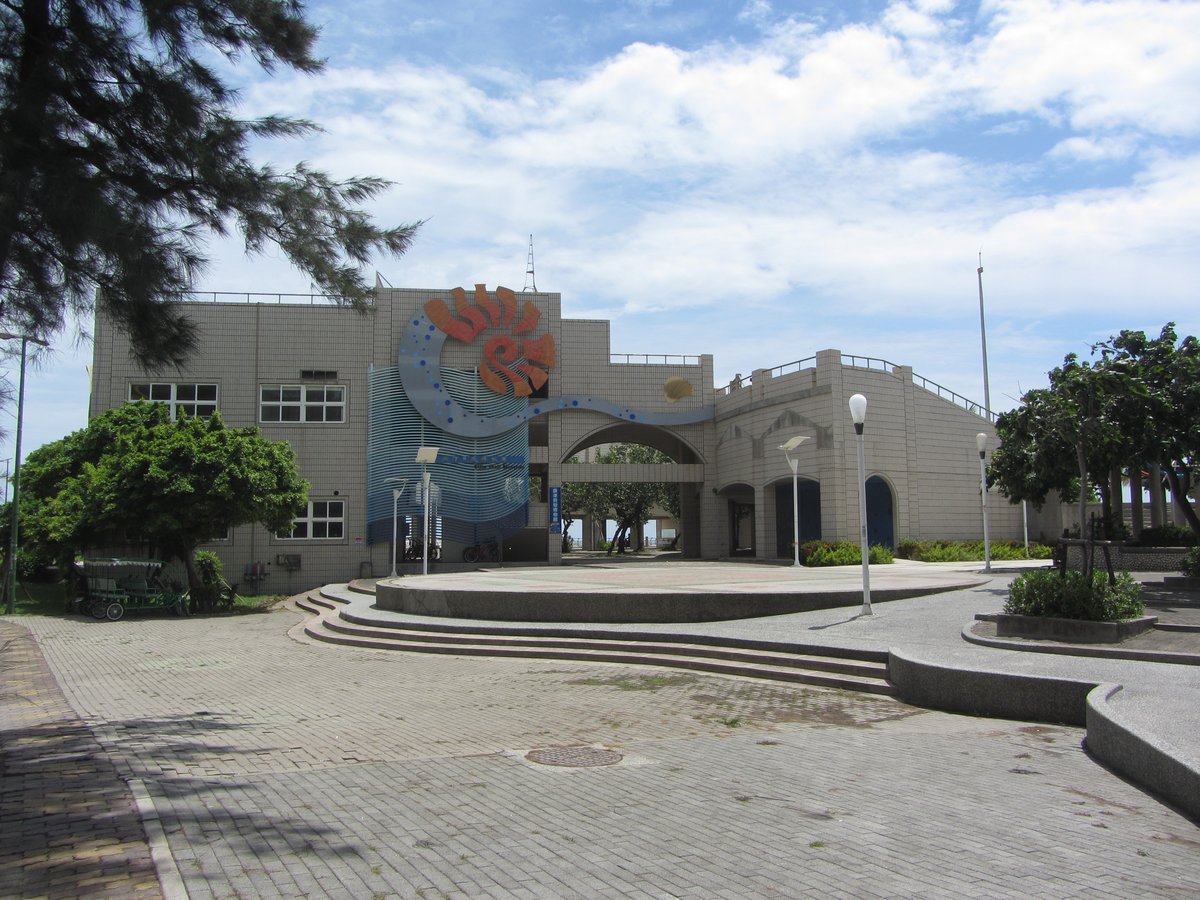
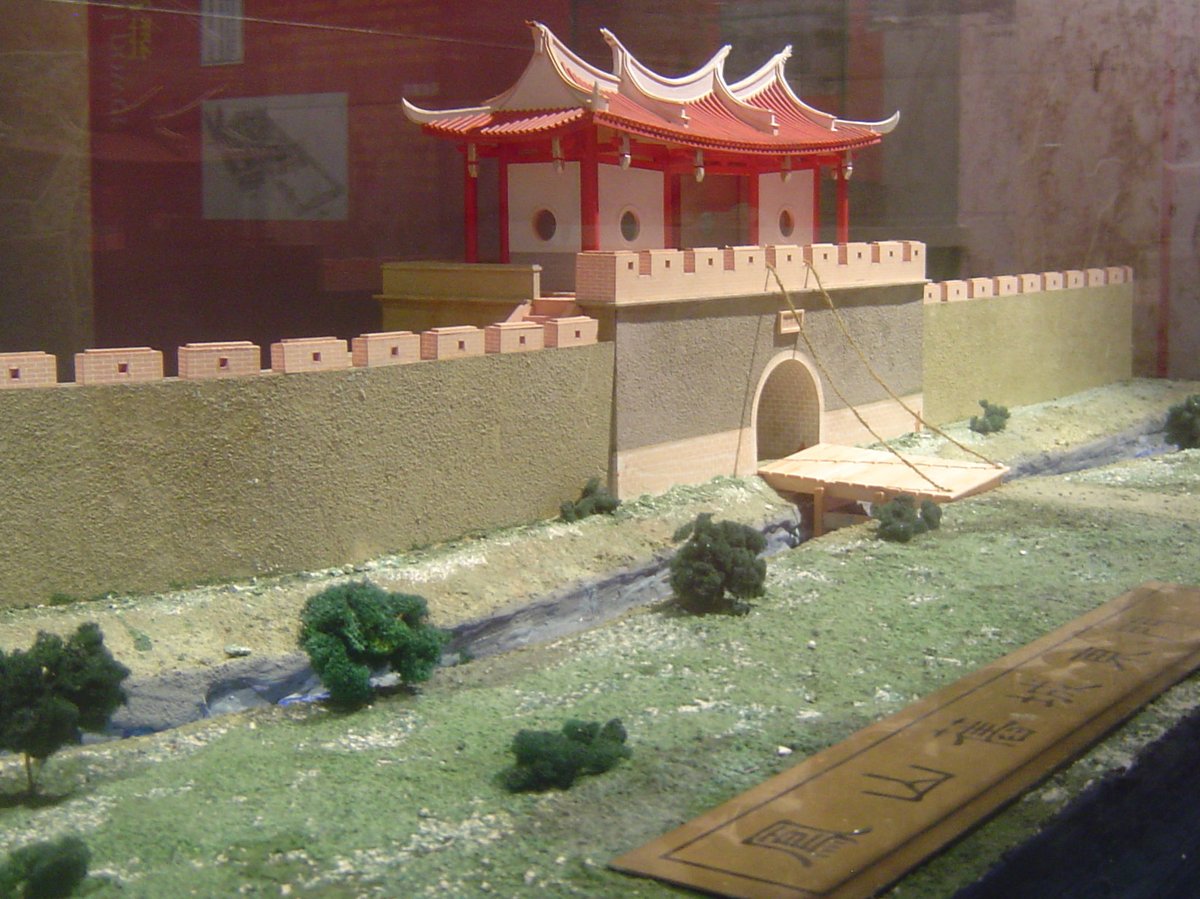
Are you planning a trip to Kaohsiung, Taiwan? Don’t miss the Dashuiwan Waterway Ruins (打水灣水道遺跡), a site that offers a fascinating glimpse into the region’s rich maritime history. Nestled in the Gushan District of Kaohsiung, this historical site provides visitors with a unique opportunity to explore remnants of ancient civilizations and understand the strategic importance of this port city over the centuries. From its early days as a pirate-infested region during the Ming dynasty to its transformation into a bustling industrial hub, the Dashuiwan Waterway Ruins stand as a testament to Kaohsiung's historical significance (Wikipedia, Our Town). This comprehensive guide covers everything you need to know for a memorable visit, including historical insights, cultural significance, practical visitor tips, ticket information, and more.
Photo Gallery
Explore Mount Shou in Pictures
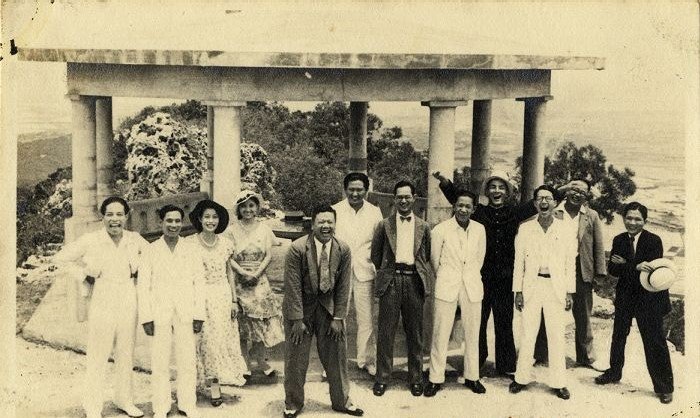
Historic 1934 Taiwan Homeland Concert group photo taken outdoors at Kaohsiung Shoushan featuring musicians Jiang Wen-ye, Weng Rong-miao, Lin Qiu-jin, Gao Ci-mei, Yang Zhao-jia, Lin Jin-sheng, Peng Jin-guo, Chen Wan, Lin Cheng-mu, and Yang Ji-chun
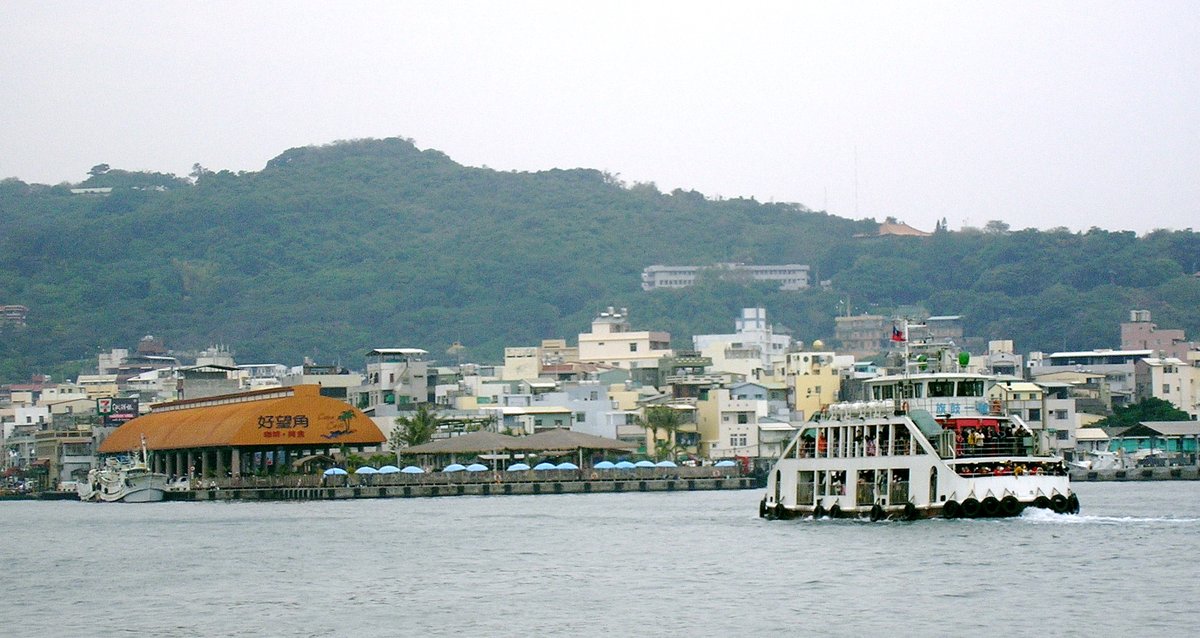
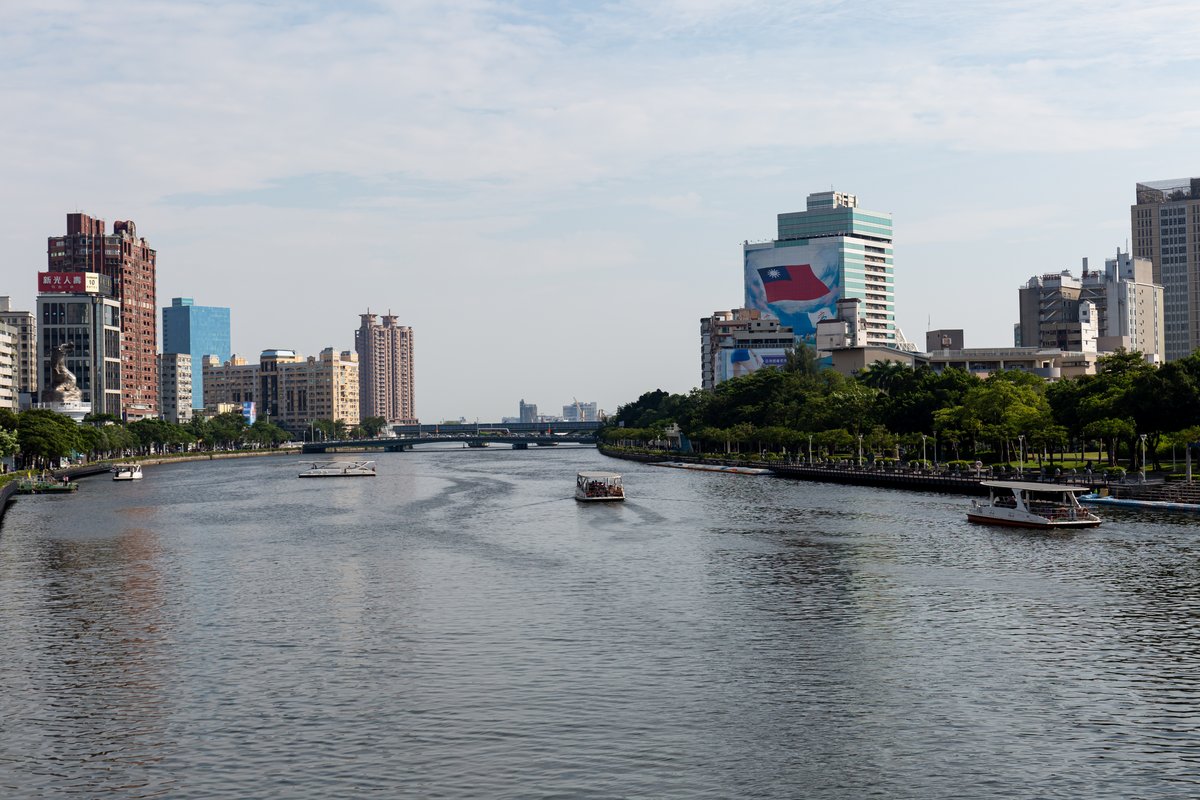
Image of Cigu-1 ferry crossing the Port of Kaohsiung on its route to Gushan Ferry Pier, showing the ferry in operation with port facilities in the background
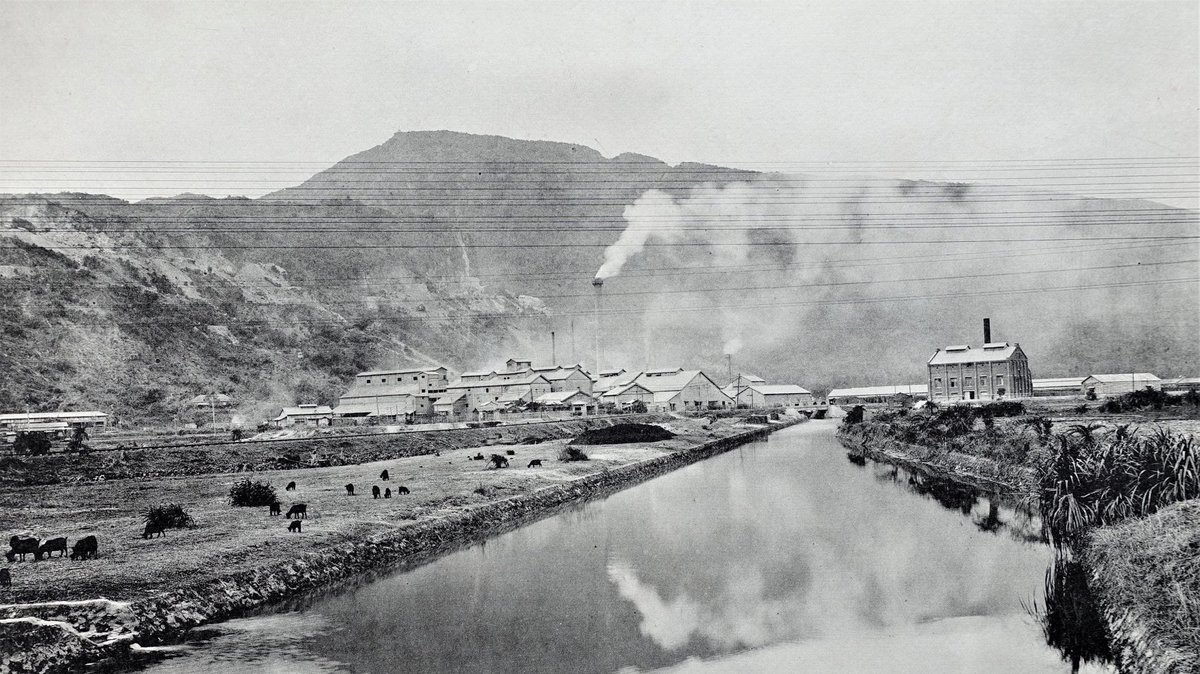
Historic image of the Asano Cement factories located in Takao, showing industrial facilities including factory buildings and smokestacks

Beautiful panoramic photo showcasing the Kaohsiung city skyline as seen from the lighthouse on Cijin Island in Taiwan, highlighting urban buildings and waterfront.
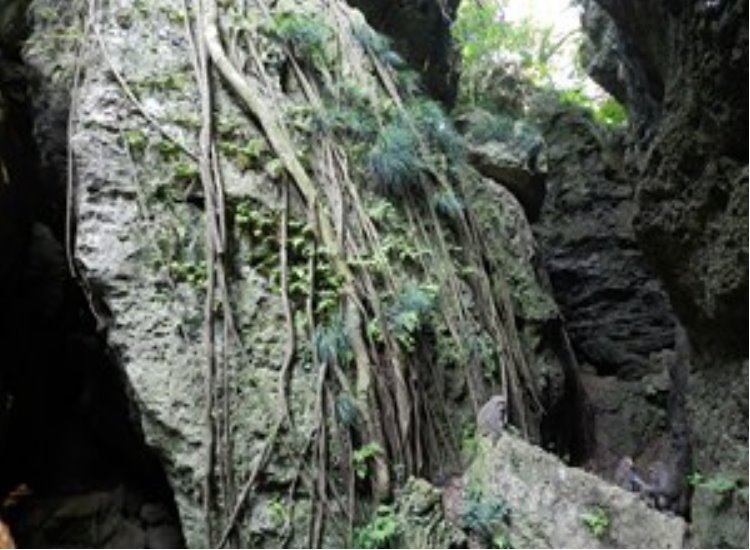
A Formosan Macaque perched on coral rock formations at Shoushan Mountain in Kaohsiung, Taiwan, showcasing the natural habitat and wildlife.
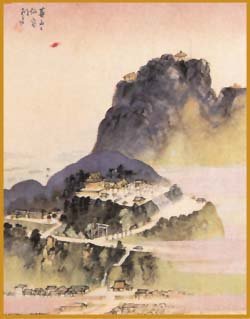
Historic postcard showcasing the 8 Themes of Taiwan selected in 1927, highlighting cultural and regional significance from that era
Historical Background
Early Human Activity
The earliest evidence of human activity in the Kaohsiung area dates back to roughly 4700–5200 years ago, with significant archaeological findings in the hills surrounding Kaohsiung Harbor. These include artifacts from the prehistoric Dapenkeng, 牛稠子, Dahu, and Niasong civilizations (Wikipedia).
Ming Dynasty Maritime Activities
During the Ming dynasty, the region was known for its strategic maritime importance. The seas surrounding Taiwan were infested with pirates, prompting the Ming imperial court to launch several naval campaigns. The first Chinese records of the region were written in 1603 by Chen Di, who referred to the area as "Takau Isle" (Wikipedia).
Dutch Formosa Era
The villages of Tankoya (now Cihou and Qijin) and Apen bercht (now Apen Hill, Monkey Mountain, Shoushan) were already formed during the Dutch Formosa era (1624 to 1662). These settlements played a crucial role in the maritime routes of East Asia (Our Town).
Significance of Dashuiwan Waterway Ruins
Taochiyuan Ruins
Located in the northwestern part of North Chaishan, this site is one of the earliest ruins discovered in Kaohsiung. It includes pottery, stone tools, and evidence of human burials, indicating an economy based on agriculture, fishery, and hunting (Wikipedia).
Pirate Records
During the Ming dynasty, the waters around Taiwan were lawless, and the region was a hotspot for pirate activities. The imperial court's naval campaigns against the Wokou pirates highlight the strategic importance of the area (Our Town).
Dutch Formosa Era
The Dutch Formosa era marked significant development in the region's maritime activities. The formation of settlements such as Tankoya and Apen bercht played a crucial role in the maritime routes of East Asia (Our Town).
Visitor Information
Visiting Hours
The Dashuiwan Waterway Ruins are open daily from 9:00 AM to 5:00 PM. It is advisable to check for any seasonal changes or special closures on official websites before planning your visit.
Tickets
There is no entry fee to visit the Dashuiwan Waterway Ruins. However, donations are welcome to help with the preservation of the site.
Visitor Tips
Getting There
The Dashuiwan Waterway Ruins are accessible via multiple modes of transportation. Visitors can take a bus or taxi from major stations like Zuoying or Xinzuoying. For those preferring public transport, the Kaohsiung Metro system provides convenient access to the site.
Best Time to Visit
The best time to visit the Dashuiwan Waterway Ruins is during the cooler months from October to March. The weather is more pleasant, making it ideal for exploring the outdoor ruins. Avoid visiting during the peak summer months when temperatures can be extremely high.
What to Bring
- Comfortable Footwear: The site involves a fair amount of walking, so comfortable shoes are a must.
- Water and Snacks: There are limited facilities around the ruins, so it's advisable to carry water and light snacks.
- Camera: The ruins offer excellent photo opportunities, so don't forget your camera.
Nearby Attractions
Lotus Pond
Located in the Zuoying District, Lotus Pond is a man-made lake filled with lotuses and surrounded by several temples and pagodas. Notable structures include the Dragon and Tiger Pagodas and the Spring and Autumn Pavilions (Two Monkeys Travel).
Cijin Island
A short ferry ride from Kaohsiung, Cijin Island offers a variety of attractions including the Qijin Lighthouse, Tianhou Temple, and the Rainbow Church. The island is also famous for its fresh seafood (Two Monkeys Travel).
Fo Guang Shan Buddha Museum
This museum is home to the tallest sitting bronze Buddha statue in the world. It spans 100 hectares and includes pavilions, pagodas, and various halls dedicated to Buddhist teachings (Two Monkeys Travel).
Practical Information
Guided Tours
Guided tours are available and highly recommended for a more in-depth understanding of the site's historical significance. These tours are usually conducted in Mandarin, but English-speaking guides can be arranged upon request.
Facilities
The site has basic facilities including restrooms and a small visitor center where you can learn more about the history of the ruins. There are also a few benches and shaded areas for resting.
Preservation Efforts
The Dashuiwan Waterway Ruins are protected under Taiwanese heritage laws. Efforts are ongoing to preserve the site and its artifacts. Visitors are encouraged to respect the site by not littering and avoiding any actions that could damage the ruins.
FAQ
Q: What are the Dashuiwan Waterway Ruins? A: The Dashuiwan Waterway Ruins are historical remnants in Kaohsiung, Taiwan, that reveal the region's significant maritime history.
Q: Is there an entry fee to visit the Dashuiwan Waterway Ruins? A: No, there is no entry fee to visit the site. Donations are welcome.
Q: What are the visiting hours for Dashuiwan Waterway Ruins? A: The ruins are open daily from 9:00 AM to 5:00 PM.
Listen to the full story in the app
Your Personal Curator, in Your Pocket.
Audio guides for 1,100+ cities across 96 countries. History, stories, and local insight — offline ready.
Audiala App
Available on iOS & Android
Join 50k+ Curators
Sources
- verified
- verified
- verified
- verified
- verified
- verified
- verified
- verified
- verified
- verified
Last reviewed: