Introduction
Kaohsiung Port Terminal, located in southern Taiwan, stands as a testament to the city’s transformation from a historic fishing village to a leading global port and vibrant cultural destination. Today, the terminal reflects the city’s dynamic spirit, blending architectural innovation with public space, and providing a gateway not only for maritime trade but also for leisure, culture, and tourism. Whether you are seeking history, architectural marvels, or a lively waterfront atmosphere, Kaohsiung Port Terminal promises a multifaceted experience for every traveler (Orbitshub; Wikipedia).
Photo Gallery
Explore Kaohsiung Port Terminal in Pictures

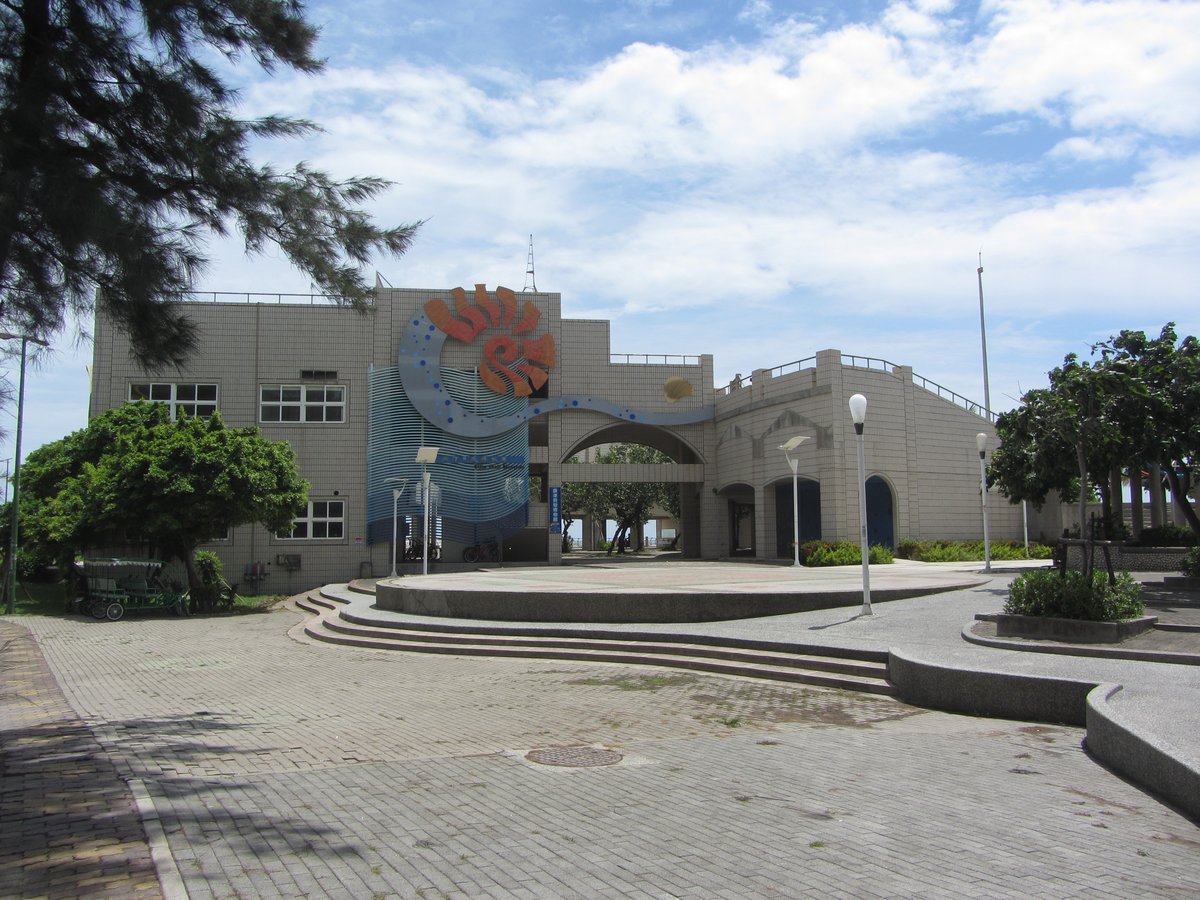
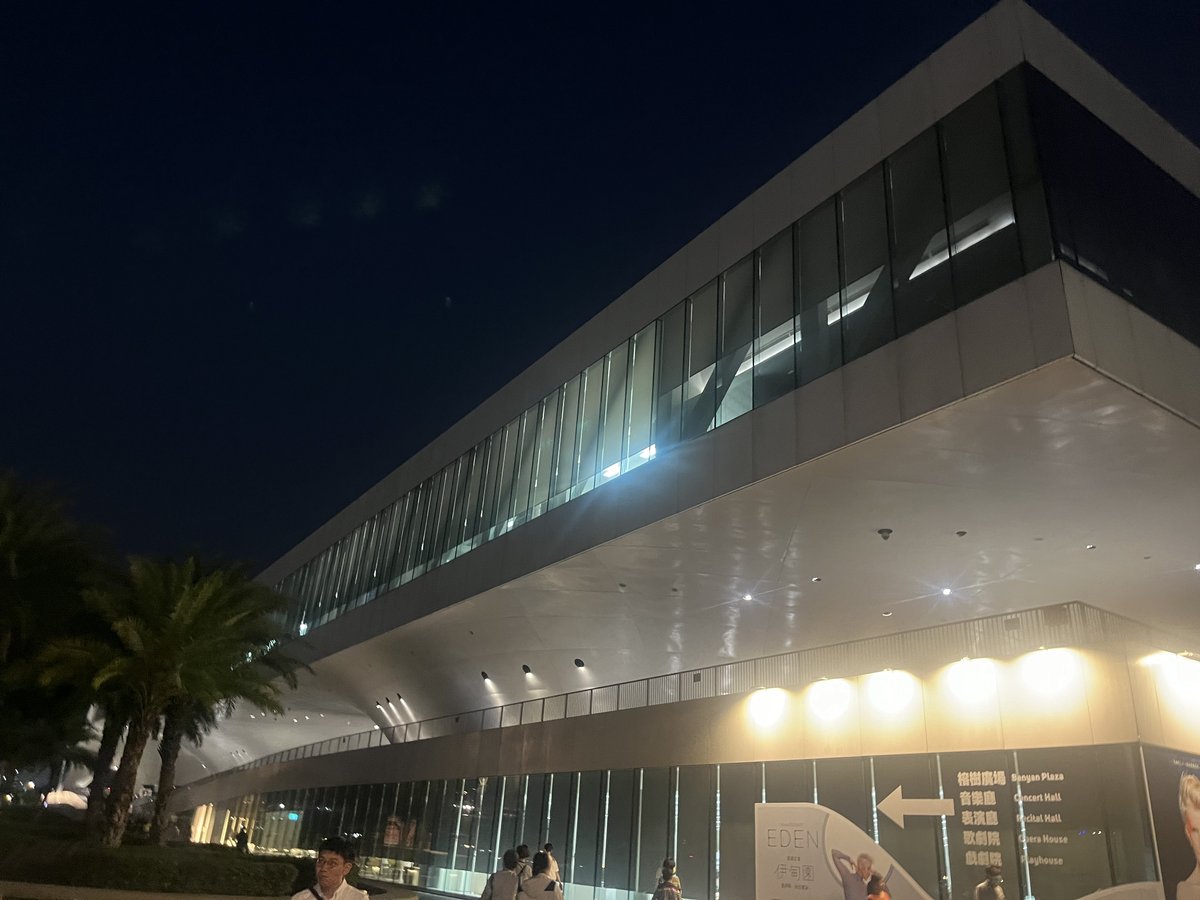
Modern Kaohsiung Port Cruise Terminal building in Kaohsiung Taiwan captured on 27 January 2024 with a clear sky showing architectural details from the northern side.

Aerial view of Kaohsiung Port Cruise Terminal taken from 85 Sky Tower showing the terminal buildings, docked cruise ship and surrounding harbor area in Kaohsiung, Taiwan
Historical Context
Early Origins and Strategic Growth
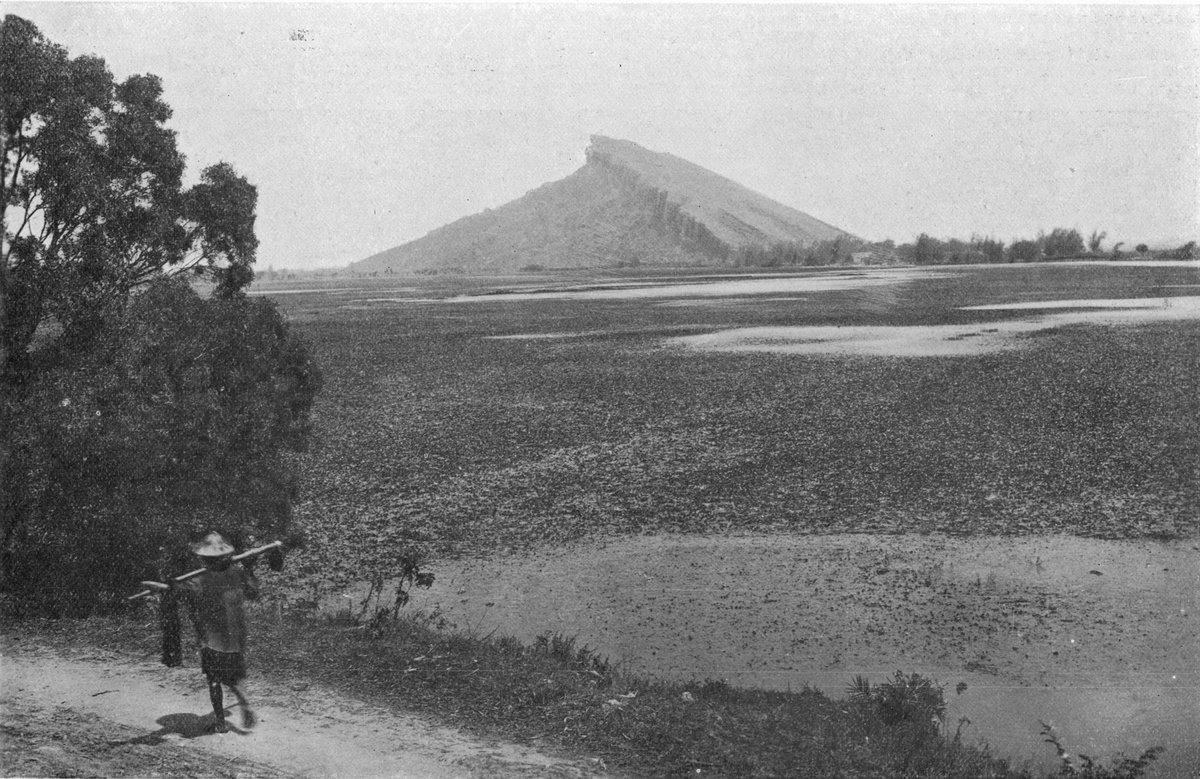
Kaohsiung’s origins trace back to the 17th century, when it was known as Takao, a fishing village strategically positioned along the Taiwan Strait. Its natural harbor soon attracted settlers and traders, making it a crucial trading post and setting the foundation for its future as a maritime hub (Orbitshub; FreightMango).
Japanese Colonial Modernization
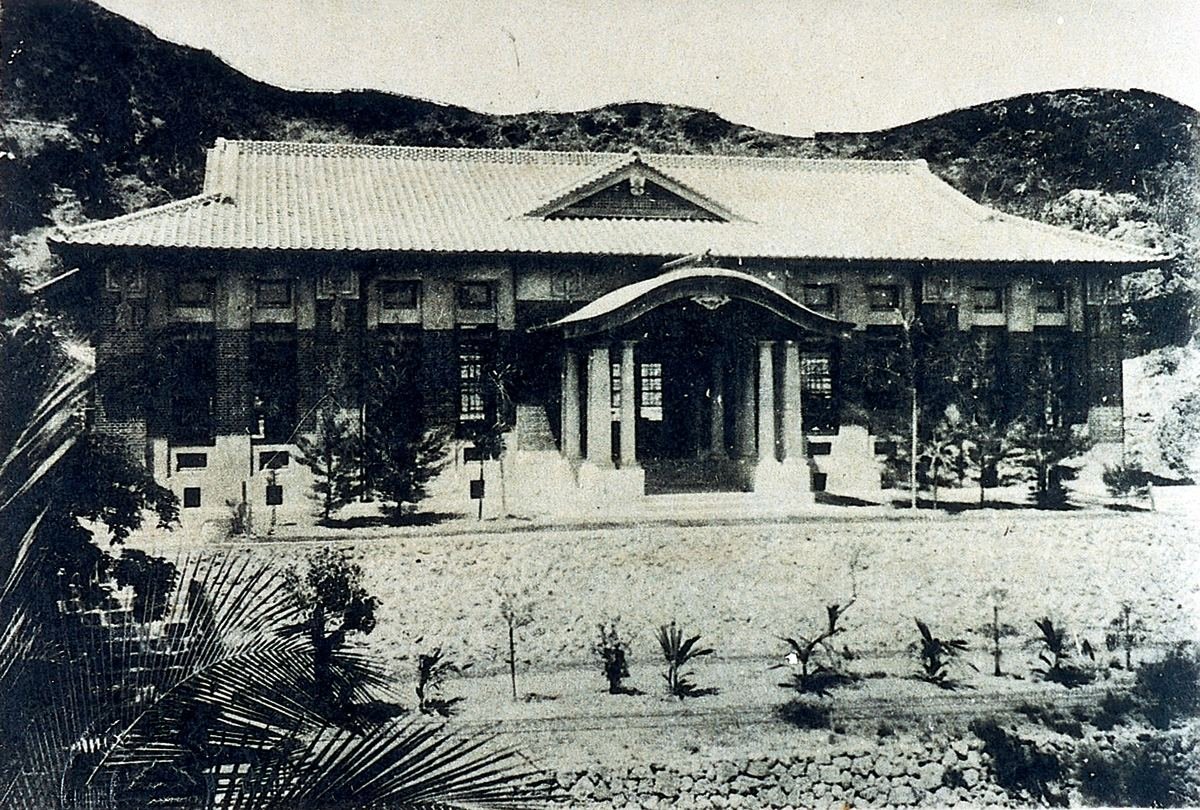
Under Japanese rule (1895–1945), the port underwent major modernization, including dredging, the construction of new wharves, and the establishment of industrial facilities. These developments enabled the port to emerge as a significant international maritime gateway (Wikipedia).
Post-War Expansion
After World War II, Taiwan’s rapid industrialization propelled the port’s expansion, especially during the 1960s and 1970s, when containerization and export-oriented growth positioned Kaohsiung as the country’s premier international port (Orbitshub; FreightMango).
Contemporary Significance
Today, Kaohsiung Port ranks among the world’s busiest, handling over 10 million TEUs annually. Recent investments, such as the 7th Container Terminal, have further enhanced capacity and global connectivity (Port Technology).
Visitor Information
Visiting Hours
- Kaohsiung Port Terminal: 6:00 AM – 10:00 PM daily
- Kaohsiung Port Cruise Terminal: 10:00 AM – 9:00 PM (weekdays), earlier opening on weekends (Kaohsiung Travel)
- Pier-2 Art Center: 10:00 AM – 6:00 PM daily
- Maritime Cultural and Pop Music Center: 10:00 AM – 7:00 PM daily
Hours may vary for special events or exhibitions. Always verify on the official website.
Tickets and Tours
- General Entry: Free for most public areas, including the esplanade and boardwalk.
- Special Events/Exhibitions: Some may require tickets, which can be purchased online or at onsite counters.
- Guided Tours: Architectural and historical tours are available and best booked in advance, especially during peak seasons.
Accessibility and Transportation
- Public Transit: Kaohsiung MRT (Yanchengpu, Sizihwan stations), Light Rail Transit (LRT Green Line, C09 station), and bus services.
- Parking: Available near main attractions.
- Accessibility: Ramps, elevators, tactile paving, accessible restrooms, and multilingual signage ensure comfort for all visitors (About2Cruise).
Top Historical and Cultural Sites Near Kaohsiung Port
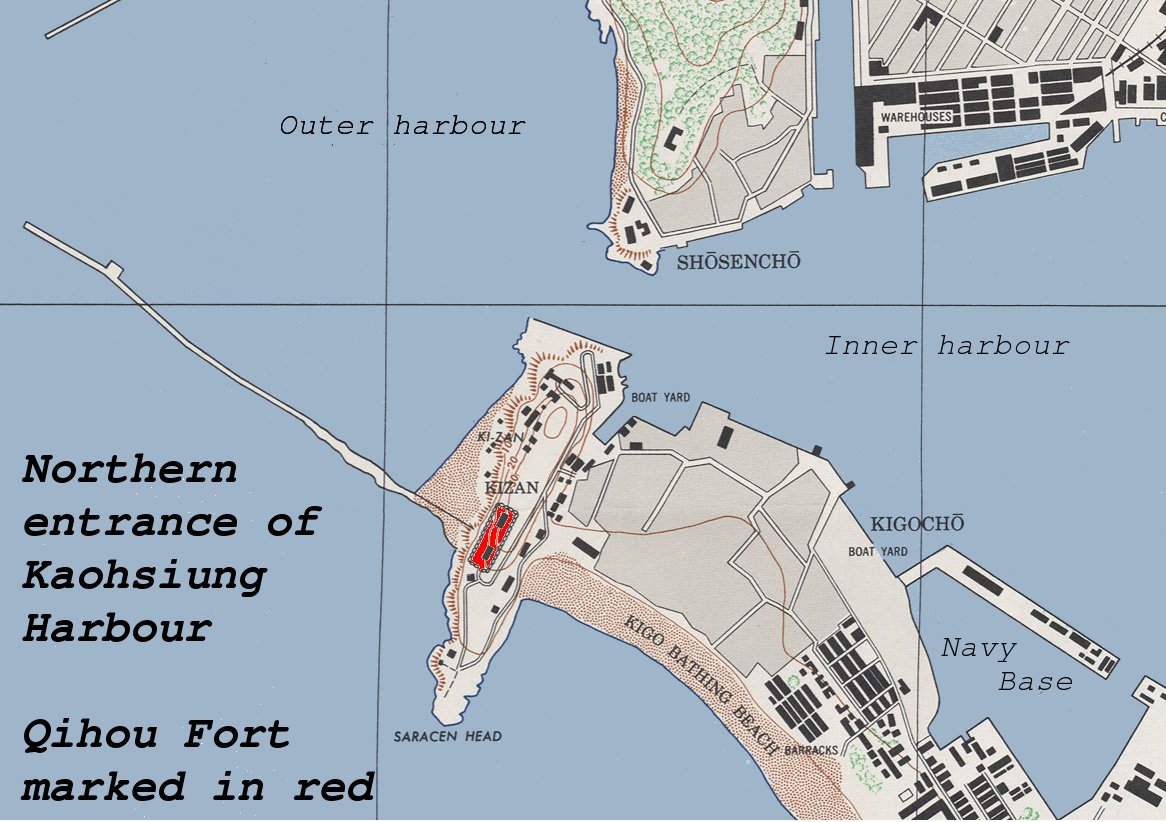
- Takau Old Fort: Provides panoramic views and historical insight into the region’s defense.
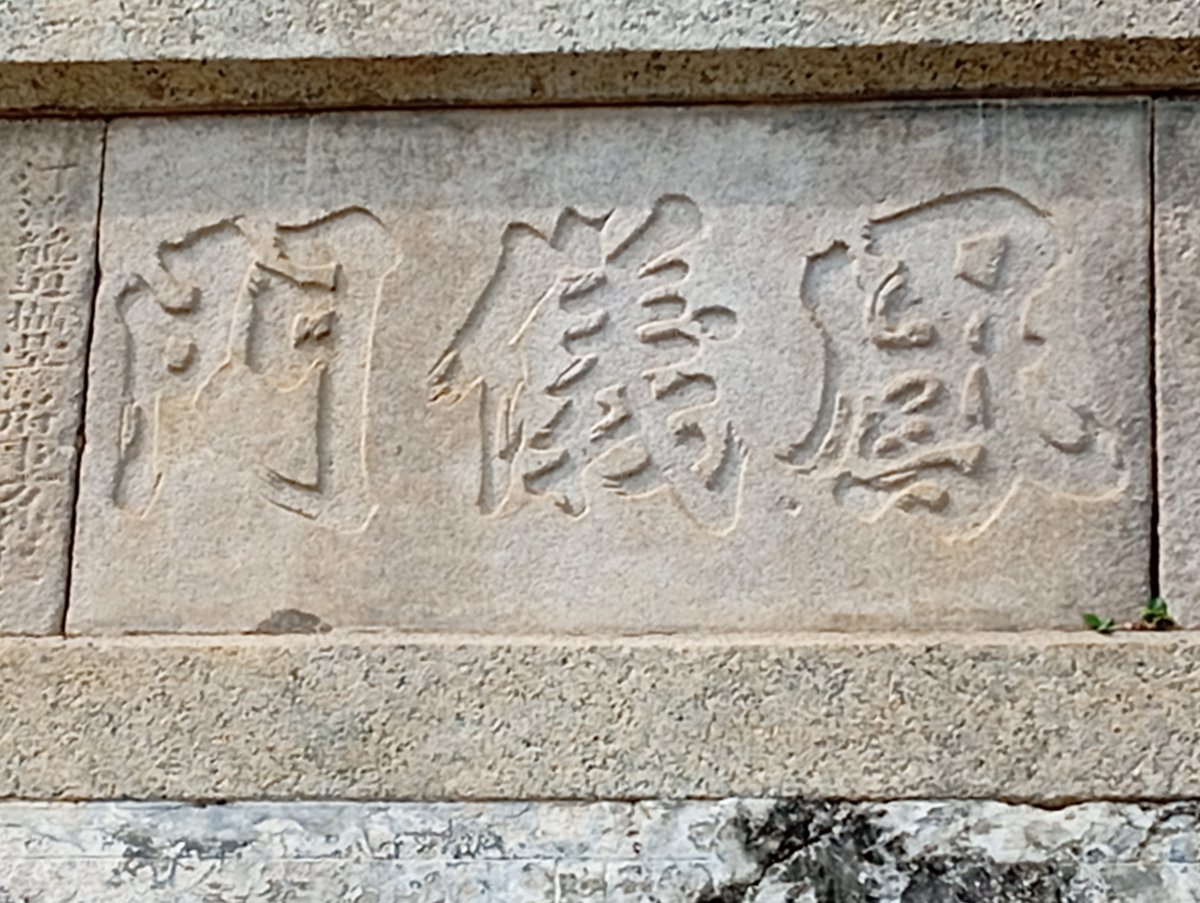
- Fongyi Academy: A preserved Qing Dynasty institution highlighting traditional education.
- Old City of Zuoying: Explore remnants of old city walls, temples, and museums.
- Former British Consulate at Takao: A colonial-era landmark with exhibitions on foreign presence in Taiwan.
- Pier-2 Art Center: Contemporary art hub in renovated port warehouses.
- Hamasen Railway Cultural Park: Offers a glimpse into Kaohsiung’s railway and industrial heritage.
Architectural Highlights of Kaohsiung Port Terminal
Vision and Design
Designed by Reiser+Umemoto, RUR Architecture DPC, with Fei and Cheng Associates, the terminal is an exemplar of “three-dimensional urbanism.” Its biomorphic, curvilinear form is inspired by porpoises and symbolizes the harmony of nature, city, and port (AIANY; Design Times; Architectural Record).
Functional Integration
The terminal separates cruise and ferry operations from public zones. An elevated public esplanade and boardwalk connect with the city’s cultural corridor, offering gardens, markets, and event spaces (Designboom; Reiser+Umemoto).
Structural Innovation
Built for resilience, the terminal’s shell structure and lightweight panels offer panoramic harbor views and protection from the elements. The building withstood the 2024 Hualien earthquake with no damage, underscoring its advanced engineering (Archello).
Kaohsiung Port Cruise Terminal: Amenities and Experiences
Passenger Services
- Immigration: 22 counters, many with facial recognition for efficient processing (About2Cruise).
- Accessibility: Barrier-free passageways, elevators, tactile paving, multilingual staff, and signage.
- Wi-Fi: Free throughout the terminal.
Shopping, Dining, and Leisure
- Duty-Free Shops: International brands and local specialties.
- Restaurants and Cafes: Taiwanese and international cuisine.
- Haiyun Art Plaza: Rotating exhibitions and live performances with harbor views.
Transportation
- Light Rail: LRT Green Line (C09) stops at the terminal.
- Taxis: 3 km from downtown Kaohsiung (approx. 10-minute ride).
- Pedicabs: Available for scenic waterfront trips (WhatsInPort).
Events, Festivals, and Cultural Renaissance
Kaohsiung’s port area is a hub for festivals, art exhibitions, and concerts, including the renowned Megaport Festival and Dragon Boat Festival. The transformation from an industrial zone to a vibrant arts district has spurred a cultural renaissance, attracting millions of visitors and fostering local pride (CommonWealth Magazine).
Sustainability and Urban Renewal
The port’s modernization is matched by environmental initiatives, such as onshore power supply for ships and investments in green technology (Port Technology; SpringerOpen). Urban renewal projects have integrated the terminal with the Asia New Bay Area, transforming 80% of the district into mixed-use developments and catalyzing economic growth (Taiwan International Ports Corporation).
Practical Tips for Visitors
- Best Time to Visit: Spring and autumn for pleasant weather.
- Getting Around: Utilize public transit and the LRT for easy access to attractions.
- Accessibility: Facilities are designed for visitors with mobility needs.
- Photography: The terminal’s whale-tail design, waterfront views, and sunset vistas are especially photogenic.
- Plan Ahead: Check event calendars and book tours in advance.
Frequently Asked Questions (FAQ)
Q: What are the opening hours of Kaohsiung Port Terminal?
A: 6:00 AM – 10:00 PM daily for the main terminal; cruise terminal hours typically 10:00 AM – 9:00 PM.
Q: Is entry free?
A: Public areas are free; special exhibitions or events may require tickets.
Q: Is the terminal accessible?
A: Yes, with ramps, elevators, tactile guides, and accessible restrooms.
Q: How do I reach the terminal?
A: By LRT (C09 station), Kaohsiung MRT, bus, taxi, or pedicab.
Q: What nearby attractions should I visit?
A: Pier-2 Art Center, Kaohsiung Music Center, Takau Old Fort, Cijin Island, Former British Consulate.
Listen to the full story in the app
Your Personal Curator, in Your Pocket.
Audio guides for 1,100+ cities across 96 countries. History, stories, and local insight — offline ready.
Audiala App
Available on iOS & Android
Join 50k+ Curators
Sources
- verified
- verified
- verified
- verified
- verified
- verified
- verified
- verified
- verified
- verified
- verified
- verified
- verified
- verified
- verified
Last reviewed: