Introduction
Located in southern Taiwan’s vibrant Kaohsiung City, the Kaohsiung Cultural Center stands as a beacon of the region’s artistic spirit and evolving urban identity. With its blend of historic charm and forward-thinking design, the center—encompassing the original Lingya District venue and the world-renowned National Kaohsiung Center for the Arts (Wei-Wu-Ying)—offers visitors an immersive journey into Taiwan’s dynamic cultural landscape. This comprehensive guide provides detailed insights into the center’s origins, architecture, facilities, visiting hours, ticketing, accessibility, and surrounding attractions, ensuring you make the most of your visit (urbanNext; Wikipedia; Taiwan Tourism Administration).
Origins and Historical Context
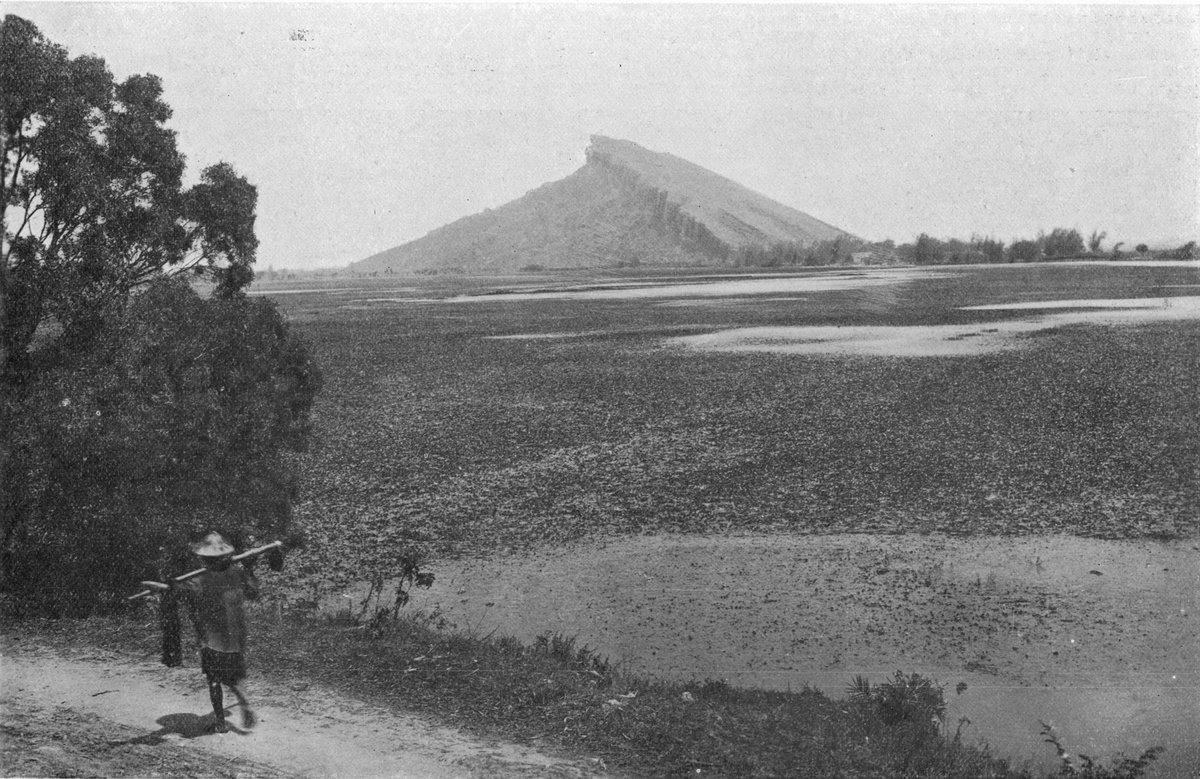
The Kaohsiung Cultural Center reflects Kaohsiung’s transformation from an industrial port city into a thriving cultural capital. Established on the site of a former military complex, the center’s redevelopment aligns with Kaohsiung’s broader urban renewal efforts, emphasizing arts, community, and international connectivity. The National Kaohsiung Center for the Arts (Wei-Wu-Ying), situated in Fengshan District, exemplifies this shift—its presence marks Kaohsiung’s commitment to cultural innovation and accessibility (urbanNext; Global Design News).
Architectural Evolution and Vision
Wei-Wu-Ying: Nature-Inspired Modernity
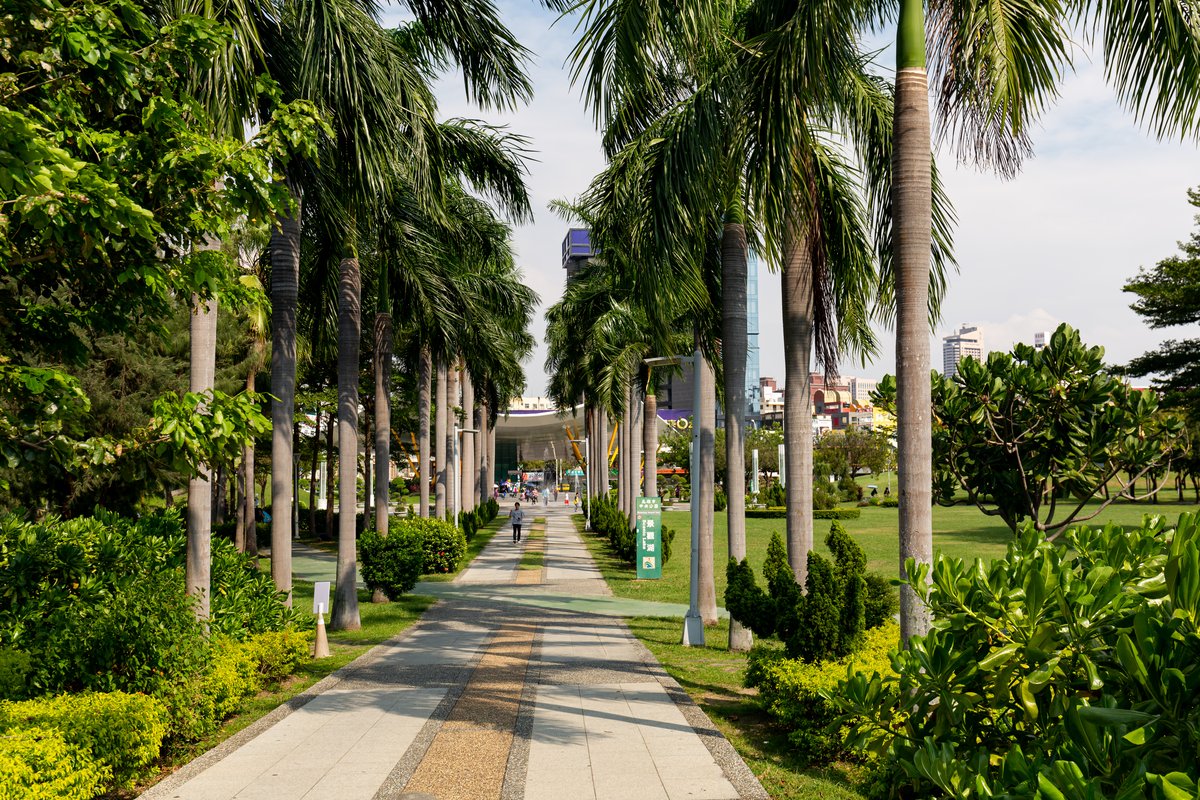
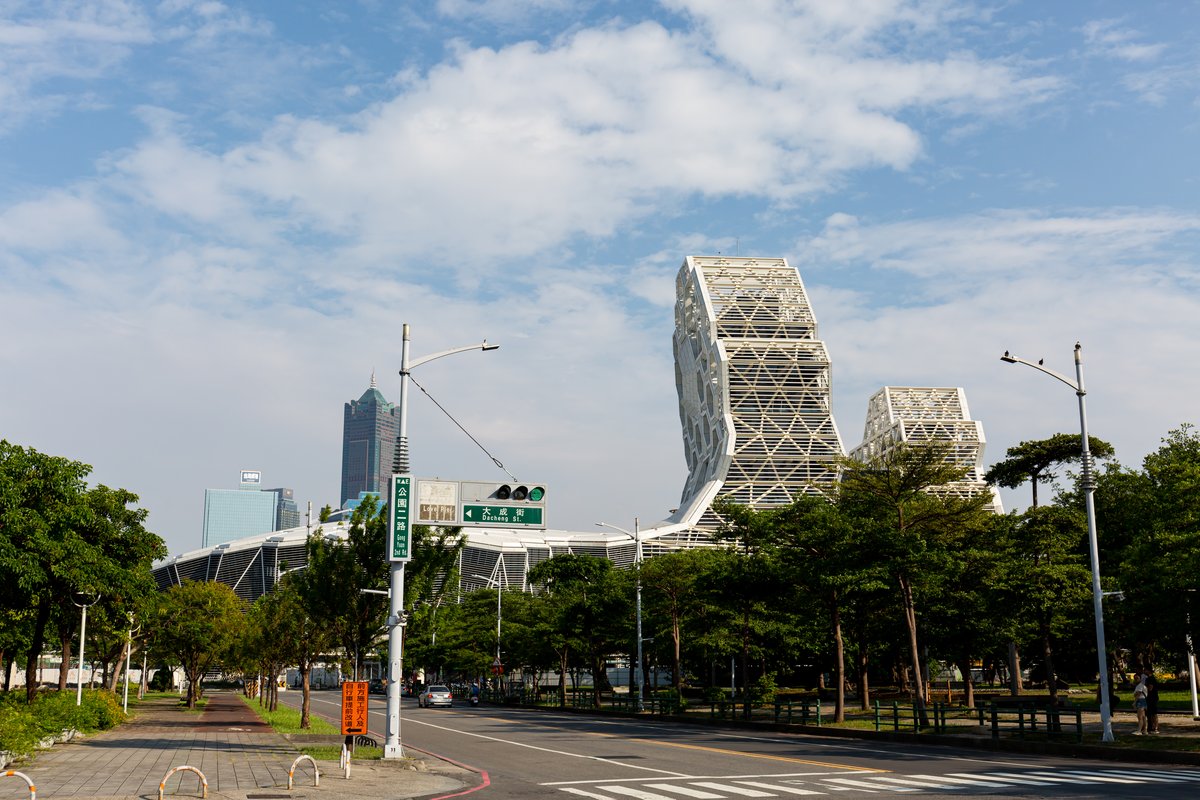
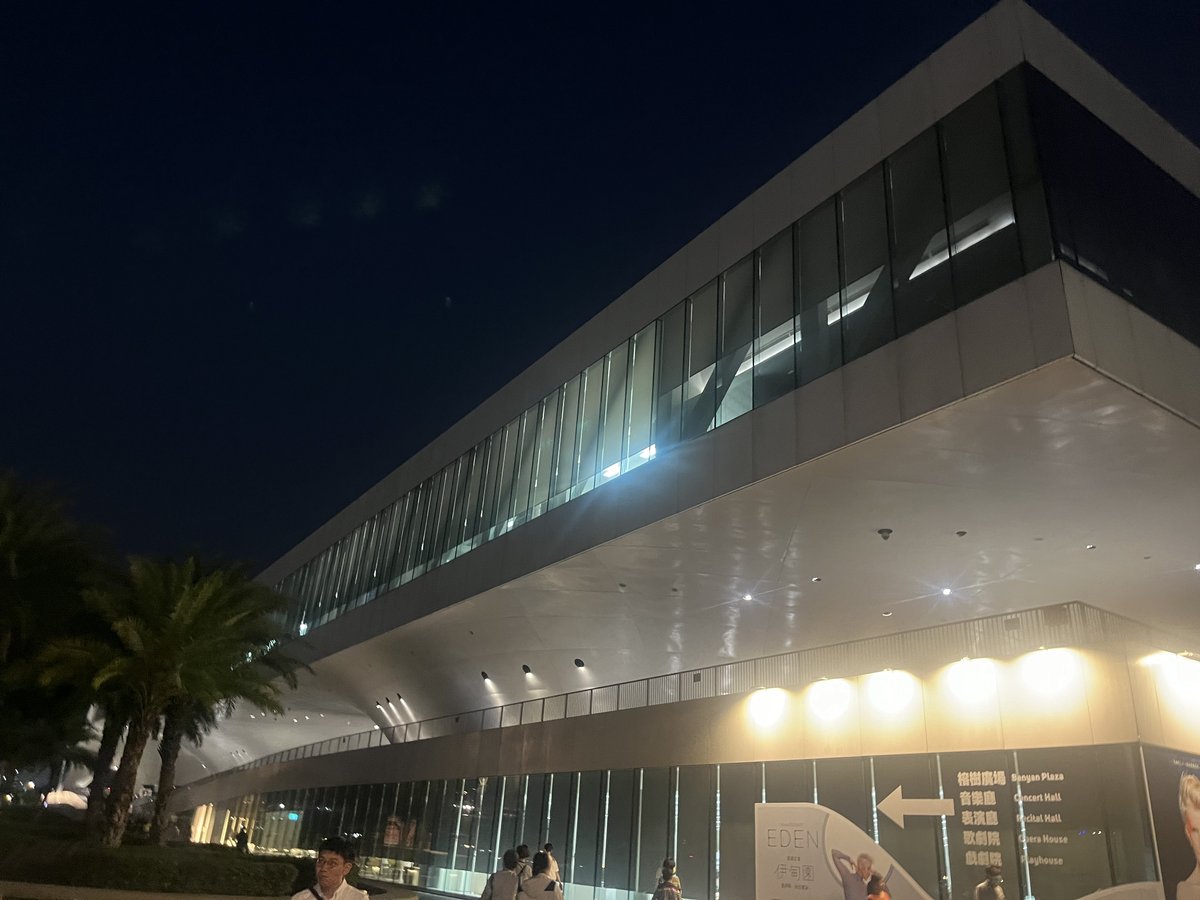
Designed by Dutch firm Mecanoo, the Wei-Wu-Ying Center’s sweeping architecture draws inspiration from the banyan tree—a symbol of shelter and community in Taiwan. Its organic, undulating canopy not only offers shaded gathering spaces but seamlessly integrates the 65-hectare metropolitan park, fostering harmony between built and natural environments. The design prioritizes advanced theater technology, sustainable features, and flexible public areas, supporting a broad range of artistic and community activities (urbanNext; Global Design News).
Lingya District Center: Civic Modernism
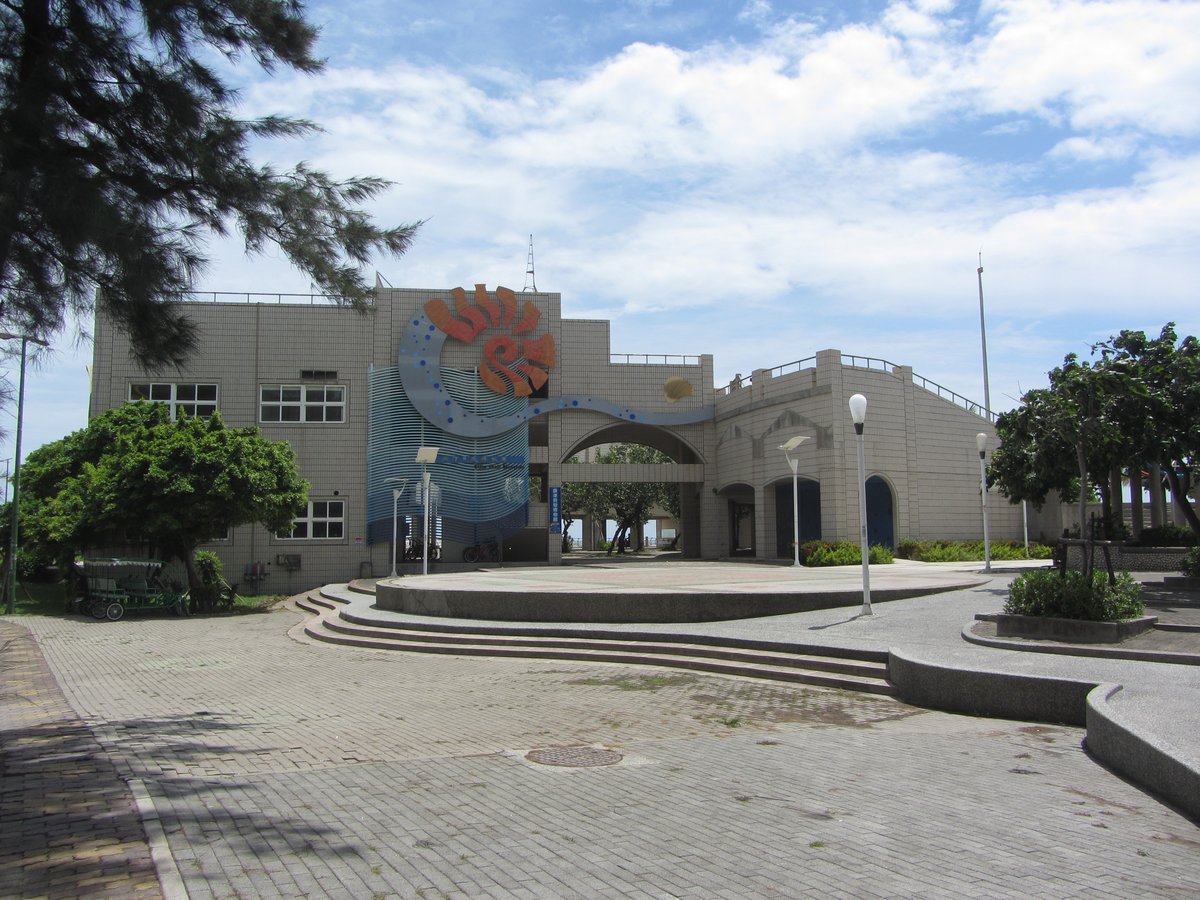
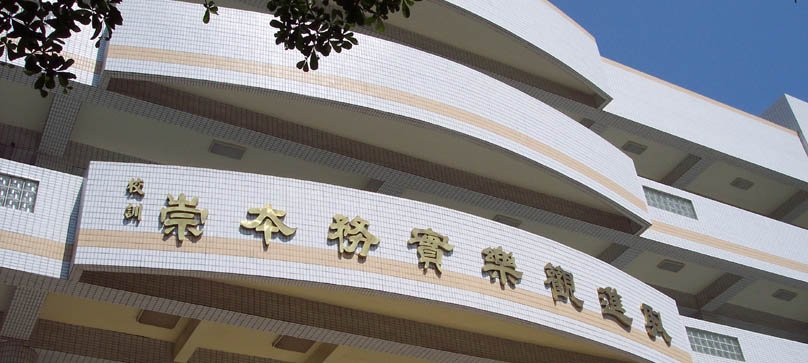
The original Kaohsiung Cultural Center in Lingya District, completed in 1981, exhibits restrained modernist architecture with geometric forms and monumental scale. Its functional layout—anchored by large performance halls and adaptable galleries—caters to both grand events and intimate gatherings. The building’s open corridors and natural lighting create a welcoming atmosphere, while subtle decorative motifs reflect Taiwanese heritage (Wikipedia).
Facilities & Main Venues
Wei-Wu-Ying (National Kaohsiung Center for the Arts)
- Concert Hall: 2,000 seats for orchestral and choral performances
- Opera House: 2,260 seats for large-scale productions
- Playhouse: 1,254 seats for drama, dance, and experimental works
- Recital Hall: 470 seats for chamber and solo performances
- Additional Features: 800m² public library, rehearsal and education spaces, conference rooms, workshops, and an outdoor amphitheater
- Total Capacity: Approx. 6,000 seats under one roof (urbanNext; Global Design News)
Lingya District Center
- Jhihde Hall: 1,672-seat main auditorium for major concerts and events
- Jhihshan Hall: 483-seat hall for smaller performances, lectures, and workshops
- Chih-Chen Hall: Versatile space for meetings and community gatherings
- Chih-Mei Galleries: Rotating exhibitions by local and international artists
- Library: Specialized in arts and culture, with digital resources and reading spaces
- Artists’ Market and Interactive Installations: Opportunities for visitors to engage with creators and buy unique artworks (The Amazing Taiwan)
Visiting Hours and Ticket Information
Wei-Wu-Ying
- Opening Hours: 10:00 AM – 9:00 PM daily; performance schedules may vary
- Tickets: Purchase online via the official website, at the box office, or through authorized vendors. Prices vary by event. Guided tours available by reservation.
Lingya District Center
- Opening Hours: 9:00 AM – 9:00 PM, Tuesday through Sunday; closed Mondays and national holidays
- Tickets: Many exhibitions are free. Tickets for performances are sold online or at the box office; early booking is advised for popular events (Taiwan Tourism Administration)
Accessibility & Visitor Amenities
Both centers are designed for full accessibility:
- Ramps, Elevators, and Wide Corridors: Ensuring barrier-free access
- Designated Seating: For wheelchair users in all major venues
- Assistive Devices: Hearing loops and assistive listening upon request
- Restrooms: Accessible facilities and baby changing stations
- Multilingual Staff and Signage: Information in Chinese and English
- Visitor Services: Information desks, cloakrooms, vending machines, cafés, gift shops, free Wi-Fi, and ample seating (Kaohsiung Travel)
Getting There: Transportation & Location
- Wei-Wu-Ying: Located in Fengshan District, directly accessible from Wei-Wu-Ying MRT Station (Orange Line). Connections to high-speed rail and city bus routes are available.
- Lingya District Center: No. 160, Lingya District; a short walk from Cultural Center Station (Orange Line, O7). Ample parking and taxi/Uber services are available (The Tourist Checklist).
Nearby Attractions & Travel Tips
- Pier-2 Art Center: Creative district featuring galleries, shops, and installations
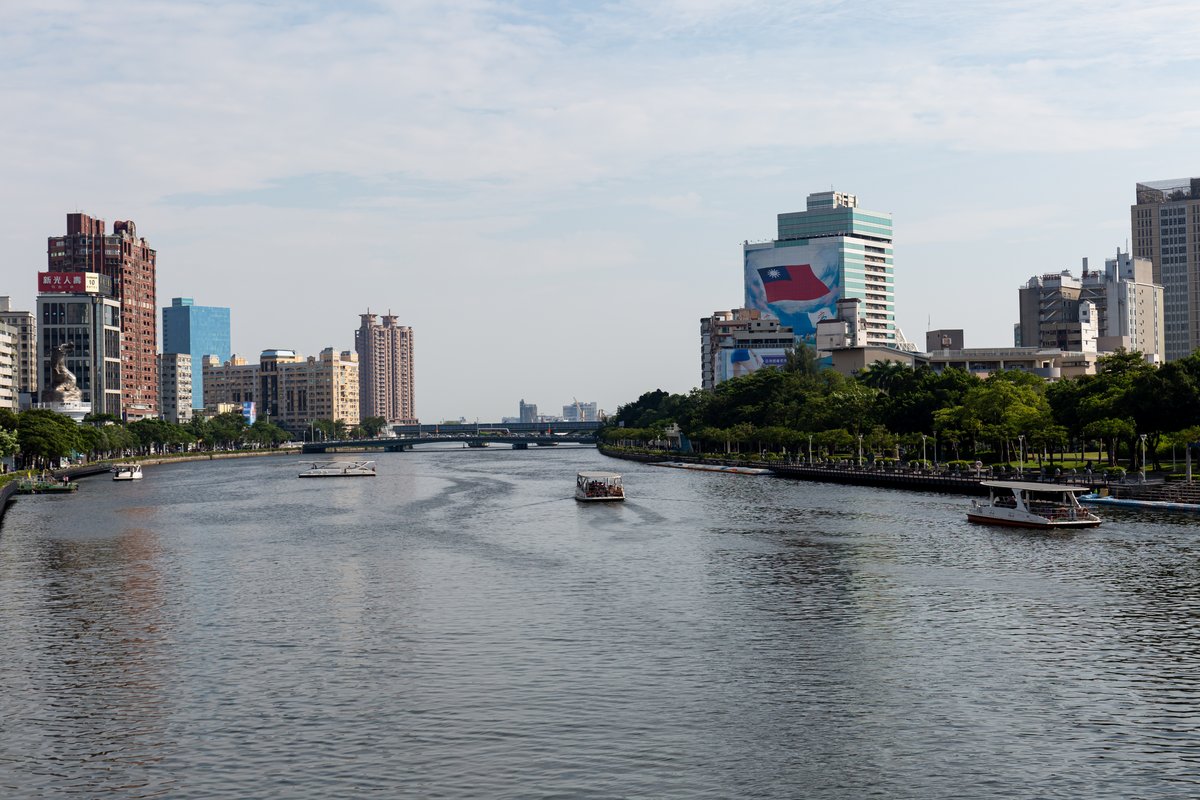
- Love River: Scenic walkway and boat tours
- Kaohsiung Museum of Fine Arts: Contemporary and traditional exhibitions
- Dome of Light: Renowned public art in MRT Formosa Boulevard Station
Tips:
- Check the event calendar online for current schedules and ticketing
- Arrive early for performances to secure seating and explore exhibitions
- Combine your visit with nearby attractions for a full day’s experience
- Wear comfortable shoes for exploring the grounds and adjacent park (The Amazing Taiwan)
Cultural Impact and Community Engagement
The centers play a pivotal role in Kaohsiung’s cultural development, hosting festivals like the Kaohsiung Lantern Festival and Dapeng Bay Art Festival, as well as workshops, artist residencies, and educational outreach. Their inclusive programming fosters cross-generational engagement and preserves local heritage while promoting global artistic trends (Adventure Backpack; Secret Attractions).
Frequently Asked Questions (FAQ)
Q: What are the visiting hours of the Kaohsiung Cultural Center?
A: The Lingya District Center is open from 9:00 AM–9:00 PM, Tuesday–Sunday; closed Mondays and holidays. Wei-Wu-Ying generally opens 10:00 AM–9:00 PM, with performance times varying.
Q: How can I purchase tickets?
A: Tickets are available online, at the box office, or via authorized platforms. Some exhibitions are free.
Q: Are the centers accessible for people with disabilities?
A: Yes—ramps, elevators, accessible restrooms, and assistive listening devices are available.
Q: Are guided tours offered?
A: Both centers provide guided tours; check the official websites for schedules and reservations.
Q: What nearby attractions should I visit?
A: Pier-2 Art Center, Love River, Kaohsiung Museum of Fine Arts, and the Dome of Light are highly recommended.
Listen to the full story in the app
Your Personal Curator, in Your Pocket.
Audio guides for 1,100+ cities across 96 countries. History, stories, and local insight — offline ready.
Audiala App
Available on iOS & Android
Join 50k+ Curators
Sources
- verified
- verified
- verified
- verified
- verified
- verified
Last reviewed: