Introduction
The Former British Consulate at Takao, perched atop a scenic hill overlooking Kaohsiung Harbor in southern Taiwan, stands as an enduring symbol of Taiwan’s early international engagement and colonial period. Built in the late 19th century, this Victorian red-brick structure is not only architecturally significant but also a powerful testament to Taiwan’s evolving role in global trade, diplomacy, and cultural exchange. Today, it is one of Kaohsiung’s most popular historical attractions, drawing visitors with its panoramic harbor views, immersive exhibits, and vibrant cultural programming (Takao Club; Ministry of Culture).
This detailed guide provides everything you need to know for planning your visit, including historical background, visiting hours and ticketing, accessibility, travel tips, nearby attractions, and frequently asked questions, ensuring a rewarding experience at this iconic Kaohsiung landmark.
Photo Gallery
Explore Former British Consulate at Takao in Pictures

Historic British Consul's Residence located at Takow in Formosa, showcasing colonial architecture and historical significance.

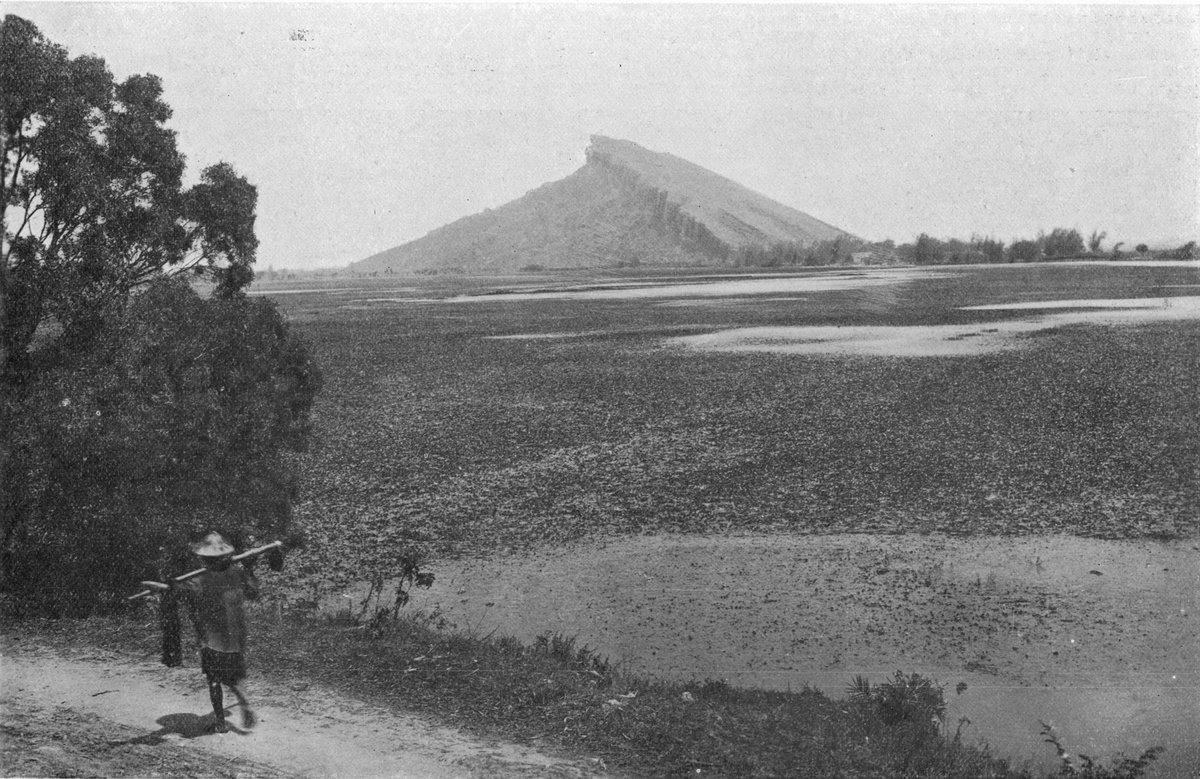
Historical image of the Port of Ta-kau taken in 1893, showing several ships docked and waterfront structures, illustrating maritime activity of the era.

Historical map of Takao created for Camille Imbault-Huart, French consul in Canton, showcasing geographical details of the region.

Historical photograph of the British Consul's residence being built with a view of Takow (now Kaohsiung) harbour in Taiwan during the year 1868.
Historical Background
Origins and British Presence
The Former British Consulate at Takao was established amid the sweeping changes of the mid-19th century, following the Treaty of Tientsin (1858) which opened Taiwan’s ports to foreign trade. In 1861, Robert Swinhoe became the first British Vice Consul to Taiwan, initiating a British diplomatic presence that would eventually be centered in Takao (modern-day Kaohsiung). The consulate served as a hub for diplomatic affairs, maritime trade, and legal matters involving British nationals (Takao Club).
Architectural Development
The current consulate buildings were constructed in the late 1870s, with evidence pointing to 1878–1879 as the completion period. Designed in Victorian colonial style with Renaissance-inspired arches and robust red-brick walls, the consulate was strategically positioned atop Shaochuantou Hill for both practical defense and symbolic authority over the harbor below (Ministry of Culture).
Decline and Restoration
After Taiwan came under Japanese rule in 1895, the consulate was repurposed for meteorological use and later fell into disrepair, particularly after Typhoon Thelma in 1977. Recognizing its historical significance, the site was designated as a protected monument and underwent meticulous restoration in the 1980s and 2010s. Today, the consulate operates as a museum and cultural park, preserving the legacy of Taiwan’s colonial era and its maritime heritage (britishconsulate.kcg.gov.tw; The Amazing Taiwan).
Architectural Features and Restoration
- Victorian Colonial Design: Characterized by red-brick façades, semi-circular arches, and wide veranda-porches that offer both aesthetic beauty and shelter from the subtropical climate.
- Strategic Setting: The consulate’s hilltop location provides sweeping views of Kaohsiung Harbor and the Taiwan Strait.
- Restoration Efforts: Restoration projects focused on using period-appropriate materials and conserving original features such as arched corridors, wooden beams, and tiled floors (Ministry of Culture).
- Adaptive Reuse: The complex now houses a museum, a British-style café, and exhibition spaces, ensuring continued public engagement and preservation.
Cultural and Educational Significance
- Symbol of International Relations: The consulate marks Taiwan’s first period of direct diplomatic engagement with Western powers, reflecting broader geopolitical shifts in East Asia.
- Cross-Cultural Heritage: Exhibitions highlight both British and Taiwanese history, enhancing understanding of Taiwan’s modern identity (The Amazing Taiwan).
- Community Value: The museum, events, and café have made the site a hub for local and international visitors, fostering ongoing dialogue about history, preservation, and cultural identity.
Visitor Information
Location & Access
- Address: No. 20, Lianhai Road, Gushan District, Kaohsiung City, Taiwan (R.O.C.)
- Getting There:
- MRT: Orange Line to Sizihwan Station (O1), then a 15–20 minute uphill walk.
- Bus: Several routes serve the Gushan District and Sizihwan area.
- Taxi: Widely available; show the address or the site’s Chinese name 打狗英國領事館.
- On Foot/Bicycle: Popular with those exploring Sizihwan Bay and Shoushan.
Visiting Hours
- Sunday, Saturday: 09:00 – 19:00
- Monday, Tuesday, Thursday, Friday: 10:00 – 19:00
- Wednesday: Closed for maintenance
- Last admission: 30 minutes before closing
- Special Closures: Check the official website for holiday/maintenance updates.
Tickets
- Standard Adult Ticket: NT$99 (as of July 2025)
- Discounts: Available for students, seniors, and groups. Children below a set age may enter free.
- Where to Buy: On-site at the main entrance; early arrival recommended during peak times.
Accessibility
- Pathways: Paved but include stairs and inclines (approx. 200 steps).
- Wheelchair Access: Limited; assistance may be requested on-site or arranged in advance.
- Facilities: Restrooms, café, gift shop, exhibition areas, and free public Wi-Fi.
Visitor Experience
Museum Exhibits
Explore displays focusing on maritime trade, diplomatic history, and colonial-era daily life, featuring original documents, photos, and period furnishings (Takao Club).
British-Style Café
Enjoy authentic afternoon tea and local snacks with panoramic views of Xiziwan Bay and Kaohsiung Harbor (The Amazing Taiwan).
Gardens and Historic Trail
The grounds are landscaped in colonial style, while a restored stone trail links the consular residence and office, inviting visitors to retrace the steps of 19th-century diplomats (britishconsulate.kcg.gov.tw).
Guided Tours
- Audio Guides: Multilingual, available for rent.
- Docent Tours: In Mandarin (regularly) and English (occasionally), typically on weekends and holidays (Kaohsiung Travel).
Practical Travel Tips
- Best Times: Spring and autumn for mild weather; late afternoon for sunset views.
- Avoiding Crowds: Visit on weekday mornings or early afternoons.
- What to Bring: Comfortable shoes, sun protection, water, and a camera.
- Photography: Panoramic spots abound; drone use prohibited.
Site Etiquette
- No smoking or littering.
- No outside food inside buildings; permitted in designated outdoor areas.
- Pets not allowed except service animals.
- Respect historic structures and artifacts; do not touch or climb.
Nearby Attractions
- Sizihwan Bay: Scenic beaches and seafood dining.
- Shoushan (Monkey Mountain): Hiking and wildlife trails.
- Pier-2 Art Center: Contemporary art and culture hub.
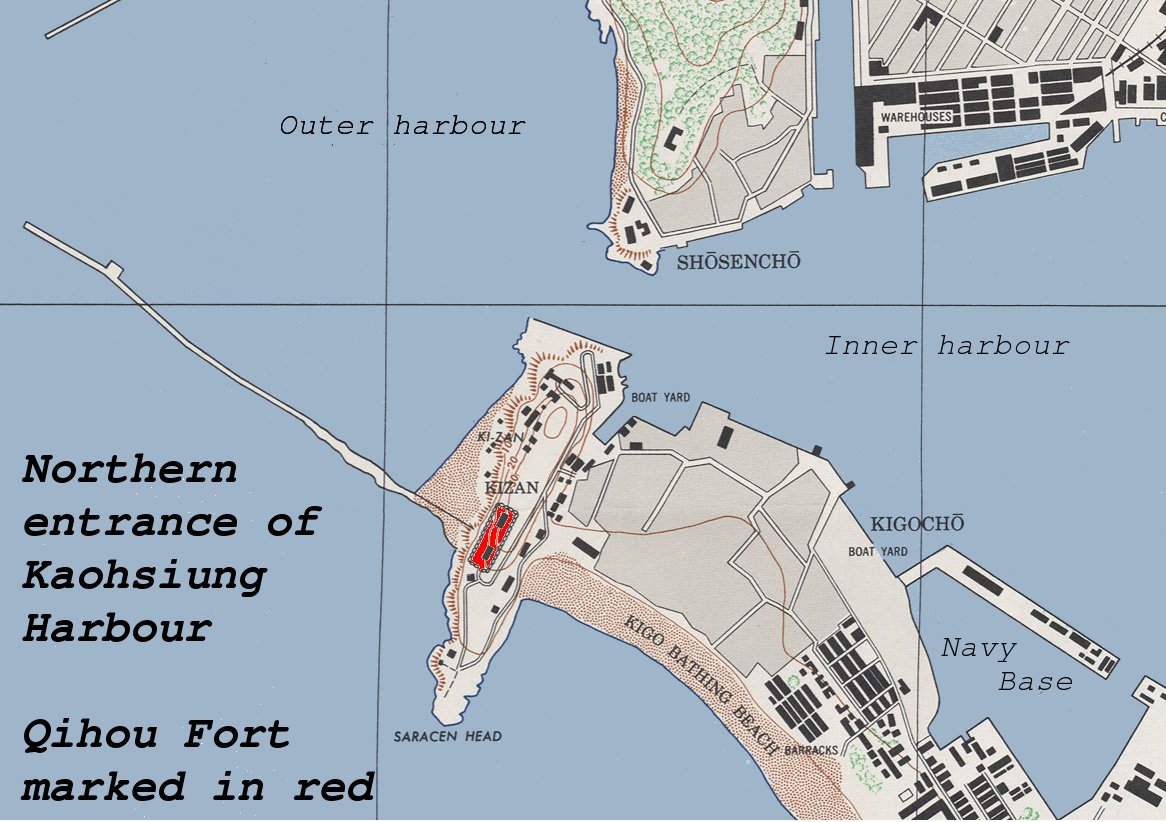
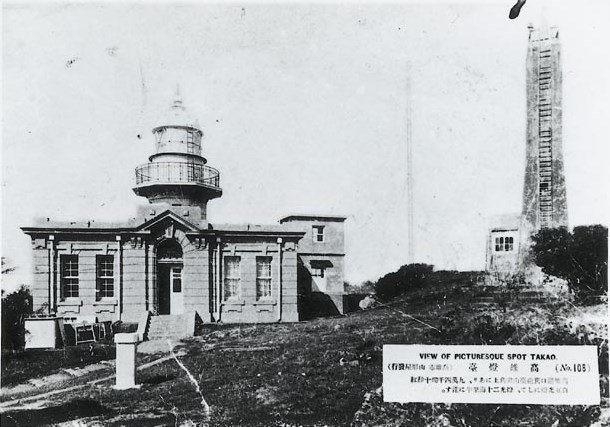
- Kaohsiung Lighthouse & Cihou Fort: Additional colonial-era sites.
- Local Restaurants: Diverse dining options in Gushan District (Trip.com).
Frequently Asked Questions (FAQ)
Q: What are the visiting hours?
A: Sunday/Saturday: 09:00–19:00; Monday, Tuesday, Thursday, Friday: 10:00–19:00; closed Wednesdays.
Q: How much is the ticket?
A: NT$99 for adults (as of July 2025); discounts available.
Q: Is the site wheelchair accessible?
A: Access is limited due to stairs/inclines; assistance may be arranged.
Q: Are guided tours available?
A: Yes, via audio guides and scheduled docent tours.
Q: Can I bring pets?
A: Only service animals permitted.
Visuals and Media
For a richer experience, explore virtual tours, maps, and high-quality images of the consulate’s architecture, sunset views, and exhibits on official websites. Use alt text such as "Former British Consulate at Takao Kaohsiung historical site" and "Visiting hours and tickets at Former British Consulate at Takao" for accessibility and search optimization.
Summary and Final Tips
The Former British Consulate at Takao stands today as both a beautifully preserved colonial relic and a dynamic cultural landmark. Its layered history, stunning architecture, and waterfront views make it a premier destination for travelers interested in Kaohsiung’s heritage. Practical details—such as updated visiting hours, ticketing, accessibility, and nearby attractions—ensure that every visitor can plan a comfortable and enriching visit.
To stay updated on events and visitor information, consult the official resources listed below and consider downloading the Audiala app for interactive tours and insider tips. Take the opportunity to explore nearby sites like Sizihwan Bay and the Pier-2 Art Center for a well-rounded Kaohsiung adventure.
Listen to the full story in the app
Your Personal Curator, in Your Pocket.
Audio guides for 1,100+ cities across 96 countries. History, stories, and local insight — offline ready.
Audiala App
Available on iOS & Android
Join 50k+ Curators
Sources
- verified
- verified
- verified
- verified
- verified
- verified
Last reviewed: