

Historical and Architectural Significance
Engineering Marvel and Design
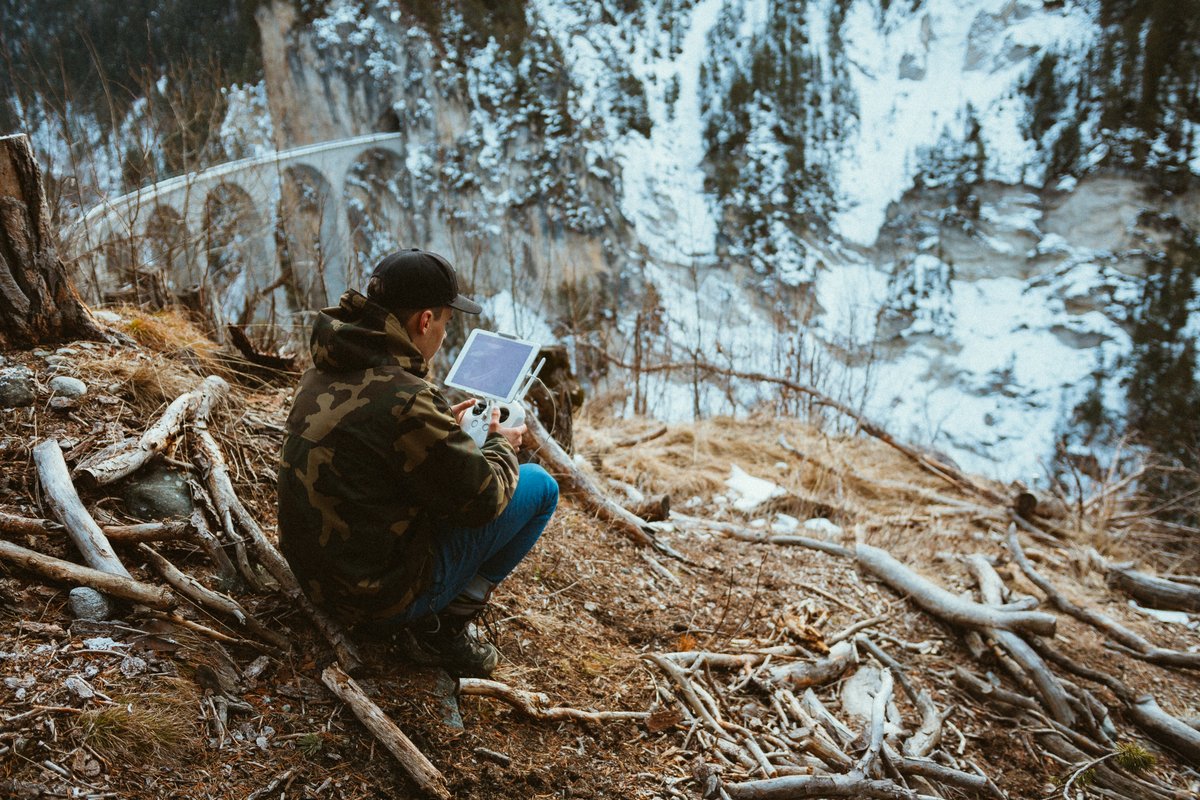
Constructed between 1901 and 1902 as part of the Albula line, the Landwasser Viaduct was a pioneering feat for its era. Designed by Alexander Acatos and built by Müller & Zeerleder, the viaduct features six slender stone arches, each approximately 20 meters wide, stretching 142 meters in total and soaring 65 meters above the Landwasser Valley (Wikipedia). The bridge’s signature curve leads trains directly into a tunnel carved from a vertical cliff, a testament to Swiss engineering prowess.
The structure was built using locally quarried dolomite limestone. Notably, its innovative construction avoided traditional scaffolding; instead, cranes and steel frameworks were employed, allowing for rapid completion despite the challenging terrain (classichistory.net).
Integration with Nature and UNESCO Recognition
A defining feature of the Landwasser Viaduct is its seamless integration with the surrounding Alpine landscape. The use of local stone and the bridge’s graceful curve enhance the visual harmony between human ingenuity and the region’s natural beauty (travelswitzerland.com). This exceptional balance contributed to the Albula/Bernina railway’s UNESCO World Heritage inscription in 2008, recognizing the site for both its technical innovation and its contribution to sustainable mountain development (myswitzerland.com).
Cultural Importance
The Landwasser Viaduct is a symbol of Graubünden’s transformation from isolation to connectedness, helping open up the region for commerce and tourism. Its image—often with the iconic red Rhaetian Railway trains—has become one of Switzerland’s most recognized, frequently featured in films, photography, and tourism campaigns (ourswissexperience.com; graubuenden.ch).
Visitor Information: Hours, Tickets, and Access
Visiting Hours
- Landwasser Viaduct The bridge itself is a functional railway and can be admired from public viewpoints and hiking trails year-round. There are no restricted visiting hours for outdoor viewing; facilities such as restrooms and parking typically operate from 7:00 AM to 8:00 PM, varying seasonally (novo-monde.com).
Tickets
- Viewing No ticket is required to access viewpoints or hiking trails around the viaduct.
- Train Crossing To ride across the viaduct on the Rhaetian Railway (Albula line), purchase tickets online, at stations, or via the Rhaetian Railway website.
- Guided Tours Special guided experiences, such as the Landwasser Express, require advance booking and an additional fee (tickets.rhb.ch).
Getting There
- By Train The most convenient and sustainable way is via the Rhaetian Railway, with Filisur and Wiesen as the nearest stations (SBB Timetable).
- By Car Limited parking is available near Filisur, with marked trails leading to viewpoints.
- On Foot Well-maintained hiking trails connect Filisur station and the parking area to several scenic viewpoints.
Viewpoints
- Main Viewpoint Easily accessible from the car park, offering the classic side-on view.
- Lower Viewpoint Reached via a short descent, providing dramatic perspectives from below.
- Panoramic Trail Circular hiking route connecting several viewpoints.
Facilities
- Parking (free and paid), restrooms, picnic areas, and seasonal snack bars are available near main trailheads.
Sustainable Travel and Accessibility
"Swisstainable" Initiatives
Switzerland’s "Swisstainable" program highlights the country’s commitment to environmentally responsible tourism (myswitzerland.com). Travelers are encouraged to use public transport, reduce waste, and support local businesses.
Accessibility
- The main viewpoint and paths from the parking area are suitable for families and visitors with limited mobility.
- Some hiking trails are steeper or uneven; check accessibility details before visiting.
Nearby Attractions and Cultural Sites
- Filisur A charming historic village with Swiss architecture and local shops.
- Bergün Home to the Albula Railway Museum and a well-preserved historic center.
- Viamala Gorge & Alp Flix Dramatic natural sites ideal for hiking and photography.
- Davos and Klosters Renowned for alpine sports and cultural experiences.
- Swiss National Park A haven for hiking and wildlife exploration.
Frequently Asked Questions (FAQ)
Q: What are the Landwasser Viaduct’s visiting hours?
A: The viaduct is accessible outdoors year-round, with facilities typically open from 7:00 AM to 8:00 PM, depending on the season.
Q: Do I need tickets to visit the Landwasser Viaduct?
A: No tickets are required for outdoor viewing; train travel across the viaduct and guided tours require tickets.
Q: How do I get to the Landwasser Viaduct?
A: By train (Rhaetian Railway to Filisur or Wiesen), by car (parking near Filisur), or on foot via marked hiking trails.
Q: Is the viaduct accessible for visitors with mobility challenges?
A: The main viewpoint and paths are accessible; some trails may be steep or uneven.
Q: Are guided tours available?
A: Yes, including the Landwasser Express and local tourism office-led tours.
Tips for a Memorable Visit
- Plan your trip using the SBB timetable for train schedules.
- Arrive early or late in the day to enjoy fewer crowds and optimal photography lighting.
- Pack appropriately Wear sturdy shoes, bring layers, and carry water.
- Respect nature Stay on marked trails, dispose of waste properly, and follow local guidelines.
- Sustainable travel Use public transport and support local businesses.
- Combine your visit with nearby attractions for a richer experience.


