Place
Switzerland Updated Aug 2026
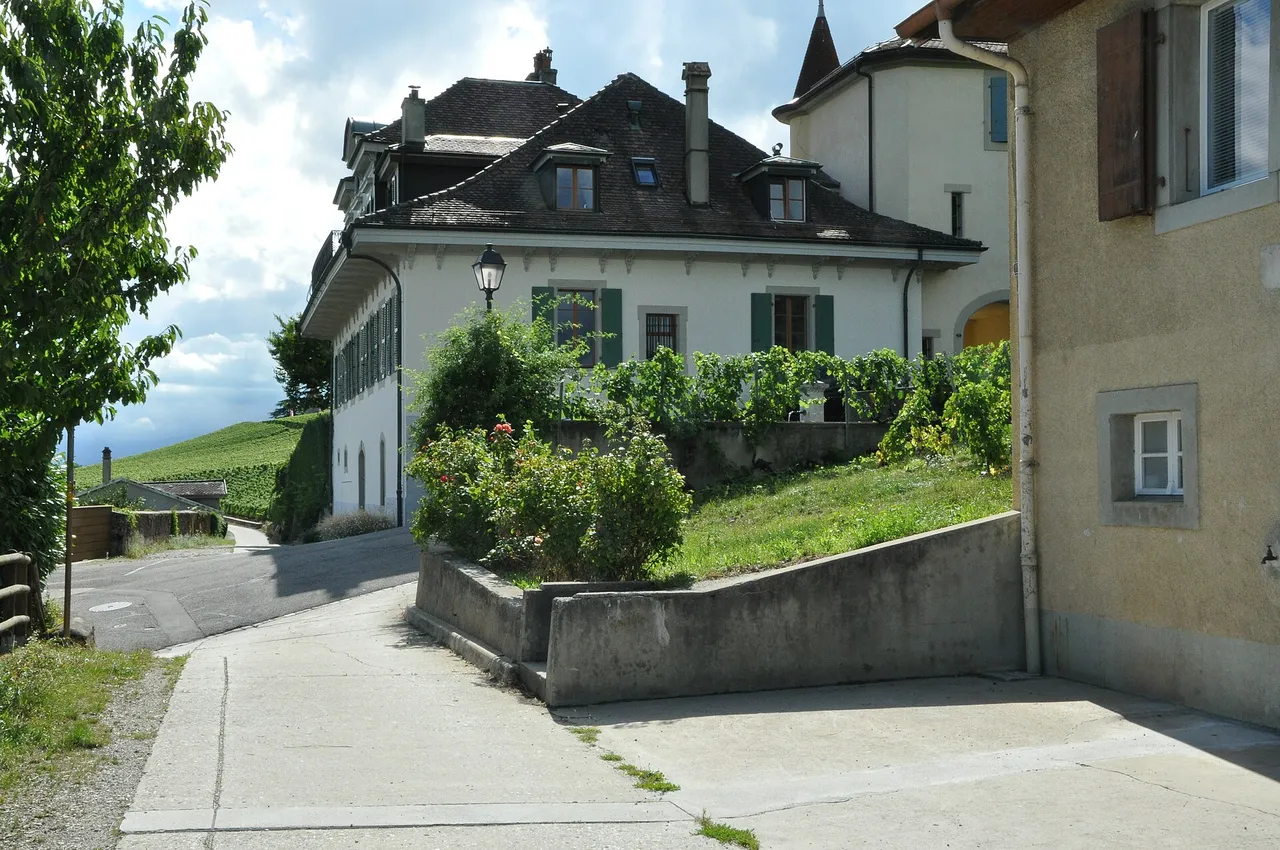
The first thing you notice in Vinzel, Switzerland, is the smell of cool stone and old oak rising from a 17th-century cellar. Château de Vinzel has been pressing grapes here since 1629, and its vaulted cellars still open for tastings. The village sits on the Lake Geneva slope between Rolle and Nyon, in the pocket of La Côte known as the 'Côte d'Azur' — vineyards tilting toward the water in a haze of afternoon sun.
 Photo: Nicolas Ray · CC BY-SA 3.0
Built from cited sources · see the method · How we make our guides →
The whole village carries a cultural-protection designation under the Swiss Inventory of Heritage Sites, which sounds bureaucratic until you walk it. Streets bend past stone houses; Château de la Bâtie watches from above. Nothing here feels staged for postcards.
Wine is the point. The estate wraps 8.5 hectares of vines around its historic buildings, and a tasting here is more cellar dust and Chasselas than polished tourism. The lake is close enough to shape the light but not close enough to crowd the lanes.
Use Vinzel as a base for contrasts: a medieval fortress in Rolle ten minutes away, the anti-tank 'Toblerones' trail, even Montreux's free Queen studio exhibit down the lakeshore. But return before sunset. That's when the vines catch the last light and the whole slope smells of warm stone.
Not every monument, just the ones we'd walk you past ourselves.
Before you go
Where locals actually book dinner — not the tourist menus.
The local white grape shows best at the source. Château de Vinzel pours its own dry, mineral-edged Chasselas in vaulted cellars surrounded by the vines that produced it.
Perch from Lake Geneva, floured, fried in butter, and served with lemon and frites. Order it in Rolle or Nyon at a lakeside restaurant rather than from a tourist counter.
A leek-and-potato stew topped with saucisson vaudois, a cabbage-flecked pork sausage from the canton. It is the kind of food that makes sense after a morning walking between vines.
Fried cheese beignets from nearby Luins, Begnins, or Bursins, named after the Crimean War battle. The outside shatters; the inside is molten cheese.
A soft, mild cow's milk cheese from Vaud. It's usually eaten young, with a texture that barely holds together under a knife.
Half Gruyère, half Vacherin Fribourgeois, melted with white wine and a little garlic. Winter dish in these villages, served with bread and sometimes boiled potatoes.
Small things that change how the city treats you.
The city, as it actually looks.


Yes — if you want a quiet, wine-focused stop on La Côte. It's not a sight-packed destination, but the 1629 Château de Vinzel, the heritage-listed village core, and easy access to Yvoire, Rolle, and Lake Geneva make it a smart base for one or two nights.
One full day covers the village and a wine tasting. Stay two to three days if you're using it as a Lake Geneva base for Yvoire, Rolle, the Toblerones Trail, or Montreux.
Yes. The privately owned estate offers visits of the vineyard, vaulted wine cellars, and tastings, but book ahead — it's not a walk-in cellar door.
Late spring to early autumn. May, June, and September give you vineyard greenery or harvest season without the peak-summer crowding that hits nearby Yvoire in July and August.
By car via the A1, exiting at Rolle or Nyon. By train, use Rolle or Nyon station and continue by bus or taxi — Vinzel sits between the two towns in La Côte.
For a low-key family stop, yes. The Toblerones Trail is flat, stroller-friendly, and has been walked comfortably with a 3-year-old, while lakeside Yvoire adds a fairy-tale village within easy reach.
Saved and recently read places — kept on this device only.
Photos may have been resized or cropped.